


Basement flooding can happen fast, leaving you with standing water, soaked belongings, damaged flooring, and serious concerns about what is happening behind the walls. Basement water removal needs quick, careful action because trapped moisture can lead to mold growth and additional property damage. At PuroClean of Bloomington, we help homeowners in Bloomington, IL respond to water emergencies, remove standing water, dry affected materials, and restore damaged spaces.
This guide explains what causes basement flooding, what you should do immediately, why fast water removal matters, how professionals dry hidden moisture, and when calling a restoration company is the safest choice.
1. Why Is Basement Water Removal So Important?
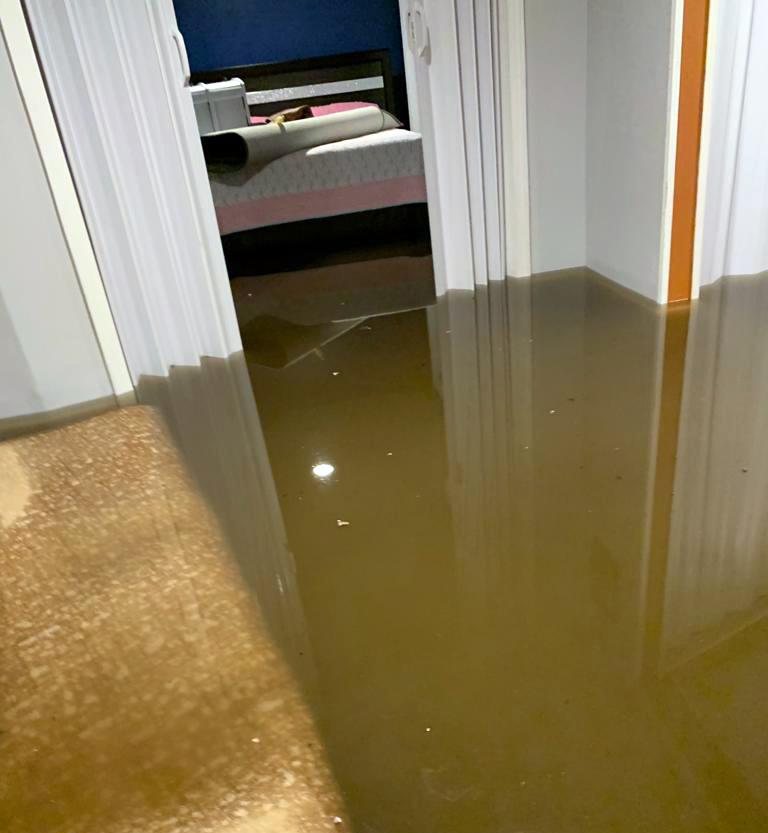
Standing water in your basement is more than a cleanup problem. Basement water removal helps stop water from continuing to damage flooring, drywall, furniture, insulation, electrical components, and other parts of your property.
The longer water remains in your basement, the more opportunities it has to move into materials that are difficult to dry.
Water Spreads Quickly
Water does not always stay where you first see it.
- Standing water can move beneath flooring and into subfloor materials.
- Water can travel along walls and reach areas that initially appear dry.
- Porous materials can absorb moisture and remain wet after visible water is gone.
- Stored belongings can trap water against floors and walls.
Moisture Can Create Additional Problems
Removing visible water is only the first part of recovery.
- Damp materials can develop musty odors.
- Wet drywall may become damaged and require replacement.
- Wood and other porous materials can retain moisture.
- Excess moisture can create conditions that support mold growth.
Fast Action Can Limit Damage
Quick response gives you a better chance of controlling the affected area.
- Stop the water source when it is safe to do so.
- Remove standing water as soon as possible.
- Move unaffected belongings away from wet areas.
- Begin professional drying when moisture has entered building materials.
Effective basement water removal protects your property from problems that can continue long after the original flooding event.
2. What Causes Basement Flooding?
Before completing basement water removal, it is important to understand where the water came from. Basement flooding can result from severe weather, plumbing failures, drainage problems, appliance leaks, or problems with your sump pump.
Finding the source helps prevent the same problem from happening again.
Heavy Rain and Storms
Bloomington homeowners can experience significant rainfall during severe weather.
- Heavy rain can overwhelm drainage systems around your property.
- Poorly positioned downspouts can send water toward the foundation.
- Low areas around your home can collect water.
- Foundation cracks can provide pathways for water to enter.
Sump Pump Failure
A sump pump protects many basements from accumulating groundwater.
- Power outages can stop a pump from operating.
- Mechanical failures can prevent proper drainage.
- A clogged discharge line can interfere with water removal.
- An undersized or improperly maintained pump may struggle during heavy rainfall.
Plumbing Problems
Indoor plumbing can also flood your basement.
- Broken supply lines can release large amounts of water.
- Water heater failures can create extensive flooding.
- Washing machine hoses can rupture unexpectedly.
- Pipes can leak inside walls or near utility areas.
Drainage Problems
Water may enter because it has nowhere else to go.
- Blocked floor drains can prevent water from leaving.
- Damaged sewer lines can create serious water problems.
- Poor exterior grading can direct rain toward the foundation.
- Clogged gutters can increase water accumulation around the home.
Identifying the source of the water is an essential part of successful basement water removal.
3. What Should You Do Immediately After Your Basement Floods?
When water enters your basement, your first priority should be safety. Before starting basement water removal, determine whether the area is safe to enter and whether the water could contain sewage or other contaminants.
Do not take unnecessary risks simply to save belongings.
Stay Away From Electrical Hazards
Water and electricity can create a dangerous combination.
- Do not enter standing water if electrical equipment may be submerged.
- Do not touch electrical outlets, appliances, or cords while standing in water.
- Contact a qualified electrician when electrical systems may have been affected.
- Leave the area if you are unsure whether it is safe.
Stop the Water Source
Stopping additional water can prevent the damage from becoming worse.
- Shut off the main water supply if a plumbing failure caused the flooding.
- Contact a plumber for active plumbing problems.
- Have a sump pump issue evaluated quickly.
- Do not attempt repairs that put you at risk.
Protect Unaffected Belongings
If it is safe to do so, move items away from the affected area.
- Raise furniture and boxes above wet flooring.
- Move important documents to a dry location.
- Keep electronics away from water.
- Avoid carrying heavily saturated items if doing so creates a safety risk.
Call for Professional Help
A flooded basement can contain hidden moisture even after standing water disappears.
- Professional equipment can identify moisture inside materials.
- Restoration technicians can determine the extent of the affected area.
- Specialized extraction equipment can remove water efficiently.
- Professional drying can help prevent additional moisture damage.
If you are dealing with standing water or a recently flooded basement, call PuroClean of Bloomington at (309) 433-0900 for a fast response.
4. Can You Remove Basement Water Yourself?
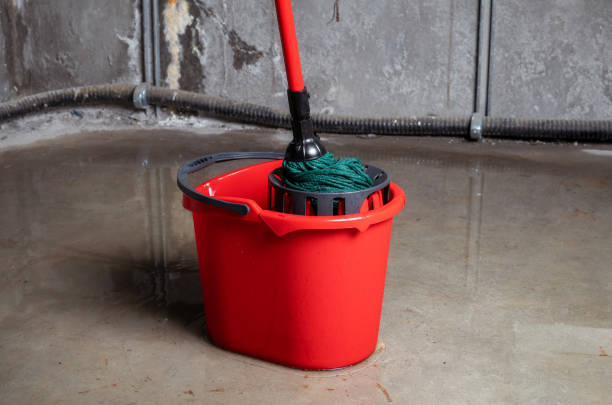
Small amounts of clean water may sometimes be handled by a homeowner, but significant flooding requires more than simply removing visible water. Basement water removal becomes more complicated when water has entered walls, flooring, insulation, furniture, or other porous materials.
The biggest mistake is assuming that a dry-looking surface means the entire area is dry.
Consider the Amount of Water
The size of the water event matters.
- A small isolated leak may require a different response than several inches of standing water.
- Large amounts of water can spread into multiple rooms.
- Flooding from outside may contain contaminants.
- Sewage-related water should always receive professional attention.
Consider Where the Water Went
Visible water may be only part of the problem.
- Water can move underneath flooring.
- Drywall can absorb moisture from the bottom upward.
- Insulation can remain wet inside wall cavities.
- Wood framing may hold moisture after the floor looks dry.
Consider the Source
The source affects how safely the water can be handled.
- Clean water from certain plumbing sources may present different risks than floodwater.
- Water from a sewer backup can contain harmful contaminants.
- Groundwater may carry dirt and other contaminants into your basement.
- Unknown water sources should be approached cautiously.
When the flooding is extensive, contaminated, or hidden inside building materials, professional basement water removal is the safer and more effective choice.
5. What Happens During Professional Basement Water Removal?

Professional basement water removal involves more than pumping or vacuuming visible water from the floor. A restoration team evaluates the affected property, removes standing water, identifies moisture that has moved into materials, and establishes a drying plan.
A thorough process helps ensure that hidden moisture does not remain after the cleanup.
Step 1: Inspection
The restoration process begins with an assessment.
- Technicians identify where water entered the basement.
- The affected areas are inspected for visible damage.
- Moisture levels are evaluated in appropriate materials.
- The scope of the water damage is documented.
Step 2: Water Extraction
Specialized equipment can remove standing water efficiently.
- Water extractors remove water from floors and other affected areas.
- Pumps may be used when significant amounts of water are present.
- Extraction reduces the amount of moisture remaining in the property.
- Furniture and contents may also require specialized extraction.
Step 3: Moisture Detection
Water can remain where you cannot see it.
- Moisture meters help identify damp materials.
- Thermal imaging may help locate areas requiring further investigation.
- Walls, flooring, and other materials can be checked for hidden moisture.
- Moisture readings help guide the drying process.
Step 4: Structural Drying
Air movement and dehumidification help remove remaining moisture.
- Air movers increase evaporation from wet surfaces.
- Dehumidifiers remove moisture from the air.
- Equipment is positioned based on the affected areas.
- Moisture levels are monitored during drying.
Professional basement water removal focuses on removing both visible water and moisture trapped inside the structure.
6. How Does Basement Water Cause Mold Growth?
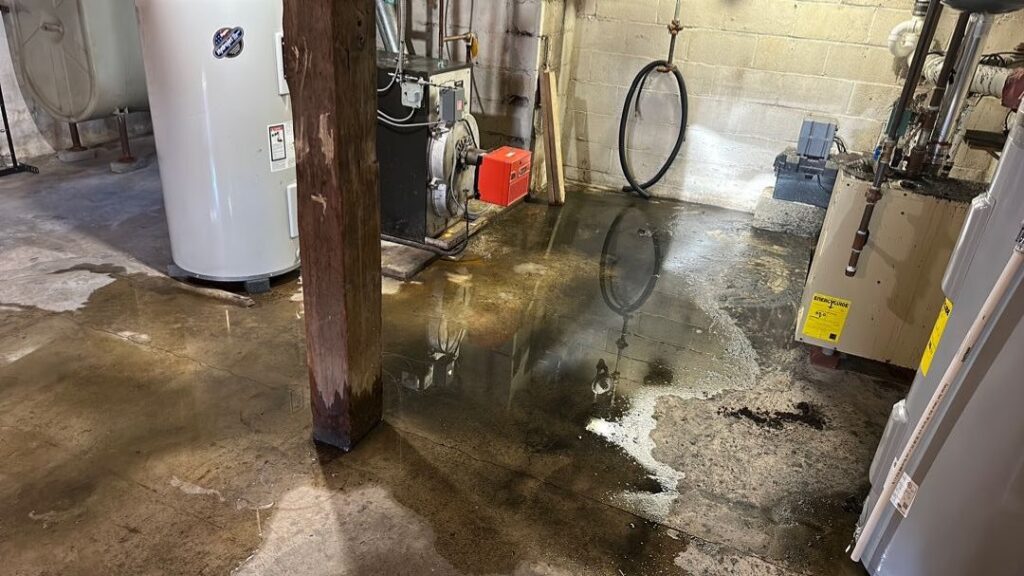
One of the biggest reasons to respond quickly to basement flooding is the risk of mold growth. Basement water removal helps reduce the moisture that mold needs, but removing standing water does not automatically mean every material is dry.
A basement that remains damp can continue to create problems even when it looks clean.
Wet Materials Can Hold Moisture
Some materials absorb water easily.
- Drywall can retain moisture after flooding.
- Carpeting and padding can remain wet beneath the surface.
- Wood can absorb water and take time to dry.
- Cardboard storage boxes can become saturated quickly.
Hidden Moisture Can Be Difficult to See
Water may remain in places that are not obvious.
- Moisture can become trapped beneath flooring.
- Wall cavities can remain damp.
- Insulation may hold water.
- Areas behind furniture can have poor airflow.
Humidity Can Stay Elevated
A flooded basement can remain humid after extraction.
- Evaporation adds moisture to the indoor air.
- Poor ventilation can slow drying.
- High humidity can keep surfaces damp.
- Dehumidification can help remove moisture from the environment.
The EPA recommends drying wet or damp materials as quickly as possible to help prevent mold growth. Addressing moisture promptly is an important part of basement water removal and restoration.
7. What Basement Materials May Need Repair or Replacement?
Not every item affected by water can simply be dried and put back into place. During basement water removal, restoration professionals evaluate materials based on the type of water, the amount of damage, how long materials remained wet, and whether they can be properly restored.
Making the right decision can prevent problems from being covered up.
Drywall
Drywall can absorb significant amounts of water.
- Wet drywall may swell or weaken.
- Water can travel upward through drywall from the floor.
- Damaged sections may need to be removed.
- Replacement may be followed by finishing and painting.
Flooring
Different flooring materials respond differently to water.
- Carpet and padding can retain substantial moisture.
- Laminate flooring may swell when exposed to water.
- Hardwood can warp or change shape.
- Subfloor materials may remain wet beneath finished flooring.
Insulation
Insulation can become difficult to dry depending on its material and condition.
- Wet insulation may hold moisture inside walls.
- Saturated materials may require removal.
- Hidden dampness can contribute to odor and mold problems.
- A professional assessment helps determine the appropriate restoration approach.
Stored Belongings
Your belongings may also need attention.
- Cardboard boxes can absorb water quickly.
- Upholstered furniture can retain moisture.
- Paper products may be difficult to restore after saturation.
- Valuable belongings should be evaluated individually.
The goal of professional basement water removal is not simply to remove water, but to determine what can be restored and what requires replacement.
8. How Can You Prevent Future Basement Water Problems?
After completing basement water removal, prevention should become part of your regular home maintenance. A few simple steps can reduce the chance of future flooding and help you catch problems earlier.
Your basement is easier to protect when you know where water tends to enter.
Maintain Gutters and Downspouts
Your roof drainage system plays an important role in protecting the foundation.
- Clean gutters regularly.
- Check downspouts for blockages.
- Direct water away from your foundation.
- Inspect the drainage system after major storms.
Maintain Your Sump Pump
A working sump pump can provide important protection.
- Test the pump regularly.
- Keep the discharge line clear.
- Consider a backup power solution.
- Have recurring pump problems professionally evaluated.
Monitor Basement Humidity
Humidity can contribute to moisture problems even without flooding.
- Use a dehumidifier when needed.
- Monitor humidity levels during humid weather.
- Watch for condensation on windows and pipes.
- Investigate persistent musty odors.
Inspect After Severe Weather
A quick inspection can help identify problems early.
- Check for standing water after heavy rain.
- Look for damp foundation walls.
- Inspect around basement windows.
- Check areas near sump pumps and floor drains.
Preventive maintenance can reduce the risk of needing emergency basement water removal in the future.
9. Why Choose PuroClean of Bloomington for Basement Water Removal?
When your basement floods, you need a restoration team that understands both the visible damage and the moisture that may remain hidden. At PuroClean of Bloomington, we provide professional basement water removal and complete water damage restoration for homeowners throughout Bloomington and surrounding communities.
Our goal is to help you move from emergency to recovery as efficiently as possible.
We Respond Quickly
Water damage can continue developing after the initial event.
- We provide emergency restoration services.
- Our team responds as quickly as possible to water-related emergencies.
- We assess the damage and establish a restoration plan.
- Clear communication helps you understand what happens next.
We Use Professional Water Extraction and Drying Equipment
Removing water requires the right tools.
- Professional extraction equipment removes standing water.
- Air movers support structural drying.
- Dehumidifiers help control moisture in the air.
- Moisture detection equipment helps identify areas that still need attention.
We Provide More Than Water Removal
A flooded basement may require additional restoration work.
- Water damage restoration
- Mold removal
- Professional moisture detection
- Reconstruction services
- Cleaning and deodorization
Having one restoration company handle multiple stages of recovery can make the process easier for you.
We Understand Local Homeowners
PuroClean of Bloomington serves the Bloomington, IL area with a focus on responsive property restoration. When your basement floods, our job is to help you understand the situation, protect your property, and move toward recovery without adding unnecessary stress.
Professional help is the smart next step when basement flooding is extensive, contaminated, or affecting hidden parts of your home.
FAQs About Basement Water Removal
How quickly should basement water be removed?
You should begin removing standing water as soon as it is safe to do so. Fast extraction and drying can reduce the amount of time building materials remain wet and help limit additional damage.
What causes water to enter a basement?
Common causes include heavy rain, foundation seepage, sump pump failure, plumbing leaks, clogged drains, poor exterior drainage, and sewer backups. Identifying the source is important so the problem can be corrected.
Can I remove basement water myself?
Small amounts of clean water may sometimes be manageable, but significant flooding, contaminated water, or water that has entered walls and flooring should be handled by trained professionals. Electrical hazards can also make flooded basements unsafe to enter.
How do I know if my basement is completely dry after flooding?
A basement can look dry while moisture remains inside drywall, flooring, insulation, or other materials. Professional moisture detection equipment can help identify damp areas that are not visible.
When should I call PuroClean of Bloomington for basement water removal?
Call when your basement has significant standing water, recurring flooding, contaminated water, hidden moisture, or damage to walls, flooring, insulation, or belongings. A professional assessment can help determine the safest restoration approach.
Final Thoughts – Remove Basement Water Before Damage Spreads
Basement water removal should never be treated as simply getting water off the floor. The three most important steps are to address the source, remove standing water quickly, and make sure hidden moisture is properly dried. Taking action early can help reduce damage to your basement, lower the risk of mold growth, and give you a clearer path toward restoring your home.
📞 Call PuroClean of Bloomington for basement water removal or water damage restoration today at (309) 433-0900, or visit our website.
Don’t let basement flooding ruin your home or belongings. Get trusted professional help today.