


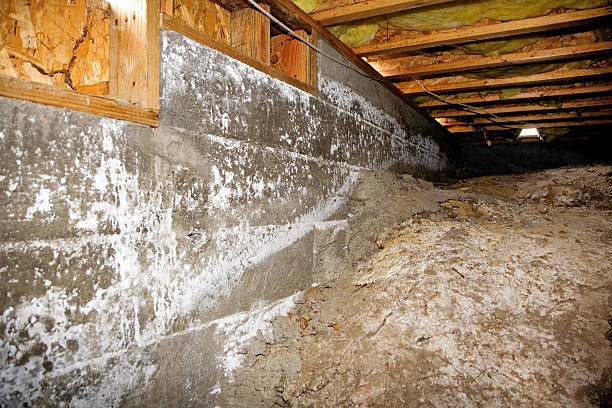
Crawl space mold removal cost in Bloomington depends on the affected area and materials, access, moisture source, containment needs, and any repairs. There is no single price for every crawl space. This guide explains five factors so you can compare written estimates. For service details, call PuroClean of Bloomington at (309) 433-0900.
Table of Contents
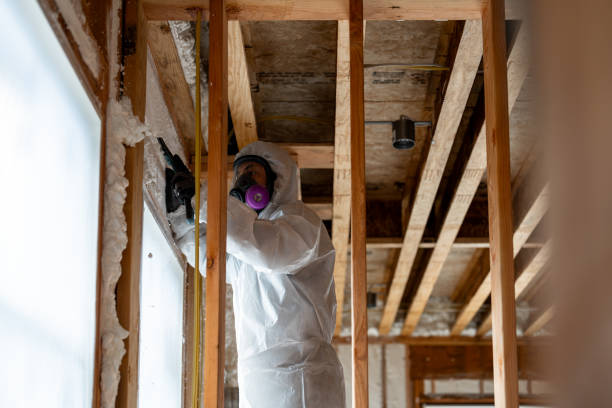
What affects crawl space mold removal cost?
A crawl-space mold estimate reflects what the assessment finds at the property, not just the size of the space. The assessor should document the visible affected area and materials, access, moisture conditions, and any damage that may need repair.
When comparing estimates, ask each provider to describe the same work: what will be cleaned or removed, how adjacent areas will be protected, whether moisture-source corrections or repairs are included, and any recommended follow-up. This makes the scope and price easier to compare.
1. Size of the affected area and materials
The amount of affected material is one part of the scope. An assessment checks where growth is visible and whether nearby wood, insulation, or other materials show moisture or damage. Different materials may need different cleaning or removal methods, so an estimate should explain what is included rather than quote one flat rate.
2. Crawl-space access and clearance
Tight entry points, low clearance, standing water, stored items, or limited room to move equipment can affect the work plan. Tell the assessor about access restrictions or known leaks before the visit. Photos can help describe the space, but they cannot replace an on-site assessment.
3. Moisture source and source-control work
Mold growth is associated with moisture, so an estimate should note the apparent source and whether source-control work is included. Possible causes can include a plumbing leak, ground moisture, drainage problems, or condensation. Plumbing, drainage, or foundation repairs may be outside a mold-cleanup scope, so ask for those items to be clearly separated.
4. Containment and cleanup scope
The proposed work methods depend on the inspection findings and the materials involved. A written scope may need to account for:
- Containment or protection of adjacent areas, when appropriate
- Cleaning versus removal of affected materials
- Air filtration or specialized equipment, if needed for the work plan
- Handling and disposal of removed materials
Ask the contractor to explain which methods are included, which materials will be cleaned or removed, and how the work area will be protected. The price should match the written scope, not just a generic mold-removal label.
5. Repairs and follow-up work
If affected insulation, vapor barrier, or wood needs repair or replacement, that work can change the total project price. Ask whether repairs are part of the mold-remediation scope or priced separately, and whether any post-remediation assessment or testing is recommended for your situation.
Questions to ask before accepting an estimate
Ask for a written scope that describes the affected areas, cleaning or removal methods, containment and equipment needs, moisture-source work, repairs, and any items excluded. Comparing estimates is more useful when each one covers the same work.
Why moisture control matters after cleanup
If excess moisture remains or returns, mold may return too. Ask what moisture conditions were found, whether correcting the source is included, and what follow-up steps are recommended. No remediation plan can guarantee that mold will never recur.
What a crawl-space assessment and work plan may cover
The assessment should explain the conditions observed and how the proposed work addresses them. The exact scope depends on the findings; a clear plan should identify:
- Visible growth, moisture signs, access limits, and affected materials
- Whether containment or protection of adjacent areas is needed
- Which materials will be cleaned, treated, or removed
- How removed materials will be handled and disposed of
- What drying or moisture-source steps are included
- Which repairs, follow-up checks, or exclusions apply
These are items to confirm in the written scope; not every crawl space needs every step.
FAQs About Crawl Space Mold Removal
- What signs suggest crawl-space mold? — Visible growth, persistent musty odor, damp wood or insulation, or recurring moisture warrant an assessment. These signs do not identify a mold type or source.
2. How long does professional crawl space mold removal take? — Timing depends on access, affected area and materials, moisture-source work, and repairs. Ask for a schedule after the crawl space has been assessed.
3. Is mold in my crawl space dangerous? — Mold exposure affects people differently. Avoid disturbing suspected growth and consult a healthcare professional about symptoms. A property assessment does not diagnose health conditions.
4. Can crawl space mold return after removal? — It can return if excess moisture remains or comes back. Ask whether the estimate addresses the moisture source and what follow-up is included; no contractor can guarantee it will never recur.
5. How much does crawl space mold removal cost? — There is no reliable flat price from a photo or general article. An estimate depends on affected area and materials, access, moisture-source work, containment and cleanup methods, and repairs. Request an on-site written estimate that separates each item.
Crawl-space mold removal in Bloomington: next steps
If you see growth or recurring moisture, avoid disturbing a large affected area and request an assessment. Ask for a written scope that separates cleanup, moisture-source work, repairs, and any recommended follow-up.
PuroClean of Bloomington offers mold removal and remediation services. For a crawl-space assessment and written estimate, call (309) 433-0900 or use the contact form.