


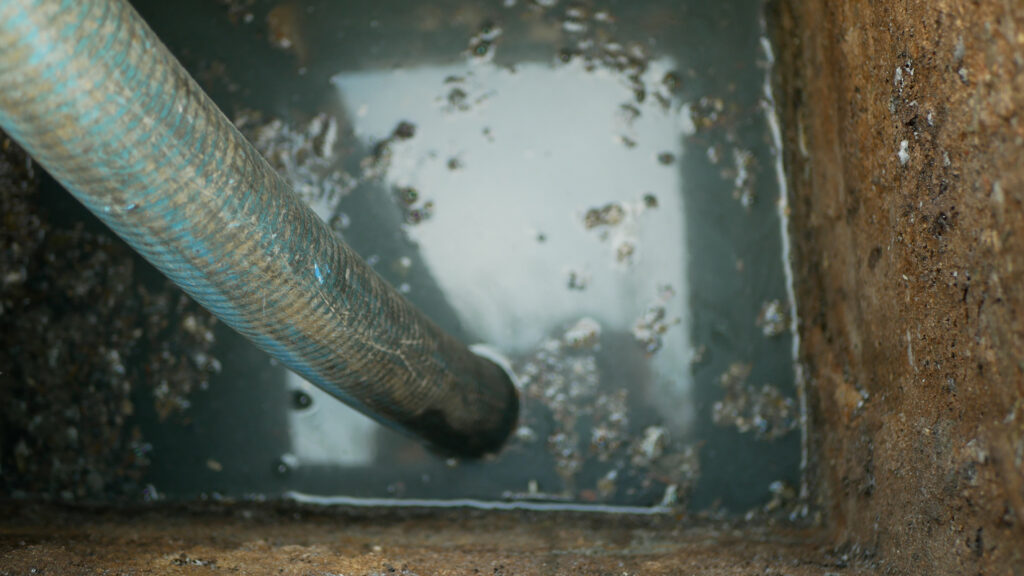
Sewage backups are one of the most unpleasant and dangerous issues homeowners can face. When sewage floods your home, it brings with it not only an overwhelming mess but also serious health risks. The water contains harmful bacteria, viruses, and other contaminants that can wreak havoc on your property and your health. While you may not be able to control every factor, understanding the causes of sewage backups can help you take preventive measures. Here are the seven most common causes of sewage backups in Bloomington homes and tips to avoid them.
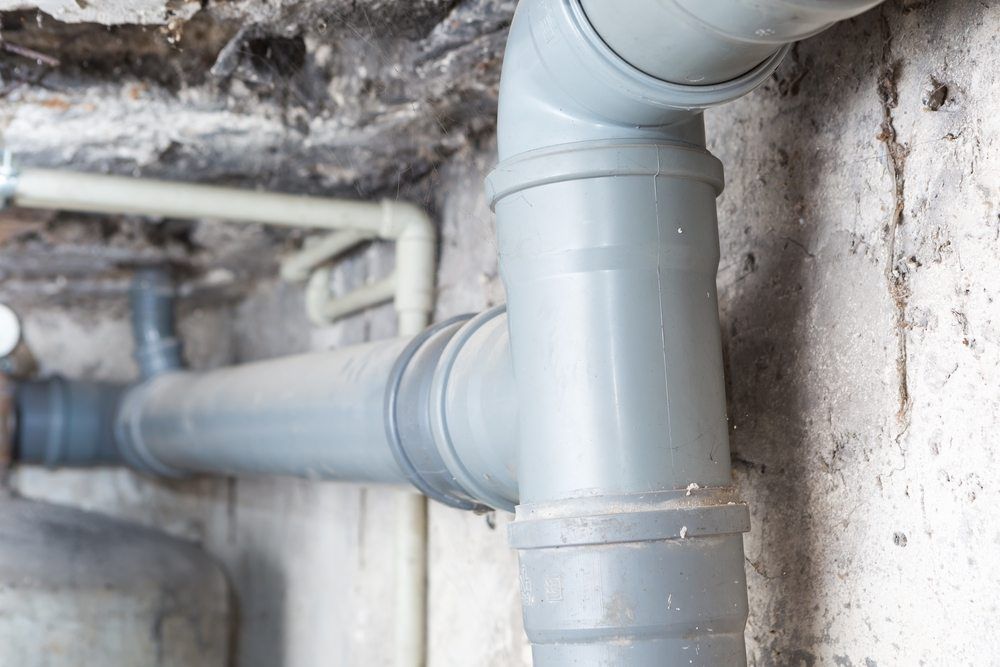
Table of Contents
1. Clogs in the Sewer Line – One of the Major Causes of Sewage Backups
A clog is one of the most common causes of sewage backups. Clogs can occur in your home’s drain pipes or the main sewer line. If only one toilet or drain creates a backup, it’s likely a local issue, such as a clog in that particular drain. However, if multiple fixtures are backing up—like all your toilets or bathtubs—you may be dealing with a clog in your main sewer line. These clogs can be caused by debris like hair, grease, or solid materials that shouldn’t be flushed down the drain.
2. Tree Roots – Unseen Threats to Your Sewer Line
Tree roots are one of the unsuspected causes of sewage backups. They can infiltrate sewer lines in search of water, causing serious damage to the pipes. If tree roots find their way into your sewer line, they can create cracks, holes, or blockages, making it impossible for sewage to flow properly. Even if you don’t have trees directly in your yard, roots from nearby trees can grow into your pipes.
3. Damaged Sewer Lines – Aging Pipes Lead to Problems
Older homes are particularly vulnerable to damaged sewer lines. In the past, sewer pipes were made of cast iron or clay, materials that deteriorate over time. As pipes crack or break, sewage can leak into the surrounding soil or cause backups into your home. Modern plastic pipes are more durable and less prone to this issue, but older systems remain a risk in many homes.
4. Heavy Rainfall – Sewer Systems Can’t Always Keep Up
When there is an excessive amount of rain, it can overwhelm the public sewer system in your city. If the local sewer lines become overloaded, floodwater can back up into your home through the connected pipes. Rainfall has been seen to be one of the major causes of sewage backups in Bloomington. This is especially true in areas with poor drainage systems or aging infrastructure. If your basement or ground level is vulnerable to water damage, heavy rainfall can quickly lead to a sewage backup.
5. Flushing Non-Flushable Items – A Preventable Issue
It might seem harmless to flush things like paper towels, feminine products, or baby wipes down the toilet, but these items don’t break down as easily as toilet paper. They can quickly cause clogs in your home’s pipes or the main sewer line, leading to backups. To avoid this problem, dispose of these items in the trash, not the toilet, as they contribute to one of the silent causes of sewage backups.
6. Poor Pipe Maintenance – Preventive Measures Matter
Sewer lines and drains need regular maintenance to ensure they function properly. Failure to clean your pipes, especially in older homes, can lead to debris build-up and eventual blockages. Preventive pipe maintenance, like using a drain snake to clear out buildup, can save you from costly and unpleasant sewage backups.
7. Improper Installation – Sewer System Setups Matter
In some cases, sewage backups are caused by improper installation of plumbing or sewer systems. If your system was not correctly designed or installed, it might be more susceptible to clogs or other issues. Poorly installed pipes can also create weak spots in the system that may collapse over time. This is one of the causes of sewage backups that should not be ignored.
How to Prevent Most Causes Of Sewage Backups
Preventing a sewage backup is far easier than dealing with the aftermath. Here are a few simple steps you can take:
- Dispose of grease properly: Never pour grease or fat down the drain. Dispose of it in the trash once it has cooled.
- Be mindful of what you flush: Only flush toilet paper and waste. Throw other paper products and non-flushables in the trash.
- Install a backwater prevention valve: This will help prevent sewage from flowing back into your home during storms or other issues.
- Maintain your pipes: Have your sewer line and drains inspected and cleaned regularly to prevent blockages.
- Trim tree roots: If you have trees near your sewer line, regularly trim the roots or consider replacing old pipes with plastic ones.
FAQs About Causes of Sewage Backups
1. Can I prevent a sewage backup in my home?
Yes, regular pipe maintenance, responsible waste disposal, and installing backwater prevention valves can help prevent sewage backups.
2. What should I do if there’s a sewage backup in my home?
Contact a professional restoration company immediately. Sewage is hazardous and requires specialized cleanup to prevent health risks.
3. How do tree roots cause sewage backups?
Tree roots can infiltrate your sewer line in search of water, causing blockages, cracks, or pipe damage that leads to backups.
4. Is it safe to handle sewage backups myself?
No, sewage is considered black water and is contaminated with harmful bacteria and viruses. Always call a professional for cleanup and restoration services.
5. Can heavy rainfall cause a sewage backup?
Yes, excessive rainfall can overwhelm your city’s sewer system, leading to backups in connected sewer lines that affect your home.
Why Choose PuroClean of Bloomington for Sewage Backup Cleanup?
Sewage backups are serious issues that require prompt and professional attention. At PuroClean of Bloomington, we specialize in sewage cleanup, water damage restoration, and mold remediation. Our expert team is equipped to handle the worst sewage emergencies, ensuring your home is restored to its original condition quickly and safely.