


When water, fire, mold, or another property emergency disrupts your business, every hour can affect your employees, customers, inventory, and revenue. Commercial restoration helps Bloomington businesses respond quickly, limit additional damage, and begin getting operations back on track. PuroClean of Bloomington provides restoration services for commercial properties when an emergency can’t wait.
1. What Should Your Business Do Immediately After Property Damage?
Your first response can influence how quickly your business recovers.
Whether a pipe bursts overnight, a storm damages your building, or a fire forces you to close part of your facility, focus first on safety and preventing additional damage.
Your first steps should include:
- Protect your employees and customers: Keep everyone away from unsafe areas and follow appropriate emergency procedures.
- Stop the source when possible: If a plumbing failure caused water damage, shut off the water if it is safe to do so.
- Protect important property: Move equipment, inventory, documents, and other valuable items away from affected areas when it can be done safely.
- Document the damage: Take photos and videos of affected areas and property.
- Contact a restoration professional: Significant damage may require specialized equipment and immediate mitigation.
Don’t wait until regular business hours if your property has suffered a major emergency.
Fast action can help prevent a manageable problem from affecting additional areas of your building.
2. Why Is Fast Commercial Restoration Important for Business Continuity?
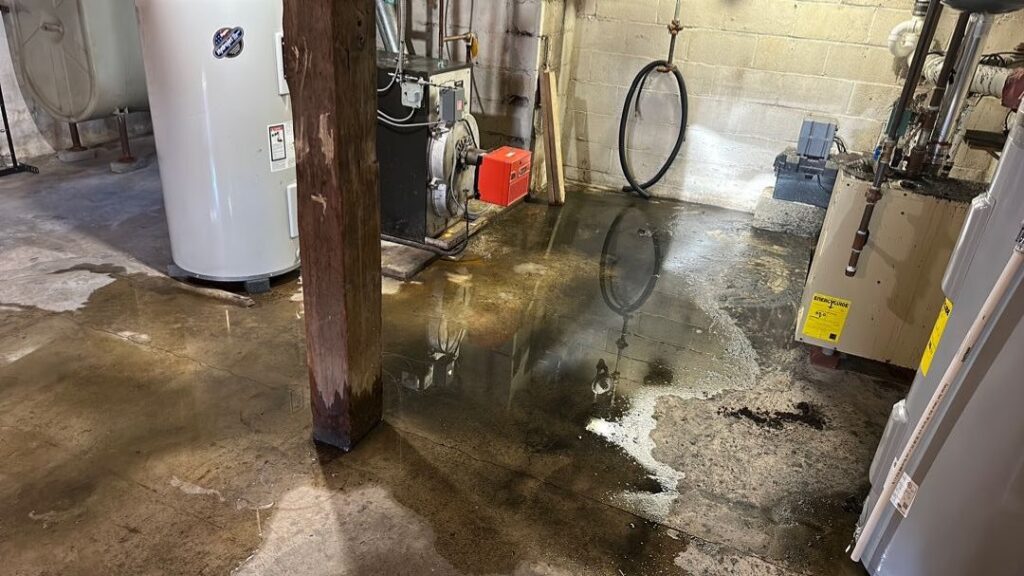
A damaged commercial property can create problems beyond the physical damage itself.
A flooded office may leave employees without a workspace. A damaged retail location may be unable to serve customers. Water or fire damage can also affect inventory, equipment, records, and essential systems.
That makes speed an important part of the recovery process.
Professional commercial restoration can help businesses:
- Limit additional damage: Quick mitigation can prevent water, smoke, or other damage from spreading.
- Identify affected areas: Professional assessments can reveal damage that isn’t immediately visible.
- Begin cleanup sooner: Extraction, drying, cleaning, and other restoration work can start quickly.
- Protect business property: Appropriate restoration methods can help preserve affected contents and materials.
- Move toward reopening: Addressing the damage quickly can help reduce unnecessary delays.
The objective isn’t simply to clean up the mess. It’s to help your business move through the disruption and toward normal operations.
3. Step 1: Contact Your Restoration Team Immediately
When property damage happens, don’t spend hours trying to determine whether the problem will resolve on its own.
A small leak can spread through flooring and walls. Smoke can affect areas beyond the room where a fire occurred. Storm damage can leave openings that allow additional water into the building.
Contacting a professional restoration company early gives you an opportunity to begin mitigation before the damage becomes more extensive.
When you call, provide as much information as possible:
- Type of emergency: Explain whether you’re dealing with water, fire, smoke, mold, storm damage, or another problem.
- Location: Identify which part of the commercial property has been affected.
- Extent of visible damage: Mention standing water, smoke damage, damaged ceilings, or other obvious issues.
- Safety concerns: Tell the restoration team about electrical hazards, structural concerns, or restricted areas.
- Business impact: Explain whether employees or customers can safely access the building.
If your Bloomington business has experienced property damage, call PuroClean of Bloomington at (309) 433-0900 for a fast response.
4. Step 2: Identify What Your Business Needs to Keep Operating
Not every damaged area has the same impact on your business.
A flooded storage room may be inconvenient, while damage to your main office, server room, production area, or customer-facing space could bring operations to a halt.
Identify your most critical areas and communicate their importance to your restoration team.
Consider:
Essential Equipment
Which equipment is necessary for your employees to continue working?
Inventory
Are products, supplies, or materials exposed to water, smoke, or other damage?
Customer Areas
Can customers safely enter and move through the property?
Employee Workspaces
Do employees have safe access to the areas they need to perform their jobs?
Critical Records
Are paper documents, files, or other important business records at risk?
Knowing what matters most can help you prioritize your recovery efforts.
5. Step 3: Prevent Secondary Damage
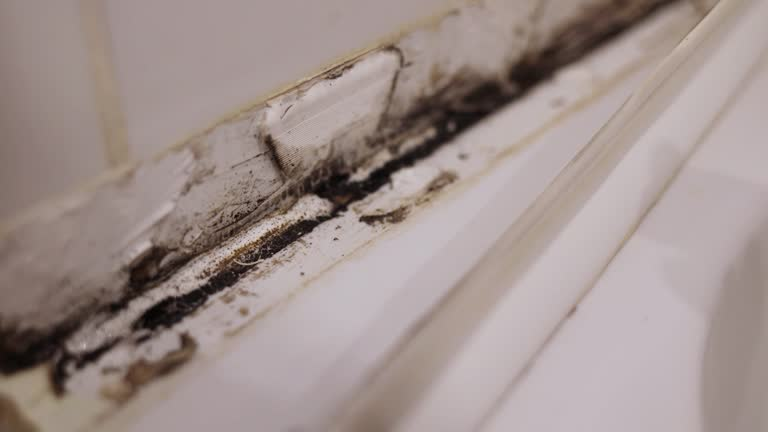
The initial damage may not be the only problem your business faces.
Water that isn’t removed promptly can continue affecting building materials. A damaged roof can allow additional rain into the building. Smoke residues can remain on surfaces after a fire has been extinguished.
Your restoration plan should address the immediate source and the possibility of additional damage.
Depending on the emergency, mitigation may include:
- Water extraction: Removing standing water from affected areas.
- Structural drying: Addressing moisture inside building materials.
- Temporary protection: Securing areas affected by storm or fire damage.
- Cleaning: Removing affected residues, debris, or contaminants.
- Moisture monitoring: Checking affected materials during the drying process.
This is particularly important for commercial properties because secondary damage can extend the amount of time your business remains disrupted.
6. Step 4: Work With Your Insurance Company and Restoration Team
Property damage can involve complicated insurance questions, especially for commercial properties.
Your insurance policy determines what types of losses and expenses may be covered. Your restoration company focuses on assessing, mitigating, cleaning, and restoring the physical damage.
Keep communication organized between everyone involved.
Document the Damage
Take photos and videos when it is safe to do so.
Keep Records
Save invoices, receipts, reports, and other documentation related to the emergency.
Ask Your Insurer Questions
Ask what documentation they need and what steps you should follow for your claim.
Communicate Business Needs
Tell your restoration team which areas are most critical to your operations.
Clear communication can help everyone understand what needs immediate attention.
7. Step 5: Build a Recovery Plan Instead of Waiting for the Damage to Get Worse
Once the immediate emergency is under control, your business needs a path forward.
Commercial restoration may involve more than emergency cleanup. Depending on the extent of the damage, your property may need repairs, reconstruction, or replacement of damaged materials.
A recovery plan can help you understand:
- What areas were affected.
- Which materials can be restored.
- Which materials require replacement.
- What repairs are needed.
- What areas need additional drying or monitoring.
- What work must be completed before normal operations can resume.
Why Does Planning Matter?
Without a clear plan, businesses can lose time trying to coordinate different parts of the recovery process.
A professional restoration company can help identify the work that needs to happen and establish the next steps for returning the affected areas to usable condition.
8. How Can Bloomington Businesses Prepare for Future Emergencies?
You can’t predict every property emergency, but you can prepare for one.
A basic emergency plan can help employees respond more quickly when something goes wrong.
Your plan should include:
- Emergency contacts: Keep your restoration company’s information readily available.
- Water shutoff locations: Make sure key employees know where shutoff valves are located.
- Fire safety procedures: Review evacuation routes and emergency procedures regularly.
- Critical equipment information: Know which systems need special attention during an emergency.
- Important documents: Maintain accessible copies of insurance and property information.
- Backup plans: Consider how your business will operate if your primary workspace becomes temporarily unavailable.
Preparation can make the first few hours of an emergency less chaotic.
9. What Types of Emergencies Can Commercial Restoration Address?
Commercial properties can experience many different types of damage, and each situation requires a different response.
Professional commercial restoration may be needed after:
- Water damage from plumbing failures, appliances, or flooding.
- Storm damage affecting roofs, windows, or building interiors.
- Fire and smoke damage.
- Mold or moisture problems.
- Sewage or other biohazard incidents.
- Damage requiring reconstruction after mitigation.
The right response depends on the source and extent of the damage.
A professional assessment can help determine what needs to happen first and what restoration work is necessary afterward.
Homeowners should read up on How to Prevent Basement Water Damage in Normal During Bloomington’s November Rains
FAQs About Commercial Restoration
What is commercial restoration?
Commercial restoration is the process of responding to and repairing damage affecting a business property. Depending on the situation, it can include water removal, drying, cleaning, fire and smoke restoration, mold remediation, reconstruction, and other recovery services.
How quickly should a business call a commercial restoration company?
You should contact a restoration professional as soon as possible after significant property damage. Early mitigation can help limit additional damage and allow cleanup and restoration to begin sooner.
Can commercial restoration help reduce business downtime?
Fast mitigation can help limit the spread of damage and begin the recovery process sooner. The actual downtime depends on the type and extent of damage, the affected areas, and the repairs required.
What should I do if my business floods after hours?
Prioritize employee safety, stop the water source if it is safe, keep people away from electrical hazards, document the damage, and contact an emergency restoration company if significant water has entered the property.
Does PuroClean of Bloomington provide commercial restoration services?
PuroClean of Bloomington provides restoration services for commercial properties, including responses to water, fire and smoke, mold, biohazard, and other property damage emergencies.
Final Thoughts – Keep Your Business Moving After Property Damage
A property emergency doesn’t have to mean your business stops for longer than necessary. Acting quickly, protecting people and property, preventing additional damage, communicating with your insurance provider, and developing a clear recovery plan can help your business move toward reopening.
If your Bloomington business has experienced water, fire, smoke, mold, or other property damage, don’t wait to begin the recovery process.
📞 Call PuroClean of Bloomington for commercial restoration today at (309) 433-0900, or visit our website.
Don’t let property damage keep your business down, get professional restoration help today.