


Crawl space mold removal may be appropriate when a qualified professional confirms mold growth, but signs such as a persistent musty odor, visible discoloration, damp insulation, condensation, or standing water can point to a moisture problem under a home. No single sign confirms the cause or full extent. This guide covers five checks you can make safely, why moisture matters, and next steps for Bloomington-area homeowners. For service details, see PuroClean of Bloomington’s mold removal services.
5 crawl space mold signs to check from a safe place
Check only from a safe, accessible area. Do not enter a crawl space with standing water, exposed wiring, unstable flooring, sewage, or other hazards. Signs that deserve attention include:
- A persistent earthy or musty odor near the floor or crawl-space access.
- Visible spots or fuzzy growth on wood, insulation, stored materials, or the underside of flooring.
- Standing water, damp soil, condensation on pipes, or insulation that feels wet or looks compressed.
- Water stains, peeling or discolored material, or a damaged ground cover.
- Soft, uneven, or sagging flooring. This can have several causes; it needs a qualified building professional’s assessment and does not by itself prove mold is present.
A musty smell or a change in how someone feels at home cannot diagnose mold or identify where it is coming from. People’s responses to mold exposure vary. If you have health symptoms, ask a medical professional; if you see moisture or suspect growth, investigate the building conditions.
Why moisture matters
Mold needs moisture to grow. In crawl spaces, water can come from plumbing leaks, rainwater draining toward the foundation, groundwater, humid air condensing on cool surfaces, or moisture moving up from exposed soil. Crawl space mold removal addresses affected materials, while controlling the moisture source helps reduce the conditions that allow growth to return. The U.S. Environmental Protection Agency identifies moisture control as the key to controlling indoor mold and recommends fixing water problems and drying damp materials promptly.
For practical background, see the EPA’s guidance on controlling moisture in a home and cleaning up mold and fixing the water problem. The right repair depends on where the water is coming from and how the crawl space is built; ventilation and ground-cover decisions should suit the building and local conditions.
Questions to ask before crawl space remediation
Before agreeing to work, ask the provider to show you the affected areas and explain what observations support the proposed scope. Ask which materials will be cleaned, removed, or replaced; how nearby areas will be protected; what moisture source needs repair; and whether that work is included or requires another qualified trade. Request a written scope that lists cleanup methods, drying, follow-up, timing, and exclusions. For larger areas or extensive water damage, EPA advises consulting a qualified professional and checking the provider’s mold-cleanup experience and references. A photo, color, or musty odor alone cannot identify a mold species or establish the full extent of moisture damage.
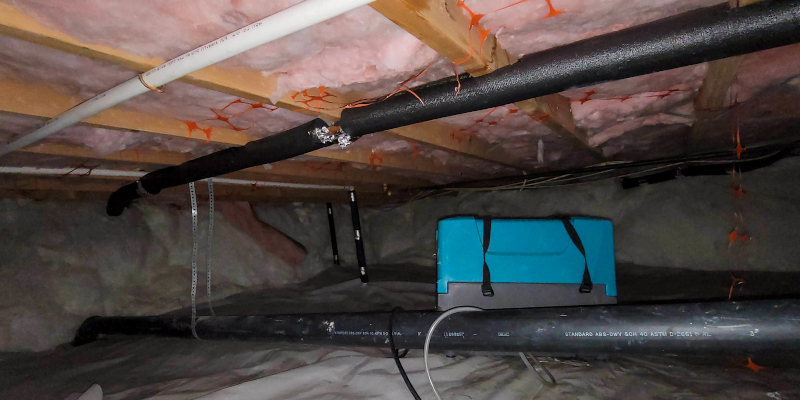
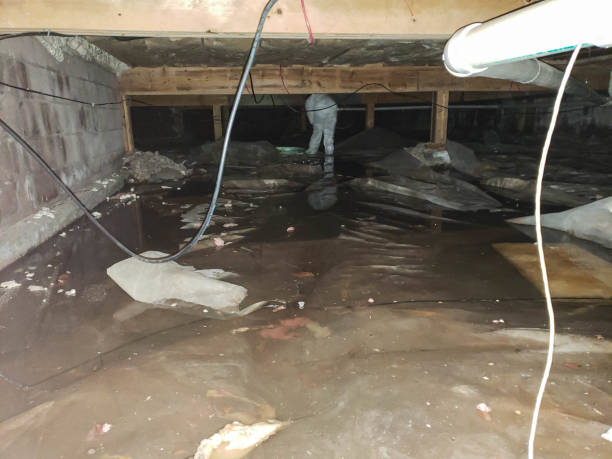
The images below show different crawl-space conditions and drying equipment. A photo can point to an area worth checking, but it cannot confirm the cause or full extent of moisture damage.

What to do if you find dampness or visible growth
- Keep people away from unsafe areas. Do not walk through standing water or disturb suspected growth, insulation, or damaged building materials.
- Note what you can see safely. Take a photo from the access opening, if possible, and record when the odor, leak, or dampness began.
- Look for the moisture source. A plumbing leak, drainage issue, or recent water event may need repair by the relevant qualified trade. Removing visible growth without correcting ongoing moisture can allow the problem to return.
- Get help when the area is extensive, hard to reach, or water is contaminated. Ask what materials are affected, how the moisture source will be addressed, what work is included, and what is outside the scope.
When crawl space mold removal may be needed
Consider professional assessment when suspected growth covers a large area, keeps returning, is inside an inaccessible crawl space, or follows a significant leak or water intrusion. If mold is confirmed, crawl space mold removal should account for the affected materials, access, moisture source, and building conditions. Ask for an explanation of the recommended work before it begins.
See the local mold removal service page for Bloomington, or contact PuroClean of Bloomington to describe what you have noticed. The team can explain whether its services fit your situation and what information is needed to discuss next steps; timing, inspection terms, and project scope depend on the specific job.
Crawl Space Mold Removal FAQs
Does a musty smell mean there is mold in the crawl space?
A musty odor can indicate a moisture or mold concern, but it does not confirm the source. Check for visible moisture from a safe location and have the space assessed if the odor persists or you find damp materials.
Can crawl space mold cause health symptoms?
Some people can have allergic or respiratory reactions to mold, while others may not. Symptoms alone cannot show whether mold is present or what caused them. Consult a healthcare professional about symptoms; address building moisture separately.
Can I remove crawl space mold myself?
DIY crawl space mold removal is not appropriate for every situation. The right response depends on the amount of suspected growth, materials, access, and moisture source. Avoid disturbing large areas or entering an unsafe space. EPA guidance says to fix the water problem and clean mold promptly; if growth or water damage is extensive, or the water is not clean, consult a professional.
Will homeowners insurance cover crawl space mold removal?
Coverage depends on the policy, the cause of the moisture, and the circumstances. Contact your insurer, document the damage, and review your policy before assuming a repair is covered.
How long does crawl space mold removal take?
Crawl space mold removal does not follow one set timeline. The affected area, materials, access, drying needs, and moisture repairs all influence the schedule. Ask the provider for a job-specific scope and timing before work begins.
Talk with PuroClean of Bloomington
If you have seen moisture or suspected mold in a crawl space, call (309) 433-0900 or contact PuroClean of Bloomington. Share what you observed and when it started. You can also review the local mold removal service details before deciding on next steps.