


Crawlspace mold can develop quietly, often growing where you cannot easily see it. Excess humidity, plumbing leaks, groundwater, condensation, and poor ventilation can create the damp conditions mold needs, and the problem can spread before you realize what is happening. If you notice a musty odor, visible growth, or signs of moisture in your crawlspace, taking action quickly can help prevent the problem from becoming more extensive.
For homeowners in Bloomington, Normal, and surrounding McLean County communities, the first steps should focus on identifying the moisture source, limiting exposure, and determining how extensive the problem actually is. This guide explains seven critical actions to take when you suspect crawlspace mold, including what to check, what not to disturb, when professional remediation is needed, and how to prevent the problem from returning.
Why Does Crawlspace Mold Develop?
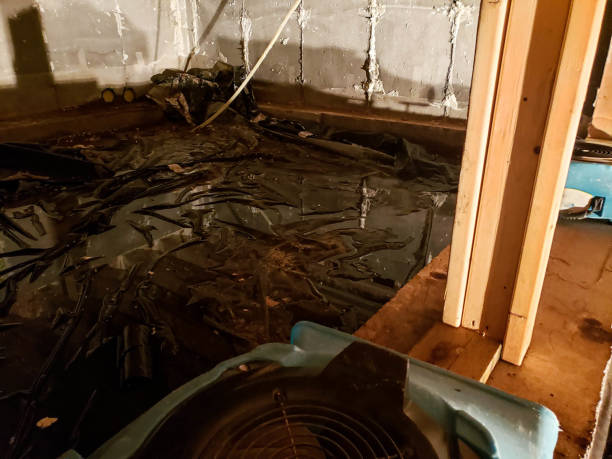
Crawlspaces can provide many of the conditions mold needs to grow. They are often dark, enclosed areas where moisture can remain unnoticed for long periods.
Mold growth becomes more likely when moisture problems are not addressed.
Common causes include:
- High humidity: Excess moisture in the air can create conditions that support mold growth.
- Plumbing leaks: A leaking pipe or fixture can continuously introduce moisture into the crawlspace.
- Groundwater: Water can enter through the foundation or crawlspace floor after heavy rainfall.
- Condensation: Warm, humid air can create condensation on cooler pipes, ducts, and surfaces.
- Poor drainage: Gutters, downspouts, and grading problems can direct water toward the foundation.
- Poor ventilation: Limited airflow can allow moisture to remain trapped.
The important point is that mold is usually a moisture problem first. Cleaning visible growth without correcting the moisture source can allow the problem to return.
1. Do Not Ignore the First Signs of Crawlspace Mold
Mold does not always announce itself with obvious patches of black, green, or white growth. In many cases, your first clue may be a smell or a change in the condition of materials.
A musty odor coming from a crawlspace deserves attention, especially if you notice it inside your home.
Look for signs such as:
- Musty or earthy odors.
- Discoloration on wood framing.
- Fuzzy or powdery growth on surfaces.
- Damp insulation.
- Condensation on pipes or ductwork.
- Water stains or standing water.
- Excessively damp soil or flooring.
- Wood that appears stained, softened, or deteriorated.
You may not be able to see everything from the crawlspace entrance. Mold can grow in corners, behind insulation, beneath materials, or on surfaces that are difficult to inspect.
Do not wait for the problem to become obvious throughout your home before investigating it. A crawlspace problem can affect the conditions above it, particularly when moisture remains unresolved.
2. Find the Moisture Source Before Trying to Clean the Mold

One of the most important steps in addressing crawlspace mold is determining why the crawlspace became damp.
Simply removing visible mold without fixing the moisture problem can lead to recurring growth.
Start by looking for possible sources of moisture.
Check for Plumbing Leaks
Inspect accessible plumbing lines for dripping, staining, or condensation. Even a small leak can keep an enclosed area damp over time.
Look for Groundwater
After heavy rainfall, check whether water is entering through the foundation or collecting on the crawlspace floor.
Inspect Gutters and Downspouts
Water should be directed away from the foundation. Damaged gutters or downspouts that discharge too close to the house can contribute to crawlspace moisture.
Check for Condensation
Cold pipes, ductwork, and other surfaces can collect condensation when warm, humid air reaches them.
Consider Humidity
A crawlspace can remain damp even without visible standing water. Persistent humidity can create an environment where mold continues to grow.
Finding the source helps you address the underlying problem rather than repeatedly treating the symptom.
3. Limit Exposure and Avoid Disturbing Suspected Mold
If you discover mold in your crawlspace, your first instinct may be to scrub it away. That is not always the best approach.
Disturbing moldy materials can spread particles into the surrounding area. Crawlspaces can also contain other hazards, including contaminated water, deteriorating materials, insects, rodents, and poor air quality.
If you suspect extensive mold growth:
- Avoid unnecessary entry into the crawlspace.
- Do not scrape or aggressively brush large areas of suspected mold.
- Keep children and pets away from the affected area.
- Do not move moldy insulation or other materials through living spaces.
- Avoid using fans that could spread particles before the situation has been assessed.
If you need to inspect the area, protect yourself appropriately and avoid entering if there are electrical, structural, sewage, or other serious hazards.
A professional assessment can help determine the extent of the problem and the appropriate way to address it.
4. Check Whether Moisture Has Reached the Rest of Your Home
Your crawlspace is connected to the rest of your property. Moisture problems underneath the home can affect conditions above it.
That does not mean crawlspace mold automatically means you have mold throughout your house. It does mean you should pay attention to signs of moisture inside the living space.
Check areas such as:
- Floors directly above the crawlspace.
- Baseboards and lower walls.
- HVAC areas and ductwork.
- Flooring that feels unusually damp.
- Rooms with persistent musty odors.
- Areas where plumbing enters or passes through the floor.
A musty smell inside your home may have multiple possible causes. If you suspect it is coming from the crawlspace, identifying the source is important before attempting to mask the odor.
Moisture detection can also help identify areas that look normal but may have elevated moisture levels.
If you’re already seeing signs of crawlspace mold, call PuroClean of Bloomington at (309) 433-0900 for professional assessment and restoration support.
5. Do Not Assume Every Dark Spot Is Mold
Crawlspaces can contain staining, dirt, discoloration, and other substances that may look similar to mold. A dark spot on wood does not automatically tell you what caused it.
This is one reason homeowners should avoid making major decisions based solely on appearance.
A professional inspection can help determine:
- Where visible growth is located.
- Whether moisture is currently present.
- Which materials appear affected.
- Whether the problem extends beyond the visible area.
- What conditions may be contributing to the growth.
The goal is to understand the actual condition of the crawlspace before deciding what needs to be removed, cleaned, dried, or repaired.
If mold is confirmed, the appropriate remediation approach depends on factors such as the amount of growth, the materials involved, and the source of moisture.
6. Address Damaged or Mold-Affected Materials Properly
Mold can grow on a variety of materials when moisture conditions are favorable. In a crawlspace, that may include wood framing, insulation, cardboard storage containers, flooring materials, and other porous surfaces.
Not every material can be treated in the same way.
For example, heavily affected porous materials may need to be removed rather than simply wiped down. Other materials may be candidates for professional cleaning or remediation depending on their condition.
A proper crawlspace mold response may involve:
- Removing materials that cannot be effectively restored.
- Cleaning affected surfaces using appropriate methods.
- Addressing moisture and humidity problems.
- Drying damp areas.
- Using appropriate containment when necessary.
- Cleaning the affected area after remediation work.
Avoid simply painting over visible mold. Paint can hide the appearance without solving the underlying moisture problem.
Likewise, spraying a household product onto visible growth does not necessarily mean the affected material has been properly remediated.
The objective is to address the mold and the conditions that allowed it to develop.
7. Create a Plan to Prevent Crawlspace Mold From Returning
Removing existing mold is only part of the solution. If the crawlspace remains damp, the same conditions can contribute to future growth.
Once the immediate problem has been addressed, focus on moisture control.
Important prevention steps include:
- Keep water away from the foundation: Make sure gutters and downspouts direct water away from the home.
- Address plumbing leaks quickly: Do not allow small leaks to become long-term moisture sources.
- Monitor humidity: Persistent high humidity can create conditions favorable to mold.
- Improve moisture control: Depending on the crawlspace, this may involve drainage improvements, vapor barriers, dehumidification, or other measures.
- Inspect after heavy rain: Look for signs of water entry before a small problem becomes a larger one.
- Keep the crawlspace clear: Avoid storing cardboard and other moisture-sensitive materials directly in a damp crawlspace.
The best way to prevent recurring mold is to control the moisture that allows it to grow.
Can Crawlspace Mold Affect Your Home?

Crawlspace mold is often treated as an isolated problem because it develops underneath the living space. However, the conditions that support mold can also affect the environment above the crawlspace.
Air movement between a crawlspace and the rest of a home can vary depending on the home’s construction and ventilation. Moisture can also affect floors, insulation, framing, and other building materials.
If you notice a musty odor inside the house, it is worth determining where the odor originates.
You should pay particular attention when:
- The odor becomes stronger after rain.
- Flooring above the crawlspace feels damp.
- You see staining on lower walls or floors.
- The crawlspace has persistent condensation.
- You have recurring moisture problems.
- Visible mold is present on structural materials.
Do not assume that a crawlspace issue will remain limited to the crawlspace. Investigating the source early can help prevent a larger moisture problem.
What Should You Do If Your Crawlspace Floods?
A flooded crawlspace requires attention even if you rarely use the area.
Water that remains underneath your home can soak into insulation, wood, flooring systems, and other materials. It can also increase humidity and create conditions favorable to mold growth.
If your crawlspace floods:
- Stay out if there are safety hazards. Electrical equipment, contaminated water, structural concerns, and other hazards can make entry dangerous.
- Identify the source if possible. Determine whether the water came from plumbing, groundwater, drainage, or another source.
- Remove standing water promptly. Significant flooding may require professional extraction equipment.
- Dry affected materials. Removing visible water is not enough if insulation, framing, or other materials remain damp.
- Check for hidden moisture. Moisture can remain in materials even after standing water disappears.
- Watch for mold growth. Persistent dampness increases the risk of mold developing.
- Address the underlying moisture problem. Otherwise, the crawlspace may flood or remain damp again.
A flooded crawlspace should not simply be left to dry on its own if substantial water has entered the area.
How to Prevent Basement Water Damage in Normal During Bloomington’s November Rains
When Should You Call a Professional for Crawlspace Mold?
Some homeowners may be able to address a very small area of surface mold under appropriate conditions. Larger or recurring problems are different.
Professional help becomes particularly important when you cannot determine the source of moisture, the affected area is extensive, or the crawlspace contains materials that may require specialized cleaning or removal.
Consider professional assessment when:
- You see extensive mold growth.
- Mold keeps returning after cleaning.
- The crawlspace has persistent moisture.
- There has been flooding or a significant water leak.
- You notice mold on structural wood.
- Insulation is wet or visibly affected.
- There is a strong musty odor throughout the home.
- You suspect moisture is affecting areas above the crawlspace.
- You are unsure how extensive the problem is.
A professional can help determine the scope of the problem and recommend the appropriate next steps.
At PuroClean of Bloomington, our restoration professionals can assess moisture-related damage, address affected areas, and help homeowners understand what needs to happen next.
How PuroClean of Bloomington Can Help With Crawlspace Mold
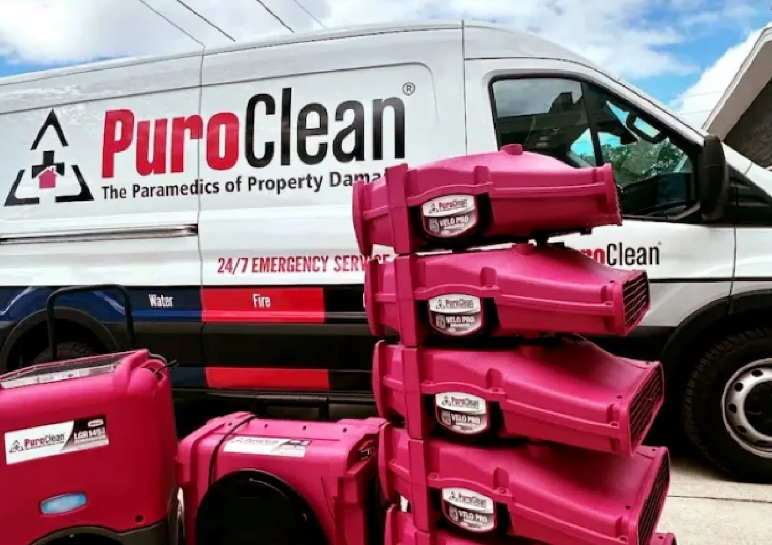
Crawlspace mold requires more than simply treating what you can see. The moisture conditions that allowed it to develop need to be considered as part of the overall solution.
PuroClean of Bloomington approaches mold-related problems by looking at the affected area and the conditions contributing to the damage.
Depending on the situation, professional mold remediation may involve:
- Inspecting the affected area.
- Identifying moisture sources.
- Containing affected areas when appropriate.
- Removing materials that cannot be restored.
- Cleaning and treating affected surfaces.
- Using professional air filtration and cleaning equipment when needed.
- Addressing moisture conditions contributing to the problem.
- Restoring affected areas after remediation.
If your crawlspace has visible mold, persistent moisture, or a musty odor that you cannot explain, professional assessment can help you determine what you are actually dealing with.
FAQs About Crawlspace Mold
What causes mold to grow in a crawlspace?
Crawlspace mold is commonly associated with moisture. Plumbing leaks, groundwater, condensation, high humidity, drainage problems, and other sources of persistent moisture can create conditions that support mold growth.
How do I know if I have mold in my crawlspace?
Visible growth and musty odors are common warning signs, but mold may also be hidden behind insulation or in difficult-to-see areas. A professional inspection can help determine whether mold and moisture are present.
Can I clean crawlspace mold myself?
Small areas may sometimes be manageable, but extensive mold growth, recurring moisture, contaminated water, affected insulation, or mold involving large areas should be professionally assessed. Disturbing extensive mold can also spread particles to other areas.
How do I prevent crawlspace mold from coming back?
The most important step is controlling moisture. Address leaks, improve drainage, direct gutters and downspouts away from the foundation, monitor humidity, and address other conditions that allow the crawlspace to remain damp.
Does PuroClean of Bloomington remove crawlspace mold?
PuroClean of Bloomington provides professional mold remediation and restoration services. The appropriate approach depends on the extent of the mold, affected materials, moisture conditions, and the specific needs of the property.
Final Thoughts: Stop Crawlspace Mold Before It Becomes a Bigger Problem
Crawlspace mold should not be ignored, especially when you also notice moisture, musty odors, flooding, or visible growth. The most important actions are to identify the moisture source, avoid disturbing extensive mold, assess whether the problem has affected other areas, properly address affected materials, and prevent the moisture conditions from returning.
For homeowners in Bloomington, Normal, and surrounding communities, PuroClean of Bloomington can help assess mold and moisture problems and determine the appropriate restoration steps.
📞 Call PuroClean of Bloomington at (309) 433-0900 for professional help with crawlspace mold, moisture damage, and mold remediation.
Don’t wait for a small crawlspace problem to become a larger problem throughout your home.