


If you’re living in one of Bloomington’s charming older homes, chances are you’ve dealt with your fair share of maintenance issues. One common and frustrating problem is drywall damage caused by water leaks. The good news? With the right approach, a DIY repair of water-damaged drywall in Bloomington homes can absolutely be done—and done well.
Let’s walk through what you should know before you pull out the utility knife and drywall tape. And remember, while it’s doable, not every job is DIY—so we’ll also share when it’s best to call in the pros at PuroClean of Bloomington.
Table of Contents
Why Drywall in Bloomington Homes is Especially Vulnerable
Historic homes in Bloomington have character—and quirks. Many have aging pipes, older roofing systems, and minimal insulation, which can make them more prone to leaks and moisture buildup. That’s why homeowners here need to be especially vigilant about signs of drywall water damage.
Whether it’s from a slow plumbing leak or a storm-damaged roof, water-damaged drywall can quickly become a bigger issue if ignored. That’s why timely DIY repair of water-damaged drywall in Bloomington homes is key to protecting your investment and keeping your living space safe and beautiful.
Spotting Water Damage in Drywall
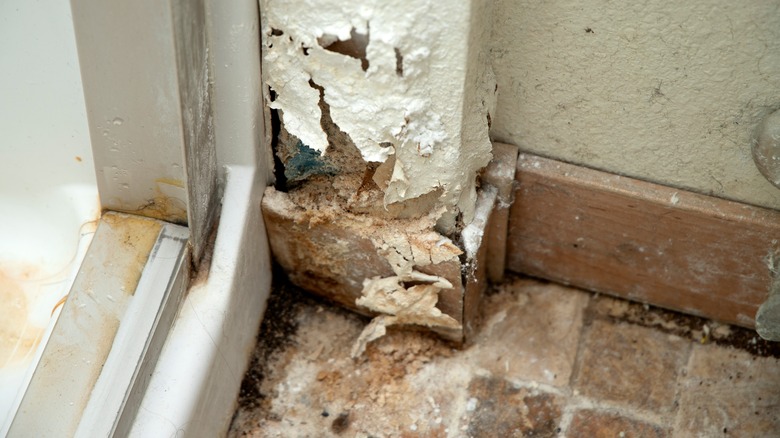
Before you start repairs, you need to be sure the problem is water damage. Here are some clear signs to look for:
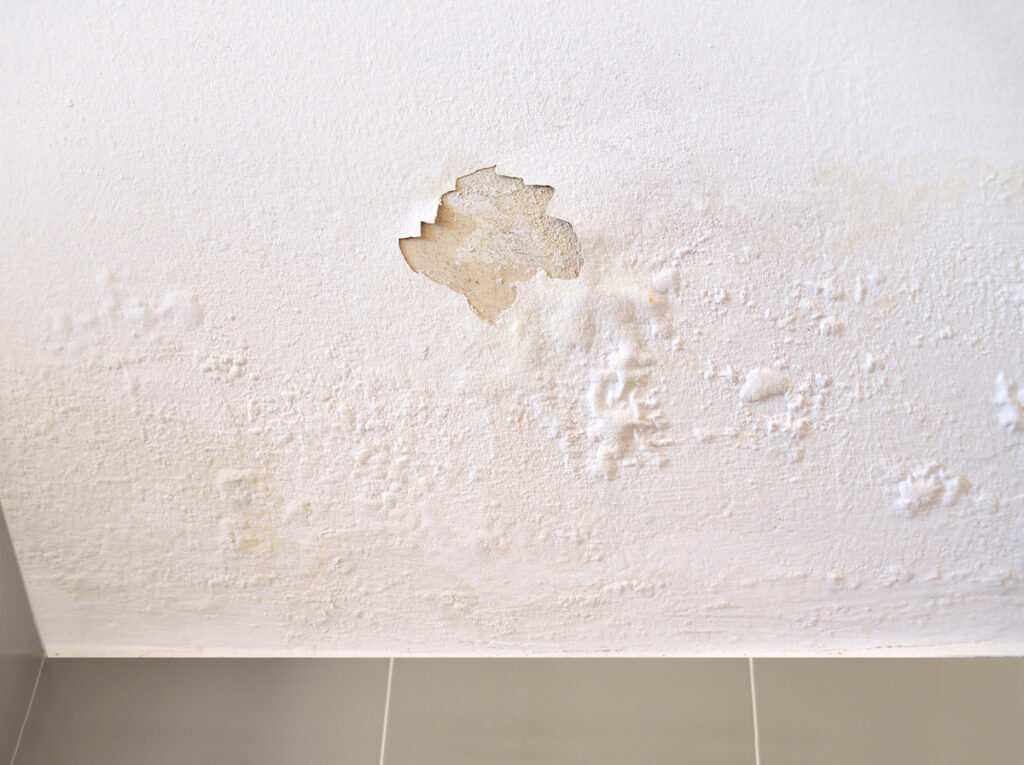
- Discoloration or stains: Brown or yellowish spots on walls or ceilings are often the first giveaway.
- Bubbling or peeling paint: Moisture trapped beneath paint can cause it to lift or blister.
- Mold or mildew smell: If your drywall smells musty, water may be lurking behind it.
- Cracks and sagging: Wet drywall becomes heavy and can bow or crack over time.
If you notice any of these, it’s time to investigate further. And if you’re planning a DIY repair of water-damaged drywall in Bloomington homes, proper diagnosis is your first step.
Safety First: Before You Begin
Attempting a DIY repair of water-damaged drywall in Bloomington homes means you need to take proper precautions. Always:
- Shut off electricity to the area before removing outlets or opening walls.
- Wear protective gear, especially if mold is present.
- Avoid working in areas with suspected asbestos-containing materials.
And if the damage was caused by a sewer backup or flood water, stop. Call in the professionals—this is a job that requires biohazard cleanup protocols.
Step-by-Step: DIY Repair of Water-Damaged Drywall in Bloomington Homes
Once you’ve ensured it’s safe, it’s time to roll up your sleeves. Here’s a step-by-step breakdown of the process.
1. Clear the Area
Move furniture and belongings away from the work zone. If the carpet or flooring is wet, lift it to allow the subfloor to dry. Proper prep is a key part of any DIY repair of water-damaged drywall in Bloomington homes.
2. Identify the Source
Before any repair, you must find and fix the source of the leak. Whether it’s a burst pipe, faulty flashing, or poor drainage—stop the water first. Without this, your DIY repair of water-damaged drywall in Bloomington homes won’t last.
3. Remove the Damaged Drywall
Using a chalk line, mark about two inches above the visible water damage. Then cut using a utility knife. Remove insulation behind the wall as well—if it’s damp, it’s no longer effective.
Pro Tip: If the water level reached less than 2.5 feet, cut the drywall up to 4 feet for easier replacement. If it’s above that, go to 8 feet or the nearest ceiling junction.
4. Dry Out the Area Completely
Use fans, blowers, and dehumidifiers to dry the studs and surrounding structure. This could take 48–72 hours, depending on the extent of the water exposure.
Don’t rush this step. Incomplete drying leads to mold, warping, and future damage. If you’re investing time in a DIY repair of water-damaged drywall in Bloomington homes, drying thoroughly is critical.
5. Sanitize to Prevent Mold Growth
Use a mold-control spray or sanitizer—avoid bleach, which only addresses surface mold. Let everything dry completely before continuing.
Replacing the Drywall
6. Measure and Cut New Drywall
Cut a new piece of drywall to size. Use drywall clips or furring strips to attach it securely. Don’t overtighten screws; that can create dimples that are hard to blend.
7. Tape, Mud, and Sand
Apply joint tape over the seams and cover it with joint compound. Let it dry fully, then sand smooth. Repeat the process for a seamless finish.
8. Prime and Paint
Use a primer that blocks stains before painting. Then paint the entire wall to ensure color consistency. For the best finish, this last stage of your DIY repair of water-damaged drywall in Bloomington homes needs patience and precision.
Common Mistakes to Avoid
Even seasoned DIYers can hit a snag. Here are some pitfalls to dodge during your DIY repair of water-damaged drywall in Bloomington homes:
- Not drying the studs thoroughly before replacing drywall.
- Failing to remove all wet insulation.
- Using bleach as a mold treatment.
- Not sealing with a primer before painting.
- Overlooking hidden water sources like attic condensation or window leaks.
FAQs: DIY Repair of Water-Damaged Drywall in Bloomington Homes
Q: Can I repair just a small patch of water-damaged drywall?
Yes, if the damage is localized and the source has been fixed. Cut 2–3 inches around the wet spot to ensure you get all affected material.
Q: How can I tell if the insulation behind the drywall is wet?
If it’s warm to the touch, has visible moisture, or smells musty, it’s likely wet. It should be removed and replaced.
Q: Should I use green board or moisture-resistant drywall for the repair?
If the area is prone to moisture (like bathrooms or basements), yes. For general repairs, standard drywall works fine if the source of water has been fixed.
Q: How long does a full drywall repair usually take?
Including drying time, expect at least 3–5 days for the full process if you’re doing it yourself.
When to Call in the Pros
Let’s be honest—not every project is meant to be DIY. If you encounter black mold, sewage backup, structural concerns, or recurring water problems, it’s time to contact the experts.
At PuroClean of Bloomington, we specialize in water damage restoration, including complete drywall repair and mold remediation. We use advanced drying tools and moisture meters to ensure your home is truly dry—not just dry to the touch. When your DIY repair of water-damaged drywall in Bloomington homes becomes more than you bargained for, Call us – (309) 433-0900 we’re ready to help.
Don’t leave drywall damage to chance. Contact PuroClean of Bloomington today for professional help with water or fire damage restoration—because your home deserves expert care.