


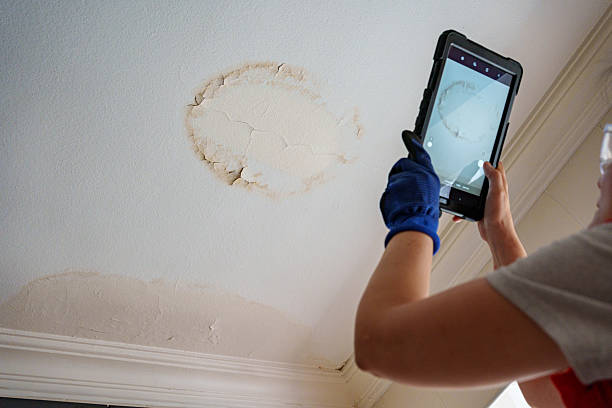
Wondering whether your insurance cover water damage restoration after a leak, burst pipe, or sudden water loss? Coverage depends on what caused the damage, your policy, and whether the water damage was sudden or the result of a long-term problem. PuroClean of Bloomington helps homeowners understand the restoration process, respond quickly to water damage, and work through the next steps after a loss.

1. Does Homeowners Insurance Cover Water Damage Restoration?
In many cases, homeowners insurance may cover water damage when a covered, sudden event causes the damage. For example, a burst pipe or an appliance that suddenly fails may be treated differently from water damage caused by a slow leak that has been happening for months.
Your policy is the final authority on what is covered, so don’t assume your claim will be approved or denied based only on the source of the water.
When you’re trying to determine whether your insurance covers water damage restoration, consider:
- What caused the water damage? A sudden plumbing failure may receive different treatment from gradual seepage.
- When did the damage happen? Long-term leaks can raise different coverage questions than sudden water losses.
- What does your policy say? Your declarations, exclusions, endorsements, and coverage limits all matter.
- What damage occurred? Your policy may distinguish between repairing the source of the problem and repairing resulting water damage.
If you’re unsure, contact your insurance company or agent and ask specifically about the water damage event you’re dealing with.
2. What Types of Water Damage May Be Covered?
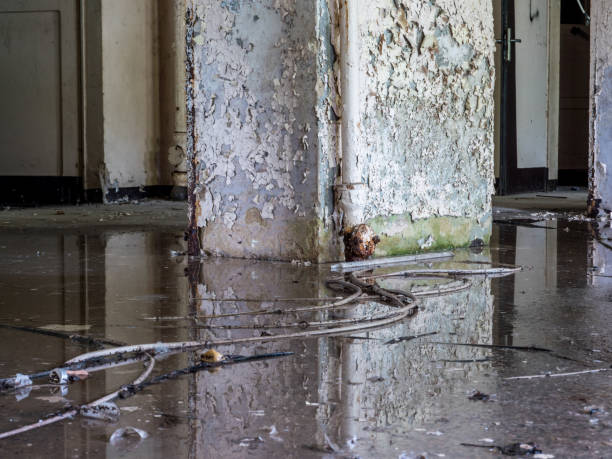
Not all water damage is treated the same way. The cause and circumstances surrounding the loss are often important when an insurance company evaluates a claim.
Sudden and accidental water damage may have a better chance of being covered than damage caused by neglect, maintenance issues, or gradual deterioration.
Potential examples include:
- Burst plumbing pipes: A pipe suddenly breaks and releases water into your home.
- Sudden appliance failures: A washing machine, dishwasher, or water heater unexpectedly releases water.
- Accidental plumbing problems: A sudden plumbing failure causes water to spread through the property.
- Certain storm-related losses: Depending on your policy, some types of resulting water damage may be covered.
However, coverage varies significantly between policies. Don’t rely on a general rule when you’re dealing with an actual claim.
Your insurance provider can explain whether your specific loss falls within your coverage.
3. What Water Damage Does Homeowners Insurance Usually Not Cover?

Understanding exclusions can be just as important as understanding coverage.
Homeowners insurance generally isn’t designed to pay for every type of water-related problem. Certain causes may be excluded or require additional coverage.
Examples can include:
- Flooding: Standard homeowners policies typically do not provide the same coverage as a dedicated flood insurance policy.
- Gradual leaks: Water damage that develops slowly over time may be excluded.
- Poor maintenance: Damage connected to a failure to maintain the property can create coverage issues.
- Groundwater or seepage: Water entering through certain foundation or ground-related pathways may not be covered under a standard policy.
- Neglected damage: Failing to address a known leak or moisture problem can complicate a claim.
This is why asking, “Does homeowners Insurance Cover Water Damage Restoration?” doesn’t have a universal yes or no answer.
Your policy wording and the circumstances of your loss matter.
If you’re dealing with a major water event, don’t delay cleanup while trying to determine every detail of your coverage. Your property still needs attention even while the insurance process is underway.
You can also read up on How to Prevent Basement Water Damage
4. What Should You Do Before Filing a Water Damage Claim?
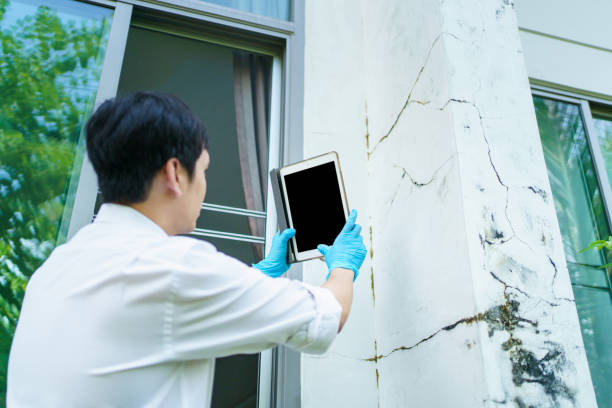
After water damage occurs, you may feel overwhelmed. Your first priority should be safety and stopping additional damage when you can do so safely.
Before filing or while beginning the claims process, take practical steps to document what happened.
Take Photos and Videos
Document the affected areas before moving or throwing away damaged belongings when it is safe to do so.
Capture:
- Standing water.
- Damaged flooring and walls.
- Affected furniture and belongings.
- The apparent source of the water.
- Areas where water has spread.
Keep your photos and videos organized so you can provide them to your insurance company if requested.
Protect the Property From Further Damage
If it is safe, take reasonable steps to prevent additional damage.
For example, you may be able to shut off the water supply if a plumbing failure is responsible. Don’t put yourself at risk to access a leak, electrical equipment, or a flooded area.
Keep Your Receipts
Save receipts for reasonable emergency expenses related to protecting the property or beginning cleanup.
Your insurance company can explain which expenses may be eligible for reimbursement under your policy.
5. Should You Call a Restoration Company Before the Insurance Company?
You don’t necessarily have to wait for an insurance adjuster before addressing an active water emergency.
If water is still spreading through your home, waiting can allow the damage to become more extensive.
A professional restoration company can help with immediate mitigation while you work with your insurance provider.
A typical response may include:
- Water extraction: Removing standing water from affected areas.
- Moisture detection: Identifying moisture that may have moved into flooring, walls, or other materials.
- Drying: Using professional equipment to remove remaining moisture.
- Damage assessment: Documenting affected areas and materials.
- Restoration: Repairing or rebuilding areas that cannot be restored through drying and cleaning alone.
If you’re already dealing with significant water damage, call PuroClean of Bloomington at (309) 433-0900 for a fast response.
Our team can begin addressing the damage while you communicate with your insurance company about your policy and claim.
DIY or Call a Pro? Learn How To Make The Right Choice.
6. What Should You Ask Your Insurance Company About Water Damage?

Insurance terminology can be confusing when you’re already dealing with a damaged home. Instead of asking only whether water damage is covered, ask specific questions about your situation.
Consider asking:
- Is this specific cause of water damage covered under my policy?
- Do I have a deductible that applies to this claim?
- Are emergency water extraction and drying covered?
- Are damaged building materials covered?
- Are my personal belongings covered?
- Is there a coverage limit or exclusion I should know about?
- Do I have additional coverage that applies to this type of loss?
Write down the answers and keep copies of documents related to the claim.
You can also ask your insurance company what documentation they need from your restoration company.
Don’t Assume a Denial Before You Ask
Homeowners sometimes hear that a certain type of water damage isn’t covered and assume their situation is automatically excluded.
That’s not always how insurance works.
The specific cause, policy language, endorsements, circumstances, and resulting damage can all affect the claim. Your insurance provider or agent is the right source for determining your coverage.
A restoration professional can focus on the property damage and mitigation while your insurance company handles the coverage decision.
FAQs About Insurance Cover Water Damage Restoration
Does homeowners insurance cover water damage restoration?
It can, depending on the cause of the damage and the specific terms of your policy. Sudden and accidental water damage may be covered in some situations, while gradual leaks, flooding, and certain maintenance-related problems may be excluded.
Does homeowners insurance cover a burst pipe?
A sudden burst pipe may be covered under some homeowners insurance policies, particularly when the resulting damage is sudden and accidental. However, coverage depends on your policy and the circumstances surrounding the pipe failure.
Does homeowners insurance cover water damage from a leaking appliance?
It may cover resulting water damage from a sudden appliance failure, depending on your policy. Coverage for the appliance itself and the resulting damage can be treated differently, so check with your insurance provider.
Does homeowners insurance cover basement water damage?
It depends on what caused the water to enter the basement. A covered plumbing failure may be treated differently from groundwater, seepage, or flooding. Review your policy and contact your insurance provider for a determination.
Should I call a restoration company before contacting my insurance company?
If you have active or significant water damage, don’t delay necessary mitigation simply because you’re waiting to speak with your insurer. A restoration company can help remove water, begin drying, document damage, and reduce the risk of additional property damage.
Final Thoughts – Know Your Coverage Before Water Damage Strikes
Knowing whether your Insurance Cover Water Damage Restoration starts with understanding the cause of the loss, reviewing your policy, documenting the damage, and contacting your insurance provider with specific questions. Most importantly, don’t let confusion about insurance coverage delay necessary action when water is actively damaging your home.
If your Bloomington or Normal home has experienced a water loss, PuroClean of Bloomington is ready to help with professional water damage restoration.
📞 Call PuroClean of Bloomington for water damage restoration today at (309) 433-0900, or visit our website.
Don’t let water damage get worse while you’re figuring out your next step, get trusted professional help today.