 PuroClean Of Bloomington
When fire and water damage hit your home, the visible mess is just the beginning. What many homeowners don’t realize is that fire and water damage can significantly impact your indoor air quality for months or even years if not properly addressed. In this post, we’ll break down five surprising ways fire and water damage can affect the air you breathe every day—and what you can do about it. If you’re in Bloomington, PuroClean is here to help restore not just your property, but also your peace of mind.

Table of Contents
1. Smoke Residue Lingers in the Air
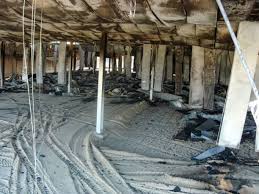
Fire and water damage often go hand in hand. After a fire, smoke damage doesn’t disappear with a simple surface cleaning. Smoke particles are microscopic and can embed themselves deep into your walls, ceilings, insulation, and HVAC systems. Over time, these residues can off-gas harmful chemicals like formaldehyde and benzene into the air, leading to:
- Chronic headaches
- Respiratory irritation
- Allergic reactions
- Long-term asthma triggers
Even if you think the smell is gone, the particles may still be circulating. If left untreated, smoke damage becomes a silent contaminant in your home’s air.
2. Mold Growth from Water Exposure
Where there’s water damage, there’s a high risk of mold—especially in the hidden areas you can’t see like behind drywall, under carpets, or in insulation. Mold spores travel easily through indoor air and can multiply in as little as 24-48 hours after a water event.
Inhaling airborne mold spores can cause:
- Throat irritation
- Sneezing and coughing
- Skin rashes
- Sinus congestion
- Severe reactions in people with weakened immune systems
Mold is one of the most significant indoor air quality threats following fire and water damage. Without professional remediation, it can grow silently and spread throughout your HVAC system.
3. Bacteria and Toxins from Contaminated Water
Not all water damage is the same. Water from a broken pipe is considered clean, but floodwater or sewage backup is typically “Category 3” or black water—filled with bacteria, viruses, and toxins. When that water dries, these microorganisms can become airborne.
If you’ve experienced water damage from flooding, you may be breathing in remnants of:
- E. coli
- Salmonella
- Hepatitis A virus
- Endotoxins from bacterial cell walls
Fire and water damage from contaminated sources isn’t just messy—it’s dangerous. Even after the visible damage is cleaned, lingering particles can affect your air and your health.
4. Structural Decay Releases Dust and Fibers
After fire and water damage, the structural integrity of building materials like drywall, insulation, and wood framing can deteriorate. As these materials break down over time, they release fine particulate matter and fibers into your indoor air.
This may include:
- Silica dust from drywall
- Fiberglass from insulation
- Lead paint chips (in older homes)
- Asbestos fibers (if present)
These particulates are easily inhaled and can lodge deep into your lungs. If you notice unusual dust accumulation after fire and water damage, don’t ignore it—it may be more than just dirt.
5. Odor Molecules Become Persistent Pollutants
One often overlooked consequence of fire and water damage is the long-term presence of unpleasant and harmful odors. These aren’t just annoying—they’re chemical compounds that can degrade your indoor air quality.
Odors from smoke, mildew, mold, and rot can:
- Cause headaches
- Reduce focus and productivity
- Lead to chronic nausea
- Aggravate asthma or bronchitis
Masking odors with sprays or candles only makes things worse. To truly remove them, you need specialized odor-neutralization techniques and equipment.
Why Indoor Air Quality After Fire and Water Damage Matters
Poor indoor air quality can feel invisible—but it has a very real impact on your health, comfort, and long-term home value. After fire and water damage, the air you breathe could be filled with:
- Carcinogenic smoke particles
- Mold spores
- Airborne bacteria
- Fiberglass and chemical dust
- VOCs (volatile organic compounds)
This is why restoration is not just about cleaning what you can see—it’s also about cleaning what you can’t.
FAQs About Fire and Water Damage & Indoor Air Quality
Q: Can air purifiers fix the air after fire and water damage?
A: While HEPA filters can help remove some particles, they won’t eliminate mold spores, toxins, or smoke residues embedded in your walls and ductwork. Professional remediation is required.
Q: How soon should I act after experiencing fire and water damage?
A: Immediately. Mold can start growing within 24-48 hours, and smoke particles settle quickly. The faster you respond, the easier and more effective restoration will be.
Q: Will a professional restoration company test indoor air quality?
A: Yes. Trusted companies like PuroClean of Bloomington use specialized equipment to monitor air quality and ensure it’s safe before the job is considered complete.
Q: What symptoms should I watch for in my family after damage?
A: If you notice an increase in allergies, asthma, headaches, fatigue, or breathing problems, your indoor air quality may be compromised from fire and water damage.
Q: Can I handle this cleanup myself with over-the-counter products?
A: DIY solutions may mask the problem but rarely eliminate it. Fire and water damage require deep cleaning, deodorizing, and restoration techniques that only professionals can provide.
Don’t Let Damaged Air Linger — Call PuroClean of Bloomington Today
Fire and water damage do more than leave behind wet carpets and scorched walls—they affect the air you breathe, your long-term health, and the safety of your home. These invisible risks can remain for months if not professionally treated.
At PuroClean of Bloomington, we specialize in:
- Fire and smoke residue removal
- Water damage cleanup and drying
- Mold remediation and odor control
- Air quality testing and duct cleaning
- Insurance coordination and 24/7 emergency response
Our IICRC-certified technicians are trained to spot what most people miss and use state-of-the-art tools to restore your home’s cleanliness and your indoor air quality.
📞 Call us now at (309) 433-0900 or visit us online.
Breathe easy again—PuroClean of Bloomington has your back.

 PuroClean Of Bloomington