


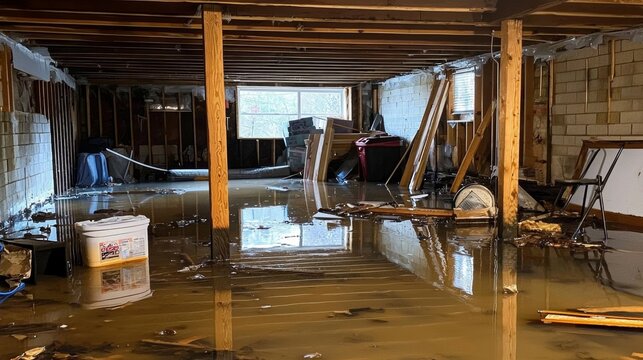
Heavy rain hits fast in Central Illinois, and suddenly you are dealing with soaked carpets, standing water, and that musty smell. Flood damage cleanup in Chenoa can feel overwhelming, especially when you are unsure where to start. At PuroClean of Bloomington, we help homeowners handle everything from water removal to full restoration, and in this guide, you will learn the exact steps to clean up, prevent further damage, and know when to call a professional.
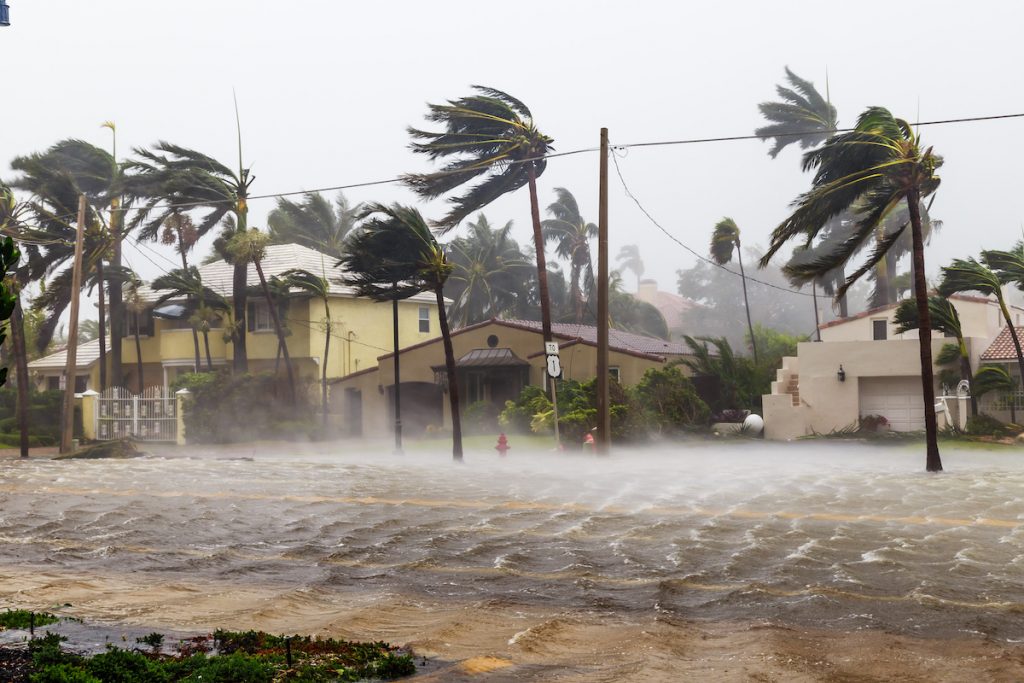
1. What Should You Do Immediately After Flood Damage Cleanup in Chenoa?
The first few hours after flooding matter the most. Quick action can limit structural damage and reduce the risk of mold growth inside your home.
- Turn off electricity in affected areas if it is safe to do so, since water and power create a serious hazard.
- Stop the source of water if possible, whether it is a sump pump failure or storm runoff entering your basement.
- Remove small valuables like electronics, documents, and personal items to a dry area right away.
- Open windows and doors to improve airflow and start the drying process naturally.
Taking these first steps during flood damage cleanup in Chenoa helps prevent damage from spreading deeper into walls and flooring.
2. How Do You Safely Remove Standing Water From Your Home?
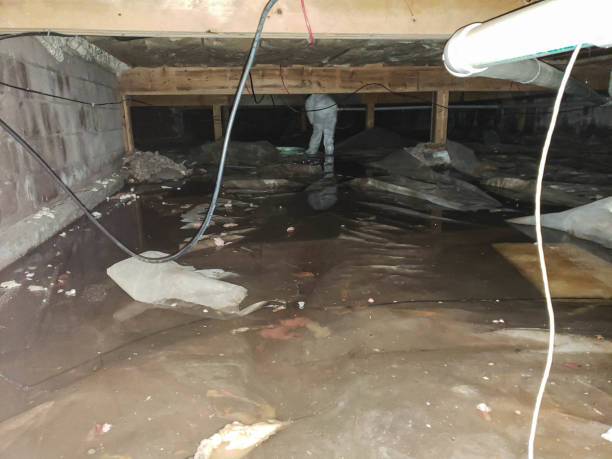
Standing water is more than an inconvenience, it quickly seeps into materials and creates long-term issues. Removing it correctly is key to protecting your home.
- Use a wet vacuum or pump for smaller areas, but avoid electrical equipment in deep water.
- Mop and towel dry remaining moisture after bulk water is removed.
- Wear protective gear like gloves and boots to avoid contact with contaminated water.
- Dispose of water safely outside, away from your home’s foundation.
Efficient water removal is a core part of flood damage cleanup in Chenoa, IL, setting the stage for proper drying and restoration.
3. What Items Should Be Removed or Thrown Away After Flooding?
Floodwater often carries bacteria and debris that can ruin household items. Knowing what to keep and what to discard protects your health and saves time.
- Throw away porous items like carpets, insulation, and upholstered furniture if heavily soaked.
- Keep non-porous items like metal or plastic if they can be properly disinfected.
- Separate salvageable items early to avoid cross-contamination.
- Bag and remove debris quickly to prevent odors and mold growth.
Smart sorting decisions during flood damage cleanup in Chenoa, IL can reduce cleanup costs and improve recovery time.
4. How Do You Dry Out Walls, Floors, and Hidden Moisture?
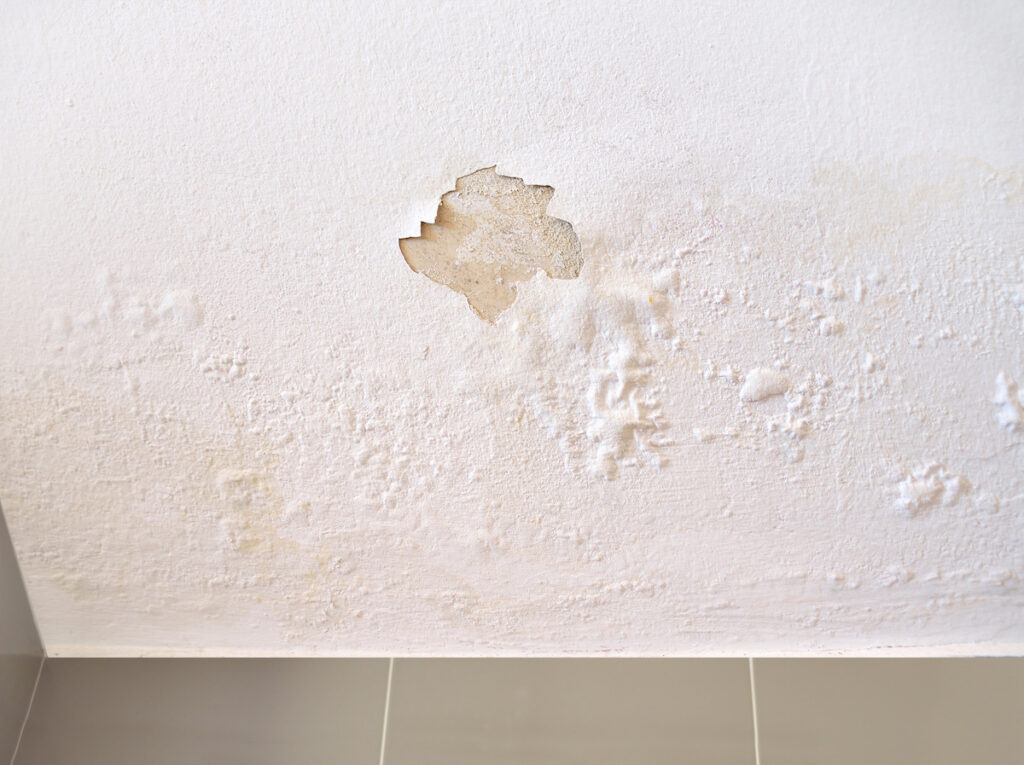
Drying is where many homeowners underestimate the process. Moisture trapped behind surfaces can lead to serious damage later.
- Use high-powered fans and dehumidifiers to pull moisture from the air and materials.
- Remove baseboards or drill small holes to allow airflow behind walls if needed.
- Lift carpets and padding to dry subflooring underneath.
- Monitor humidity levels daily to ensure proper drying progress.
Thorough drying is essential in flood damage cleanup because hidden moisture often leads to mold problems.
5. How Do You Prevent Mold After Flood Damage Cleanup in Chenoa, IL?

Mold can begin growing within 24 to 48 hours after water exposure. Prevention must start immediately after drying begins.
- Disinfect all affected surfaces using approved antimicrobial solutions.
- Keep humidity levels below 50 percent to slow mold growth.
- Inspect hidden areas like crawl spaces and behind drywall regularly.
- Remove any materials that remain damp after 48 hours.
If you are already seeing signs of mold or lingering moisture, call PuroClean of Bloomington at (309) 433-0900 for a fast response. Preventing mold is a critical step in flood damage cleanup that protects both your home and your health.
6. What Causes Flooding in Chenoa, IL Homes After Heavy Rain?
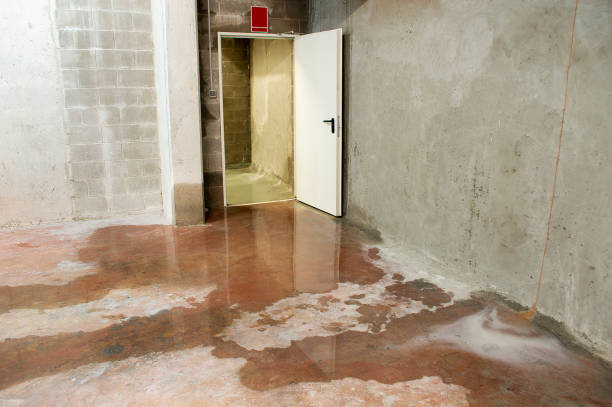
Understanding the cause helps you prevent the next incident. Chenoa, IL homes face several common flood risks during heavy storms.
- Saturated soil pushes groundwater toward your foundation, increasing seepage risk.
- Clogged gutters and downspouts prevent proper drainage away from your home.
- Sump pump failures often happen during peak storm demand.
- Foundation cracks allow water to enter basements and crawl spaces.
Knowing these causes makes future flood damage cleanup in Chenoa less likely and helps you take preventive action early.
7. When Should You Call a Professional for Flood Damage Cleanup in Chenoa, IL?
Some situations go beyond DIY cleanup. Professional restoration ensures your home is fully dry, safe, and structurally sound.
- Water has soaked into walls, insulation, or structural materials.
- There is visible mold or strong musty odors after drying.
- Floodwater is contaminated, such as sewage backups.
- You need documentation for insurance claims and repairs.
At PuroClean of Bloomington, we handlewater damage restoration , mold removal , and full reconstruction. Call (309) 433-0900 for expert flood damage cleanup in Chenoa, IL when the situation requires professional care.
8. How Do You Clean and Disinfect After Flood Damage?
Cleaning goes beyond removing visible dirt. Proper sanitation ensures your home is safe to live in again.
- Use EPA-approved disinfectants on all hard surfaces exposed to floodwater.
- Wash clothing and fabrics in hot water with antibacterial detergent.
- Scrub floors, walls, and fixtures thoroughly to remove contaminants.
- Allow all cleaned areas to dry completely before reuse.
Detailed sanitation is a key part of flood damage cleanup in Chenoa, IL, especially when dealing with stormwater contamination.
9. How Can You Prevent Future Flood Damage in Chenoa, IL Homes?
Prevention saves time, money, and stress during future storms. A few proactive steps can make a major difference.
- Install a backup sump pump system to handle heavy rainfall.
- Extend downspouts at least 5 to 10 feet away from your foundation.
- Seal foundation cracks to block water entry points.
- Schedule regular inspections before storm season begins.
Taking these precautions reduces the need for future flood damage cleanup in Chenoa, IL and keeps your home protected year-round.
FAQs About Flood Damage Cleanup in Chenoa, IL
What is the first step in flood damage cleanup in Chenoa, IL?
The first step is stopping the water source and removing standing water as quickly as possible to prevent further damage.
How long does flood damage cleanup take?
Most drying processes take 3 to 5 days, but full restoration can take longer depending on the extent of damage.
Can I stay in my home during flood cleanup?
It depends on the severity. Minor water issues may allow you to stay, but contaminated water or structural damage may require temporary relocation.
Does flood damage always lead to mold?
Not always, but mold can develop within 24 to 48 hours if moisture is not properly removed.
Will homeowners insurance cover flood damage cleanup in Chenoa, IL?
Coverage varies by policy. Standard insurance may not cover flooding, so check if you have separate flood insurance.
Final Thoughts – Protect Your Home After Heavy Rain
Flooding can cause serious damage fast, but acting quickly, drying thoroughly, and preventing mold are the three steps that make the biggest difference. Understanding the causes and knowing when to call for help ensures your home recovers safely and completely.
📞 Call PuroClean of Bloomington for flood damage cleanup in Chenoa, IL today at (309) 433-0900 or visit our website. Do not let water damage ruin your home or your health, get trusted professional help today.