


Your air conditioner is designed to keep your home cool and comfortable, but it could also be creating a problem you cannot see. Hidden moisture caused by a leaking HVAC system can slowly damage drywall, ceilings, flooring, and insulation while creating the ideal conditions for mold growth.
At PuroClean of Bloomington, we help homeowners throughout Bloomington, IL identify moisture problems early, restore water-damaged properties, and prevent costly repairs before they become major restoration projects.
This guide explains how HVAC leaks create hidden moisture, the warning signs to watch for, how to prevent further damage, and when it is time to call a professional.
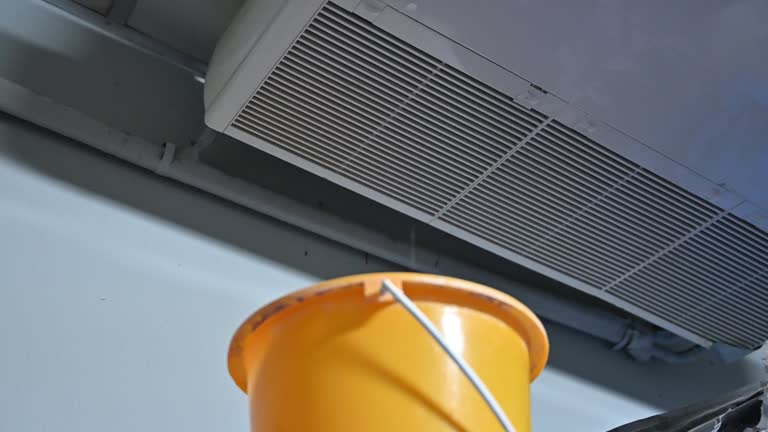
1. How Can Your HVAC System Cause Hidden Moisture?
Many homeowners never think about their HVAC system until it stops working. However, a small leak can allow hidden moisture to build up for weeks before visible damage appears.
Understanding the common causes can help you act quickly.
Clogged Condensate Drain Line
Air conditioners remove moisture from the air every day.
- Dirt and debris can clog the condensate drain line.
- Water backs up when the drain cannot empty properly.
- Overflow may damage nearby drywall or flooring.
- Moisture can remain hidden behind walls.
Damaged Drain Pan
The drain pan collects condensation.
- Older drain pans may rust or crack.
- Water can slowly leak beneath the HVAC unit.
- Small leaks often go unnoticed.
- Moisture may spread into surrounding materials.
Frozen Evaporator Coil
Restricted airflow can create unexpected problems.
- Ice forms on the evaporator coil.
- Melting ice produces excess water.
- Overflow increases indoor moisture.
- Repeated freezing may lead to ongoing leaks.
Finding the source of the leak is the first step toward preventing further damage.
2. Why Is Hidden Moisture Such a Serious Problem?
Many HVAC leaks remain unnoticed because the water is hidden behind walls or under flooring. Unfortunately, hidden moisture continues causing damage even when there are no obvious signs.
Early detection helps protect both your home and your budget.
Mold Can Begin Growing
Mold needs moisture to thrive.
- Damp drywall creates favorable conditions.
- Wood framing absorbs water.
- Insulation traps moisture.
- Hidden spaces allow mold to spread unnoticed.
Building Materials Become Damaged
Water weakens many common materials.
- Drywall may soften or crumble.
- Paint may blister or peel.
- Wood flooring can warp.
- Ceiling materials may become stained.
Indoor Air Quality Can Decline
Moisture affects the entire home.
- Musty odors may spread through vents.
- Mold spores can circulate indoors.
- Rooms may feel damp or uncomfortable.
- Humidity levels may continue rising.
Ignoring hidden moisture usually leads to more extensive restoration work.
3. What Are the Warning Signs of Hidden Moisture?
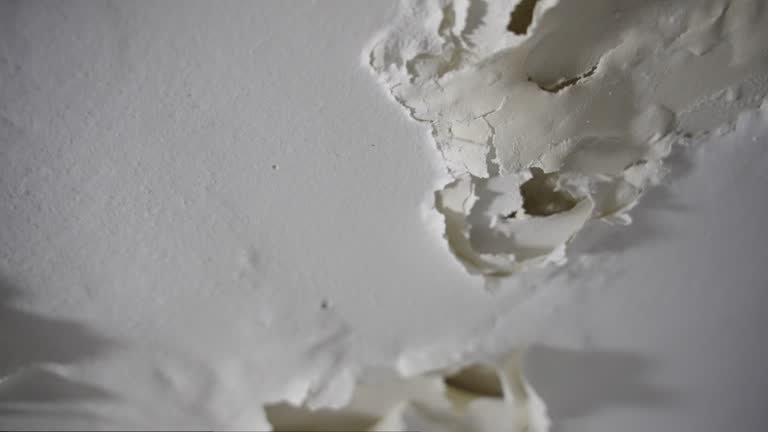
You may not see water dripping from your HVAC system, but your home often provides clues that something is wrong. Recognizing the signs of hidden moisture allows homeowners to respond before the damage becomes severe.
Routine inspections can make a significant difference.
Water Around the HVAC Unit
Pooling water deserves immediate attention.
- Water appears beneath the indoor unit.
- Damp flooring surrounds the equipment.
- Condensation becomes excessive.
- Water returns after cleaning.
Unusual Odors
Moisture often creates unpleasant smells.
- Musty odors develop near air vents.
- Damp smells linger in utility rooms.
- Odors become stronger when the HVAC system runs.
- Persistent smells indicate hidden moisture.
Visible Property Damage
Some signs eventually appear on finished surfaces.
- Water stains on ceilings.
- Peeling paint or wallpaper.
- Warped baseboards.
- Mold growing near vents.
Responding early helps reduce repair costs and prevents additional damage.
4. How Can You Prevent HVAC Leaks?
Preventive maintenance plays an important role in reducing hidden moisture caused by HVAC systems. A few simple habits can help homeowners avoid expensive water damage.
Routine maintenance keeps your system operating efficiently.
Replace Air Filters Regularly
Proper airflow reduces strain on the system.
- Change filters according to manufacturer recommendations.
- Dirty filters restrict airflow.
- Restricted airflow contributes to frozen coils.
- Clean filters improve system performance.
Schedule Routine HVAC Maintenance
Professional inspections identify problems early.
- Technicians inspect drain lines.
- Drain pans are evaluated.
- Coils are cleaned when necessary.
- Small issues are repaired before they worsen.
Inspect Around the Indoor Unit
Homeowners can perform simple visual checks.
- Look for standing water.
- Check for unusual condensation.
- Inspect surrounding walls for stains.
- Watch for damp flooring.
Preventive maintenance helps reduce the likelihood of hidden moisture.
5. What Should You Do If You Find Hidden Moisture?
Discovering hidden moisture can be stressful, but acting quickly helps minimize damage. Waiting allows moisture to spread deeper into building materials.
Fast action protects your home.
Stop the Water Source
Prevent additional water damage.
- Turn off the HVAC system if necessary.
- Schedule HVAC repairs promptly.
- Avoid using the system until leaks are addressed.
- Prevent further water accumulation.
Dry the Area Quickly
Moisture should never remain indoors.
- Remove standing water if it is safe to do so.
- Increase airflow where possible.
- Reduce indoor humidity.
- Monitor damp areas closely.
Schedule Professional Restoration
Some moisture remains hidden.
- Professionals locate concealed water.
- Moisture meters identify affected materials.
- Drying equipment speeds restoration.
- Hidden mold risks are evaluated.
Taking action quickly often prevents more extensive repairs.
If you’re already seeing signs of hidden moisture or water damage from your HVAC system, call PuroClean of Bloomington at (309) 433-0900 for a fast response.
6. Can Hidden Moisture Lead to Mold?
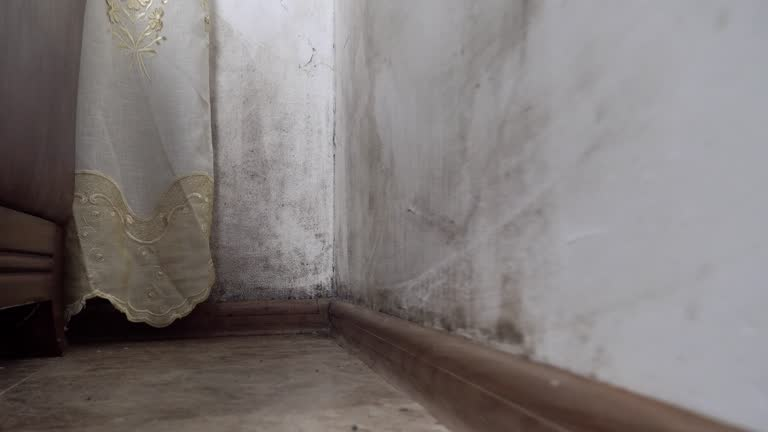
Yes. One of the biggest concerns associated with hidden moisture is mold growth. Moisture trapped behind walls, beneath flooring, or inside ceilings provides ideal conditions for mold to develop.
Preventing mold begins with controlling moisture.
Mold Often Grows Out of Sight
Hidden areas provide ideal conditions.
- Wall cavities trap moisture.
- Insulation remains damp.
- Ceiling spaces retain condensation.
- Crawl spaces collect humidity.
Mold Can Spread Quickly
Small colonies rarely remain small.
- Moisture supports continued growth.
- Additional rooms may become affected.
- Odors become more noticeable.
- Cleanup becomes more involved.
Early Detection Makes a Difference
Professional inspections help locate hidden issues.
- Moisture detection equipment identifies damp materials.
- Restoration plans target affected areas.
- Drying prevents additional mold growth.
- Timely repairs reduce restoration costs.
Addressing moisture quickly is the best defense against mold.
7. Why Homeowners Trust PuroClean of Bloomington
At PuroClean of Bloomington, we understand that water damage is not always obvious. Our experienced restoration team uses professional equipment to locate hidden moisture, dry affected materials, and restore your property before small problems become major repairs.
We proudly serve homeowners throughout Bloomington and surrounding communities.
Advanced Moisture Detection
Hidden water requires specialized equipment.
- Moisture meters locate damp materials.
- Thermal imaging identifies concealed moisture.
- Thorough inspections uncover hidden damage.
- Restoration plans address the entire affected area.
Comprehensive Restoration Services
HVAC leaks often require multiple restoration solutions.
- Water damage restoration
- Mold removal
- Fire and smoke damage restoration
- Biohazard cleanup
- Reconstruction services
Fast Local Response
Our team is ready when you need us.
- Prompt emergency response.
- Experienced restoration technicians.
- Professional drying equipment.
- Clear communication throughout the restoration process.
Our goal is to restore your home quickly while helping prevent future moisture problems.
FAQs About Hidden Moisture
Can an HVAC system really cause hidden moisture?
Yes. Clogged drain lines, damaged drain pans, frozen evaporator coils, and condensation problems can all create hidden moisture inside your home.
How do I know if my HVAC is leaking water?
Common signs include water around the indoor unit, musty odors, water stains, peeling paint, increased indoor humidity, and visible mold near the system.
Can hidden moisture lead to mold growth?
Yes. Mold thrives in damp environments, especially when moisture remains trapped behind walls, ceilings, or flooring.
Can I dry hidden moisture myself?
Surface drying may help with minor moisture, but hidden water often requires professional equipment to ensure building materials are completely dry.
When should I call a restoration professional?
You should call immediately if you notice persistent water leaks, musty odors, visible mold, or signs of water damage caused by your HVAC system.
Final Thoughts – Stop Hidden Moisture Before It Becomes Major Water Damage
Hidden moisture from a leaking HVAC system can quietly damage your home long before you notice visible signs. Regular HVAC maintenance, prompt leak repairs, and professional moisture inspections can help prevent mold growth, structural damage, and costly restoration work. Acting early is the best way to protect both your home and your peace of mind.
📞 Call PuroClean of Bloomington for help with hidden moisture, water damage restoration, or mold removal today at (309) 433-0900, or visit our website.
Don’t let a small HVAC leak become a major restoration project. Get trusted professional help today.