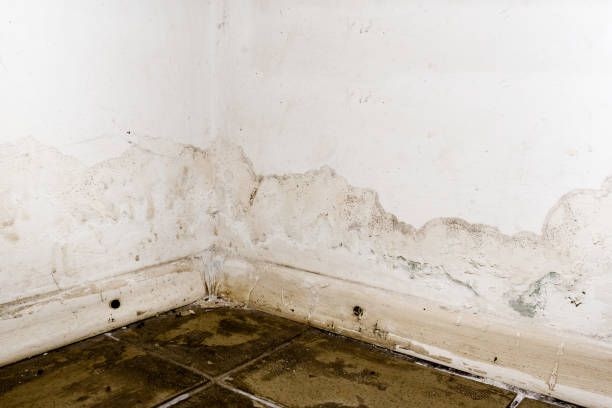
Your basement does not have to be flooded to have a water problem.
Sometimes, the first warning is a musty smell. Other times, you may notice a stained wall, warped flooring, peeling paint, or an area that always seems damp. These small clues can point to hidden water damage in the basement, even when there is no standing water.
Basements are especially vulnerable because they sit below ground level and often contain plumbing, HVAC equipment, sump pumps, foundation walls, and other areas where moisture can collect.
The tricky part is that water can move behind walls, underneath flooring, and into other materials before you realize there is a problem.
Knowing what to look for can help Peoria homeowners catch water damage early and take action before the problem becomes more expensive.
Here’s How to Prevent Basement Water Damage in Normal During Bloomington’s November Rains
1. A Musty Smell That Never Seems to Go Away

One of the easiest signs of hidden water damage in the basement is an unusual musty or damp smell.
You may notice it when you first walk downstairs, especially after the basement has been closed up for a while. Some homeowners get used to the smell and assume it is simply normal for a basement.
It is not something you should automatically ignore.
A persistent musty odor can indicate moisture that has become trapped in materials or areas that are difficult to see.
Pay attention if:
- The smell becomes stronger after rain.
- The basement smells damp even when everything looks dry.
- The odor is strongest near one wall or room.
- The smell returns shortly after cleaning.
- The basement has a persistent earthy or stale odor.
Odors alone cannot tell you exactly where the moisture is coming from, but they can be an important warning sign.
If the smell keeps returning, investigate the source instead of simply covering it with air fresheners.
2. Stains on Walls or Ceilings
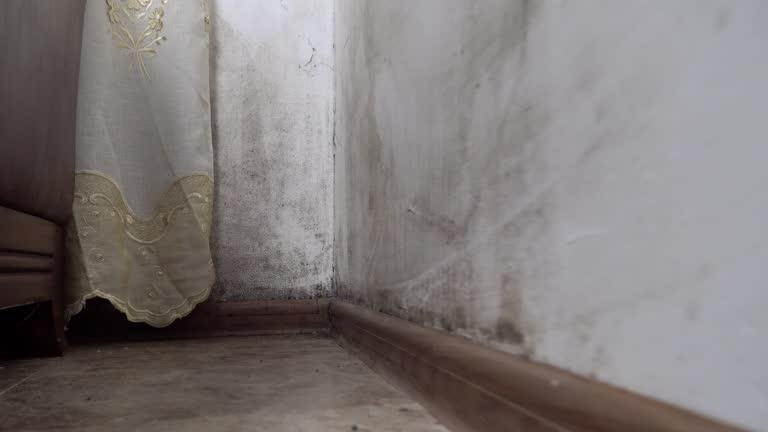
Water stains are another common clue.
A brown, yellow, gray, or otherwise discolored area on a basement wall or ceiling can indicate that water has entered the material.
You might notice:
- Brown rings.
- Discolored drywall.
- Dark patches.
- Peeling paint.
- Bubbling paint.
- Water marks around pipes.
- Staining near windows.
- Discoloration near the foundation.
A stain does not necessarily mean water is entering the home right now.
It could be evidence of an older leak that was never properly addressed.
That is why painting over the stain is not always the solution. If moisture remains behind the surface, the problem can return.
When you see a new or recurring water stain, determine what caused it before repairing the cosmetic damage.
3. Your Basement Flooring Looks Different
Water does not always announce itself with a puddle.
Sometimes, flooring changes are the first visible clue that something is happening underneath.
Depending on the type of flooring, moisture may cause:
- Buckling.
- Warping.
- Swelling.
- Loose tiles.
- Peeling edges.
- Discoloration.
- Soft spots.
- Damaged carpet padding.
Carpet can be particularly deceptive because the surface may appear reasonably dry while moisture remains underneath the carpet or padding.
Hard flooring can also hide moisture beneath the surface.
If part of your basement floor suddenly looks or feels different, do not assume it is simply normal wear and tear.
The change could indicate moisture below the flooring.
4. Baseboards or Drywall Are Swollen
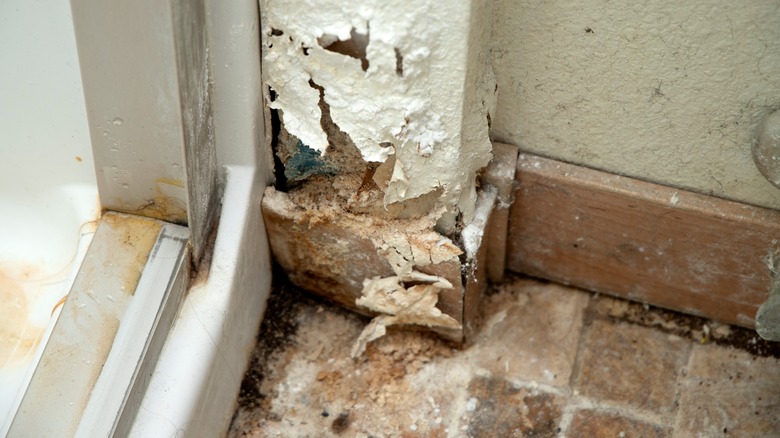
Swollen drywall and damaged baseboards can be strong signs of moisture.
Drywall is porous, which means it can absorb water. Once moisture enters the material, the drywall may soften, swell, discolor, or deteriorate.
Baseboards can show similar problems.
Look for:
- Swollen corners.
- Soft spots.
- Warped trim.
- Peeling paint.
- Crumbling drywall.
- Gaps between the wall and baseboard.
- Discoloration near the bottom of the wall.
These problems are particularly important when they appear close to the basement floor.
Water that enters from the foundation or floor can move upward into nearby materials.
If you find damaged drywall, avoid assuming that replacing the visible section will solve everything. The moisture source needs to be identified first.
5. Your Basement Feels More Humid Than Usual
A basement can feel cooler than the rest of your home, but excessive humidity deserves attention.
If your basement consistently feels damp, sticky, or unusually humid, moisture may be entering the space or building up inside it.
Common contributors can include:
- Foundation leaks.
- Poor drainage.
- Plumbing leaks.
- Condensation.
- HVAC problems.
- Sump pump issues.
- Groundwater intrusion.
- Poor ventilation.
High humidity can also contribute to mold growth and musty odors.
If your basement repeatedly feels damp even though you cannot see a leak, do not assume there is no water problem.
Moisture can exist without creating obvious puddles.
Read more on the Common Causes of Basement Water Damage
6. You See Condensation Around Pipes or HVAC Equipment
Condensation can be easy to dismiss because it is not always caused by a plumbing leak.
Cold pipes can collect moisture when warm, humid air comes into contact with their surfaces. HVAC equipment can also create condensation when systems are operating.
A small amount of condensation may not seem serious.
The problem starts when moisture repeatedly accumulates in the same area.
Check for:
- Water droplets on pipes.
- Wet insulation around pipes.
- Damp areas beneath HVAC equipment.
- Rust around plumbing connections.
- Water stains near air conditioning components.
- Repeated dampness around drains or condensate lines.
Persistent condensation can contribute to moisture damage over time.
If you keep finding water in the same location, identify why it is happening instead of repeatedly wiping it up.
7. Your Basement Windows Show Signs of Moisture

Basement windows can be another entry point or warning sign.
Look closely at window frames, sills, surrounding drywall, and nearby flooring.
Signs to watch for include:
- Water stains around the frame.
- Damp window sills.
- Peeling paint.
- Swollen drywall.
- Mold-like growth.
- Soft wood.
- Moisture after rainfall.
Heavy rain can expose weaknesses around basement windows, particularly if exterior drainage is not directing water away from the foundation.
Even a small amount of water entering repeatedly can create a larger problem over time.
If you notice water around basement windows after storms, pay attention to whether the problem happens repeatedly.
8. You Notice Mold or Mold-Like Growth
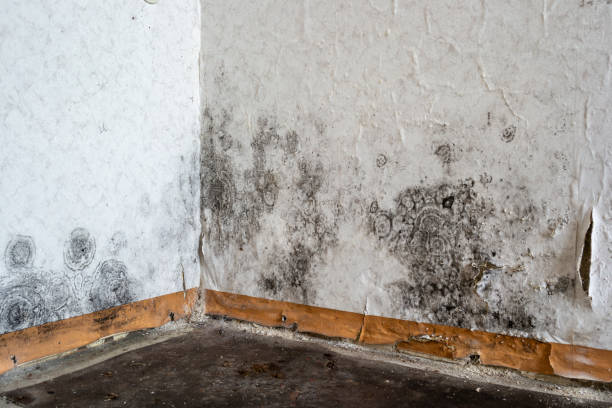
Visible mold can be one of the clearest signs that moisture has been present.
It may appear on walls, ceilings, wood, cardboard boxes, fabrics, or other materials.
Look for unusual:
- Dark spots.
- Greenish patches.
- White growth.
- Fuzzy areas.
- Discoloration.
- Musty odors around stored belongings.
Mold can develop when moisture remains present, so cleaning the visible growth without addressing the underlying moisture problem may not solve the issue.
The source of the moisture needs attention.
If your basement has experienced water intrusion or persistent dampness and you notice mold, professional assessment can help determine what areas have been affected.
9. Stored Items Suddenly Feel Damp
Your belongings can sometimes reveal a basement moisture problem before your walls do.
Pay attention to cardboard boxes, clothing, books, furniture, and other items stored near basement floors and walls.
You may notice:
- Damp cardboard.
- Warped books.
- Musty clothing.
- Mildew odors.
- Swollen wood furniture.
- Damp storage containers.
- Rust on metal items.
If only items stored in one part of the basement are affected, look closely at that area.
Moisture may be entering through a nearby wall, floor, window, pipe, or foundation crack.
Moving everything into plastic containers may protect your belongings, but it does not fix the moisture source.
10. The Problem Gets Worse After Rain
One of the most useful clues is timing.
If your basement smells musty, develops damp spots, or shows water stains after heavy rainfall, exterior water intrusion could be part of the problem.
Peoria homeowners should pay particular attention after periods of heavy rain.
Check your basement for:
- New stains.
- Damp walls.
- Wet floors.
- Water near windows.
- Changes around foundation walls.
- Musty odors.
- Damp stored belongings.
You may not see standing water immediately.
Water can enter through cracks, joints, windows, or other vulnerable areas and then move into surrounding materials.
If the same area becomes damp every time it rains, that pattern is worth investigating.
How Hidden Water Damage in the Basement Can Get Worse
The biggest problem with hidden water damage in the basement is that you may not realize it is there until the damage becomes more obvious.
Moisture can affect building materials over time.
That can lead to:
- Deteriorated drywall.
- Damaged flooring.
- Swollen wood.
- Persistent odors.
- Mold growth.
- Damaged insulation.
- Damage to stored belongings.
- More extensive restoration needs.
The longer moisture remains present, the more opportunity it has to affect additional materials.
That does not mean every damp basement requires major restoration.
It means recurring moisture should not be ignored.
What Should You Do If You Suspect Hidden Basement Water Damage?
If you notice signs of moisture, start by looking for the source.
Check plumbing, windows, appliances, HVAC equipment, foundation walls, and areas around the floor.
If you find an active leak and can safely stop the source, do so.
Then document what you see.
Take photographs of:
- Water stains.
- Damp areas.
- Damaged flooring.
- Wet drywall.
- Affected belongings.
- Visible water.
- Areas where moisture repeatedly appears.
Avoid making major repairs before you understand the extent of the damage.
If the source is unclear or moisture has spread into building materials, professional assessment can help determine what is happening.
When Should You Call a Water Damage Professional?
Not every basement moisture issue requires emergency restoration.
However, professional help becomes particularly important when you cannot determine where the water is coming from or when moisture has affected building materials.
Consider calling a professional if:
- Water has entered the basement.
- You find recurring damp areas.
- Flooring has become wet or warped.
- Drywall is swollen or soft.
- A musty smell persists.
- You suspect hidden moisture behind walls or beneath flooring.
- A plumbing failure has released significant water.
- Your basement has experienced flooding.
- Mold appears after a water event.
Professional restoration teams can use moisture detection equipment to identify areas that may not be visibly wet.
That information helps determine whether drying, extraction, cleaning, or additional restoration is needed.
If you’re already seeing signs of hidden water damage in the basement, call PuroClean of Peoria at (309) 433-0900 for a fast response.
Why Professional Basement Water Damage Restoration Matters
Finding water is only the beginning.
The bigger question is how far the moisture has traveled and whether it has affected materials you cannot see.
PuroClean of Peoria helps homeowners respond to water damage with professional assessment, water extraction, drying, and restoration services.
Our technicians can evaluate affected areas and use professional equipment to help locate moisture and dry materials that have been impacted.
This can be especially important after basement flooding, plumbing failures, appliance leaks, or storm-related water intrusion.
The goal is not simply to make the basement look dry.
The goal is to address the moisture problem and help prevent additional damage.
Call PuroClean of Peoria at (309) 431-4003 when you need professional water damage restoration assistance.
Frequently Asked Questions
1. What is the biggest sign of hidden water damage in the basement?
A persistent musty smell, unexplained stains, damp flooring, swollen drywall, recurring condensation, or repeated moisture after rainfall can all indicate hidden water damage.
2. Can water damage exist without standing water?
Yes. Moisture can remain underneath flooring, behind drywall, inside insulation, or around other building materials without creating visible standing water.
3. How do I know if my basement has hidden moisture?
Look for musty odors, discoloration, damp materials, warped flooring, swollen drywall, condensation, and recurring moisture. Professional moisture detection equipment can also help locate moisture that is not visible.
4. Can hidden basement water damage cause mold?
Yes. Persistent moisture can create conditions that allow mold to grow. If mold appears, addressing the moisture source is an important part of resolving the problem.
5. Should I call a professional for a damp basement?
If the dampness is recurring, widespread, unexplained, or associated with water damage, a professional assessment can help identify the source and determine whether restoration or drying is necessary.
Final Thoughts
Hidden water damage in the basement can be easy to overlook because there may be no dramatic flood or puddle to warn you that something is wrong.
A musty smell, stained wall, warped floor, damp belongings, or recurring moisture can all be clues.
Do not wait for visible standing water before taking basement moisture seriously. The earlier you identify the source and address affected materials, the better your chances of limiting additional damage.
If your Peoria basement smells musty, feels unusually damp, or shows signs of water damage, professional help can give you a clearer picture of what is happening.