 PuroClean Of Bloomington
If you live in one of Bloomington’s older homes, your HVAC system could be silently causing hidden water damage—and you might not even know it. While most homeowners think of leaks or plumbing failures first, HVAC units can be a major culprit when they’re not properly maintained.
From clogged drain lines to frozen evaporator coils, the risk of slow, undetected moisture buildup is real. And in older homes, where systems may not be up to code or have seen decades of use, these problems can quickly escalate.
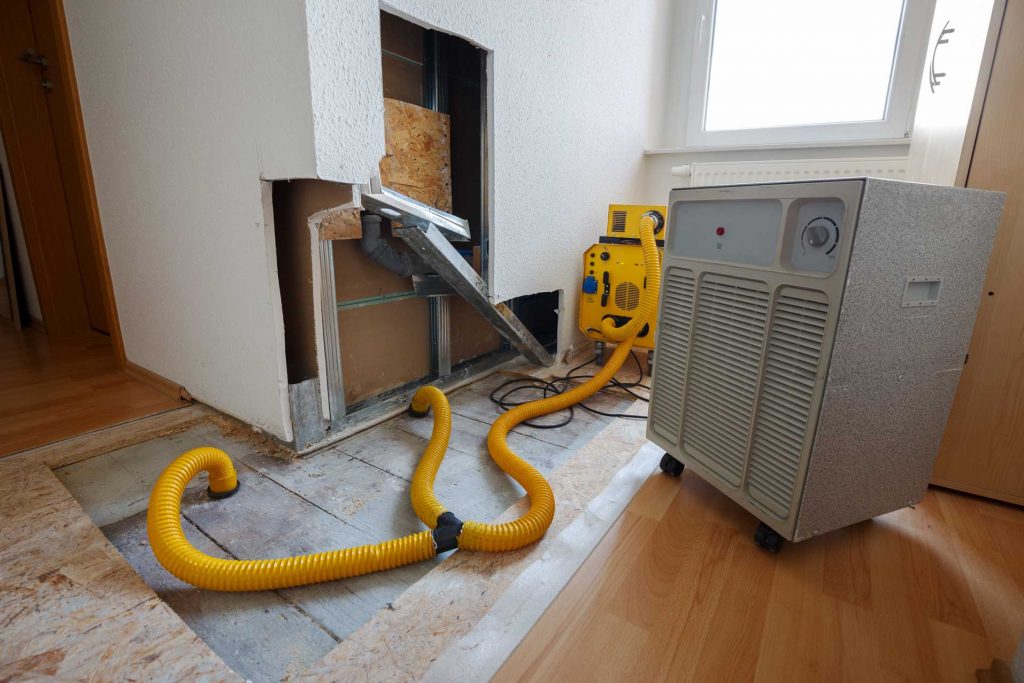
Here’s how to protect your home—and your health—from HVAC-related hidden water damage.
1. Change Your HVAC Filter—Frequently
One of the easiest things you can do to prevent hidden water damage from HVAC systems in older Bloomington homes is to change the air filter monthly.
When filters get clogged, the system has to work harder. This extra strain can cause the evaporator coils to freeze up. When those coils thaw, all that water has to go somewhere—and often, it ends up inside your home.
Choose HEPA filters for better air quality, but always double-check your owner’s manual to make sure it’s compatible. If your filter is tucked away in the furnace or air handler, consider hiring a professional to change it.
2. Keep the Condensate Drain Line Clear To Avoid Hidden Water Damage
A clogged drain line is one of the top reasons HVAC systems leak water into living spaces.
When your AC is running, peek at the drain line’s opening to confirm water is flowing. How much you see will depend on indoor humidity, but you should see at least a trickle.
Once or twice a year, flush it out using an algaecide or a simple bleach solution to keep mold and algae from taking over.
Already clogged? Grab a wet/dry vacuum (remove the paper filter first) and carefully suck out the blockage from the outside pipe.
3. Double-Check the Drain Line Setup
In older Bloomington homes, the drain line layout might not meet current standards.
Make sure both the main and emergency drain lines are properly connected, angled correctly, and haven’t been bumped out of place over time. Even a minor misalignment can lead to serious water issues down the line.
4. Add a Condensation Pump and Float Switch
If your HVAC system is in the basement or far from a floor drain, you’ll benefit from a condensation pump. It helps push excess water to the proper disposal area—safely and efficiently.
Also consider installing a float switch. This small device automatically shuts off the system if it detects rising water in the pan, helping you avoid overflows before they happen.
5. Schedule Professional HVAC Inspections to Spot Hidden Water Damage
Let’s face it: HVAC systems in older homes have their quirks. And the deeper issues—like cracked ductwork, loose joints, or rusted components—are often missed during DIY inspections.
A licensed professional can assess everything from airflow efficiency to mold potential. They’ll also check key components like the thermostat, ductwork, AC compressor, and furnace flames.
When it comes to stopping hidden water damage from HVAC in older Bloomington homes, prevention beats repair every time.
6. Understand the Mold Connection
Moisture from HVAC leaks creates the perfect environment for mold. And in older homes, mold can spread fast, thanks to aging materials and lack of proper sealing.
Even if you don’t see mold, that musty smell or recurring allergy symptoms may be your clue. That’s why it’s important to monitor humidity, check behind registers, and inspect around vents regularly.
Need mold remediation? PuroClean of Bloomington offers expert mold cleanup and water damage restoration, right when you need it.
FAQs: HVAC & Hidden Water Damage
Q: How do I know if my HVAC is causing water damage in my home?
A: Look for subtle signs—musty odors, water stains near vents, dripping or pooling around the unit, or unexplained increases in humidity.
Q: How often should I clean the HVAC drain line?
A: At least once or twice a year. More frequently if your home is prone to high humidity or you’ve had mold issues in the past.
Q: Can old HVAC systems in Bloomington homes still be reliable?
A: Absolutely—but they require more diligent maintenance. Regular inspections and minor upgrades can keep them safe and efficient.
Q: Should I replace my HVAC if it’s causing leaks?
A: Not always. Sometimes it’s just a clogged drain or minor fix. But if the unit is older than 15 years and needs frequent repairs, replacement may be more cost-effective.
Call PuroClean of Bloomington– (309) 433-0900 – for water damage restoration today
Don’t let a hidden HVAC issue become a major disaster. At PuroClean of Bloomington, we specialize in helping homeowners identify and repair hidden water damage, especially in older homes.
Whether it’s mold removal, water damage restoration, or even fire cleanup, our team brings the tools, knowledge, and compassion to get your home back to safe and healthy conditions.
📞 Contact us today to schedule a professional inspection.

 PuroClean Of Bloomington