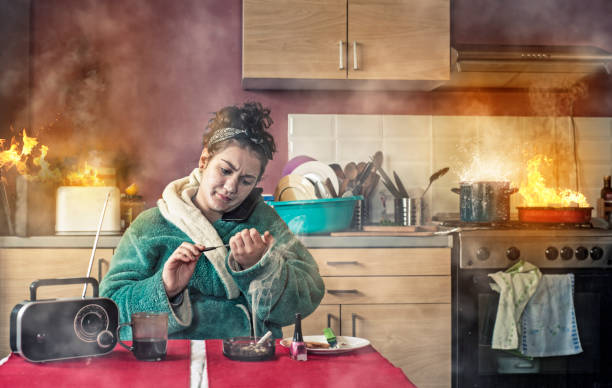
Cold November nights bring packed kitchens and the busiest stretch of the year for holiday cooking fires. When a pan flares up, many people wipe the soot, run a household fan, and spray air freshener. Those quick fixes only mask the smell and often smear greasy residue deeper into walls and cabinets.
Some kitchen fires are obvious, with flames, blaring smoke alarms, and a gray haze. Others leave quieter clues, like a sharp burnt odor, a sticky film on cabinets, or dark streaks above the range. This guide covers seven common holiday cooking mistakes, the warning signs, and what to do if a fire starts. If smoke or soot has already spread, PuroClean of Bloomington provides fire and smoke damage restoration around the clock.
Hot oil can start smoking within minutes, and a small flame can become a major fire in under 30 seconds. The U.S. Fire Administration reports that unattended cooking equipment is the leading factor in home cooking fires that spread. Acidic soot can stain and corrode surfaces within hours. That is why preventing holiday cooking fires beats cleaning up after one.
Holiday Cooking Fires at a Glance
Here are the seven mistakes behind most kitchen fires during the holidays:
- Walking away from the stove
- Letting grease and oil overheat
- Crowding the stovetop with things that burn
- Frying a turkey the wrong way
- Skipping oven and range cleaning
- Overloading kitchen outlets
- Letting distractions take over
The rest of this guide covers:
- Warning signs you should never ignore
- What to do if a kitchen fire starts
- A quick prevention checklist
- How kitchen fires damage your home
- When to call a restoration professional
- How PuroClean of Bloomington can help
- Frequently asked questions
7 Holiday Cooking Mistakes That Start Kitchen Fires
1. Unattended Stoves Cause Most Holiday Cooking Fires
Holiday meals mean several dishes at once, plus guests at the door. A quick trip to the living room is enough for a pan to boil dry or a burner to scorch. National fire data shows unattended cooking is the top contributing factor in home cooking fires and deaths.
Watch for:
- Pots left simmering while you greet guests
- Food left in the oven while you run errands
- Burners left on after a dish comes off the heat
How to prevent it: Stand by your pan when frying, boiling, or broiling. If you must leave the kitchen, turn the burner off first. Set phone timers for oven dishes, especially when you are juggling a busy Bloomington-Normal family gathering.
2. Letting Grease and Oil Overheat
Cooking oil gets hotter faster than most people expect. Once it passes its smoke point, it can burst into flames on its own. A grease fire also spreads fast because burning oil splashes and flows.
Watch for:
- Oil that smokes or smells acrid
- Grease that bubbles hard or pops loudly
- Pans heated on high with no food in them
- A buildup of grease around the burners
How to prevent it: Heat oil slowly on medium, and keep a lid or baking sheet next to the stove. If grease starts smoking, turn the burner off right away. Never pour water on a grease fire, because burning oil can explode outward. Share this rule with every holiday helper in your Bloomington kitchen.
3. Crowding the Stovetop With Things That Burn
Holiday kitchens fill up fast with towels, oven mitts, paper plates, and recipe printouts. One stray dish towel is enough to start holiday cooking fires that reach the cabinets above.
Watch for:
- Dish towels hanging near the range
- Food packaging and foil trays on the stovetop
- Festive decorations or candles on the counter
- Long, loose sleeves while you cook
How to prevent it: Clear a three-foot zone around the stove before you start cooking. Store towels and mitts in a drawer, not on the oven handle. Roll up your sleeves or wear fitted clothing. In compact apartments around Normal, clear the counters before guests arrive.
4. Turkey Fryers Spark Dangerous Holiday Cooking Fires
Deep-frying a turkey is popular, but it is one of the riskiest ways to cook. Fryers can tip, overflow, or overheat and send gallons of burning oil across a driveway. The National Fire Protection Association strongly discourages oil-based turkey fryers for home use.
Common risk factors include:
- Lowering a frozen or wet turkey into hot oil
- Overfilling the pot with oil
- Setting up the fryer on uneven ground
- Frying inside a garage, porch, or under eaves
How to prevent it: Thaw and dry the turkey completely before frying, and never overfill the pot. Set up outdoors on flat ground, far from your house. Cold Central Illinois weather tempts people to fry in the garage, but that is a serious mistake. Review the USFA turkey fryer safety tips before you start, or consider an oil-free fryer.
5. Skipping Oven and Range Cleaning
Old spills, crumbs, and grease splatter can ignite when your oven runs hot for hours. Ranges and cooktops are involved in most home cooking fires, according to the Illinois State Fire Marshal.
Watch for:
- Burnt food stuck to the oven floor
- Grease buildup on burners and drip pans
- A greasy range hood filter
How to prevent it: Clean your oven, burners, and range hood filter a week or two before the holiday. Avoid running a self-cleaning cycle on the day you host, since it runs extremely hot. Schedule oven cleaning before relatives arrive in Bloomington for the long weekend.
6. Overloading Kitchen Outlets
Holiday cooking means roasters, slow cookers, warming trays, and coffee makers all running together. Plugging them into one outlet or a cheap extension cord can overheat wiring.
Watch for:
- Outlets or plugs that feel warm to the touch
- Breakers that trip during big meals
- Scorch marks around outlets
- Extension cords running behind appliances
How to prevent it: Spread appliances across different outlets and circuits. Plug countertop appliances straight into the wall instead of extension cords. Older homes near downtown Bloomington may need an electrician’s check before a big holiday meal. Call a licensed electrician if outlets feel hot or breakers keep tripping.
7. Letting Distractions Take Over
Kids run through the kitchen, pets wander underfoot, and the big game pulls you away. Every distraction raises the risk of holiday cooking fires.
Watch for:
- Children or pets near the stove
- Too many helpers crowding the cooktop
- Drinking alcohol while cooking
- Phone calls or texts while food is on the burner
How to prevent it: Set up a kid-free zone of at least three feet around the stove. Give one person the job of watching the stovetop. Hosting a Friendsgiving near Illinois State University? Assign someone to stay in the kitchen while others visit.
Warning Signs You Should Never Ignore
Most holiday cooking fires give off warning signs before flames appear. Catch them early:
- Smoke rising from the oven or a burner before food is done
- A burning plastic or electrical smell in the kitchen
- Oil that shimmers hard, smokes, or smells sharp
- Brown scorch marks on cabinets, walls, or the backsplash
- Outlets that feel warm or lights that flicker
- A sticky gray or yellow film on kitchen surfaces
What to Do If a Kitchen Fire Starts
Stay calm and act fast:
- Get out if the fire spreads. Leave the house, close the door behind you, and call 911 from outside.
- Smother a small grease fire. Slide a lid or baking sheet over the pan and turn off the burner. Leave the lid on until the pan cools.
- Keep the oven or microwave closed. Turn it off and let the fire burn out inside.
- Use an extinguisher only if it is safe. The fire should be small, and you should have a clear exit behind you.
- Call for help after it is out. Let firefighters check for hidden heat, then call a restoration pro before you wipe any soot.
For the full recovery process, read our guide to recovering from a kitchen fire in Bloomington.
How to Prevent Holiday Cooking Fires at Home: Quick Checklist
Use this checklist a week before you host:
- Test every smoke alarm and replace weak batteries.
- Never disable a smoke alarm while cooking, as Ready.gov warns.
- Keep a kitchen fire extinguisher where you can reach it fast.
- Clean the oven, burners, and range hood filter.
- Clear a three-foot zone around the range.
- Check appliance cords for fraying or damage.
- Set timers for every dish in the oven.
- Fry turkeys outdoors only, well away from the house.
- Save PuroClean of Bloomington’s number: (309) 433-0900.
How Holiday Cooking Fires Lead to Severe Property Damage
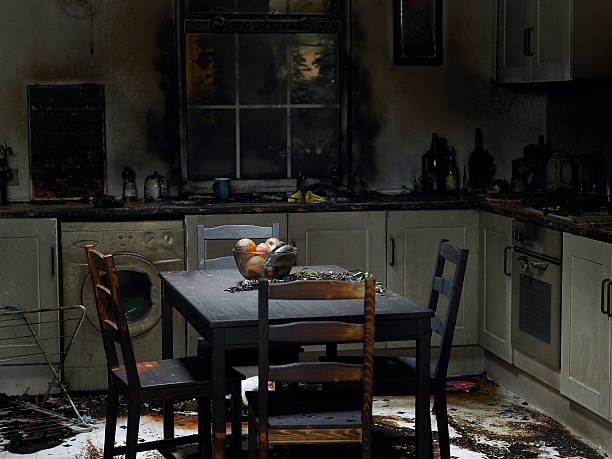
Even small holiday cooking fires can cause damage far beyond the stove:
- Structural: Heat can char cabinets, wall framing behind the range, and ceiling materials.
- Flooring: Water from putting out the fire soaks into hardwood, laminate, and subfloors.
- Electrical: Heat can melt wiring insulation inside walls and behind appliances.
- Odor: Smoke particles settle into drywall, cabinets, fabrics, and air ducts.
- Secondary mold: Damp materials left behind can start growing mold within 24 to 48 hours.
When to Call a Restoration Professional
Once the fire is out, cleanup gets technical fast. Water from hoses or extinguishers hides inside walls, under floors, and behind cabinets. Household fans and towels simply cannot reach it.
- Commercial extraction pulls standing water from floors and subfloors quickly.
- Thermal imaging finds hidden moisture inside walls without tearing them open.
- Industrial dehumidifiers dry materials to safe levels and help stop mold.
- Hospital-grade antimicrobials treat damp areas to limit bacteria and mold growth.
Specialized soot cleaning and deodorization then remove residue and smoke odor at the source. Professional help after holiday cooking fires also gives you the records your insurer will want.
PuroClean of Bloomington Can Help After a Kitchen Fire
PuroClean of Bloomington responds 24/7 across Bloomington, Normal, Hudson, Le Roy, Lexington, Chenoa, and Gridley. When holiday cooking fires strike, our team handles soot cleanup, water removal, odor control, and reconstruction. We document every step with photos and reports to support your claim. Learn how to file a fire damage insurance claim, or call (309) 433-0900 any time.
Frequently Asked Questions About Holiday Cooking Fires
Can I put out a grease fire with water?
No. Water makes burning oil splatter and spread, so cover the pan with a lid and turn off the heat.
Does homeowners insurance cover kitchen fire damage?
Most standard policies cover sudden, accidental fires. Check your policy and photograph all damage before cleanup starts.
How long does smoke odor last after a kitchen fire?
It can linger for weeks because smoke particles soak into porous materials. Professional deodorization removes the odor at its source.
Is it safe to cook after a small kitchen fire?
Wait until damaged appliances, outlets, and smoke alarms are checked. Clean away all soot first, since residue can contaminate food.