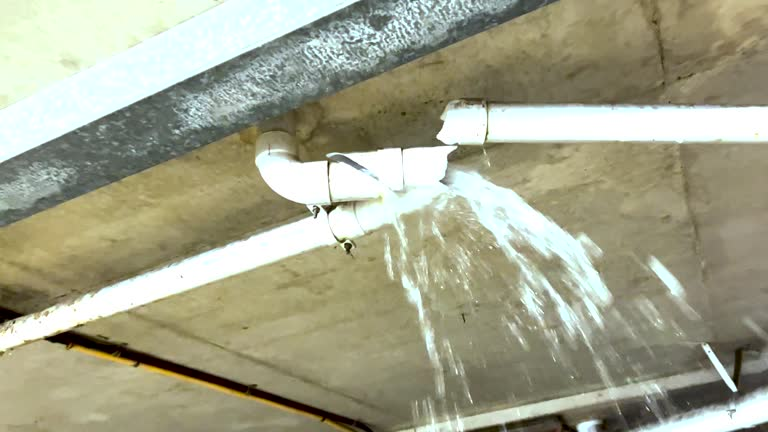
A small roof leak, clogged gutter, failing sump pump, or cracked pipe can lead to costly repairs if it goes unnoticed. The good news is that regular home maintenance to prevent water damage can catch these problems early. A simple home maintenance to prevent water damage checklist helps you spot warning signs, protect your property, and avoid preventable restoration emergencies.
Water can enter your home through the roof, foundation, plumbing system, windows, and appliances. Some problems develop suddenly, such as a burst pipe, while others begin with slow leaks or drainage issues that remain hidden for weeks.
For homeowners in Bloomington, Normal, and surrounding McLean County communities, seasonal home maintenance to prevent water damage is especially important because changing temperatures, heavy rain, snow, and freezing conditions put different parts of a home under stress.
At PuroClean of Bloomington, we help property owners address water damage restoration and related concerns. This guide explains what to inspect during each season, which warning signs to watch for, and how a consistent routine of home maintenance to prevent water damage can reduce your risk.
Why Home Maintenance to Prevent Water Damage Matters
Water damage does not always begin with a major flood. It can start with a loose plumbing connection, a damaged roof shingle, a clogged downspout, or condensation collecting in a poorly ventilated room. Without regular home maintenance to prevent water damage, small problems may go unnoticed until water begins damaging drywall, flooring, insulation, cabinets, or other building materials.
Prevent Small Leaks From Becoming Major Problems
A slow leak beneath a sink may seem harmless at first. Over time, however, it can damage cabinet bases, flooring, and nearby walls. A small roof leak may gradually affect attic insulation and ceiling materials. The EPA’s Fix a Leak Week resources explain how common household leaks waste water and how to find them.
Checking common problem areas regularly gives you a better chance of finding leaks before they spread.
Protect Your Foundation and Basement
Water collecting around your home’s foundation can increase the risk of basement seepage, damp walls, and damage to stored belongings or finished spaces.
Gutters, downspouts, grading, sump pumps, and foundation drainage all play a role in managing water around your property, and home maintenance to prevent water damage should cover each one. Good home maintenance to prevent water damage keeps these systems directing water away from vulnerable areas. If you already have a wet basement, see our basement flooding cleanup guide.
Reduce the Risk of Mold Growth
Mold can grow when moisture remains on suitable materials. Water-damaged drywall, wood, carpet, and insulation may support growth if they are not dried properly.
Preventing water intrusion and addressing leaks quickly can help reduce this risk. The U.S. Environmental Protection Agency recommends drying wet materials within 24 to 48 hours when possible to help prevent mold growth. Learn more about mold remediation if you suspect growth has already started.
Protect Your Investment
Water damage can affect more than the appearance of your home. It may require repairs to building materials, flooring, cabinets, or other structural components.
Routine home maintenance to prevent water damage cannot eliminate every risk, but it can help you find developing problems and address them before additional damage occurs.
Spring Home Maintenance to Prevent Water Damage
Spring is an important time to inspect your property after winter. Snow, ice, freezing temperatures, and seasonal rainfall can expose weaknesses in roofing, drainage, plumbing, and foundation protection.
As temperatures rise, focus your spring home maintenance to prevent water damage on moving water away from the home and checking for damage left behind by winter weather.
1. Inspect Your Roof for Winter Damage
Look for missing, cracked, or lifted shingles, damaged flashing, and signs of water intrusion around roof penetrations.
You can inspect the roof from the ground using binoculars or check the attic for visible water stains, damp insulation, or signs of a leak. Avoid climbing onto the roof yourself, particularly if it is steep or damaged.
If you notice missing shingles or other concerns, arrange for a qualified roofing professional to assess the roof and recommend repairs.
2. Clean Gutters and Downspouts
Gutters collect rainwater from the roof and direct it toward downspouts. When leaves, twigs, and other debris block the system, water can overflow and collect near the foundation.
Cleaning the gutters is a core part of home maintenance to prevent water damage, so clear them and check that downspouts are open. Make sure downspout extensions direct water away from the house rather than discharging it beside the foundation.
Check for sagging sections, loose fasteners, and damaged joints that may allow water to escape where it should not.
3. Check the Foundation and Basement
Inspect accessible foundation walls and basement surfaces for new cracks, water stains, peeling paint, damp patches, or musty odors.
Look for areas where rainwater collects near the foundation. If soil slopes toward the house, water may flow toward the basement instead of draining away.
Not every foundation crack indicates a serious problem, but new or widening cracks, persistent seepage, and recurring dampness deserve further evaluation.
4. Test Your Sump Pump
If your home has a sump pump, spring is a good time to confirm that it operates properly before periods of heavy rain.
Testing the pump is a simple piece of home maintenance to prevent water damage. Follow the manufacturer’s instructions to test the system safely. Check the discharge line for visible obstructions and make sure it directs water away from the foundation.
If your pump fails to start, makes unusual noises, or does not remove water effectively, arrange for service. Consider whether a backup system is appropriate for your home, especially if the basement is vulnerable to flooding.
5. Inspect Exterior Drainage
Check the soil around your home, the condition of drainage channels, and the placement of downspouts.
Look for low spots where water pools after rainfall. Make sure outdoor drains are not blocked by leaves or debris.
If water repeatedly collects near the foundation despite routine home maintenance to prevent water damage, a drainage professional may need to evaluate the property’s grading or drainage system.
Spring Home Maintenance to Prevent Water Damage Checklist
- Inspect the roof and flashing for winter damage.
- Clean gutters and check downspouts.
- Inspect the basement and accessible foundation walls.
- Test the sump pump according to the manufacturer’s instructions.
- Check outdoor drainage and areas where water pools.
- Inspect visible plumbing for leaks or corrosion.
Summer Home Maintenance to Prevent Water Damage
Summer brings warm temperatures, thunderstorms, heavy rain, and increased use of plumbing and cooling equipment. Although freezing pipes are less of a concern, roof leaks, appliance failures, air-conditioning drainage problems, and humidity can still cause water damage.
Use the warmer months for home maintenance to prevent water damage by inspecting systems that may be working harder and addressing problems before severe weather arrives. For storm preparation, Ready.gov’s flood guidance is a useful reference.
1. Inspect Your Air-Conditioning System
Air conditioners remove moisture from indoor air as they cool your home. That moisture usually drains through a condensate line.
If the drain becomes clogged or the system develops a problem, water may overflow into ceilings, walls, floors, or nearby equipment.
Check for signs of moisture around the indoor unit and the accessible drain line. If you notice water collecting where it should not, turn off the system if appropriate and contact an HVAC professional.
Follow the manufacturer’s maintenance guidance and arrange regular service. Servicing your cooling system is easy home maintenance to prevent water damage that pays off.
2. Check Washing Machines and Dishwashers
Appliances that use water can cause significant damage when hoses, seals, or connections fail.
Inspect the visible hoses and connections behind your washing machine, around your dishwasher, and near other water-using appliances. Look for cracks, bulges, corrosion, drips, or signs of previous leakage.
Replace worn components according to the manufacturer’s recommendations. If you discover an active leak, stop using the appliance until the problem has been addressed.
3. Inspect Windows and Exterior Doors
Heavy rain can enter through damaged seals, failed caulking, or poorly maintained window and door frames.
Look for peeling paint, soft wood, water stains, or damp areas around the frames. Check exterior caulking and weatherstripping for visible gaps or deterioration.
Repair damaged seals using materials suitable for the location. If water continues entering during storms, the problem may require a more detailed inspection of the window, door, siding, or surrounding structure.
4. Watch for Roof Leaks After Thunderstorms
Strong winds and heavy rainfall can damage shingles, flashing, and other roofing components.
After severe weather, check the roof from the ground and inspect ceilings and attic areas that can be accessed safely. Look for missing shingles, fallen branches, new water stains, or damp insulation.
If you suspect roof damage, arrange for a qualified roofing professional to assess it. If the roof has an opening and rainwater is entering, emergency roof tarping may help limit additional intrusion until permanent repairs can be completed.
5. Manage Indoor Humidity
Warm weather and humid air can contribute to condensation and dampness, especially in basements and poorly ventilated rooms.
Controlling humidity is another form of home maintenance to prevent water damage. Use bathroom exhaust fans, maintain appropriate ventilation, and consider a dehumidifier in areas that remain damp. A humidity monitor can help you track indoor relative humidity.
The EPA recommends keeping indoor relative humidity below 60% when possible, ideally between 30% and 50%.
Summer Home Maintenance to Prevent Water Damage Checklist
- Check the air-conditioning condensate drain and nearby surfaces.
- Inspect washing machine and dishwasher hoses.
- Check windows and doors for water intrusion.
- Inspect for roof damage after severe storms.
- Monitor humidity in basements and other damp areas.
- Check outdoor faucets and accessible hose connections for leaks.
Fall Home Maintenance to Prevent Water Damage
Fall is the time to prepare your home for colder temperatures and winter precipitation. Leaves can block gutters and drains, while neglected plumbing and exterior openings may become more vulnerable as temperatures drop.
Completing these home maintenance to prevent water damage tasks before freezing weather arrives can help reduce the risk of leaks, basement flooding, and winter pipe damage.
1. Remove Leaves From Gutters and Drains
Falling leaves can quickly block gutters, downspouts, and outdoor drainage points, which is why gutter care sits at the heart of fall home maintenance to prevent water damage.
Clean the system after leaves have accumulated, and check it again if nearby trees continue shedding leaves. Ensure downspouts discharge water away from the foundation.
Blocked gutters can cause water to overflow near exterior walls, potentially increasing the risk of basement seepage and damage to siding or other building materials.
2. Inspect and Protect Outdoor Faucets
Disconnect garden hoses before freezing temperatures arrive. Follow the faucet or plumbing manufacturer’s instructions for winter preparation, especially if you have older outdoor plumbing or an irrigation system.
If your home has frost-sensitive outdoor faucets or exposed pipes, determine whether they need to be shut off, drained, or insulated.
Do not assume that a pipe is protected simply because it is inside a garage or other partially enclosed space. Cold air can reach plumbing in unheated areas.
3. Check the Roof, Flashing, and Attic
Inspect accessible areas for signs of leaks, missing shingles, damaged flashing, and moisture around roof penetrations.
In the attic, look for water stains, damp insulation, or visible signs of moisture. Also consider whether ventilation and insulation conditions may be contributing to condensation.
Address roofing problems before winter weather makes repairs more difficult. If you find damage that could allow water into the building, arrange for a qualified professional to assess it.
4. Inspect Plumbing in Unheated Areas
Pipes in garages, crawl spaces, basements, and other cold locations may be vulnerable to freezing, so include them in your home maintenance to prevent water damage plan.
Look for exposed pipes, damaged insulation, dripping connections, and signs of corrosion. Have a qualified plumber evaluate vulnerable plumbing and recommend suitable insulation or other protective measures.
If you plan to leave home during cold weather, maintain appropriate indoor temperatures and take precautions recommended for your plumbing system.
5. Check Basement Storage and Floor-Level Items
Fall is a good time to organize basement storage before winter storms and temperature changes arrive.
Keep boxes, furniture, and valuable belongings off the basement floor when practical. Store important documents and items that are difficult to replace in waterproof containers or higher locations.
This will not prevent flooding, but it may reduce damage to belongings if water enters the basement.
Fall Home Maintenance to Prevent Water Damage Checklist
- [ ] Clean gutters and clear outdoor drains.
- [ ] Disconnect garden hoses and prepare outdoor faucets.
- [ ] Inspect roofing, flashing, and accessible attic areas.
- [ ] Check pipes in unheated spaces.
- [ ] Protect vulnerable plumbing before freezing weather.
- [ ] Raise or protect valuable basement belongings.
Winter Home Maintenance to Prevent Water Damage
Winter can bring frozen pipes, ice buildup, snow, and rapid temperature changes. Plumbing in cold areas of the home is particularly vulnerable, and even a small pipe break can release a large amount of water once the pipe thaws.
During winter, focus your home maintenance to prevent water damage on protecting vulnerable plumbing, maintaining safe indoor temperatures, and responding quickly to signs of leaks. Ready.gov’s winter weather guidance offers additional cold-weather preparedness tips.
1. Protect Pipes From Freezing
Pipes in unheated spaces, along exterior walls, and near openings that allow cold air inside may be at greater risk of freezing.
Pipe insulation is essential home maintenance to prevent water damage in cold weather. Insulate exposed pipes where appropriate and seal gaps that allow cold air to reach plumbing. During very cold weather, maintain adequate heat throughout the home, including rooms with vulnerable pipes.
If you plan to be away, avoid turning the heat off entirely. Follow appropriate winterization guidance for your home and plumbing system.
2. Know What to Do if a Pipe Freezes
A sudden reduction in water flow during freezing weather may indicate a frozen pipe. Do not ignore it, because the pipe may be damaged even if it has not started leaking.
If you suspect a frozen pipe, locate the affected area only if it is safe to do so. Never use an open flame to thaw plumbing. If you cannot safely address the situation or suspect a pipe has burst, contact a qualified plumber.
If a pipe bursts, shut off the main water supply if it is safe and accessible, stay away from electrical hazards, and arrange for the necessary repairs and water damage response. Our burst pipe cleanup team is available around the clock.
3. Watch for Ice Dams and Roof Leaks
Ice dams can develop when snow melts on a warmer section of the roof and refreezes near colder roof edges. The resulting buildup may interfere with normal drainage and contribute to water intrusion under certain conditions.
Warning signs may include icicles along the roof edge, ice buildup in gutters, or water stains near exterior walls and ceilings.
Do not climb onto an icy roof or attempt to remove ice with sharp tools. A qualified roofing professional can assess the situation and recommend appropriate measures.
4. Check Under Sinks and Around Appliances
Cold weather does not eliminate the risk of ordinary plumbing leaks. Inspect under sinks, around toilets, behind accessible appliances, and near water heaters for signs of moisture.
Look for dripping connections, damp cabinet bases, rust, and unexplained puddles. Catching a small leak early may help prevent damage to surrounding materials.
5. Know Where Your Main Water Shutoff Is Located
If a pipe bursts, knowing how to shut off the water can reduce the amount of water released into your home.
Knowing your shutoff valve is practical home maintenance to prevent water damage. Locate the main shutoff valve before an emergency occurs. Make sure household members know where it is and understand how to operate it.
If the valve is difficult to access or appears damaged, arrange for a plumber to evaluate it.
Winter Home Maintenance to Prevent Water Damage Checklist
- [ ] Insulate vulnerable pipes and seal cold-air openings.
- [ ] Maintain appropriate indoor temperatures.
- [ ] Watch for signs of frozen plumbing.
- [ ] Check ceilings and attic areas for signs of roof leaks.
- [ ] Inspect under sinks and around appliances.
- [ ] Locate and understand the main water shutoff valve.
Monthly Home Maintenance to Prevent Water Damage Tasks You Should Not Skip
Seasonal maintenance is helpful, but some home maintenance to prevent water damage checks are worth doing throughout the year. A short monthly walkthrough is simple home maintenance to prevent water damage that helps you spot changes before they become serious.
Inspect Under Sinks
Look beneath kitchen and bathroom sinks for dampness, dripping connections, swollen cabinet bases, or musty odors.
Check the areas around drainpipes and supply lines. If you notice moisture, determine whether it is coming from a plumbing leak, condensation, or another source.
Check Toilets for Leaks
Look for water around the base of each toilet and listen for unexplained running water. A faulty seal or internal component may waste water or allow moisture to affect nearby flooring.
If you suspect a leak at the toilet base, arrange for the cause to be identified and repaired rather than simply wiping up the water.
Inspect the Water Heater
Check the area around the water heater for puddles, corrosion, or signs of leakage. Follow the manufacturer’s guidance for maintenance and arrange for professional service when needed.
Water heaters can leak as connections deteriorate or equipment ages. If you find water around the unit, have the source evaluated promptly.
Look for New Stains and Musty Odors
Check ceilings, walls, baseboards, closets, and basement corners for new discoloration or unusual smells.
A musty odor does not prove that mold is present, but it can indicate dampness or a hidden moisture issue. Investigate the source rather than relying on air fresheners or surface cleaning.
Check Visible Plumbing and Appliance Connections
Look for corrosion, damaged hoses, loose connections, or water marks near plumbing fixtures and appliances.
You do not need to dismantle equipment to perform a basic visual check. If something appears damaged or you find an active leak, stop using the affected appliance if appropriate and contact a qualified professional.
Early Warning Signs Your Home Maintenance to Prevent Water Damage Missed
Even careful home maintenance to prevent water damage can miss slow problems, and some water damage warning signs are easy to overlook because they develop slowly. Knowing what to look for can help you respond before the affected area becomes more extensive.
Water Stains on Ceilings or Walls
Brown or yellow discoloration may indicate previous or ongoing water intrusion. A stain that grows, changes shape, or becomes damp again deserves attention.
Do not paint over a stain until the source has been identified and the affected material has been assessed.
Peeling Paint or Bubbling Drywall
Moisture can weaken paint adhesion and damage drywall. If a wall starts bubbling, swelling, or peeling without an obvious explanation, investigate possible water intrusion.
Warped or Buckling Flooring
Wood flooring, laminate, and other materials may swell or separate when exposed to water. A soft or uneven floor may also indicate moisture beneath the surface.
Avoid assuming the problem is cosmetic. The subfloor or nearby materials may need inspection.
Musty Smells
A persistent musty odor may suggest damp materials or hidden moisture, especially in basements, closets, and crawl spaces.
If the smell returns after cleaning or airing out the room, look for the source rather than masking the odor.
Unexplained Increases in Water Use
A sudden increase in your water bill may indicate a hidden plumbing leak, although other causes are possible.
Check accessible fixtures and plumbing connections. If you cannot identify the cause, a plumber may be able to investigate further.
What to Do if Home Maintenance to Prevent Water Damage Isn’t Enough
Even with consistent home maintenance to prevent water damage, water damage can still occur. A severe storm, unexpected pipe failure, appliance malfunction, or drainage problem may cause damage despite your best efforts.
If you discover water inside your home, take these steps when it is safe to do so.
1. Put Safety First
Stay away from standing water near electrical equipment, outlets, or damaged wiring. Do not enter an area with possible structural damage or contaminated floodwater.
If the property is unsafe, leave the affected area and contact the appropriate emergency professionals.
2. Stop the Water Source if Possible
If the problem is a plumbing leak and the shutoff valve is accessible and safe to use, turn off the water supply. If the water is entering through the roof or foundation, do not attempt dangerous repairs during a storm.
A plumber, roofing contractor, or other qualified professional may be needed to correct the source.
3. Document the Damage
Take photographs or videos of the affected areas and damaged belongings if it is safe to do so. Contact your insurance company to report the incident and ask about documentation requirements.
Keep records of emergency work, estimates, and repairs.
4. Remove Water and Begin Drying Safely
Minor water spills may be manageable if the water is clean and there are no electrical or other hazards. Significant flooding, sewage backups, and widespread water intrusion require more caution.
Do not use a regular household vacuum to remove standing water. If water has affected large areas or entered walls, flooring, or insulation, professional water mitigation may be needed.
5. Do Not Ignore Hidden Moisture
Water may travel beneath flooring, behind baseboards, and into wall cavities. Even if the surface appears dry, moisture may remain inside building materials.
Prompt assessment and appropriate drying can help reduce additional damage and the risk of mold growth.
How PuroClean of Bloomington Can Help After Water Damage
Home maintenance to prevent water damage helps reduce your risk, but some events are difficult to predict or prevent. When a pipe bursts, a basement floods, or a storm damages your roof, acting quickly can help limit further damage.
PuroClean of Bloomington helps homeowners and businesses in Bloomington, Normal, and surrounding McLean County communities with water damage restoration and related services.
Depending on the situation, the restoration process may include:
- Assessing visible water damage and affected materials.
- Extracting standing water when needed.
- Checking for moisture in walls, floors, and other building materials.
- Setting up appropriate drying equipment.
- Monitoring drying progress.
- Removing materials that cannot be properly restored.
- Coordinating necessary repairs and reconstruction.
The appropriate response depends on the source of the water, the extent of the damage, and the materials affected. For example, a clean plumbing leak may require a different response from a sewage backup or storm-related flood.
If you notice recurring dampness, unexplained water stains, or signs of a leak, do not wait until the damage becomes more extensive. For water damage emergencies, PuroClean of Bloomington is available 24/7. Contact us or call (309) 433-0900 to discuss the next steps for your property.
FAQs About Home Maintenance to Prevent Water Damage
1. What is the most important home maintenance to prevent water damage?
There is no single task that prevents every type of water damage. Keeping gutters clear, directing water away from the foundation, inspecting plumbing, maintaining the roof, and protecting vulnerable pipes can all help. The most important home maintenance to prevent water damage tasks for your home depend on its age, design, plumbing, drainage, and exposure to weather.
2. How often should I inspect my home for water leaks?
Build a brief visual check into your home maintenance to prevent water damage routine: look at accessible plumbing, under-sink cabinets, appliances, and basement areas monthly. Inspect gutters, roofing, exterior drainage, and other systems seasonally and after severe weather. If you notice unusual odors, water stains, or damp materials, investigate promptly rather than waiting for the next scheduled inspection.
3. How can home maintenance to prevent water damage stop basement flooding during heavy rain?
Keep gutters and downspouts clear, direct water away from the foundation, and address drainage problems around the property. If your home has a sump pump, test it according to the manufacturer’s instructions and consider whether a backup system is appropriate. Persistent basement seepage may require a professional drainage or foundation assessment.
4. Can regular home maintenance prevent mold?
Regular home maintenance to prevent water damage can reduce the risk of mold by helping prevent leaks, controlling indoor humidity, and identifying damp materials early. However, maintenance cannot guarantee that mold will never develop. If water damage occurs, address the moisture source and dry affected materials promptly. The EPA recommends drying wet materials within 24 to 48 hours when possible.
5. When should I call a water damage restoration company?
Consistent home maintenance to prevent water damage lowers your risk, but contact a restoration professional when water affects multiple rooms, soaks into walls or flooring, follows a major leak or flood, or involves potentially contaminated water. Professional assistance may also be appropriate when moisture is hidden, materials remain damp, or a musty odor develops after a water event. Prioritize safety and do not enter areas with electrical or structural hazards.
Final Thoughts: Protect Your Home With Seasonal Maintenance
Following a home maintenance to prevent water damage checklist helps you stay ahead of common problems throughout the year. Spring is a good time to inspect drainage and check for winter damage. Summer calls for attention to appliances, cooling equipment, and humidity. Fall is the time to clear gutters and prepare plumbing for cold weather as part of your home maintenance to prevent water damage plan, while winter requires extra care around vulnerable pipes and potential roof leaks.
Make home maintenance to prevent water damage part of your regular household routine, and address warning signs before they become bigger concerns. A little preventive work, in the form of steady home maintenance to prevent water damage, can help protect your property, belongings, and peace of mind.
If your home or business in Bloomington, Normal, or nearby communities experiences water damage despite your best efforts, PuroClean of Bloomington can help you understand your restoration options. Call (309) 433-0900 for assistance with water damage emergencies, day or night.