


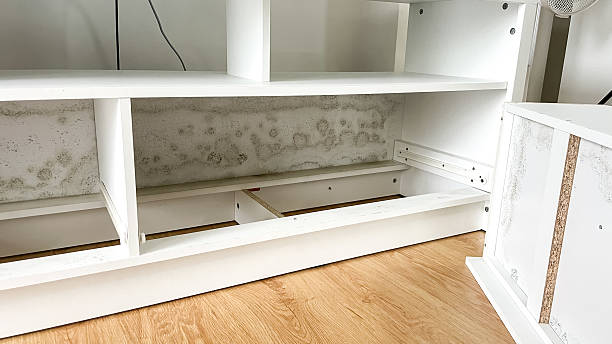
If you’ve opened your closet door and noticed a musty smell or dark spots on the wall, you’re not alone. Mold in closets is one of the most common problems we see in Bloomington homes, especially given our humid summers and cold, damp winters. In this guide, I’ll walk you through exactly why closets in Bloomington and central Illinois are so vulnerable, and the seven most effective steps you can take to prevent mold in your closet for good. At PuroClean of Bloomington, we’ve helped hundreds of local homeowners tackle closet mold before it spreads to the rest of the house.
Table of Contents
Why Bloomington Closets Are a Mold Hotspot
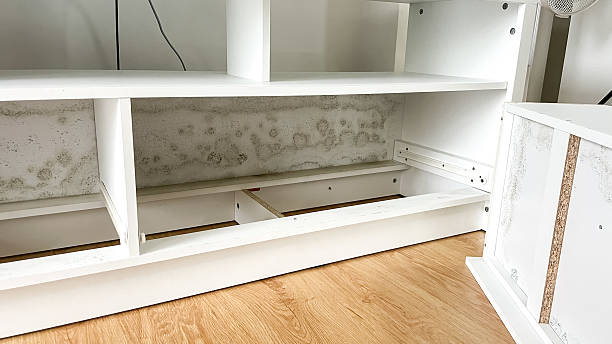
Bloomington sits in a climate zone that creates ideal mold conditions for several months out of the year. Hot, humid summers push moisture into every corner of your home, and closets, which rarely get direct sunlight or fresh airflow, hold onto that humidity long after the rest of your rooms dry out.
- Central Illinois regularly sees summer humidity levels above 70%, which is well above the 60% threshold where mold begins to grow rapidly.
- Closets along exterior walls experience dramatic temperature swings, creating the condensation that mold thrives on.
- Heating systems in older Bloomington homes can create warm pockets near interior closets, encouraging mold spore activity during winter months too.
Understanding why your closet is vulnerable is the first step toward knowing how to prevent mold in your closet before it becomes a bigger problem.
What Causes Mold to Grow in Closets?
Mold doesn’t appear randomly. It needs three things to take hold: moisture, warmth, and an organic surface to feed on. Closets provide all three in abundance, especially when they’re packed full of clothing, shoes, and cardboard boxes.
- Condensation on exterior walls is one of the leading causes of closet mold in Bloomington homes. Warm indoor air meets a cold wall surface and releases moisture directly onto drywall or wood.
- Wet or damp clothing stored in a closed space creates a localized moisture environment that mold can colonize within 24 to 48 hours.
- Cardboard boxes, fabric, leather, and wood shelving are all organic materials that mold feeds on directly.
- Poor or blocked ventilation traps humidity inside the closet, keeping moisture levels high even on dry days.
Once mold establishes itself on a wall or shelf, it can spread to surrounding materials quickly. That’s why prevention matters more than cleanup.
How to Prevent Mold in Closets with Better Airflow
Poor airflow is the single biggest driver of closet mold, and it’s also the easiest problem to fix. A closet with good circulation stays drier, which removes the moisture mold depends on to survive.
- Leave closet doors open for at least a few hours each day to allow fresh, drier air to circulate through the space.
- Install a small battery-operated fan or louvered closet door to keep air moving even when the door is closed.
- Avoid packing items tightly against all four walls. Leaving two to three inches of clearance between clothes and the wall significantly reduces trapped moisture.
- If you have a walk-in closet, consider adding a small USB-powered fan on a timer to run for an hour each morning.
Improving airflow doesn’t require a contractor or major renovation. Simple daily habits and a few inexpensive tools can dramatically reduce your closet’s mold risk.
Control Humidity to Stop Closet Mold Before It Starts
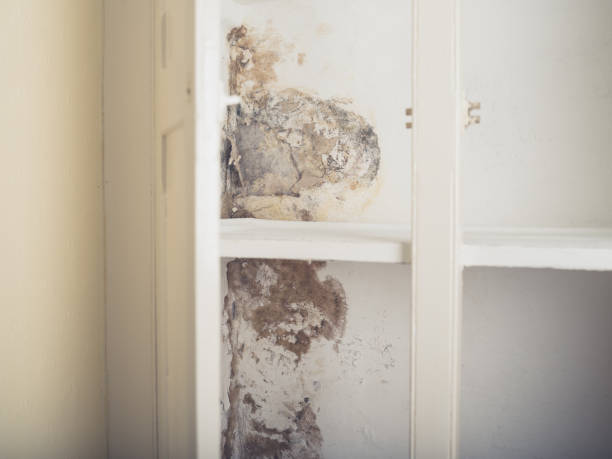
Humidity control is the most effective long-term strategy for how to prevent mold in closets, especially during summers. If the air inside your closet stays below 50% relative humidity, mold simply cannot grow.
- A small mini dehumidifier or a renewable moisture absorber like DampRid works well in standard bedroom closets and requires no electrical setup for the absorber version.
- Rechargeable silica gel packs are a cost-effective choice for smaller closets, shoe closets, and linen closets. Replace or recharge them every four to six weeks.
- A digital hygrometer costs under $15 and lets you monitor closet humidity so you know exactly when to take action.
- Keep your whole-home HVAC system maintained. A poorly functioning system can raise indoor humidity levels throughout the house, making individual closet solutions less effective.
If you’re already seeing signs of moisture buildup, call PuroClean of Bloomington at (309) 433-0900 for a fast response before mold gets a foothold.
Store Items the Right Way to Reduce Closet Mold Risk
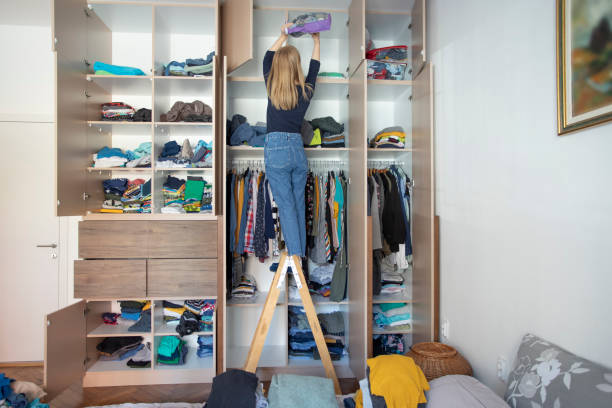
The way you store your belongings matters as much as the temperature and humidity in the space. Improper storage habits create pockets of trapped moisture that give mold everything it needs to grow.
- Never store damp or recently worn clothing in an enclosed closet. Allow items to air dry fully before hanging or folding them away.
- Use breathable fabric storage bins or canvas containers instead of sealed plastic totes when possible. Sealed plastic traps moisture against the items inside.
- Replace cardboard boxes with plastic bins if storing items long-term, but leave the lids slightly ajar or choose bins with ventilation slats.
- Keep shoes dry before placing them in your closet. Shoes worn in rain or snow carry significant moisture that can raise humidity levels in a small, enclosed space.
These adjustments eliminate the concentrated moisture pockets that mold uses to get established inside your storage areas.
Insulate and Seal Exterior Closet Walls to Block Condensation
In many Bloomington homes, closets built along exterior walls are especially prone to condensation during winters. When warm indoor air contacts a cold, poorly insulated wall, moisture drops directly onto drywall, wood, and stored items.
- Check the insulation behind your closet’s exterior wall. Adding or improving insulation reduces the temperature difference that causes condensation.
- Seal any gaps around baseboards, outlet covers, or where the wall meets the ceiling. Cold air infiltration dramatically increases condensation risk.
- Apply mold-resistant drywall or mold-inhibiting primer to closet walls when repainting or remodeling. These products add a layer of protection that standard paint does not provide.
- Caulk around any pipes or vents that pass through closet walls. These penetrations are common entry points for both cold air and moisture.
Addressing the wall itself gets to the root of condensation-related mold, rather than just managing symptoms at the surface level.
Use Mold-Resistant Products Inside Your Closet
Choosing the right materials and products for your closet gives you a lasting advantage against mold growth. Many homeowners don’t realize that small product choices can create a significantly less hospitable environment for mold spores.
- Mold-resistant paint with a built-in mildewcide is available at most hardware stores and works well on closet walls and ceilings. Apply it when you repaint, and it stays active for years.
- Wire shelving is preferable to solid wood shelving in humid closets. Wire allows air to pass through and does not provide an organic surface for mold to feed on.
- Cedar blocks or cedar-lined closets have natural antifungal properties and also help repel moths. Replace or sand cedar blocks every one to two years to restore their effectiveness.
- Avoid storing items wrapped in plastic dry-cleaning bags for extended periods. The plastic traps any existing moisture against the fabric and accelerates mold growth.
Selecting mold-resistant products is a one-time effort that pays off over years of worry-free storage.
Inspect Your Closet Regularly for Early Warning Signs
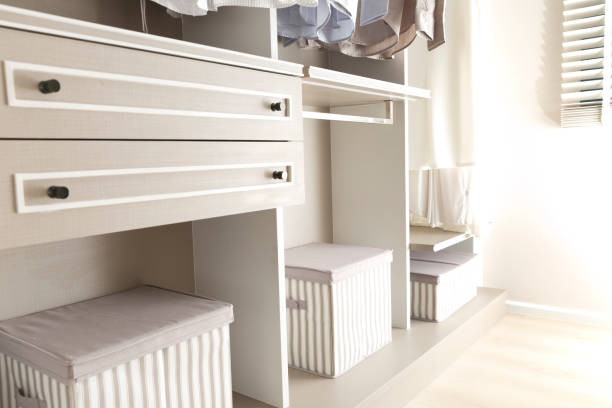
Knowing what to look for is just as important as knowing how to prevent mold in closets. Early detection allows you to address moisture issues before mold colonies become established and spread to adjacent walls or rooms.
- Check closet corners and the lower portion of exterior walls every two to three months. These areas are the first places condensation and mold appear.
- A musty or earthy smell in a closet is a reliable early warning sign, even before you can see visible mold growth on any surface.
- Look for discoloration on walls, baseboards, or the back of shelving units. Mold can appear as black, green, gray, or even white patches depending on the species and surface.
- Inspect stored items periodically for spots, fuzzy growth, or changes in texture, especially on natural fiber items like wool, cotton, or leather.
Catching mold early means the remediation process is faster, less invasive, and much less expensive.
When to Call a Professional for Closet Mold in Bloomington
Not every case of closet mold is a DIY job. If mold covers more than 10 square feet, if it has spread behind drywall, or if it keeps coming back after cleaning, you need professional mold removal services rather than a surface treatment.
- Mold that grows back within weeks of cleaning usually indicates a moisture source you haven’t identified yet, such as a slow pipe leak or condensation inside the wall cavity.
- Mold on the backside of drywall requires professional containment and removal because disturbing it without proper equipment spreads spores throughout the home.
- Homeowners with asthma, allergies, or compromised immune systems should not attempt to remove mold themselves due to the health risks involved.
- If the mold odor persists after cleaning, professional air scrubbing and treatment may be needed to fully eliminate spores from the air.
At PuroClean of Bloomington, our team uses professional-grade containment, HEPA filtration, and EPA-registered treatments to fully remediate mold at the source. Call us at (309) 433-0900 to schedule an inspection, and we’ll assess the situation and explain every step before any work begins.
FAQs About How to Prevent Mold in Closets
Why does my closet smell musty even though I don’t see any mold? A musty smell usually means mold is present but not yet visible. It may be growing on the backside of drywall, inside wall cavities, or on items stored at the back of the closet. A professional inspection can identify the source before visible damage occurs.
How do I get rid of mold in my closet permanently? Permanent prevention requires eliminating the moisture source, improving ventilation, and using mold-resistant products. Surface cleaning alone won’t keep mold away if the underlying humidity or condensation issue isn’t resolved.
Can closet mold make you sick? Yes. Mold releases spores that can trigger respiratory symptoms, allergic reactions, and worsen conditions like asthma. Prolonged exposure to elevated mold levels in enclosed spaces like closets increases health risks, especially for children and the elderly.
Is closet mold covered by homeowner’s insurance? It depends on the cause. Mold resulting from a sudden, covered water event like a burst pipe is often covered. Mold caused by long-term humidity or lack of maintenance is typically not. Contact your insurance agent to review your specific policy.
How often should I check my closet for mold in Bloomington? Inspect your closets every two to three months, with a more thorough check at the start of summer and after any periods of heavy rain or flooding. Bloomington humidity levels make seasonal inspections especially important.
Final Thoughts: Protecting Your Home from Closet Mold for Good
Preventing mold in your closet comes down to three core habits: controlling humidity, improving airflow, and storing items correctly. Most of the solutions in this guide are low-cost and easy to implement, and addressing them now saves you from far more expensive remediation work down the road. Bloomington homeowners face real seasonal challenges with humidity and condensation, but with the right approach, closet mold doesn’t have to be an ongoing problem in your home.
If mold has already appeared in your closet, or if you’ve been dealing with a recurring problem that keeps coming back no matter what you try, don’t wait it out.
📞 Call PuroClean of Bloomington for closet mold removal and how to prevent mold in your closet for good today at (309) 433-0900 or visit our website. Don’t let closet mold spread to the rest of your home and belongings, get trusted, local professional help today.
Our Service Areas
-
 Arrowsmith
-
Bay View Garden
-
Benson
-
Carlock
-
Chenoa
-
Colfax
-
Congerville
-
Cooksville
-
Deer Creek
-
East Peoria
-
El Paso
-
Ellsworth
-
Eureka
-
Flanagan
-
Germantown Hills
-
Goodfield
-
Gridley
-
Holder
-
Hudson
-
Kappa
-
La Rose
-
Le Roy
-
Lexington
-
Merna
-
Metamora
-
Minonk
-
Morton
-
Normal
-
Panola
-
Peoria
-
Peoria Heights
-
Roanoke
-
Secor
-
Spring Bay
-
Towanda
-
Washburn
-
Washington