


Your home may feel comfortable, but hidden moisture could be creating problems you cannot see. High indoor humidity can lead to mold growth, water damage, poor indoor air quality, and costly repairs if it goes unchecked. Whether the humidity comes from summer weather, plumbing leaks, or poor ventilation, taking action early can save you time, money, and stress.
At PuroClean of Bloomington, we help homeowners throughout Bloomington, IL identify moisture problems, restore water-damaged properties, and prevent mold before it spreads.
This guide explains why indoor humidity matters, what causes it, the warning signs to watch for, how to reduce moisture levels, and when it is time to call a professional.
1. What Causes High Indoor Humidity?
Many homeowners do not realize how easily indoor humidity can increase. Everyday activities and hidden moisture sources often contribute to excessive humidity throughout the home.
Understanding the cause helps you prevent future problems.
Daily Household Activities
Normal routines produce a surprising amount of moisture.
- Cooking, showering, and washing clothes release water vapor into the air.
- Running appliances without proper ventilation increases indoor moisture.
- Drying clothes indoors can raise humidity levels.
- Large families naturally generate more indoor moisture through everyday activities.
Plumbing Leaks
Small leaks can create big humidity problems.
- Dripping pipes behind walls often go unnoticed.
- Leaking water heaters add moisture to enclosed spaces.
- Slow leaks beneath sinks can increase humidity in cabinets.
- Hidden plumbing problems may continue for weeks before becoming visible.
Seasonal Weather
Outdoor conditions also affect your home.
- Summer heat often brings high humidity indoors.
- Heavy rainfall increases moisture around your foundation.
- Open windows on humid days allow damp air inside.
- Poor insulation can contribute to condensation.
Identifying the moisture source is the first step toward protecting your home.
2. Why Is Indoor Humidity a Problem?

Excess indoor humidity does more than make your home feel uncomfortable. It creates conditions that allow moisture-related problems to develop throughout your property.
Ignoring humidity today can lead to expensive restoration tomorrow.
Mold Can Grow Quickly
Mold thrives in damp environments.
- High humidity provides the moisture mold needs to grow.
- Basements, bathrooms, and attics are especially vulnerable.
- Mold often develops behind walls before becoming visible.
- Musty odors frequently appear before mold is seen.
Building Materials Can Be Damaged
Moisture affects your home’s structure.
- Drywall may absorb excess moisture.
- Wood framing can warp over time.
- Paint may blister or peel.
- Flooring materials can swell or become damaged.
Indoor Comfort Declines
Humidity changes how your home feels.
- Rooms may feel warmer than the thermostat indicates.
- Sticky indoor air can become uncomfortable.
- Condensation may form on windows.
- Unpleasant odors become more noticeable.
Keeping humidity under control protects both your home and your comfort.
3. What Are the Warning Signs of High Indoor Humidity?

Recognizing the signs of excessive indoor humidity allows homeowners to address moisture problems before significant damage occurs.
Routine inspections can prevent expensive repairs.
Condensation on Windows
Moisture often appears on glass first.
- Water droplets collect on window panes.
- Condensation may remain throughout the day.
- Window frames can develop moisture damage.
- Repeated condensation may encourage mold growth.
Musty Odors
Unpleasant smells deserve attention.
- Damp odors often indicate hidden moisture.
- Basements commonly develop musty smells.
- Closets and storage areas may trap humid air.
- Odors that return after cleaning should be investigated.
Visible Moisture Damage
Some warning signs are easy to spot.
- Peeling wallpaper or paint.
- Water stains on ceilings or walls.
- Damp carpeting.
- Mold around windows or baseboards.
Early detection helps prevent larger restoration projects.
4. How Can You Reduce Indoor Humidity?
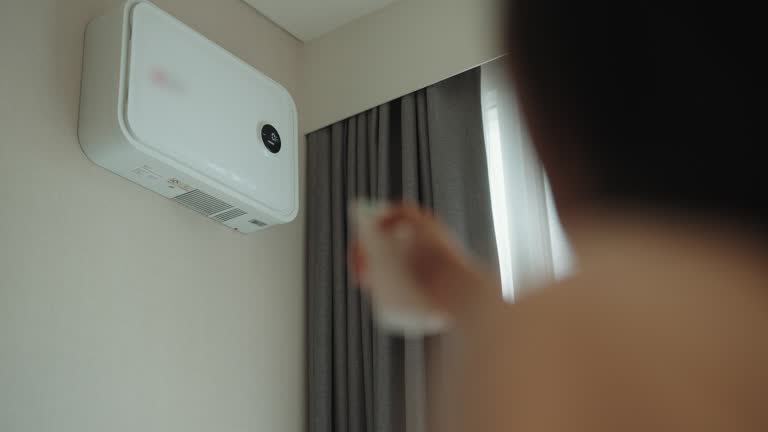
Fortunately, homeowners can take several practical steps to lower indoor humidity before it leads to mold or water damage.
Consistent maintenance is the key to long-term moisture control.
Improve Ventilation
Moving moist air outside helps reduce humidity.
- Run bathroom exhaust fans during and after showers.
- Use kitchen exhaust fans while cooking.
- Vent dryers directly outdoors.
- Improve airflow throughout the home.
Use a Dehumidifier
Removing moisture from the air is highly effective.
- Place dehumidifiers in basements or crawl spaces.
- Empty the collection tank regularly.
- Clean filters according to manufacturer recommendations.
- Monitor humidity levels throughout the year.
Repair Water Problems Promptly
Moisture should never be ignored.
- Fix plumbing leaks immediately.
- Repair roof leaks after storms.
- Dry wet materials as quickly as possible.
- Address foundation leaks before they worsen.
Reducing humidity today helps prevent expensive restoration tomorrow.
5. Which Areas of the Home Are Most at Risk?
Certain areas naturally experience higher indoor humidity than others. Knowing where to inspect helps homeowners identify problems before mold spreads.
Routine inspections make a big difference.
Basements
Basements often collect moisture.
- Limited airflow traps humid air.
- Foundation walls may allow moisture inside.
- Stored belongings reduce air circulation.
- Damp concrete surfaces encourage mold growth.
Bathrooms
Bathrooms produce large amounts of moisture.
- Steam from showers raises humidity.
- Poor ventilation allows moisture to linger.
- Leaking plumbing may remain hidden.
- Grout and caulking can trap moisture.
Attics
Warm air often rises into attic spaces.
- Poor ventilation traps humid air.
- Roof leaks increase moisture.
- Improperly vented exhaust fans add humidity.
- Condensation can develop beneath the roof.
These areas deserve regular inspections throughout the year.
If you’re already noticing musty odors, condensation, or visible mold caused by indoor humidity, call PuroClean of Bloomington at (309) 433-0900 for a fast response.
6. What Happens If You Ignore Indoor Humidity?
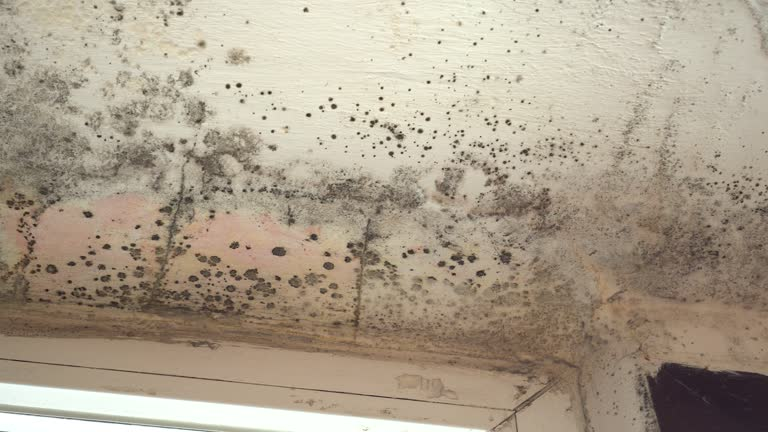
Many homeowners assume humidity is only a seasonal inconvenience. Unfortunately, excessive indoor humidity can lead to long-term property damage when left untreated.
Small problems often become much larger over time.
Mold May Spread
Persistent moisture creates ideal conditions.
- Mold colonies continue expanding.
- Hidden mold affects additional rooms.
- Cleanup becomes more extensive.
- Restoration costs often increase.
Structural Damage Can Develop
Building materials weaken over time.
- Wood framing may deteriorate.
- Drywall may soften.
- Insulation can become less effective.
- Flooring materials may require replacement.
Restoration Costs Can Increase
Delayed action usually leads to larger repairs.
- More materials may need replacement.
- Drying takes longer.
- Mold remediation becomes more involved.
- Recovery timelines increase.
Addressing humidity early is often the most affordable solution.
7. Why Homeowners Trust PuroClean of Bloomington
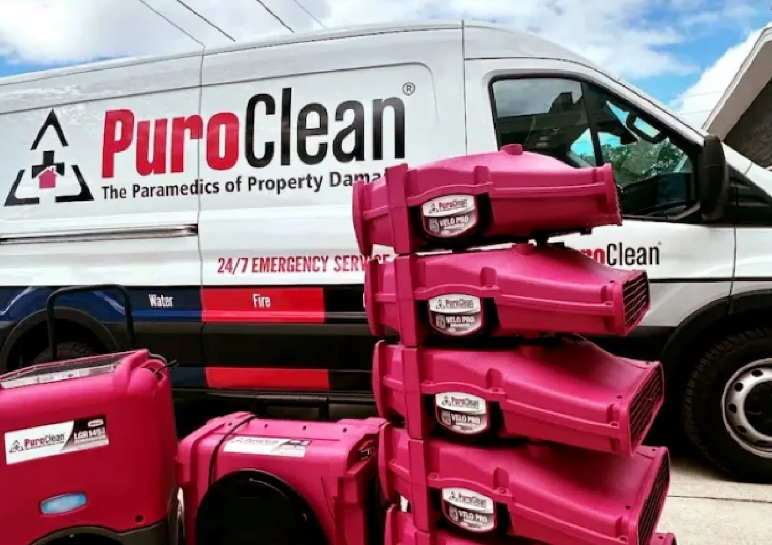
Managing indoor humidity sometimes requires more than opening windows or running a dehumidifier. When moisture has already caused water damage or mold growth, professional restoration is the smartest next step.
At PuroClean of Bloomington, we provide dependable restoration services designed to restore your home and help prevent future moisture problems.
Thorough Moisture Assessment
Every restoration project begins with a detailed inspection.
- Moisture sources are identified.
- Hidden water damage is located.
- Affected materials are evaluated.
- Customized restoration plans are developed.
Comprehensive Restoration Services
Humidity problems often begin with water intrusion.
- Water damage restoration
- Mold removal
- Fire and smoke damage restoration
- Biohazard cleanup
- Reconstruction services
Trusted Local Professionals
We proudly serve homeowners throughout Bloomington and surrounding communities.
- Fast emergency response.
- Experienced restoration technicians.
- Professional drying equipment.
- Clear communication throughout the restoration process.
Our goal is to restore healthy indoor environments and help homeowners protect their investment.
FAQs About Indoor Humidity
What is the ideal indoor humidity level for a home?
Most homes should maintain indoor humidity between 30% and 50% to reduce the risk of mold growth and improve indoor comfort.
Can high indoor humidity cause mold?
Yes. Excess moisture creates the conditions mold needs to grow on drywall, wood, carpeting, insulation, and other building materials.
How can I tell if my home has high indoor humidity?
Common signs include condensation on windows, musty odors, peeling paint, damp surfaces, and visible mold growth.
Will a dehumidifier solve indoor humidity problems?
A dehumidifier can help lower humidity, but you should also repair leaks, improve ventilation, and address any moisture intrusion affecting your home.
When should I call a professional about indoor humidity?
If humidity remains high despite your efforts, or if you notice mold, water damage, or persistent moisture, contact a restoration professional for a thorough inspection.
Final Thoughts – Protect Your Home by Controlling Indoor Humidity
Ignoring indoor humidity can lead to mold growth, water damage, poor indoor air quality, and expensive repairs that could have been prevented. By improving ventilation, fixing leaks promptly, monitoring humidity levels, and scheduling professional inspections when needed, you can create a healthier and safer home for your family. Taking action early is the best way to prevent moisture from becoming a major restoration project.
📞 Call PuroClean of Bloomington for help with indoor humidity, water damage restoration, or mold removal today at (309) 433-0900, or visit our website.
Don’t let excess moisture damage your home or your belongings. Get trusted professional help today.