


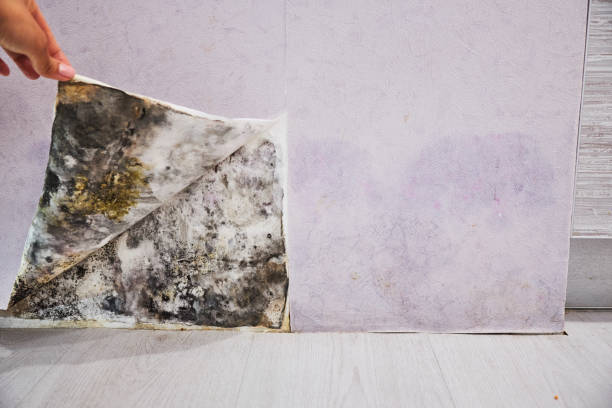
Mold is quietly becoming one of the most expensive liabilities in property management, and if you’re a property manager in Bloomington, IL, you already know how fast a small moisture problem can spiral into a full-scale mold damage remediation crisis. At PuroClean of Bloomington, we work with property managers across central Illinois to stop mold before it empties units, triggers legal action, and destroys asset value. This article covers the causes, warning signs, legal risks, and the exact steps you should take to protect your properties and your tenants in 2026.
Table of Contents
Why Mold Is a Growing Liability for Property Managers in 2026

The property management industry is facing a sharper spotlight on indoor air quality than ever before. Tenant awareness has increased, housing advocacy groups are more active, and local code enforcement agencies are enforcing habitability standards with less tolerance for delays. Mold is no longer a background issue you can address during the next scheduled turnover.
- Mold complaints filed against landlords and property managers have increased steadily over the past several years, with moisture-related habitability disputes ranking among the top tenant grievances nationally.
- Illinois landlord-tenant law places the burden of maintaining habitable conditions squarely on the property owner or managing party, which means you carry the liability when mold is present and unremediated.
- Multi-unit properties face compounding risk because mold inside one unit’s walls can migrate through shared HVAC systems, plumbing chases, and building cavities to affect adjacent units.
- Vacancies caused by mold complaints cost the average property manager far more than the remediation itself once you factor in lost rent, turnover costs, and potential legal fees.
Understanding why mold is escalating as a liability in 2026 is the first step toward managing it proactively rather than reactively.
The Most Common Causes of Mold in Rental Properties
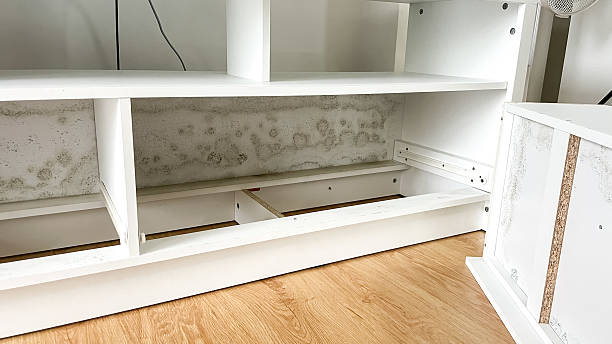
Mold does not appear randomly. It grows where moisture exists and where it goes undetected long enough to colonize. In rental properties, the root causes tend to fall into predictable categories that you can address systematically.
- Delayed maintenance responses are the leading cause of mold in managed properties. A slow leak under a kitchen sink or a dripping roof flashing can saturate building materials for weeks before anyone notices.
- HVAC systems that are not serviced regularly accumulate condensation and organic debris inside ductwork, creating an ideal environment for mold spores to multiply and circulate throughout the building.
- Tenant behavior, including drying laundry indoors, blocking ventilation, or failing to report leaks, contributes significantly to moisture buildup, particularly in units with lower natural airflow.
- Crawl spaces, basement utility rooms, and the areas behind bathroom fixtures are the most overlooked moisture zones in residential rental properties, and they are frequently where mold damage originates.
Identifying the root cause is not optional during mold damage remediation. Removing visible mold without eliminating the moisture source guarantees the problem returns.
3. How to Identify Mold Damage Before Tenants Do
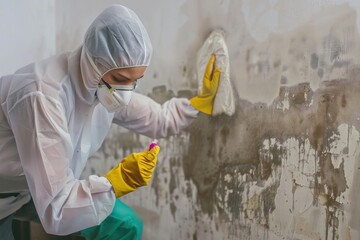
Proactive inspections are one of the most valuable habits a property manager can build. Catching mold early reduces remediation scope, cost, and legal exposure significantly. Waiting for a tenant complaint puts you in a defensive position you do not want to be in.
Visual Warning Signs
- Discoloration on walls or ceilings, especially gray, green, or black patches that appear near plumbing fixtures or exterior walls, almost always indicates active mold growth.
- Paint or wallpaper that is bubbling, peeling, or separating from the substrate signals moisture trapped behind the surface, which is often already supporting mold colonies.
Sensory and Environmental Clues
- A persistent musty or earthy odor in a unit, even when no visible mold is present, is a reliable indicator that mold is growing inside wall cavities, under flooring, or inside HVAC components.
- Tenants who report chronic allergy-like symptoms including congestion, coughing, or eye irritation that improve when they leave the property may be responding to elevated mold spore counts inside the unit.
Routine inspections at lease renewals, after any water intrusion event, and during seasonal HVAC servicing give you the best chance of catching mold damage before it becomes a remediation emergency.
4. The Legal and Financial Risks of Ignoring Mold

Ignoring mold in a managed property is not a calculated risk. It is a liability that compounds over time. Illinois law treats mold as a habitability issue, and property managers who fail to act on known mold conditions face consequences across multiple fronts.
- Under the Illinois Residential Landlord and Tenant Act, tenants have the right to withhold rent, terminate leases, or pursue legal action if a landlord fails to maintain habitable living conditions, and documented mold is treated as a habitability violation.
- Property insurance claims related to mold are often denied or limited when the insurer determines the damage resulted from long-term neglect rather than a sudden, covered event. Acting quickly protects your coverage.
- Mold damage that spreads into structural materials such as subfloor, framing, or drywall can reduce the property’s appraised value and complicate refinancing or sale transactions.
- A single mold-related lawsuit, even one that settles without going to court, can cost tens of thousands of dollars when you factor in legal fees, remediation, tenant relocation, and lost income.
If you are already seeing signs of mold in one of your units, call PuroClean of Bloomington at (309) 433-0900 for a fast, professional response before the situation escalates.
5. Prevention Strategies That Actually Work at Scale
Preventing mold across a portfolio of properties requires systems, not just good intentions. One-off fixes do not scale. Property managers who consistently avoid serious mold damage remediation costs build prevention into their maintenance workflow from the start.
- Implement a moisture audit protocol for every unit at least once annually. This includes checking under sinks, inspecting bathroom caulking and grout, and testing exhaust fan functionality in kitchens and bathrooms.
- Install humidity monitors in units with known moisture vulnerability, including basement-level apartments, units above parking structures, and properties with known HVAC condensation issues.
- Create a written leak response policy that requires maintenance staff to begin drying and inspection within 24 hours of any reported water intrusion, regardless of how minor it appears.
- Educate tenants at move-in with simple written guidance on ventilation habits, reporting obligations, and the consequences of delayed reporting. Informed tenants are your first line of early detection.
Consistent prevention reduces the frequency and severity of mold damage across your portfolio, which directly protects your net operating income and your reputation as a property manager.
6. What Professional Mold Damage Remediation Actually Involves
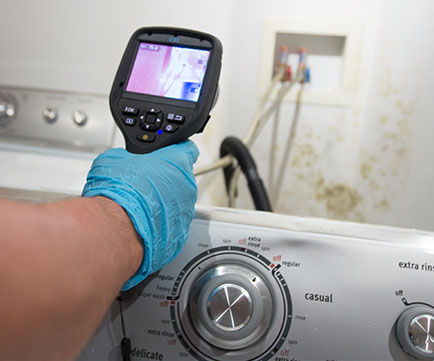
Many property managers underestimate the scope of proper mold damage remediation because they have only seen surface-level cleaning done by general maintenance staff. Professional remediation is a structured, multi-phase process that is designed to eliminate mold completely rather than just making it invisible temporarily.
Inspection and Containment
- A certified remediation professional begins with a thorough inspection that often includes moisture meters, thermal imaging, and air sampling to locate all affected areas, including those hidden inside walls or under flooring.
- Containment barriers using negative air pressure and heavy plastic sheeting isolate the work area so that mold spores disturbed during removal do not migrate to unaffected parts of the building.
Removal and Treatment
- Porous materials including drywall, insulation, and carpet that are saturated with mold growth are removed and properly disposed of according to industry and regulatory guidelines.
- Non-porous surfaces are treated with EPA-registered antimicrobial solutions and physically scrubbed clean. Air scrubbers with HEPA filtration run throughout the process to capture airborne spores.
Verification and Clearance
- Post-remediation air quality testing confirms that spore counts have returned to safe levels before the space is cleared for re-occupancy or reconstruction.
At PuroClean of Bloomington, we follow the IICRC S520 standard for mold damage remediation, which is the industry benchmark for safe, effective mold removal in both residential and commercial properties.
7. When to Call a Pro Instead of Handling It In-House
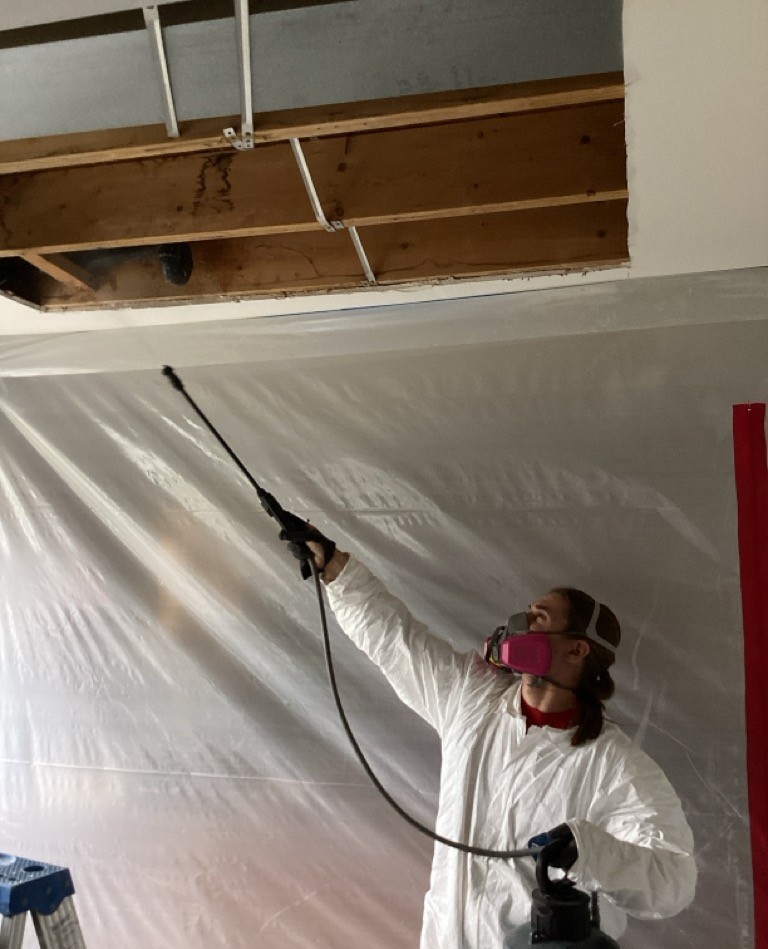
Property managers often try to handle small mold patches with maintenance staff to save money. In many cases, this approach spreads the problem, delays proper remediation, and increases total cost. Knowing when professional involvement is necessary protects your investment and your tenants.
- Any mold growth covering more than 10 square feet should be handled by a licensed remediation professional. This is the threshold established by the EPA for professional intervention, and it exists for good reason.
- Mold found in HVAC systems, air handlers, or ductwork always requires professional remediation because improperly handled HVAC mold spreads spores building-wide during normal system operation.
- If a tenant has reported health symptoms that may be related to indoor air quality, professional testing and remediation are the only defensible response from a legal and risk management standpoint.
- Recurring mold in the same location after maintenance cleaning is a clear signal that the moisture source has not been properly identified or resolved, which requires professional diagnostic work.
Our team at PuroClean of Bloomington responds quickly to property managers across Bloomington, IL and the surrounding areas. Call us at (309) 433-0900 and we will assess the situation, explain the scope, and give you a clear plan of action.
8. Protecting Your Properties Long-Term After Remediation
Completing a mold damage remediation project is not the finish line. What you do after remediation determines whether the problem stays resolved or returns within months. Long-term protection requires both physical upgrades and process discipline.
- Request a detailed written remediation report from your contractor that documents every area treated, materials removed, and post-clearance test results. This report protects you legally and supports future insurance or disclosure requirements.
- Address the root moisture source permanently as part of the reconstruction phase. Whether that means regrading drainage, replacing plumbing, upgrading ventilation, or installing a vapor barrier in a crawl space, the fix must be structural, not cosmetic.
- Schedule a follow-up moisture inspection 60 to 90 days after remediation is complete to confirm that humidity levels remain stable and that no new moisture intrusion has occurred.
- Update your property maintenance records to flag the affected unit or area for priority inspection at every future lease renewal or routine walkthrough.
Treating remediation as an investment in asset protection rather than a reactive expense changes how you manage the process and produces better long-term outcomes for your properties and your tenants.
FAQs About Mold Damage Remediation
How long does mold damage remediation typically take for a rental unit? Remediation timelines vary based on the extent of the damage, but most single-unit residential jobs take between one and five days. Larger projects involving multiple rooms, HVAC systems, or structural materials can take longer and may require tenant relocation during the process.
Am I required by law in Illinois to disclose mold to prospective tenants? Illinois does not currently have a specific statewide mold disclosure statute, but landlords are required to maintain habitable conditions under the Illinois Residential Landlord and Tenant Act. Knowingly renting a unit with an active mold problem without addressing it exposes you to significant legal liability regardless of disclosure requirements.
Can mold come back after professional remediation? Mold can return if the original moisture source is not permanently resolved. Professional remediation removes the existing mold effectively, but it does not prevent future growth if leaks, condensation, or humidity problems persist. Fixing the moisture problem is as important as the remediation itself.
How do I know if a mold remediation company is qualified? Look for companies that hold IICRC certification in mold remediation (the S520 standard), carry proper licensing and insurance in Illinois, and provide a written scope of work along with post-clearance testing results. Certifications and documented processes are the clearest indicators of professional-grade work.
What is the difference between mold removal and mold remediation? Mold removal typically refers to surface-level cleaning of visible mold. Mold damage remediation is a comprehensive process that includes identifying the source, containing the affected area, removing contaminated materials, treating surfaces, and verifying through air testing that the environment is safe. Remediation is the industry standard for rental property situations.
Protect Your Properties and Your Tenants With the Right Response
Mold damage remediation is one of the most consequential responsibilities a property manager carries in 2026. Catching moisture problems early, responding with a documented process, and partnering with certified professionals protects your tenants, your portfolio value, and your legal standing all at once. The property managers who handle mold well are the ones who build prevention into their systems before problems develop, not just after they appear.
Do not let mold damage turn a manageable maintenance issue into a vacancy, a lawsuit, or a costly structural repair. The investment in professional remediation is almost always far smaller than the cost of delay.
📞 Call PuroClean of Bloomington for mold damage remediation and mold removal services today at (309) 433-0900 or visit our website. Do not let mold ruin your property value, your tenant relationships, or your reputation as a property manager. Get trusted professional help today.