


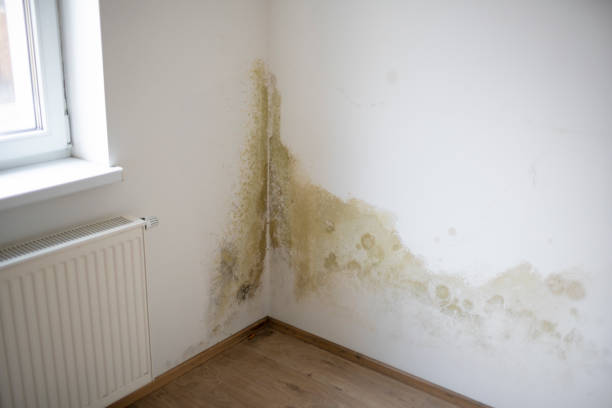
Summer heat can make your home feel warm and uncomfortable, but the bigger concern may be what you cannot see. High temperatures, humidity, condensation, and hidden moisture can accelerate mold growth in basements, attics, crawl spaces, bathrooms, and other areas of your home.
At PuroClean of Bloomington, we help homeowners throughout Bloomington, IL identify moisture problems, remove mold, and restore properties before a small issue becomes a major concern.
This guide explains why summer weather can accelerate mold growth, where mold commonly appears, which warning signs to watch for, how to prevent it, and when professional mold removal is the smart next step.
1. Why Does Summer Heat Accelerate Mold Growth?
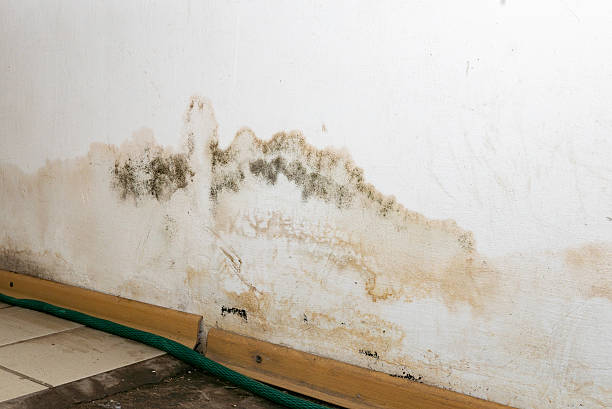
Warm temperatures alone do not cause mold growth, but heat combined with moisture creates favorable conditions for mold to develop. During Bloomington summers, outdoor humidity, rain, air conditioning condensation, and poor ventilation can all increase moisture inside your home.
Controlling moisture is the most important part of preventing summer mold problems.
Warm, Humid Air Adds Moisture
Humidity is one of the biggest contributors to mold problems.
- Warm outdoor air can enter through open windows, doors, and small gaps.
- Basements and crawl spaces can trap humid air for long periods.
- Poor ventilation prevents moisture from leaving the home.
- High indoor humidity can keep building materials damp.
Summer Storms Introduce Water
Heavy rain can create hidden moisture problems.
- Roof leaks may allow water into attic spaces.
- Foundation cracks can let rainwater into basements.
- Damaged gutters can direct water toward the foundation.
- Storm-related leaks may remain hidden behind walls.
Air Conditioning Creates Condensation
Your HVAC system removes moisture from indoor air as it cools your home.
- Clogged condensate drains can cause water to back up.
- Damaged drain pans may leak.
- Frozen coils can release excess water when they thaw.
- Condensation around ductwork can create damp areas.
When heat and moisture occur together, the risk of mold growth increases significantly.
2. Where Does Mold Growth Commonly Occur During Summer?
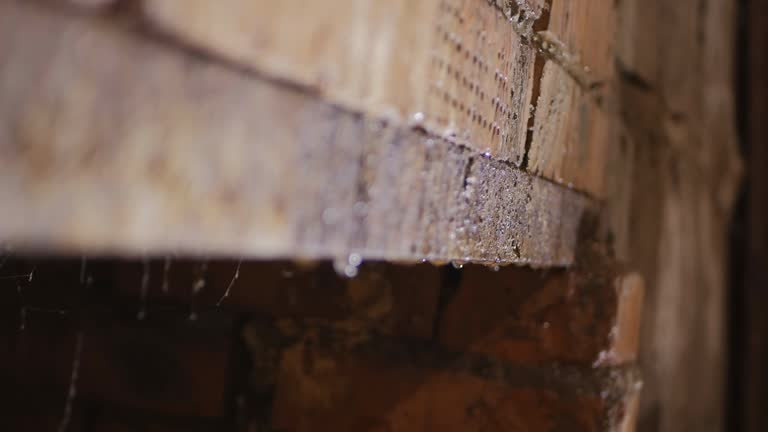
Mold does not grow only where you can see it. Summer moisture can create conditions for mold growth in dark, enclosed areas where homeowners rarely look.
Knowing the highest-risk locations makes routine inspections more effective.
Basements and Crawl Spaces
These areas often hold more moisture than other parts of the home.
- Foundation walls can allow moisture to enter.
- Poor airflow keeps damp air trapped.
- Wet floors can remain damp for extended periods.
- Stored belongings can block ventilation.
Attics
Attics can become extremely hot during summer.
- Roof leaks can introduce water.
- Poor ventilation traps warm, moist air.
- Bathroom exhaust fans may release moisture into the attic.
- Condensation can develop on roof decking.
Bathrooms and Laundry Areas
Everyday household activities produce moisture.
- Hot showers increase humidity.
- Poorly ventilated bathrooms stay damp longer.
- Washing machines can develop small leaks.
- Wet towels and clothing add moisture to the air.
Regularly checking these areas can help you catch mold growth before it spreads.
3. What Are the Warning Signs of Summer Mold Growth?
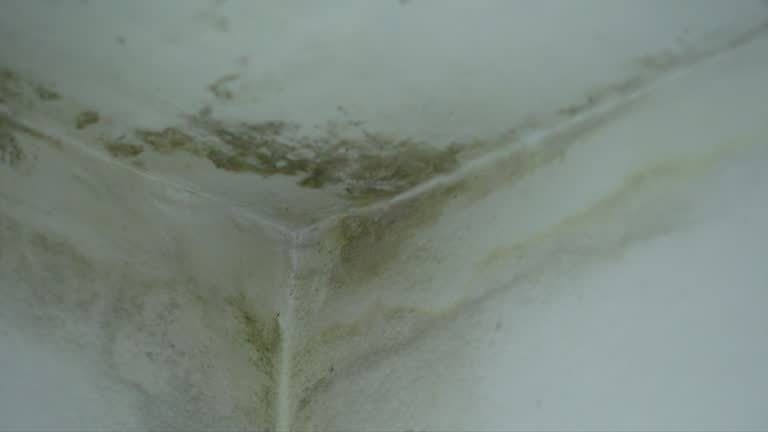
Mold is not always visible when it first begins developing. Recognizing early signs of mold growth can help you address moisture problems before they affect larger areas of your home.
Pay attention to changes in smell, appearance, and moisture.
Musty Odors
Your nose may detect mold before your eyes do.
- Persistent musty smells can indicate hidden moisture.
- Odors may become stronger during hot, humid weather.
- Basements and closets often reveal musty smells first.
- HVAC systems may spread odors throughout the home.
Discoloration and Staining
Changes to building materials deserve attention.
- Dark spots may appear on drywall.
- Ceiling stains can indicate a roof or plumbing leak.
- Window frames may develop dark discoloration.
- Baseboards may show signs of moisture.
Changes in Materials
Moisture can affect your home in several ways.
- Paint may bubble or peel.
- Wallpaper can separate from walls.
- Wood may warp or discolor.
- Carpet may feel damp or develop an odor.
These signs should not be treated as simple summer inconveniences. They may indicate an underlying moisture problem that needs attention.
4. How Can You Prevent Mold Growth During Summer?
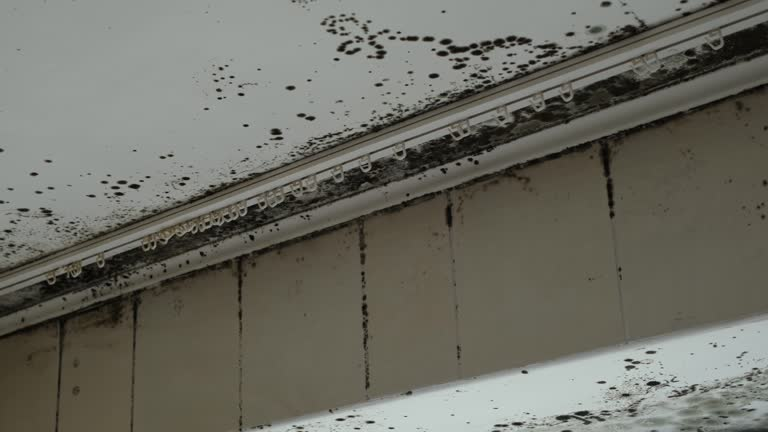
The best way to control mold growth is to control moisture. You do not need to wait until visible mold appears before taking preventive action.
Simple maintenance can significantly reduce moisture risks during hot and humid weather.
Control Indoor Humidity
Keeping humidity at a reasonable level makes your home less favorable for mold.
- Use a dehumidifier in damp basements or crawl spaces.
- Monitor indoor humidity with a digital hygrometer.
- Run bathroom exhaust fans during and after showers.
- Avoid allowing damp air to remain trapped indoors.
Keep Water Moving Away From Your Home
Exterior drainage affects interior moisture.
- Clean gutters and downspouts regularly.
- Direct downspouts away from your foundation.
- Correct areas where water collects near the home.
- Inspect your basement after heavy rainfall.
Maintain Your HVAC System
Your cooling system can become a moisture source when it is not maintained properly.
- Replace air filters regularly.
- Check condensate drain lines for blockages.
- Watch for water around the indoor unit.
- Schedule professional HVAC maintenance when needed.
Preventing excess moisture is much easier than dealing with extensive mold growth after it develops.
If you’re already seeing signs of mold or moisture in your home, call PuroClean of Bloomington at (309) 433-0900 for a fast response.
5. Can High Humidity Cause Mold Growth Even Without a Leak?
Yes. You do not need a major plumbing failure or flood for mold growth to become a problem. Consistently high humidity can provide enough moisture for mold to develop on certain surfaces and materials.
This is why humidity control matters even when your home has never experienced obvious water damage.
Condensation Can Create Localized Moisture
Warm air meeting cool surfaces can create condensation.
- Windows may collect water droplets.
- Cold HVAC ducts can develop condensation.
- Pipes may sweat during humid weather.
- Cool basement surfaces can remain damp.
Poor Airflow Traps Moisture
Stagnant air allows damp conditions to persist.
- Closed closets may become humid.
- Furniture placed against exterior walls restricts airflow.
- Storage rooms may lack adequate ventilation.
- Crowded basements can develop damp pockets.
Porous Materials Absorb Moisture
Some materials hold moisture longer than others.
- Drywall can absorb water vapor.
- Wood can retain moisture.
- Carpeting can trap dampness.
- Cardboard boxes can absorb moisture from humid air.
Keeping air moving and humidity controlled can help prevent these conditions from supporting mold growth.
6. Why Should You Avoid Ignoring Summer Mold?
It can be tempting to clean a small patch of mold and move on. However, visible mold growth may only represent part of the problem, especially when the underlying moisture source remains active.
Treating the surface without addressing moisture can allow the problem to return.
Mold May Be Hidden
Visible mold is not always the full extent of the issue.
- Mold can grow behind drywall.
- Insulation may contain hidden moisture.
- Flooring can conceal damp materials.
- Attic and crawl space mold may be difficult to see.
Moisture Can Damage Your Home
Mold and moisture often occur together.
- Drywall can deteriorate.
- Wood materials can remain damp.
- Flooring may warp or discolor.
- Insulation can lose its effectiveness.
DIY Cleaning May Not Solve the Source
Cleaning visible mold does not necessarily eliminate the moisture problem.
- The source of water may remain active.
- Hidden contamination may go untreated.
- Improper cleaning can disturb affected materials.
- Mold may return if damp conditions continue.
When mold keeps returning, professional assessment is the smarter next step.
7. Why Choose PuroClean of Bloomington for Mold Problems?
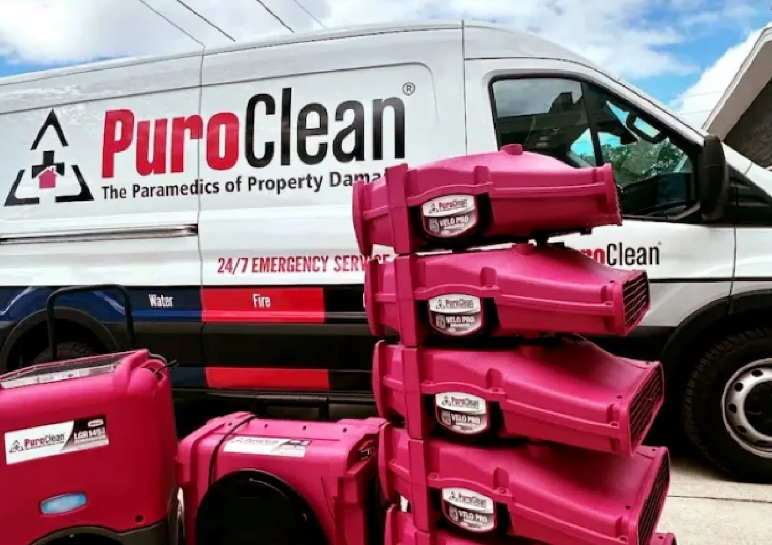
At PuroClean of Bloomington, we understand how quickly a summer moisture problem can turn into a larger restoration concern. Our team focuses on identifying the source of the moisture, assessing affected areas, and providing professional restoration solutions.
We proudly serve homeowners throughout Bloomington and surrounding communities.
Professional Moisture Detection
Finding moisture is an important part of controlling mold.
- Moisture meters help identify damp building materials.
- Thermal imaging may reveal hidden moisture.
- A detailed inspection helps identify affected areas.
- Moisture sources can be addressed as part of the restoration plan.
Professional Mold Removal
When mold is present, proper remediation matters.
- Affected areas are assessed carefully.
- Contaminated materials are handled appropriately.
- Professional cleaning methods are used.
- Moisture control helps reduce the chance of mold returning.
Complete Restoration Services
Mold problems can be connected to other forms of property damage.
- Mold removal
- Water damage restoration
- Fire and smoke damage restoration
- Biohazard cleanup
- Reconstruction services
Our goal is to help restore your home while addressing the conditions that allowed the problem to develop.
FAQs About Mold Growth
Does summer heat cause mold growth?
Heat alone does not cause mold, but warm temperatures combined with high humidity and moisture can create favorable conditions for mold to develop and spread.
Why does mold seem worse during summer?
Summer often brings higher humidity, heavy rainfall, condensation, and increased indoor moisture, all of which can support mold growth.
Can mold grow without a water leak?
Yes. High indoor humidity, condensation, poor ventilation, and damp materials can provide enough moisture for mold to grow even without an obvious leak.
Where should I look for mold during summer?
Check basements, crawl spaces, attics, bathrooms, laundry areas, around HVAC systems, under sinks, and anywhere you notice musty odors or moisture.
When should I call a professional for mold growth?
Call a professional when mold keeps returning, covers a larger area, is associated with water damage, or appears alongside persistent musty odors or hidden moisture.
Final Thoughts – Stop Summer Moisture Before Mold Takes Hold
Summer heat can accelerate mold growth when it combines with high humidity, condensation, leaks, and poor ventilation. By controlling indoor moisture, maintaining your HVAC system, checking vulnerable areas, and responding quickly to water damage, you can reduce the conditions mold needs to spread. If mold is already present, professional assessment and remediation can help address both the visible problem and the moisture behind it.
📞 Call PuroClean of Bloomington for professional mold growth assessment, mold removal, or water damage restoration today at (309) 433-0900, or visit our website.
Don’t let summer moisture ruin your home or belongings. Get trusted professional help today.