


Mold in your AC ducts can be a serious issue, not just for your home but for your health as well. It’s important to understand the risks associated with mold growth in HVAC systems and to take quick action to prevent further contamination. If you suspect that mold is present in your AC ducts, it’s crucial to act fast to eliminate the problem and ensure a safe and healthy environment for you and your family. This guide will walk you through the essential steps to take when dealing with mold in AC ducts.
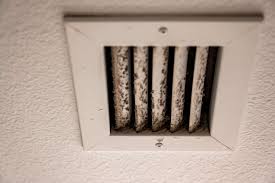
Table of Contents
What Is Mold in AC Ducts?
Mold is a type of fungus that thrives in damp, dark environments. Your AC system, which circulates cool air throughout your home, can become a prime location for mold growth if the system has high humidity levels or moisture present. Mold spores can easily travel through your HVAC system and spread throughout your home, potentially affecting the air quality and your health.
If you notice a musty odor, or if you or family members begin to experience unexplained respiratory issues or allergy symptoms, it could be a sign that mold in your AC ducts is present.
1. Identify the Signs of Mold in AC Ducts
The first step in addressing mold in AC ducts is to recognize the problem early. Here are some key indicators that you might have mold growing inside your HVAC system:
- Musty Odor: A moldy smell coming from the vents is one of the most common signs of mold growth in AC ducts.
- Visible Mold: In some cases, you may be able to see mold growing on the ducts, especially if there are spots where moisture tends to accumulate.
- Health Symptoms: Mold exposure can lead to coughing, sneezing, itchy eyes, skin irritation, and other allergy-like symptoms. If multiple members of the household are experiencing these issues, it’s time to investigate your AC ducts.
- Excess Moisture: If your AC system is not properly draining moisture or there’s excess humidity in the home, it could create the perfect environment for mold to thrive in your ducts.
2. Turn Off the AC and Isolate the Area
Once you identify mold in your AC ducts, it’s important to act quickly. The first thing you should do is turn off your HVAC system to prevent the mold spores from being circulated throughout your home. By stopping the air flow, you can reduce the risk of spreading the mold to other areas. If you suspect widespread contamination, consider closing off the vents in affected rooms to contain the issue.
3. Inspect the Ducts for Mold Growth
Mold can often grow in areas that are difficult to access, such as within the AC ducts. You may need to remove vents or access panels to properly inspect for mold. Be sure to wear protective gear such as gloves, goggles, and an N95 mask during the inspection to avoid coming into contact with harmful mold spores.
If you’re unsure about how to check your ducts for mold, or if you can’t reach certain areas, it may be time to call a professional to inspect the system thoroughly.
4. Clean the Ducts and Remove the Mold
If mold is present in the ducts, it’s important to clean it thoroughly to prevent further growth and contamination. Here are some steps to take:
- Remove Visible Mold: For small amounts of mold, you can use a solution of white vinegar, baking soda, or a commercial mold cleaner to scrub the affected areas. A brush with stiff bristles can help remove the mold from the duct surfaces.
- Use a HEPA Vacuum: A HEPA vacuum is designed to trap even the smallest particles, including mold spores. Using one to clean the ducts can help remove any remaining spores after you’ve scrubbed the surfaces.
- Disinfect the Area: After cleaning, disinfect the ducts with a mold-killing solution. This can help eliminate any remaining spores and reduce the chances of the mold returning.
However, if the mold infestation is severe or the mold is deeply embedded in the ductwork, cleaning it yourself may not be enough. In these cases, it’s best to hire a professional restoration company, such as PuroClean of Bloomington, to ensure the job is done right.
5. Fix the Source of Moisture
Mold thrives in moist environments, so it’s essential to identify and address the root cause of the moisture in your AC system. Common causes of moisture buildup in AC ducts include:
- Leaking ducts: If there are cracks or holes in the ductwork, moisture can enter, creating an ideal environment for mold.
- Condensation: In areas with high humidity, condensation can form inside the ducts, leading to mold growth.
- Clogged drain lines: If your AC’s condensation drain line is blocked or clogged, it can cause water to back up and create excess moisture.
Once you identify the source of the moisture, take steps to fix it. Repair any leaks, replace damaged ducts, or improve your home’s ventilation to reduce humidity levels.
6. Consider Professional Mold Remediation
If the mold problem persists despite your efforts, it may be time to call in professionals for mold remediation. A professional restoration company can assess the extent of the mold damage, thoroughly clean the ducts, and ensure that all mold is removed from your HVAC system. They will also take steps to prevent future mold growth and help you maintain a healthy environment in your home.
PuroClean of Bloomington is here to help you with mold remediation and water damage restoration. We have the expertise and equipment to handle even the toughest mold in AC ducts.
7. Prevent Future Growth of Mold in AC Ducts
Once you’ve cleaned the mold and fixed the moisture issue, you’ll want to take steps to prevent mold from returning. Here are some preventative measures to keep your ducts mold-free:
- Regularly Clean Your AC System: Have your HVAC system professionally cleaned and inspected every year to ensure it’s functioning properly and is free from mold.
- Control Humidity: Use dehumidifiers or air purifiers to maintain a healthy humidity level in your home. Keeping humidity below 60% can significantly reduce the chances of mold growth.
- Ensure Proper Ventilation: Make sure your home is well-ventilated, especially in areas prone to moisture, such as the basement, kitchen, and bathrooms.
FAQs About Mold in AC Ducts
Q: Can mold in AC ducts affect my health?
A: Yes, mold in AC ducts can spread harmful spores throughout your home, which can lead to respiratory issues, allergies, and other health problems. It’s important to address mold growth quickly to avoid potential health risks.
Q: How can I tell if I have mold in my AC ducts?
A: Common signs include a musty smell coming from the vents, visible mold on the ducts, and health symptoms such as coughing, sneezing, or itchy eyes.
Q: Can I clean the mold in my AC ducts myself?
A: You can clean small amounts of mold with a mold cleaner or vinegar solution. However, for extensive mold infestations or if the mold is deeply embedded in the ducts, it’s best to call a professional restoration company.
Q: How can I prevent mold from growing in my AC ducts?
A: Keep your AC system clean, address moisture issues, control humidity, and ensure proper ventilation to prevent mold growth.
Conclusion
Mold in AC ducts is a serious issue that can affect both your home’s air quality and your health. If you discover mold in your HVAC system, take action immediately by inspecting the ducts, cleaning the affected areas, fixing the moisture source, and calling in a professional mold remediation team if needed.
PuroClean of Bloomington is your trusted partner for mold remediation and water damage restoration. Our team is trained to handle mold infestations and ensure your home is safe and healthy once again.