


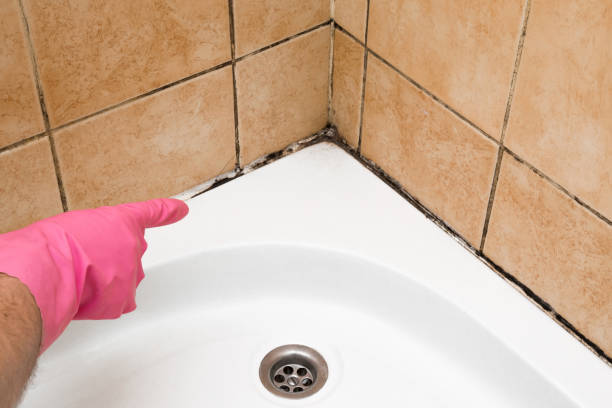
Mold in bathroom corners, caulk, and ceilings tends to get worse in late fall. Cold weather keeps windows shut, and holiday guests mean more hot showers in less time. This week’s 25 News forecast calls for lows in the 20s and rain or snow by Thanksgiving. That combination traps steam indoors, right where mold likes to grow.
Most bathroom mold is small and easy to handle if you catch it early. Larger growth, or mold that keeps coming back, often points to hidden moisture behind tile or drywall. That is when professional mold removal helps Bloomington-Normal homeowners fix the source, not just the stain.
Quick Answer: What Causes Mold in Bathroom Spaces?
Mold needs moisture, warmth, and something to feed on. Bathrooms provide all three every day. Steam from showers condenses on cool surfaces, and soap scum and dust give mold food.
The fix is to control moisture first and clean second. The U.S. EPA recommends keeping indoor humidity below 60%, ideally between 30% and 50%. It also advises drying wet materials within 24 to 48 hours to prevent mold growth.
The 7 Hot Spots to Check
Walk through your bathroom with a flashlight and check each of these areas. Look for black, green, gray, or pink spots, and notice any musty smell.
1. The Ceiling Above the Shower
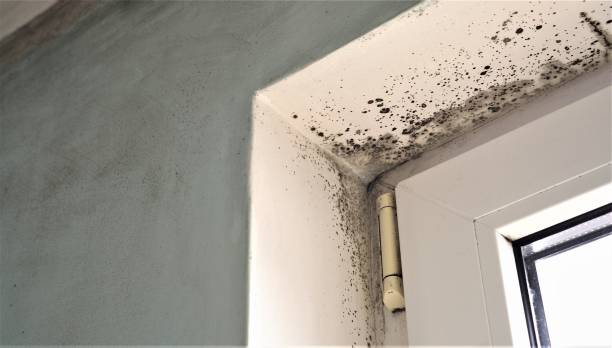
Warm, wet air rises and settles on the ceiling. If the paint is flat or the fan is weak, small dark dots appear first. Mold in bathroom ceilings can also signal a roof leak or a poorly insulated attic above.
Spots that return quickly after cleaning are a warning sign. So are bubbling paint and sagging drywall. These can mean moisture is coming from inside the ceiling, not just the room.
2. Caulk and Grout Lines
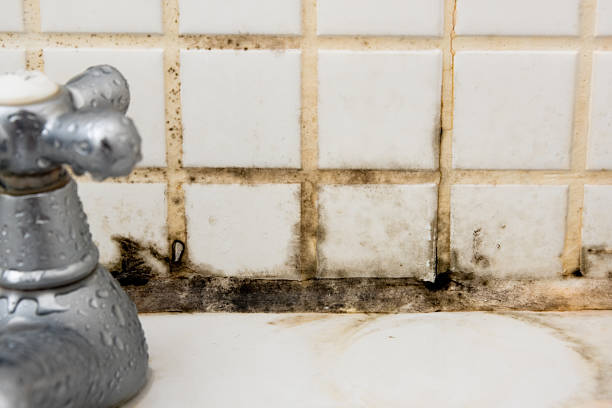
Caulk and grout stay damp longer than smooth tile. Their rough texture holds soap scum and water. That makes them the most common place to find mold in bathroom showers and tubs.
Surface stains on grout can often be scrubbed away. Mold under caulk is different, since it grows where you cannot reach. Remove the old caulk, dry the joint fully, and apply fresh mildew-resistant caulk.
3. The Exhaust Fan and Vent
A dirty or undersized fan cannot remove steam well. Dust on the grille holds moisture and becomes a place for growth. Check the fan cover and the ceiling around it.
Hold a single square of toilet paper near the running fan. If it does not pull the paper up, the fan is not moving enough air. Also confirm the fan vents outside, not into the attic.
4. Shower Curtains, Liners, and Doors
Liners stay wet in their folds, especially when bunched to one side. Shower door tracks collect water and soap residue. Both are easy places for mold in bathroom areas to start.
Spread the liner out after each shower so it can dry. Wash fabric curtains and plastic liners often, or replace cheap liners. Wipe door tracks dry once a week.
5. Under the Sink and Vanity
Slow drips from supply lines and drain traps often go unnoticed. The dark, closed cabinet stays humid for days. Swollen wood and a musty smell are common clues.
Empty the vanity and check the cabinet floor with a flashlight. Feel the pipes for moisture while water runs. Fix leaks quickly and dry the cabinet before you restock it.
6. Around and Behind the Toilet
A loose wax ring or a sweating tank can keep the floor damp. Condensation on the tank is common in winter when cold water fills it. That water drips down and soaks into grout and subfloor.
Look for stains, soft flooring, or a rocking toilet. Mold in bathroom floors around the toilet often means a seal has failed. That needs a plumber and possibly professional drying.
7. Behind Tile and Drywall
The worst mold in bathroom walls is the mold you cannot see. Cracked grout or failed caulk lets water seep behind tile. It can soak the backer board and wall cavity for months.
Watch for loose tiles, hollow sounds when tapped, and peeling paint on the other side of the wall. A strong musty smell with no visible mold is another clue. These cases usually need moisture testing and professional remediation.
What Does Mold in Bathroom Spaces Look Like?
Not every dark spot is mold, and not every mold is black. Knowing the common types helps you decide how to respond.
- Black or dark green spots: Common on grout, caulk, and ceilings.
- Pink or orange film: Usually bacteria, not mold, but it signals the same damp conditions.
- White, fuzzy patches: Often found on wood, drywall paper, or under sinks.
- Gray or brown stains: Can appear on painted walls and ceilings near the shower.
Color alone does not tell you how harmful mold is. Any mold in bathroom areas should be cleaned and its moisture source fixed. Testing is rarely needed when you can already see growth.
Can You Clean It Yourself?
Small surface mold on hard surfaces is often a homeowner job. The EPA says most people can clean areas under about 10 square feet. Scrub with detergent and water, then dry the surface completely.
| Situation | DIY or pro? | Why |
| Small spots on tile, glass, or tub | DIY | Hard, non-porous surfaces clean well |
| Mold under caulk | DIY, with care | Remove caulk, dry, and recaulk |
| Spots that return within weeks | Pro inspection | Likely hidden moisture source |
| Mold on drywall or ceiling paper | Usually pro | Porous material may need removal |
| Area larger than about 10 sq. ft. | Pro | Larger growth needs containment |
| Musty smell with no visible mold | Pro inspection | Mold may be inside walls or floors |
Wear gloves, eye protection, and an N-95 mask when you clean. Never mix bleach with ammonia or other cleaners, since this creates toxic fumes. Keep the fan running and the door open while you work.
A Simple Routine to Prevent Mold in Bathroom Spaces
Preventing mold in bathroom spaces is mostly about drying the room quickly after each use. These habits make a big difference:
- Run the fan longer. Keep it on during showers and for at least 20 minutes after.
- Squeegee the walls. A quick pass removes most water from tile and glass.
- Hang towels flat. Spread them out so they dry fully, or move them outside the room.
- Leave the door open. Let fresh air in once you are finished.
- Clean weekly. Wipe soap scum from grout, caulk, and corners.
- Check humidity. A simple hygrometer shows if the room stays damp.
Holiday guests can double bathroom use for a few days. Space showers out when you can, and give the fan time to work between them. Extra towels and a second bath mat help everything dry faster.
Why Mold Keeps Coming Back
Bleach can lighten stains on the surface, but it does not fix moisture. Mold in drywall can also grow deeper than bleach reaches. If the source stays, mold in bathroom areas will return. Common hidden sources include slow plumbing leaks, failed shower pans, and poor ventilation.
Our article on why mold keeps coming back explains this cycle in more detail. The answer is almost always to find and stop the water first.
When to Call a Professional
Call a professional if mold covers a large area or keeps returning after cleaning. Call if you see it on drywall, ceilings, or wood, or if you smell mold but cannot find it. People with asthma, allergies, or weak immune systems should avoid cleaning mold themselves.
PuroClean of Bloomington uses moisture meters and containment to keep spores from spreading during mold in bathroom repairs. We remove damaged materials, clean affected areas, and help correct the moisture problem.
Frequently Asked Questions
Is mold in bathroom ceilings dangerous?
Small amounts of surface mold are common, but they should not be ignored. Mold can irritate eyes, skin, and airways, especially for sensitive people. Clean it promptly and fix the moisture source.
How do I get rid of mold in bathroom caulk?
Cleaning rarely reaches mold that grows under caulk. Remove the old caulk, clean and dry the joint, and apply fresh mildew-resistant caulk. Let it cure fully before using the shower.
Why does mold in bathroom spaces get worse in winter?
Windows stay closed, and cold walls cause more condensation. Steam has fewer ways to escape. A strong exhaust fan is the best defense.
How long should I run my bathroom fan?
Run it during the shower and for at least 20 minutes afterward. Longer is better in winter or with several showers in a row.
Final Thoughts
Mold in bathroom spaces is common, but it is not something you have to live with. Check the seven hot spots, control moisture, and clean small spots quickly. If growth returns or spreads, the real problem is usually hidden.
For persistent or widespread mold in bathroom walls, ceilings, or floors, call PuroClean of Bloomington at (309) 433-0900. We are ready 24/7.