


Discovering mold in your home is stressful enough on its own, but learning that mold issues can decrease your property value by 20% to 37% makes it even more urgent to act. Whether you’re preparing to sell, just bought a home, or simply want to protect your investment, understanding what mold does to your property’s worth is critical. At PuroClean of Bloomington, we help Bloomington, IL homeowners identify, address, and recover from mold problems before they spiral into costly financial losses. This guide covers the causes, the real estate impact, prevention strategies, and exactly when to call a professional.
Table of Contents
What the 20% to 37% Value Drop Really Means
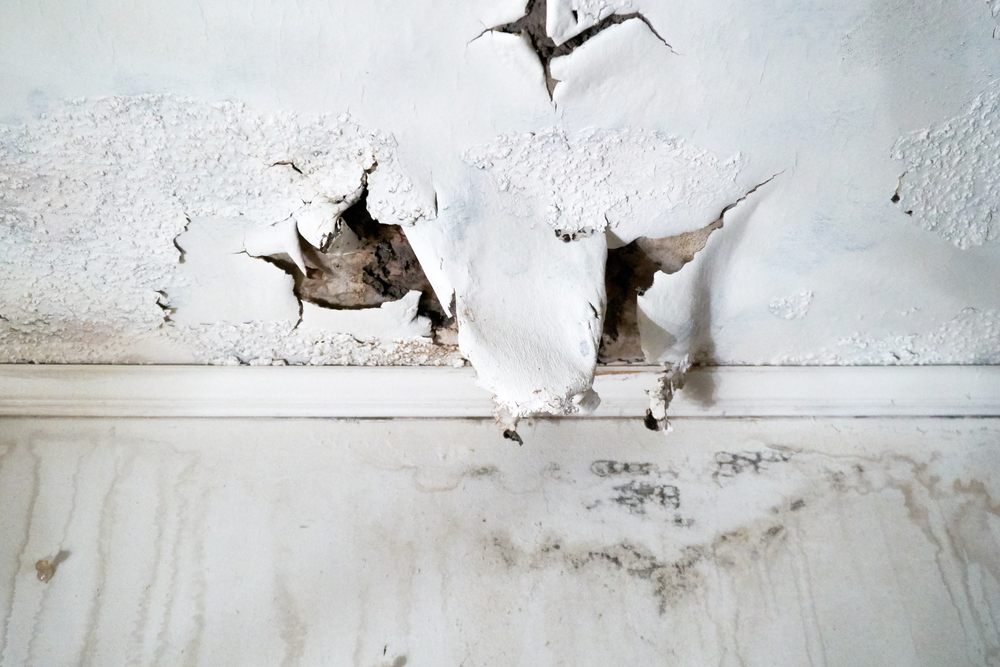
Most homeowners are surprised to learn just how much mold issues can affect a property’s asking price. Industry data and real estate professionals consistently report that confirmed mold can reduce a home’s market value by anywhere from 20% to 37%, depending on the severity and location of the growth.
- On a $250,000 home, a 20% reduction means losing $50,000 in value before negotiations even begin.
- A 37% drop on that same home brings the potential sale price down by over $92,000, a loss no homeowner wants to absorb.
- Buyers and their agents factor in not just the remediation cost, but the stigma attached to a home with a documented mold history.
- Lenders and insurance companies may also become more cautious after mold issues are disclosed, which can complicate financing for buyers.
Understanding the financial stakes is the first step toward making informed, proactive decisions about your property.
Why Mold Issues Develop in the First Place
Mold does not appear randomly. It follows moisture, and any home in Bloomington, IL can develop the conditions mold needs if the right environment builds up over time. Knowing the root causes helps you address them before they turn into expensive problems.
- Water intrusion from roof leaks, foundation cracks, or plumbing failures is the most common trigger for serious mold issues in residential properties.
- High indoor humidity above 60% creates the damp environment mold spores need to colonize surfaces, especially in basements, bathrooms, and crawl spaces.
- Poor ventilation in kitchens, attics, and laundry areas traps moisture against walls and ceilings where mold grows out of sight for months.
- Flooding or storm damage that is not dried out within 24 to 48 hours almost always results in mold growth if left untreated.
Addressing these root causes is the foundation of any effective mold prevention strategy, and it’s where we always start when helping homeowners protect their investment.
Here are 7 Shocking Facts About Hidden Mold in Homes You Can’t Ignore
How Mold Issues Are Discovered During a Home Sale

Many homeowners first learn about their mold issues not from their own inspection, but from a buyer’s inspector. This is one of the worst ways to find out, because it shifts all the negotiating power to the buyer and creates immediate distrust in the transaction.
- Home inspectors routinely check attics, basements, crawl spaces, and areas around plumbing for signs of mold growth and moisture damage.
- Specialized mold inspectors use air quality testing and moisture meters to detect hidden mold issues behind walls and under flooring that a standard inspection may miss.
- Buyers who discover mold after making an offer often use it to demand steep price reductions, request full remediation at the seller’s expense, or walk away entirely.
- Real estate agents in the Bloomington, IL area are trained to spot the visual signs of past water damage, which frequently signals underlying mold issues to experienced buyers.
Getting ahead of this process with your own inspection before listing is one of the smartest moves a seller can make.
What Disclosure Laws Mean for Illinois Homeowners
Illinois law requires sellers to disclose known material defects, and mold issues that have been identified absolutely fall into that category. Failing to disclose can expose you to serious legal liability long after the sale closes.
- The Illinois Residential Real Property Disclosure Act requires sellers to answer questions about known defects, including water infiltration and mold, on a standard disclosure form.
- Sellers who knowingly conceal mold issues may face legal action from buyers after the sale, including claims for repair costs, diminished value, and legal fees.
- “Known” is the key word here. If you’ve had a mold inspection, received a remediation report, or previously filed an insurance claim related to water damage, that information may need to be disclosed.
- Working with a licensed remediation company like PuroClean of Bloomington gives you documented proof that mold issues were properly addressed, which protects you legally and builds buyer confidence.
Understanding your disclosure obligations before you list can save you from costly legal disputes down the road.
How to Respond When Mold Is Found Before You Sell
Finding mold issues before your home hits the market is actually an advantage, even if it doesn’t feel that way at first. You control the narrative, the timeline, and the remediation process when you discover the problem on your own terms.
- Do not attempt to paint over, bleach, or cosmetically cover mold issues. Buyers’ inspectors will often detect it anyway, and covering it up creates legal exposure.
- Hire a certified mold inspector to assess the full scope of the problem before scheduling any remediation work.
- Get a written remediation report from a licensed professional so you have documentation to share with buyers, lenders, and real estate agents.
- Price your home honestly, or complete remediation first and price it at full market value with a clean bill of health from a certified inspector.
If you’re already seeing signs of mold issues, call PuroClean of Bloomington at (309) 433-0900 for a fast response and professional assessment.
Professional Mold Remediation vs. DIY: What Actually Works
When mold issues are affecting your home’s value, the stakes are too high for guesswork. Many homeowners try to handle mold with store-bought sprays and surface scrubbing, but that approach rarely solves the underlying problem and can actually spread spores to unaffected areas.
- DIY surface treatments with bleach or vinegar only address mold on non-porous surfaces. They do not penetrate drywall, insulation, or wood framing where mold colonies actually root.
- Professional remediation involves containment, HEPA filtration, controlled removal, and post-remediation testing to confirm that mold issues have been fully resolved.
- Attempting DIY remediation on a home you plan to sell can actually hurt your case, because partial or improper treatment creates a confusing paper trail that raises red flags for buyers.
- Certified remediation by a licensed company provides a defensible, documented process that satisfies real estate agents, buyers, lenders, and insurance companies.
Cutting corners on mold remediation is one of the most expensive mistakes a homeowner can make when property value is already on the line.
When to Call PuroClean of Bloomington
There are situations where professional help is not optional. When mold issues reach a certain scale, or when a real estate transaction is involved, you need a team with the training, equipment, and documentation process to get it right.
Call us immediately if you notice any of the following:
- Visible mold growth covering more than 10 square feet, the threshold at which the EPA recommends professional remediation.
- Mold issues following a flood, burst pipe, or sewage backup, where contamination risk goes beyond surface-level growth.
- Musty odors in your home that persist even after cleaning, which typically signal mold growing inside walls, under flooring, or in HVAC systems.
- A buyer’s inspection has flagged mold issues and you need fast, certified remediation to save your home sale.
At PuroClean of Bloomington, we serve the Bloomington, IL area with rapid-response mold remediation backed by certified technicians and full documentation. Call us at (309) 433-0900 and we’ll walk you through the process from assessment to clearance testing.
Professional Mold Remediation: Important Reasons PuroClean Remains the Best Choice
How to Restore Your Home’s Value After Mold Removal
Certified remediation is the turning point, but restoring your home’s perceived and actual value requires a few additional steps. Buyers and appraisers respond to transparency and evidence, so the goal is to create a clear, documented record of what was done and why your home is now in excellent condition.
- Obtain a post-remediation clearance report from a third-party mold inspector after remediation is complete. This independent confirmation carries more weight than a report from the remediation company alone.
- Repair and restore any materials removed during remediation, including drywall, insulation, flooring, and trim. Cosmetic completeness signals that the problem was taken seriously and fully resolved.
- Address the moisture source that caused the mold issues in the first place. No clearance report will satisfy a savvy buyer if the root cause, like a leaking pipe or inadequate drainage, is still present.
- Provide buyers with a full remediation packet including the original assessment, the scope of work, the clearance report, and any repair receipts. This transparency rebuilds confidence and supports your asking price.
Restoring value after mold remediation is absolutely achievable when you take the right steps in the right order.
Preventing Mold Issues from Coming Back
After investing in remediation and repairs, the last thing you want is for mold issues to return. Prevention is significantly less expensive than remediation, and these habits protect your home’s value over the long term.
- Control indoor humidity by keeping levels between 30% and 50% using dehumidifiers, especially in basements and crawl spaces during Bloomington’s humid summer months.
- Inspect your roof, gutters, and foundation drainage at least twice a year to catch water intrusion points before they create moisture problems inside.
- Run exhaust fans in bathrooms and kitchens during and after use to push humid air outside rather than letting it condense on walls and ceilings.
- Insulate cold water pipes to prevent condensation, and address any plumbing drips or slow leaks immediately. Even minor, ongoing moisture feeds long-term mold growth.
Staying proactive about moisture control is the single most effective way to keep mold issues from threatening your home’s value again.
FAQs About Mold Issues
Does mold always have to be disclosed when selling a home in Illinois? Yes, if you are aware of mold issues in your home, Illinois law requires you to disclose them on the residential property disclosure form. Failing to disclose known mold can result in legal liability after the sale closes.
Can a home with mold still sell at full market value? It depends on the circumstances. A home where mold issues have been professionally remediated, documented, and cleared by an independent inspector can often sell near or at full market value. Undisclosed or unaddressed mold is what causes the steepest price reductions.
How long does professional mold remediation take? The timeline depends on the scope of the mold issues. Smaller containment jobs may be completed in one to three days, while larger infestations affecting multiple rooms or structural components can take a week or more. A professional assessment will give you a more accurate timeframe.
Will homeowner’s insurance cover mold remediation? Coverage varies by policy and by the cause of the mold issues. Mold resulting from a sudden, covered water event like a burst pipe may be covered, while mold caused by long-term neglect or humidity is typically excluded. Review your policy and contact your insurer as soon as mold is discovered.
Is mold in a crawl space as serious as mold in living areas? Mold issues in crawl spaces are just as serious, and sometimes more so, because crawl spaces are directly connected to your home’s air circulation. Mold growing there can affect indoor air quality throughout the entire home and is a major red flag for buyers and inspectors.
Final Thoughts: Protect Your Home’s Value by Tackling Mold Issues Head-On
Mold issues are not just a health concern. They are a direct threat to one of your most significant financial assets. The key takeaways here are simple: mold can reduce your home’s value by 20% to 37%, Illinois law requires disclosure of known mold problems, and professional remediation with proper documentation is the most effective way to recover and protect your property’s worth. Whether you’re preparing to sell, responding to a buyer’s inspection, or simply trying to get ahead of a moisture problem, taking action now is always less expensive than waiting.
At PuroClean of Bloomington, we understand what’s at stake when mold threatens your home and your finances. Our certified technicians serve the Bloomington, IL area with fast, thorough, fully documented mold remediation you can trust.
📞 Call PuroClean of Bloomington for mold issues and mold remediation today at (309) 433-0900 or visit our website. Don’t let mold issues ruin your home’s value or your peace of mind. Get trusted professional help today.