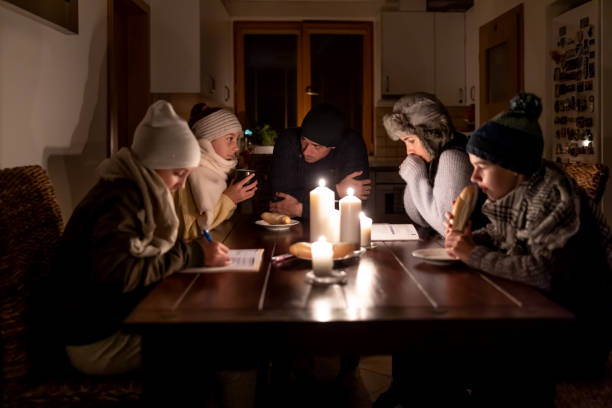
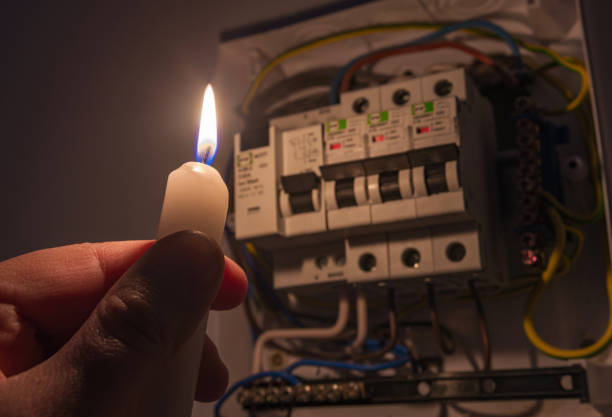
An ice storm or heavy snow can knock out power across Bloomington and Normal for hours or days. A power outage in winter is more than an inconvenience. Without heat, pipes can freeze, sump pumps stop, and food spoils. Many people light candles, run the oven for warmth, and wait it out, which can create new dangers.
The damage often shows up after the lights come back on, like a burst pipe or a wet basement. This guide walks you through what to do before the storm and in five stages after the power goes out. If water or smoke has already damaged your home, PuroClean of Bloomington offers 24/7 water damage restoration.
Time is the key factor in a power outage in winter. A closed refrigerator keeps food cold for about four hours, according to FoodSafety.gov. Indoor temperatures drop steadily, and pipes near outside walls are the first to freeze. Knowing what to do at each stage helps you protect both your family and your home.
Safety first: Never use a generator, grill, or camp stove indoors. The CDC says to run generators outside, at least 20 feet from doors, windows, and vents.
Power Outage in Winter: The 5 Stages at a Glance
Use this quick timeline to know what matters most as a power outage drags on:
| Stage | Time without power | Biggest risk | Top action |
| 1 | First hour | Surges and confusion | Report the outage and unplug electronics |
| 2 | Hours 2 to 4 | Heat loss and fridge food | Layer up and keep doors closed |
| 3 | Hours 4 to 12 | Freezing pipes and a stopped sump pump | Open cabinets, drip faucets, watch the basement |
| 4 | Hours 12 to 48 | Frozen plumbing and freezer food | Drain lines if the house nears freezing |
| 5 | Power restored | Hidden leaks from thawing pipes | Turn water on slowly and inspect for damage |
Before the Storm: A 15-Minute Prep List
A little preparation makes any power outage in winter easier to handle. Do these things when a storm is in the forecast:
- Charge phones, power banks, and flashlights.
- Test smoke and carbon monoxide alarms and add fresh batteries.
- Find your main water shutoff valve and make sure it turns.
- Fill a few jugs with drinking water.
- Turn the refrigerator and freezer to their coldest settings.
- Check your sump pump and its battery backup, if you have one.
- Move blankets, warm clothes, and medicine to one easy-to-reach spot.
Stage 1: The First Hour
Most outages are short, so stay calm and gather information. The first hour of a power outage in winter is about safety and planning. Check whether neighbors also lost power, then report it to your utility. Unplug sensitive electronics to protect them from a power surge when service returns.
Do this now:
- Use flashlights instead of candles whenever possible.
- Keep refrigerator and freezer doors closed.
- Close curtains and doors to rooms you are not using.
- Gather the family in one interior room to share warmth.
Stage 2: Hours 2 to 4
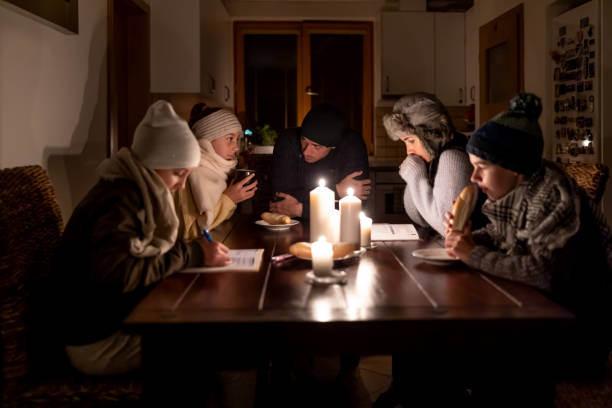
Your home starts losing heat during this stage. Dress in layers and keep hats and socks on, even indoors. Avoid opening exterior doors more than necessary.
This is also when food safety becomes important. FoodSafety.gov says a closed refrigerator keeps food cold for about four hours. Plan meals that do not need the fridge, like canned or shelf-stable foods.
Do not: Use your oven or stove to heat the house. The U.S. Fire Administration warns against heating your home with an oven.
Stage 3: Hours 4 to 12
Now your plumbing needs attention. A long power outage in winter can let pipes in outside walls and crawlspaces freeze. IBHS recommends opening cabinet doors where pipes sit near outside walls and letting faucets drip in extreme cold.
Your sump pump also stops without power. If rain or melting snow is raising groundwater, the basement can start to flood. A battery backup pump can protect you during this stage.
Do this now:
- Open sink cabinets on outside walls.
- Let a thin stream of water drip from faucets on outside walls.
- Check the basement for water every few hours.
- If you use a generator, keep it outdoors and well away from the house.
Stage 4: Hours 12 to 48
A longer power outage in winter calls for bigger decisions. A full freezer holds its temperature for about 48 hours, or 24 hours if half full. Keep the door shut to make it last.
If your home is getting close to freezing inside, protect the plumbing. Shut off the main water valve and open faucets to drain the lines. This keeps a frozen pipe from flooding your home later.
Consider these steps:
- Move to a warming center or a friend’s home if indoor temperatures keep falling.
- Check on elderly neighbors and people with medical needs.
- Keep pets indoors and warm.
- Write down when the power went out, so you can judge food safety later.
Stage 5: When the Power Comes Back
Do not relax yet, because this is when hidden damage often appears. Frozen pipes can split and start leaking only after they thaw. Walk through your home carefully over the next few hours.
Do this in order:
- Turn the water back on slowly if you shut it off, and watch for leaks.
- Check ceilings, walls, and floors near pipes for drips or stains.
- Inspect the basement for standing water or a damp smell.
- Plug in appliances one at a time to avoid overloading circuits.
- Check your food. Frozen food with ice crystals or at 40°F or below can be refrozen.
Keep Your Basement Dry Without Power
Many Bloomington homes depend on a sump pump to keep basements dry. During a power outage in winter, that pump stops the moment the lights go out. Rain, melting snow, or a sudden thaw can then fill the pit fast.
A battery backup pump is the simplest protection. Test it each fall by unplugging the main pump and pouring water into the pit. A water alarm in the basement can also warn you before damage spreads. See our tips on basement water damage prevention for more ideas.
Damage to Watch for After a Power Outage in Winter
Look for these problems once the power outage ends:
- Water stains or bulging drywall from burst pipes
- A flooded or damp basement after the sump pump stopped
- Cracked outdoor faucets that leak inside the wall
- Smoke or soot from candles, fireplaces, or misused heaters
- Musty smells that signal hidden moisture
If you find water, act fast. The EPA advises drying wet materials within 24 to 48 hours to prevent mold. Our guide to frozen pipe water damage explains next steps.
When to Call a Restoration Professional
Water from a burst pipe or failed sump pump spreads quickly. It soaks into drywall, insulation, and subfloors where fans cannot reach. Professional drying stops the damage before mold takes hold.
- Commercial extraction removes standing water from basements and floors.
- Thermal imaging finds moisture hidden in walls and ceilings.
- Industrial dehumidifiers dry the structure to safe levels.
- Hospital-grade antimicrobials treat damp areas to help prevent mold.
PuroClean of Bloomington Is Ready When the Lights Come Back
PuroClean of Bloomington responds 24/7 across Bloomington, Normal, Hudson, Le Roy, Lexington, Chenoa, and Gridley. We handle burst pipes, flooded basements, and smoke damage after a power outage in winter. Our team documents everything for your insurance claim. Call (309) 433-0900 day or night.
Frequently Asked Questions About a Power Outage in Winter
How long before pipes freeze without heat?
It depends on outdoor temperatures and insulation. Pipes in outside walls, garages, and crawlspaces freeze first, so protect them early.
Does insurance cover a burst pipe after a power outage in winter?
Many policies cover sudden burst pipes. Some limit freezing damage if heat was not maintained, so check your policy.
Should I drain my pipes during a long outage?
If indoor temperatures are dropping toward freezing, yes. Shut off the main valve and open faucets to drain the lines.
When should I throw out refrigerator food?
A closed fridge keeps food cold for about four hours. After that, throw out perishable foods like meat, milk, and leftovers.
Is a fireplace safe for heat during a power outage in winter?
It can help if the chimney was inspected and the damper is open. Never leave the fire unattended, and keep a screen in place.
Final Thoughts on a Power Outage in Winter
A power outage in winter is easier to handle with a plan for each stage. Prepare before the storm, protect your pipes as the house cools, and check carefully when power returns. Never heat your home with an oven or run a generator indoors.
If you find water or smoke damage after the outage, call PuroClean of Bloomington at (309) 433-0900. We are here 24/7.