


In this article…
HVAC systems play a crucial role in maintaining comfort in our homes and businesses by regulating temperatures and ensuring air quality. However, one of the most common and often overlooked issues that can affect your HVAC system is water damage. Regular maintenance is essential to prevent such problems, as HVAC water damage can lead to a series of complications that not only disrupt your system’s efficiency but can also result in costly repairs and replacements. Caring for your HVAC system once a year, especially when considering the potential for HVAC water damage, is a proactive way to avoid unexpected issues and extend the lifespan of your unit.
Water damage in HVAC systems typically occurs due to a variety of factors, including leaks from the cooling coils, blocked drain lines, or even excess condensation. These issues may seem minor at first, but over time, the accumulation of moisture can cause rust, mold growth, and even electrical failures. When HVAC water damage goes unnoticed or untreated, it can lead to more severe problems, such as compromised indoor air quality or the complete failure of your system. This is why it’s critical to address any signs of water damage promptly and keep up with regular maintenance checks.
The first step in preventing HVAC water damage is to ensure that your system is running efficiently. Many times, HVAC systems develop issues due to the buildup of dirt, debris, and grime within the unit, which can cause water to pool in places where it shouldn’t be. If the coils are clogged or the condensate drain is obstructed, water may accumulate, leading to leaks and moisture buildup. Regular cleaning of your system and its components can help mitigate the risk of such issues, ensuring that the condensate is properly drained away from the unit.
Additionally, it’s essential to check the drain lines and drip pans for blockages or damage. These are often the first places where water damage in HVAC systems occurs. If these lines are clogged, water can back up and leak into areas that should remain dry. A blocked drain line can also increase the moisture levels within your system, contributing to mold and mildew growth, which can further affect the air quality in your home or business. Regular inspection and clearing of these drain lines will significantly reduce the chances of HVAC water damage.
Over time, wear and tear on your system can lead to leaking ducts, which can also contribute to water damage. This is particularly common in older HVAC systems that may have worn-out seals or insulation. When this happens, the moisture from the air conditioning process can drip down into areas like the basement or attic, leading to mold growth and rot. Replacing damaged seals, ensuring proper insulation, and having a professional inspect your HVAC system can help prevent water from entering places where it shouldn’t be.
Moreover, the possibility of HVAC water damage increases if your system is located in a vulnerable area, such as a basement or crawl space, where flooding is a concern. Floodwaters can easily infiltrate these areas, causing significant damage to the HVAC system. In such cases, it’s essential to install a sump pump or elevate the HVAC unit above potential water levels to prevent flooding from affecting the system.
Proper drainage around the exterior of your home or business is another critical consideration to reduce the risk of HVAC water damage. When gutters and downspouts are clogged, rainwater can accumulate around the foundation and seep into areas where your HVAC system is housed. Ensuring that water is directed away from your home will help avoid the risk of water infiltration into your HVAC system, which can be costly to repair.
By taking these preventive measures and conducting regular HVAC maintenance, you can avoid the headaches associated with HVAC water damage. Not only will this protect your system from wear and tear, but it will also ensure that your home or business remains comfortable and safe. Should you notice signs of HVAC water damage, such as unusual odors, increased humidity, or visible leaks, it’s important to act quickly and call a professional for inspection and repairs.
In conclusion, caring for your HVAC system, especially when it comes to preventing HVAC water damage, is a vital part of home and business maintenance. By staying on top of regular cleaning, inspections, and repairs, you can extend the life of your HVAC system and keep it running smoothly for years to come. If you ever find yourself facing HVAC water damage, don’t hesitate to reach out to a trusted restoration service to address the issue before it escalates. Ensuring that your system stays in good condition will save you money in the long run and keep your space comfortable all year long.
How to prevent HVAC water damage
Change the HVAC filter regularly.
- Changing the filter helps prevent the unit from overworking, which can cause freezing and then defrosting on the evaporator coils, leading to HVAC water damage.
- Change the filter at least once a month with high-efficiency particulate air (HEPA) filters. It would be best if you changed some air filters twice a year, others once a month, depending on their type and how often you use the HVAC system.
- Check the instructions manual first to know what type of filter you need.
- If the filters are inside the furnace or air handler, hire a contractor to change the filters.
Clean the condenser
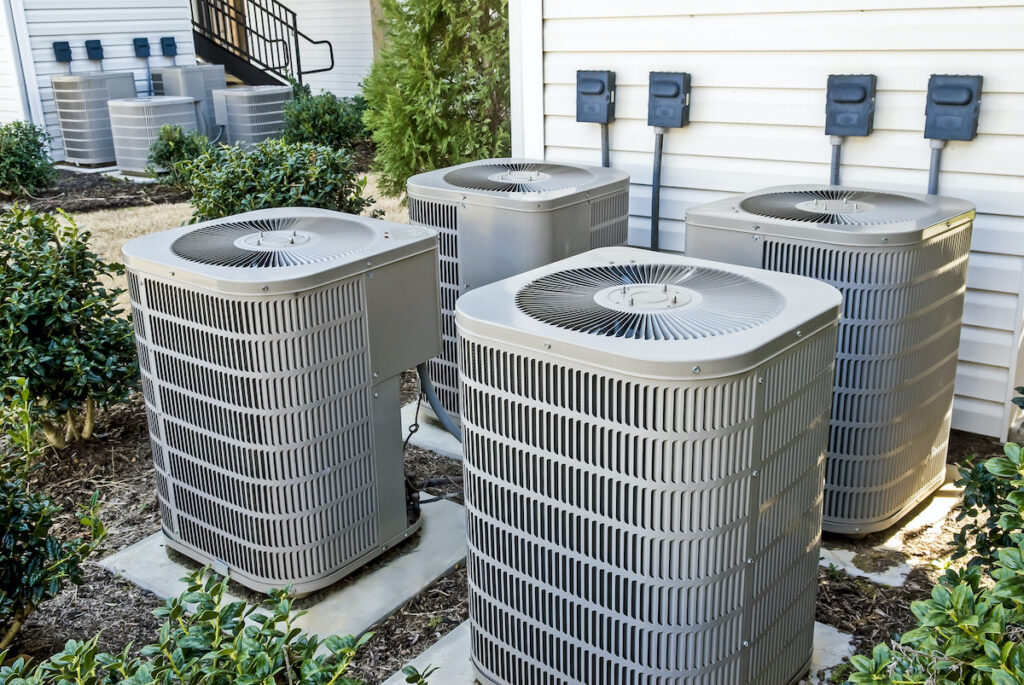
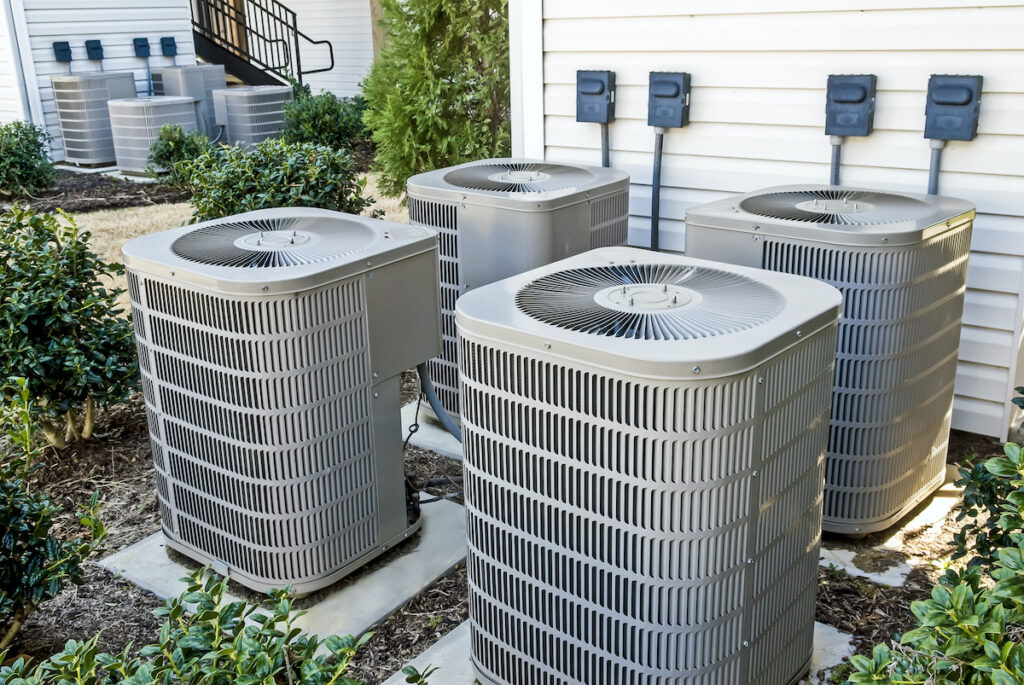
- The condenser is the exterior portion of your air conditioner or heat pump. It requires proper airflow to work efficiently.
- You should remove any dirt or other debris accumulating on the condenser once a year (preferably at the beginning of spring).
- Also, make sure to keep plants away from the condenser and remove any cover from it to ensure proper airflow.
- Leave at least two feet of space between the unit and the bushes or shrubs in your yard.
Maintain the condensation drain line
- When your AC unit runs, check the condensation line opening to make sure you see water flowing to the drain. The amount of water that flows depends on the humidity level in the house.
- Clean the AC drainage holes. Locate the drainage hole on the base of the cabinet (beneath the evaporator fins). Use a paper clip or wire to poke through the hole and clear it, thus ensuring the AC drainage is kept clear.
- Once or twice a year, flush out your drain line with an algaecide to prevent mold or algae from forming. Use a commercial solution or regular bleach.
- Make sure to properly connect and install the main drain line and emergency drain line.
- Check that the pipe is oriented correctly, as the weather might have knocked it out of alignment.
How to unclog the drain line
- Sometimes, the drain line gets clogged with algae, dirt, mineral deposits, and even mold or mildew, causing water to overflow into your home.
- Attach a wet/dry vacuum to the drain line (removing the paper filter first) and suck the clog out.
- Consider installing an overflow shut-off device on the drain line to automatically turn off the A/C unit if the drain line backs up.
Install a condensation pump
- Another tip on how to avoid HVAC water damage is to install a condensation pump.
- That helps excess water flow into the proper disposal drain.
- Additionally, install a safety float switch to automatically shut down the power to the AC unit whenever condensation builds up, and there is a risk of water overflow.
Maintain the overflow drain pan
- The drain pan collects any water that has overflowed due to a clogged drain line.
- Over time, drain pans made of metal or plastic may get damaged, resulting in leaks and water damage.
- If you notice leaks near the drain pan, carefully inspect it for damage using a flashlight.
- Consider patching up small holes or cracks using epoxy glue or replacing the pan entirely.
- Regularly clean the drain pan. Rinse the pan and clean it with a bleach-water mixture to clear out any dirt or mold growth.
Have your HVAC system inspected professionally
- HVAC inspection and maintenance can be difficult for homeowners, so hiring a professional is a good idea.
- Besides the tasks already mentioned, they can examine and fix problems related to HVAC components.
- Those include the ductwork, furnace flames, grills and registers, AC compressors, the thermostat, and more.
Is your HVAC unit causing water damage? PuroClean Of Bloomington can help!
Knowing how to prevent AC from leaking is sometimes not enough to prevent your unit from causing water damage. When leaks occur, the moisture promotes mold growth that can contaminate the air in your home. Check out how to prevent mold in HVAC systems. For HVAC water damage restoration and mold removal, contact PuroClean Of Bloomington today.