


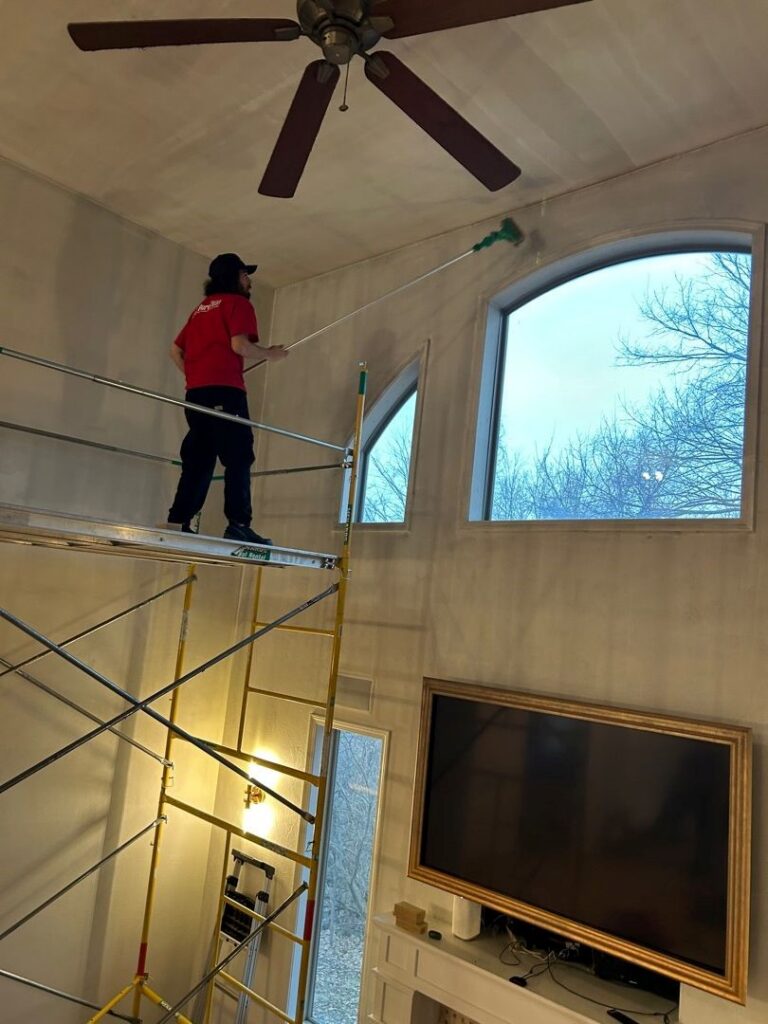
Water damage can leave behind more than wet floors and damaged drywall. Once the water is removed and the affected areas are dried, your home may still need repairs to restore walls, flooring, ceilings, cabinets, and other structural materials. Understanding reconstruction after water damage can help you know what to expect and make better decisions about your home’s recovery.
For homeowners in Bloomington, Normal, and throughout McLean County, reconstruction is an important part of getting life back to normal after a plumbing failure, appliance leak, storm, sump pump issue, or other water emergency. This guide explains eight critical things you need to know, including what reconstruction involves, which materials may need replacement, how insurance can factor into the process, and when professional reconstruction makes sense.
What Is Reconstruction After Water Damage?
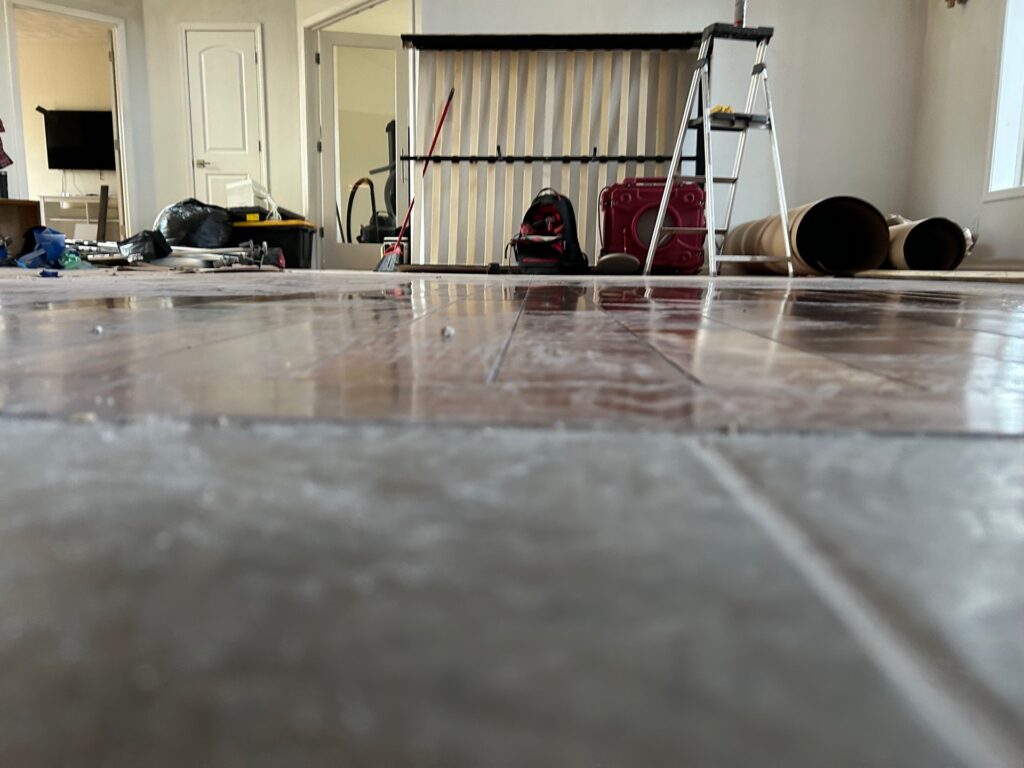
Water damage restoration and reconstruction are related, but they are not the same thing. Restoration focuses on addressing the immediate damage, while reconstruction focuses on repairing or rebuilding areas of the property that were damaged or removed during the restoration process.
Depending on the severity of the damage, reconstruction after water damage may involve:
- Replacing damaged drywall, insulation, or flooring.
- Repairing or replacing cabinets and other built-in materials.
- Rebuilding sections of walls or ceilings.
- Replacing trim, baseboards, doors, or other finish materials.
- Restoring rooms to their pre-loss condition.
Not every water-damaged home needs major reconstruction. Some situations may require only minor repairs, while others can involve extensive rebuilding.
The key is to determine what needs to be repaired or replaced after the property has been properly assessed and dried.
1. Water Damage Can Affect More Than What You See
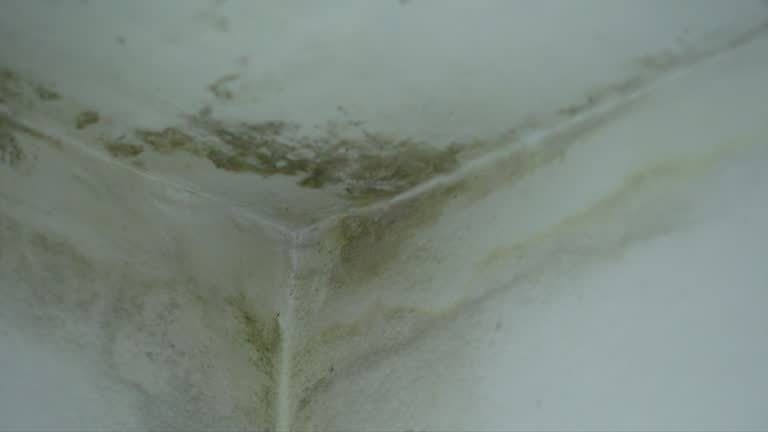
One of the biggest mistakes homeowners make after a water loss is assuming visible damage tells the whole story.
Water can travel behind walls, underneath flooring, through insulation, and into other areas of a home. Materials that look fine on the surface may have been exposed to moisture long enough to require attention.
During reconstruction after water damage, look beyond the obvious areas.
- Check walls and ceilings: Moisture can affect drywall and materials behind it.
- Inspect flooring: Water can move beneath flooring materials and affect the layers underneath.
- Look at cabinets: Cabinets can absorb water and swell, especially around sinks and dishwashers.
- Consider hidden areas: Moisture may reach spaces that were not immediately visible when the loss occurred.
This is why reconstruction should follow a proper assessment of the affected areas rather than simply replacing whatever looks damaged.
2. Some Materials May Need to Be Removed Before Repairs Begin
Reconstruction does not always mean immediately putting new materials into place. In some cases, damaged materials must first be removed.
Drywall, insulation, flooring, cabinetry, trim, and other materials may become difficult or impossible to restore after significant water exposure. Trying to cover or repair severely damaged materials can create additional problems later.
Before rebuilding, your restoration team may need to:
- Remove materials that cannot be salvaged.
- Confirm affected areas are adequately dry.
- Address remaining moisture concerns.
- Prepare exposed surfaces for rebuilding.
- Identify additional damage uncovered during removal.
This preparation is an important part of reconstruction after water damage. Rebuilding too soon can put new materials into an environment that is not ready for them.
3. Flooring Often Requires More Than a Simple Replacement
Flooring can be one of the more complicated parts of a water-damaged room.
Water may affect not only the visible floor covering but also the subfloor beneath it. Depending on the type of flooring and how long the water was present, different materials may respond differently.
For example, carpet, hardwood, laminate, vinyl, and tile can all have different repair or replacement considerations.
During reconstruction, homeowners should consider:
- Whether the flooring itself can be restored.
- Whether the subfloor was affected.
- Whether adjoining rooms need matching materials.
- Whether baseboards and trim also need replacement.
- How new flooring will fit with existing areas.
A proper reconstruction plan should account for the entire flooring system, not just the material you see when you walk into the room.
4. Cabinets and Built-In Features May Need Special Attention

Kitchen and bathroom water damage can become especially complicated because these rooms contain cabinets, countertops, plumbing fixtures, and other built-in components.
A leaking dishwasher, refrigerator line, sink, toilet, or supply pipe can expose cabinetry and surrounding materials to moisture.
When reconstruction after water damage involves a kitchen or bathroom, homeowners may need to consider:
- Cabinet damage around plumbing connections.
- Swelling or deterioration of cabinet materials.
- Damaged countertops or backsplashes.
- Flooring beneath or around cabinets.
- Drywall and trim near the source of the leak.
In some cases, only part of a room may need work. In others, replacing one damaged component may require careful coordination with surrounding materials.
The goal should be to restore the affected area properly while keeping the finished space functional and visually consistent.
5. Reconstruction Should Not Start Until the Property Is Ready
Timing matters after water damage. Homeowners understandably want their rooms back as quickly as possible, but rushing into reconstruction can create unnecessary complications.
Before rebuilding begins, the affected property should be assessed to determine whether the necessary drying and mitigation work has been completed.
A reconstruction project may require confirmation that:
- Affected areas have been properly dried.
- Damaged materials have been removed.
- Remaining moisture concerns have been addressed.
- The area is ready for new construction materials.
- The scope of repairs has been established.
This is one reason restoration and reconstruction work together. The repair phase should build on the work already completed during the mitigation process.
If you’re already dealing with significant water damage, call PuroClean of Bloomington at (309) 433-0900 for a fast response.
6. Your Insurance Claim May Affect the Reconstruction Process
Water damage can be stressful enough without trying to understand what happens with an insurance claim. Your policy and the circumstances surrounding the loss will determine what may be covered.
The cause of the water damage can be especially important. A sudden plumbing failure may be handled differently from long-term maintenance issues or certain types of flooding.
When working through reconstruction after water damage, keep documentation organized.
- Take photos and videos of the affected areas.
- Keep records of damaged belongings and materials.
- Save relevant invoices and receipts.
- Document conversations with your insurance company.
- Ask questions if you do not understand part of the claim process.
Your restoration and reconstruction team can also help document the scope of property damage and provide information needed for the repair process.
However, your insurance company ultimately determines coverage based on your specific policy and claim.
7. A Complete Reconstruction Plan Can Prevent Unnecessary Delays
Water damage repairs can involve several moving parts. If you replace one component without considering what comes next, the project can become more complicated.
For example, repairing drywall before deciding on electrical or plumbing work could mean reopening the same wall later. Replacing flooring before other repairs are completed could also expose new materials to damage.
A coordinated reconstruction plan can help organize the work.
It may include:
- Identifying all affected rooms and materials.
- Determining which components need repair or replacement.
- Coordinating construction and specialty work.
- Selecting appropriate replacement materials.
- Establishing the order in which repairs should happen.
- Completing final repairs and finishing work.
This approach is especially helpful when water damage affects multiple rooms or parts of the home.
For homeowners in Bloomington and Normal, having a local restoration team that can help coordinate the transition from mitigation to reconstruction can make the recovery process easier to manage.
Read Up On How to Prevent Basement Water Damage in Normal During Bloomington’s November Rains
8. Professional Reconstruction Can Help Restore Your Home Properly
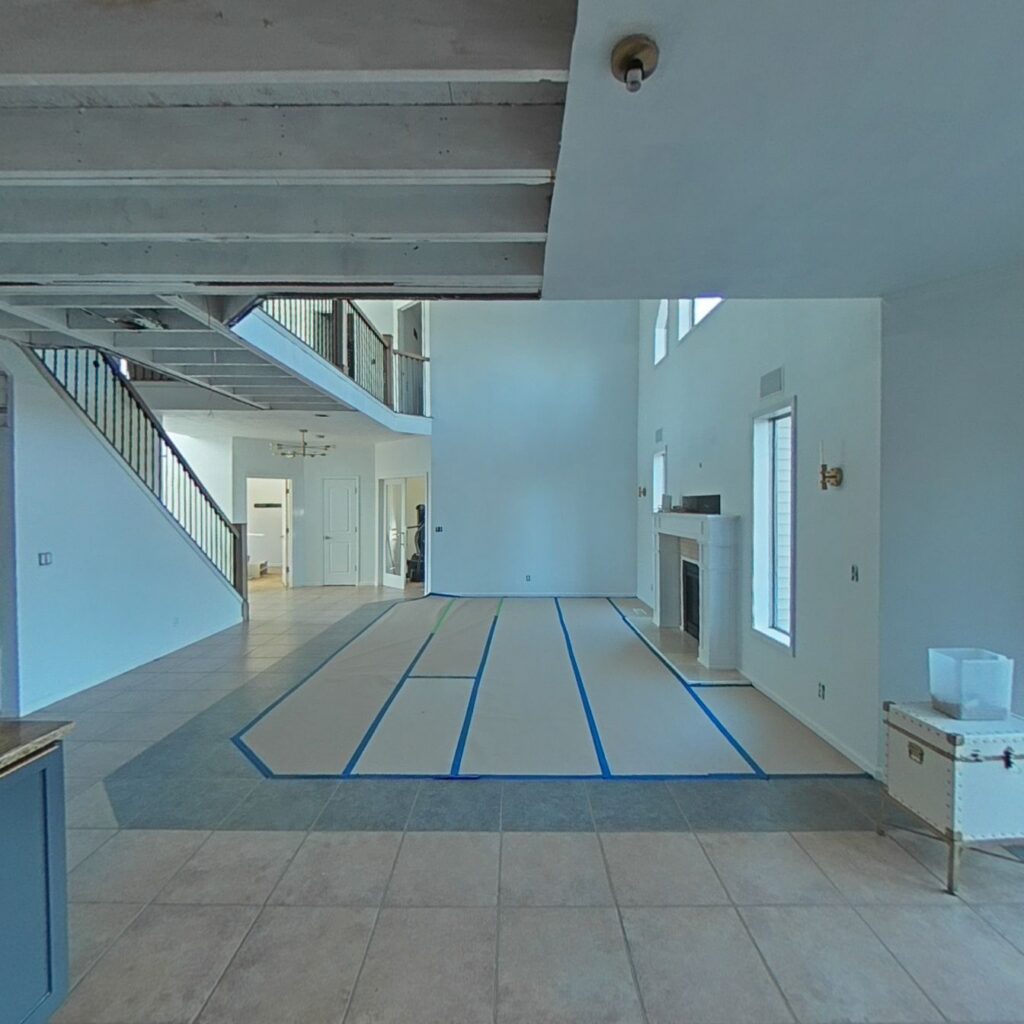
After a water loss, you may be tempted to handle smaller repairs yourself. For minor cosmetic damage, that may be possible. But larger projects can quickly involve multiple materials, rooms, and stages of work.
Professional reconstruction after water damage can help address the property as a whole rather than treating every damaged component as an isolated repair.
A professional team can help with areas such as:
- Drywall and ceiling repairs.
- Flooring replacement.
- Baseboards and trim.
- Cabinet repairs or replacement.
- Painting and finishing.
- Structural repairs when needed.
- Rebuilding areas affected during water damage restoration.
The benefit is not simply making the room look better. Proper reconstruction helps return the affected space to a functional condition while addressing the damage identified during the restoration process.
At PuroClean of Bloomington, reconstruction is part of a complete approach to property recovery. When water damage has left your home needing more than cleanup and drying, the goal is to help move the property from damaged to restored.
How Long Does Reconstruction After Water Damage Take?
There is no single timeline for every water damage reconstruction project.
A small repair involving limited drywall or flooring may be completed relatively quickly. A larger loss involving multiple rooms, cabinets, flooring, ceilings, or structural components can take considerably longer.
The timeline can depend on:
- How extensive the original water damage was.
- How many materials need to be removed.
- Whether hidden damage was discovered.
- The availability of replacement materials.
- The size and complexity of the reconstruction.
- Insurance-related decisions.
- The number of trades involved.
Your reconstruction timeline should become clearer once the scope of work has been assessed.
It is also important to remember that faster is not always better. The goal is to complete the work correctly so you are not dealing with preventable repair problems later.
What Should Homeowners Look for in a Water Damage Reconstruction Company?
Choosing the right company can make a major difference when your home needs extensive repairs after water damage.
You want a team that understands that reconstruction is not simply about making damaged areas look new again. The work should account for the condition of the property, the materials involved, and the steps required to complete the repair properly.
When evaluating a reconstruction company, consider:
- Experience: Look for a team familiar with water damage restoration and reconstruction.
- Communication: You should understand what work is being recommended and why.
- Coordination: Restoration and reconstruction should work together when possible.
- Documentation: A clear scope of work can help everyone understand what needs to happen.
- Local service: A local team can provide convenient support throughout the recovery process.
For homeowners in Bloomington, Normal, and surrounding McLean County communities, local experience can also help the restoration team understand the types of properties and weather-related challenges common in the area.
When Should You Call a Professional for Reconstruction After Water Damage?
Not every water loss requires extensive rebuilding. However, professional help becomes especially valuable when water has affected multiple rooms, structural materials, flooring, drywall, cabinets, or other major components.
Consider contacting a professional when:
- Walls or ceilings have significant water damage.
- Flooring or subfloors have been affected.
- Cabinets have absorbed substantial moisture.
- Large areas of drywall or insulation were removed.
- The source of damage involved contaminated water.
- You are unsure what materials can be salvaged.
- The property needs repairs after professional water mitigation.
- You need help coordinating restoration and reconstruction.
Waiting too long to address necessary repairs can leave damaged areas unfinished and make it harder to get your home completely back to normal.
A professional assessment can help you understand what needs to happen next.
FAQs About Reconstruction After Water Damage
What is reconstruction after water damage?
Reconstruction after water damage involves repairing or rebuilding parts of a home that were damaged by water or removed during the restoration process. This can include drywall, flooring, ceilings, cabinets, trim, and other affected materials.
Does all water damage require reconstruction?
No. Minor water damage may only require water removal, drying, cleaning, or limited repairs. Reconstruction becomes necessary when materials or portions of the property require repair or replacement.
How soon can reconstruction begin after water damage?
Reconstruction can generally begin once the necessary mitigation work is complete and the affected areas are ready for rebuilding. The exact timing depends on the extent of the damage and the condition of the property.
Will homeowners insurance cover reconstruction after water damage?
Coverage depends on your specific policy, the cause of the water damage, and the circumstances of the loss. Your insurance company can explain what your policy covers and how your claim will be handled.
Can PuroClean help with reconstruction after water damage?
Yes. PuroClean of Bloomington provides restoration and reconstruction services to help homeowners address damage and repair affected areas. The scope of reconstruction depends on the condition of the property and the work required.
Final Thoughts – Get Your Home Back to Normal After Water Damage
Reconstruction after water damage is about more than replacing a few damaged materials. You need to understand what was affected, make sure the property is ready for repairs, coordinate the work, and address the damage thoroughly. From flooring and drywall to cabinets and finished spaces, each part of the project matters when restoring your home.
If your Bloomington or Normal home needs repairs after water damage, PuroClean of Bloomington can help you move from the initial damage through the reconstruction process.
📞 Call PuroClean of Bloomington at (309) 433-0900 for professional reconstruction after water damage, or visit our website to learn more.
Don’t let unfinished water damage repairs keep your home from feeling like home again.