 PuroClean Of Bloomington
 Summer storms in Bloomington can leave behind more than just puddles—they often cause hidden roof damage that leads to water infiltration and mold growth. In this blog, we’ll help you spot five signs your roof may be compromised, explain how roof damage escalates into serious water damage, and show why quick remediation is crucial. If your home has experienced wind, hail, or heavy rainfall recently, this post is for you. Let’s explore when you need expert help—and why PuroClean of Bloomington should be your first call.
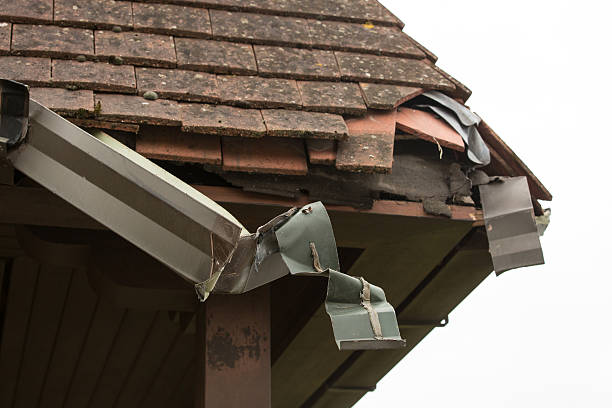
Table of Contents
Understanding Roof Damage After Summer Storms
Summer storms in Central Illinois can be fierce, bringing torrential rains, hail, and wind gusts strong enough to loosen shingles or expose roof decking. While some signs of roof damage are easy to spot (like missing shingles), others—like slow leaks or moisture trapped in your attic—can quietly compromise your home’s structure.
Roof damage is especially dangerous because it’s often underestimated. Homeowners assume a visual check is enough, but the real threat often lies beneath the surface—inside ceilings, insulation, and drywall.
1. Water Stains or Discoloration on Ceilings and Walls
One of the most obvious signs of roof damage is the appearance of water spots or brown stains on your ceiling or upper walls. These stains indicate that water is entering your home—likely through a damaged or missing part of your roof system.
If left untreated, even a small stain can lead to:
- Mold growth
- Insulation damage
- Drywall rot
- Compromised electrical systems
Don’t wait for the stain to spread. Water can travel far from its entry point, making the true location of roof damage difficult to trace without professional tools.
2. Missing, Cracked, or Curling Shingles
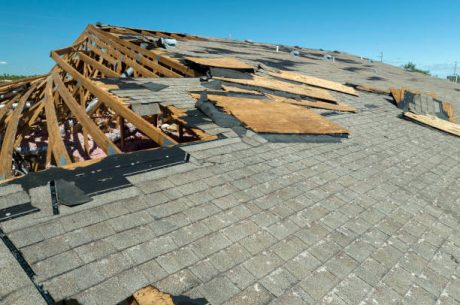
High winds and hail common in summer storms can loosen shingles or strip them entirely. Once the underlayment or roof decking is exposed, it only takes one rainstorm for water to seep in.
Signs your shingles are a problem:
- Cracking or curling edges
- Bald spots where granules are missing
- Entire shingles gone from the roof
If you can safely see your roof from the ground and notice these signs, there’s a strong chance roof damage is already compromising your home’s waterproofing.
3. Granules in Gutters or Downspouts
Granules from asphalt shingles help protect your roof from UV rays and rain. After a strong storm, check your gutters and downspouts. If you notice a sandy, gritty residue, it’s a sign your shingles are breaking down.
This might seem minor, but roof damage at this stage quickly leads to leaks. Without granules, shingles wear out faster and lose their water resistance.
4. Musty Odors or Attic Mold
A humid attic with poor ventilation is the perfect environment for mold—and a clear indicator of water intrusion caused by roof damage. If your attic smells musty or you see dark spots on insulation or rafters, water may be leaking in from above.
Common causes include:
- Cracks around vents or chimneys
- Flashing damage
- Ice damming from improper drainage (especially in seasonal transitions)
Unchecked attic mold not only affects air quality but also signals that water has found a pathway into your home’s interior structure.
5. Sagging Roof Deck or Interior Ceilings
This is one of the most serious signs of roof damage. A sagging roofline means water has penetrated the structural elements of your home. This can lead to:
- Rotted support beams
- Ceiling collapse
- Higher risk of pest infestation
Sagging should never be ignored. It’s a red flag that your roof system needs urgent attention and that water damage remediation may be necessary to protect your home’s integrity.
Why Water Damage Remediation Is Essential
Roof damage and water damage go hand in hand. Once water gets past your shingles or flashing, it starts seeping into insulation, walls, floors, and even your HVAC system. Within 24–48 hours, you could be facing:
- Mold growth
- Wood rot
- Structural weakening
- Contaminated air quality
That’s why professional water damage remediation isn’t optional—it’s urgent.
What Does Water Damage Remediation Involve?
At PuroClean of Bloomington, we follow a proven process:
- Inspection & Moisture Mapping: We identify every area where water has intruded—even the ones you can’t see.
- Water Extraction: Using industrial-grade pumps and vacuums, we remove all standing water.
- Drying & Dehumidifying: We deploy high-powered air movers and dehumidifiers to dry the affected areas thoroughly.
- Sanitizing & Mold Prevention: We apply antimicrobial treatments to prevent mold growth and remove contaminants.
- Restoration: Finally, we repair damaged drywall, insulation, and other materials to restore your home to pre-loss condition.
Why PuroClean of Bloomington?
We’re more than just another water remediation company. PuroClean of Bloomington is your trusted local expert in storm recovery, roof damage assessment, and water mitigation. Homeowners across McLean County trust us for:
- Fast Response Times: 24/7 emergency availability
- Certified Technicians: IICRC-trained professionals
- Advanced Equipment: Moisture meters, thermal imaging, and more
- Compassionate Care: We treat your home like it’s our own
Roof Damage FAQs
Q1: How soon after a storm should I check for roof damage?
A: Immediately. The sooner you catch damage, the less costly the repairs—and the lower your risk of water intrusion.
Q2: Can I inspect my roof myself?
A: It’s best to stay on the ground. Use binoculars to look for obvious signs like missing shingles. For a full assessment, contact professionals like PuroClean.
Q3: What should I do if I see water leaking into my home?
A: Move valuables away from the leak, place a bucket or container underneath, and call a restoration expert right away.
Q4: Does homeowner’s insurance cover roof damage and water remediation?
A: Most policies cover storm-related damage. PuroClean can work with your insurance provider to help file a claim.
Q5: How long does water damage remediation take?
A: Depending on the extent, it can take 3–7 days. Severe damage or mold remediation may extend the timeline.
Don’t Wait Until It Gets Worse—Call PuroClean of Bloomington
If you suspect roof damage after a summer storm, time is of the essence. Don’t wait for mold, rot, or collapsed ceilings to reveal themselves. A quick call today can save thousands in repairs tomorrow.
PuroClean of Bloomington is ready to respond 24/7. We offer fast, professional water damage remediation and storm recovery services with compassion, expertise, and the latest equipment.


 PuroClean Of Bloomington