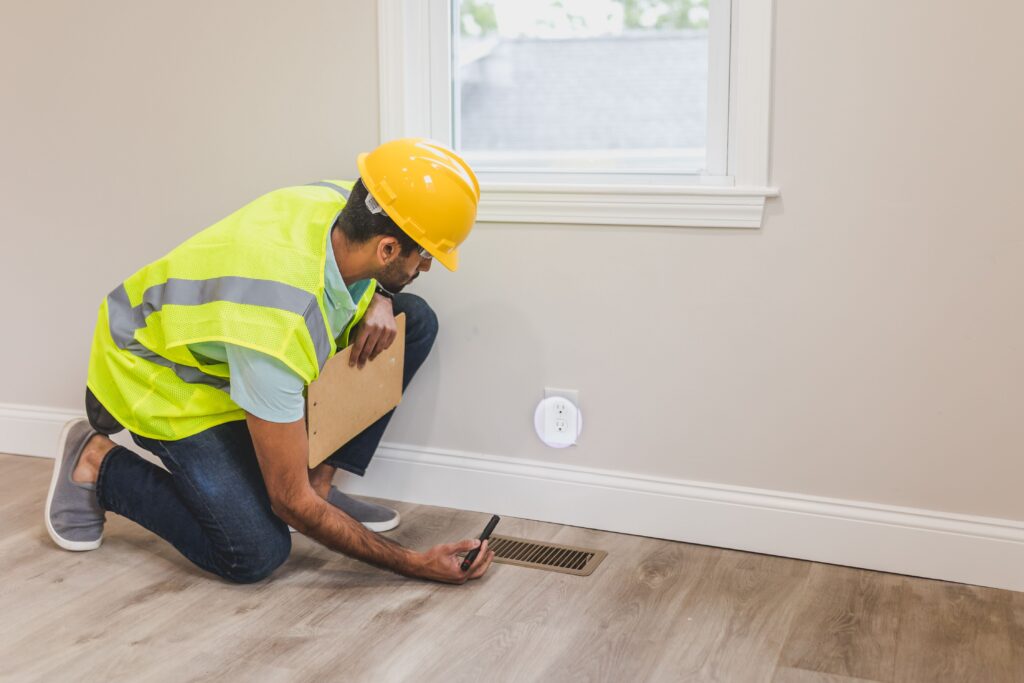
A sewage smell in house can point to anything from a dry drain trap to a damaged sewer line or plumbing vent. While some causes are easy to fix, a persistent sewage smell in house settings can signal a plumbing problem, sewer gas entering your living space, or a sewage backup that needs professional cleanup.
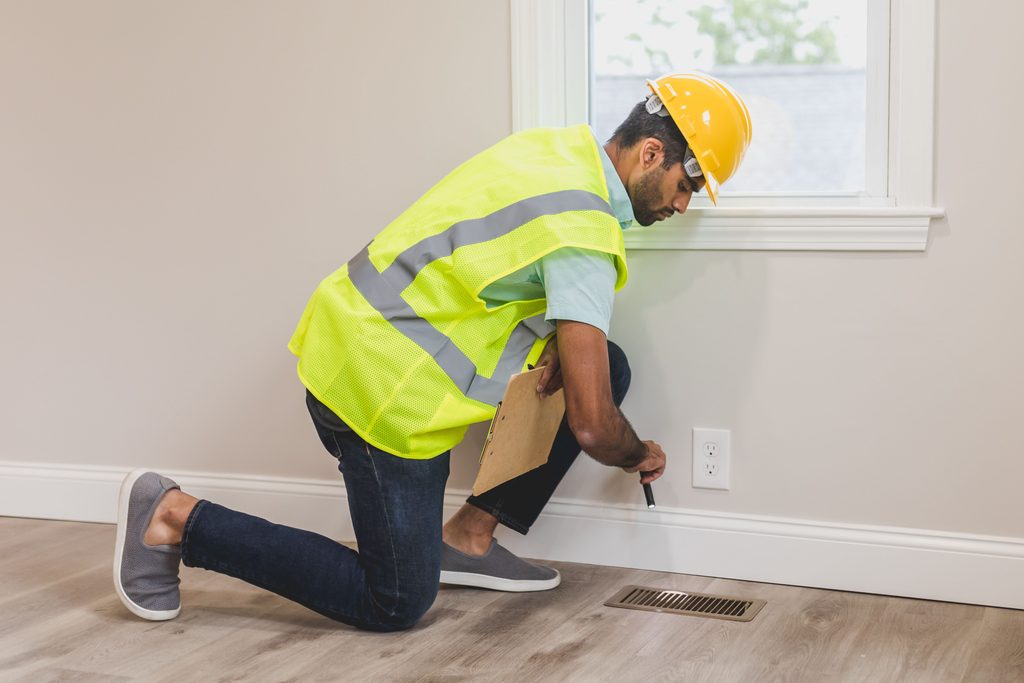
For homeowners in Bloomington and Normal, Illinois, finding the source early is important. A sewage smell in house bathrooms, basements, laundry rooms, and kitchens can develop anywhere your plumbing runs. If wastewater has entered your home, flooring, drywall, insulation, and belongings may also be contaminated.
For sewage cleanup assistance, contact PuroClean of Bloomington or call (309) 433-0900. Emergency help is available 24/7.
Below are nine common causes of a sewage smell in house spaces, how to investigate safely, and when to call a professional.
What Causes a Sewage Smell in House Spaces?
A sewage smell in house areas usually comes from one of three sources: sewer gas escaping the plumbing system, organic waste building up in a drain, or wastewater entering the home.
Where and when you notice the odor helps narrow things down. A smell near an unused bathroom has a different cause than a strong odor with water backing up through a basement floor drain.
1. Dry P-Traps in Unused Drains
One of the most common reasons for a sewer-like smell is a dry P-trap. A P-trap is the curved pipe beneath many sinks and inside some drain assemblies. It holds a small amount of water that blocks sewer gases from traveling back into the house.
When a sink, shower, floor drain, or guest bathroom sits unused for a long time, that water can evaporate and let a sewage smell in house rooms develop.
What to do: If there are no signs of a backup, run water into the fixture to refill the trap. For a floor drain, slowly add enough water to restore the seal. If the smell returns quickly, the trap may be leaking or another source may be responsible.
2. Clogged or Dirty Drains
Hair, grease, soap residue, and food particles collect inside drainpipes. As this buildup decomposes, it can produce a smell that resembles sewage, especially in kitchen sinks, bathroom drains, and showers.
What to do: Remove visible debris and clean accessible parts according to the manufacturer’s instructions. Avoid putting grease or food scraps down the drain. Never mix drain cleaners or combine them with bleach, because the reaction can create dangerous fumes.
If the odor persists, the drain empties slowly, or several fixtures smell at once, contact a plumber to check for a deeper blockage.
3. Damaged or Loose Plumbing Connections
Drainpipes can develop leaks, cracks, or loose joints over time. When a wastewater line is damaged, sewer gas may escape into a wall cavity, cabinet, crawl space, or basement and cause a sewage smell in house areas near that plumbing.
What to do: Look for moisture, water stains, or deterioration around accessible connections, but do not dismantle pipes or enter confined spaces. A licensed plumber can find the damaged connection and recommend repairs. If wastewater has soaked building materials, they may need professional assessment and cleanup.
4. A Damaged or Improperly Sealed Toilet
A toilet that smells like sewage may have a failed wax ring, loose connections, or a damaged seal. When that seal fails, a sewage smell in house bathrooms can appear even without an obvious puddle.
Other signs include a toilet that moves when you sit on it, water around the base, or discolored flooring nearby.
What to do: Avoid using a leaking or unstable toilet until a plumber inspects it. If wastewater has reached the subfloor, fixing the toilet alone may not solve the whole problem.
5. Blocked or Damaged Plumbing Vents
Vent pipes regulate air pressure and let sewer gases escape safely above the roof. If a vent is blocked, damaged, or poorly installed, traps may not work properly. The result can be gurgling drains, slow drainage, or a sewage smell in house rooms.
What to do: If several drains gurgle or the smell is spread throughout the house, have a plumber inspect the venting system. Do not climb onto the roof yourself, especially in wet, icy, or windy weather.
6. A Sewer Line Blockage
A blockage in the main sewer line keeps wastewater from leaving your property. Drains slow down, toilets gurgle, and sewage can back up through the lowest drains in the home. Grease buildup, tree roots, damaged pipes, and flushed materials are common contributors.
A main line problem tends to cause a sewage smell in house rooms across the whole property, not just at one sink.
What to do: If multiple fixtures drain slowly, limit water use and call a licensed plumber. If sewage is already backing up, do not flush toilets or run appliances, and do not try to clear the main line yourself.
7. A Sewage Backup in the Basement
A sewage backup is one of the most serious causes of a sewage smell in house basements. When wastewater cannot flow out, it can return through floor drains, toilets, or showers. This leaves contaminated standing water, foul odors, and damage to flooring, drywall, insulation, and stored items.
What to do: Keep people and pets away. Do not walk through sewage or touch contaminated belongings without protective equipment. If water may have reached outlets, wiring, or appliances, stay out until the area is confirmed safe.
Call a plumber to fix the source and a qualified sewage cleanup professional to assess contamination. Contaminated porous materials may need to be removed, and the area must be cleaned, disinfected, and dried. For help with sewage backup cleanup, contact PuroClean of Bloomington at (309) 433-0900.
8. Septic System Problems
Homes on a septic system may develop a sewage smell in house rooms or around the yard when the system is not working properly. Causes include a full tank, a blocked line, damaged components, or drain field trouble. The U.S. Environmental Protection Agency offers septic system guidance for homeowners that explains routine maintenance.
What to do: Reduce water use and call a qualified septic professional. Avoid walking over areas where sewage may be surfacing, and never open or enter a septic tank.
9. Sewer Gas Entering Through Cracks or Openings
Sewer gas can enter through gaps around plumbing penetrations, damaged pipes, or improperly sealed drains. It is often more noticeable in basements, crawl spaces, and poorly ventilated utility rooms.
Sewer gas can contain hydrogen sulfide, methane, and other gases. The Occupational Safety and Health Administration explains the hazards on its hydrogen sulfide safety page. A strong, unexplained sewage smell in house air accompanied by dizziness, nausea, headaches, or breathing trouble should never be dismissed.
What to do: If the odor is strong, sudden, or causing symptoms, leave and get fresh air. Do not lean into a drain or enter a confined space. For persistent odors without an emergency, have a plumber find where gas is entering.
Is a Sewage Smell in House Air Dangerous?
A sewage smell in house air is not always an emergency, but it should never be ignored when the source is unknown. A dry trap or dirty drain may be unpleasant without any sewage spill. However, sewer gas can be hazardous at high enough concentrations, and wastewater can carry microorganisms that cause illness.
Signs That Need Prompt Attention
- A strong sewage odor that suddenly appears or intensifies
- Wastewater backing up through toilets, tubs, or floor drains
- Multiple drains gurgling or draining slowly at once
- Sewage or contaminated water on basement floors
- Odors with dizziness, nausea, headaches, or breathing irritation
- Wet drywall, flooring, or other materials after a sewage leak
If sewage is visible, keep children and pets away and avoid direct contact. Do not run ordinary household fans in a contaminated area before the hazards are assessed.
How to Find the Source of a Sewage Smell in House Rooms
You do not need to take apart your plumbing to narrow things down. A few observations will also help when you explain the problem to a plumber or restoration professional.
- Check where the smell is strongest. A localized smell points to one fixture or drain. A sewage smell in house rooms throughout the property suggests a broader plumbing or sewer issue.
- Note when it occurs. Does it appear after flushing, running the washer, or returning to a closed room? Timing offers clues.
- Look for visible warning signs. From a safe spot, check for water around toilet bases, damp cabinets, wall stains, or standing water. Do not touch sewage or enter a flooded basement.
- Know when to stop. If multiple fixtures are affected or sewage is backing up, leave the investigation to professionals.
What to Do When a Sewage Smell in House Areas Means Sewage Is Present
If the smell is linked to an actual leak or backup, the priority shifts from odor removal to safety, containment, and cleanup. The Centers for Disease Control and Prevention provides guidance on staying safe around floodwater and sewage that is worth reviewing.
- Keep people and pets away. Sewage may contain bacteria, viruses, and other contaminants.
- Avoid electrical hazards. Do not enter standing water if outlets, appliances, or wiring may be affected.
- Stop using affected plumbing. Avoid flushing, running washing machines, or draining tubs until a plumber assesses the situation.
- Call a plumber to fix the source. The cause must be corrected before cleanup can be completed.
- Arrange professional sewage cleanup. A quick mop does not make a sewage-affected room safe. Restoration professionals who follow IICRC standards can remove unsalvageable materials, clean, disinfect, and dry the area.
- Document the damage. Photograph affected areas before cleanup and contact your insurance company. Coverage for sewer backups varies, and some policies require a separate endorsement.
Why You Should Not Just Mask a Sewage Smell in House Rooms
Air fresheners and candles may cover a sewage smell in house rooms for a while, but they do not fix the source. A dry trap needs its water seal restored. A damaged pipe needs repair. Contaminated materials need professional cleanup. Ignoring the source lets the problem continue behind walls and beneath floors.
Can a Sewage Smell in House Spaces Cause Damage?
The odor itself does not necessarily cause structural damage, but what produces it can. Sewage can contaminate flooring, carpet, baseboards, drywall, insulation, and stored items. Leftover moisture can lead to further deterioration and mold growth. Addressing the source quickly limits contamination and makes it easier to decide what can be safely cleaned or salvaged. Learn more about our water damage restoration and biohazard cleanup services.
Sewage Cleanup and Restoration in Bloomington, IL
A sewage smell in house spaces is unpleasant and worrying, especially when you cannot tell whether it comes from a drain, a damaged pipe, or a hidden backup. If wastewater has entered your home, fixing the plumbing is only part of the solution. Affected areas may need assessment, removal of contaminated materials, cleaning, disinfection, and drying.
PuroClean of Bloomington helps homeowners in Bloomington, Normal, and surrounding communities with sewage cleanup and property damage restoration. Our team can assess affected materials and help determine the right next steps.
For sewage cleanup assistance, contact PuroClean of Bloomington or call (309) 433-0900. Emergency help is available 24/7. You can also contact our team online.
Frequently Asked Questions About a Sewage Smell in House Rooms
Why does my house smell like sewage all of a sudden?
A sudden sewage smell in house rooms may come from a dry trap, blocked drain, failed toilet seal, damaged pipe, or sewer line problem. If the odor is strong, affects several rooms, or comes with a backup, leave the area if needed and contact a qualified professional.
Why does my house smell like sewage when it rains?
Heavy rain puts extra pressure on drainage systems and can contribute to sewer backups or expose existing drainage problems. If a sewage smell in house air shows up repeatedly during storms, have your plumbing and drainage inspected. Your local utility or the Illinois EPA may help if the issue involves the municipal system.
How do I get rid of a sewage smell in my basement?
First, determine whether it comes from a dry floor drain, a plumbing issue, or an actual backup. If sewage is present, keep people and pets away, avoid contact, and call a plumber and a restoration professional. Removing the source and properly cleaning affected materials matters more than masking the odor.
Can a sewage smell in house drains come from a drain I never use?
Yes. The water in an unused drain’s P-trap can evaporate and let sewer gas into the room. If there are no signs of a backup, adding water may restore the barrier. If the smell continues, have the plumbing inspected.
Should I call a plumber or a sewage cleanup company?
Call a plumber to find and repair the cause. If sewage has entered the home, a sewage cleanup company can assess contamination, remove affected materials, and handle cleaning and drying. Both services may be needed. For cleanup, call PuroClean of Bloomington at (309) 433-0900.
Conclusion: Take a Sewage Smell in House Air Seriously
A sewage smell in house air may come from something simple like a dry drain trap, but it can also indicate a damaged pipe, a sewer line blockage, or a wastewater backup. Pay attention to where the smell occurs, whether multiple drains are affected, and whether there are signs of standing water. Avoid contact with sewage, and leave the area if a strong odor causes symptoms.
If wastewater has entered your property, professional cleanup can address contamination and determine which materials need further attention. For water damage restoration or sewage cleanup assistance, contact PuroClean of Bloomington or call (309) 433-0900. Emergency help is available 24/7