


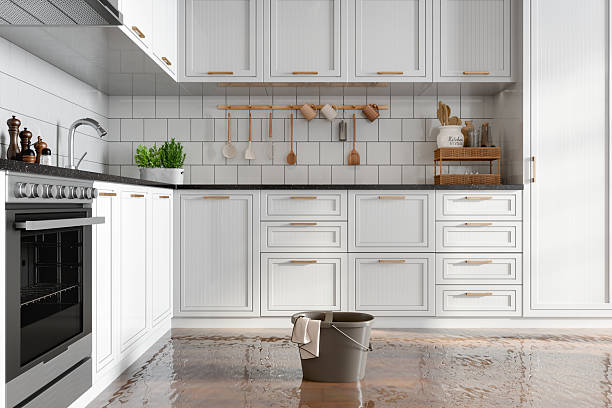
You may not see a flood, but water damage can be silently destroying your home right now. Knowing the signs of hidden water damage early is the difference between a minor repair and a major restoration project. At PuroClean of Bloomington, we’ve helped hundreds of Central Illinois homeowners catch these warning signs before they turned into costly catastrophes — and in this guide, we’ll walk you through exactly what to look for, why it happens, how to prevent it, and when to call a professional.
Why Hidden Water Damage Is So Dangerous
Most homeowners picture water damage as a burst pipe flooding a basement or a roof collapse after a storm. The reality is far more common and far more subtle.
Hidden water damage often develops behind walls, under floors, and inside ceilings for weeks or even months before a single visible clue appears.
By the time you notice something is wrong, structural materials may already be compromised and mold may have begun to grow. Water doesn’t announce itself — it seeps, travels through building materials, and causes damage far from its original source.
Understanding the signs of hidden water damage is one of the most valuable things you can do as a homeowner. Catching it early saves you thousands of dollars and protects your family from serious health risks.
1. Discoloration and Staining on Walls or Ceilings
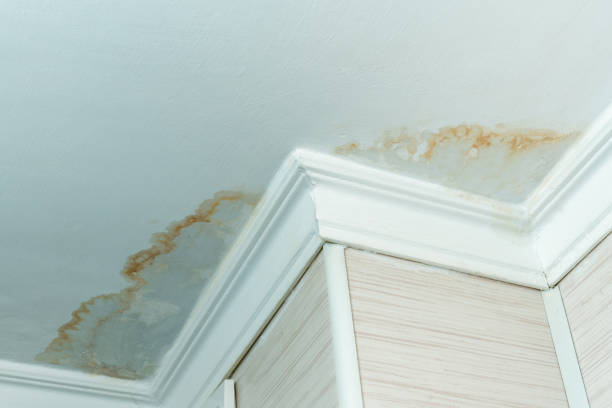
One of the most recognizable signs of hidden water damage is an unexplained stain on a wall or ceiling. These spots often appear yellowish-brown or rust-colored and tend to grow over time if the moisture source is not addressed.
Water stains form when water saturates drywall or plaster, then partially dries and leaves behind mineral deposits. Even if the stain appears dry to the touch right now, the moisture causing it is likely still active somewhere behind the surface.
Look for stains that appear near plumbing fixtures, skylights, HVAC vents, or the ceiling directly below an upstairs bathroom.
Check for rings around the stain — if you see multiple ring patterns, that means the area has been wet and dried more than once, suggesting a recurring leak.
Press lightly on a suspicious stain — soft, spongy drywall is a clear indicator that moisture is still trapped inside the wall.
Don’t assume a dry stain means the problem is over; it simply means the water temporarily stopped but the damage remains.
Discoloration is often the first clue your home gives you, so never ignore it. The next sign is just as easy to spot if you know what you’re looking for.
2. Warping, Buckling, or Soft Spots on Floor
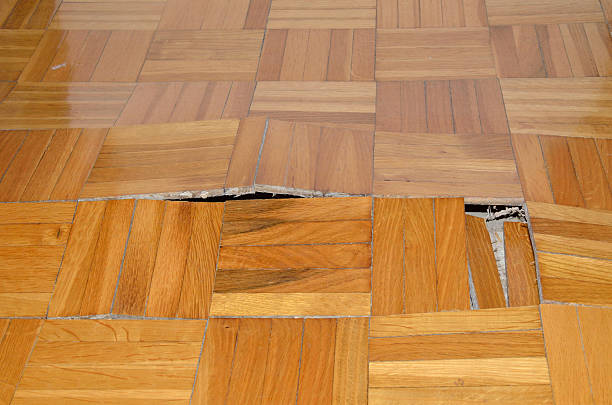
Your floors take on more hidden water damage than almost any other surface in the home. Whether it’s hardwood, laminate, vinyl, or tile, moisture causes all flooring materials to shift, lift, or weaken over time.
Hardwood floors are particularly vulnerable. When water penetrates the wood, individual boards absorb moisture unevenly, causing them to expand, cup, or buckle upward. Laminate floors may begin to swell at the seams. Even tile floors can crack or loosen when the subfloor beneath them gets saturated.
Walk slowly across your floors and listen for unusual creaking or feel for areas that give under your weight — this can indicate a softened or rotting subfloor.
Check the areas directly around toilets, dishwashers, refrigerators with ice makers, and washing machines, as slow leaks from these appliances are extremely common.
Look for buckling or gaps between floorboards, especially in rooms with plumbing or near exterior walls where condensation may be a factor.
Discoloration or dark staining on hardwood floors often appears before buckling sets in, so watch for subtle color changes.
Floor damage from hidden moisture tends to worsen rapidly once it starts, so early action is critical to preventing a full subfloor replacement.
3. Peeling or Bubbling Paint and Wallpaper
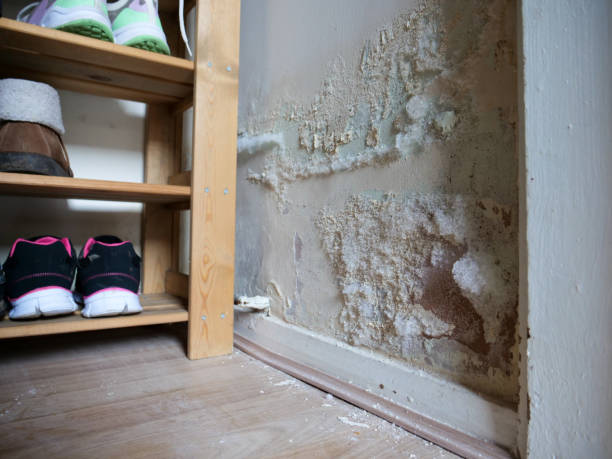
Paint and wallpaper act as a skin over your walls, and when moisture gets trapped underneath them, that skin starts to react.
Bubbling, peeling, or blistering paint is one of the clearest signs of hidden water damage that homeowners often mistake for simple aging or poor paint quality.
Water vapor works its way through drywall and sits just beneath the surface layer. As moisture builds up, it breaks the bond between the paint or wallpaper adhesive and the wall. The result is visible bubbling or the edges of wallpaper peeling back on their own.
Bubbling that appears suddenly, especially after heavy rain or a humid stretch of weather, often points to water infiltration from outside the home.
Check wall surfaces behind large furniture pieces like couches or headboards, where poor air circulation allows moisture to accumulate undetected.
Peeling paint near the baseboard level is a strong signal of rising moisture from below, potentially from a slab leak or poor drainage around your foundation.
Wallpaper seams that keep lifting after being re-glued are not a cosmetic issue — they are telling you there is consistent moisture behind the wall.
This type of surface damage rarely resolves on its own. Without fixing the source, you’ll find yourself repainting the same wall over and over.
4. Musty Odors You Can’t Explain
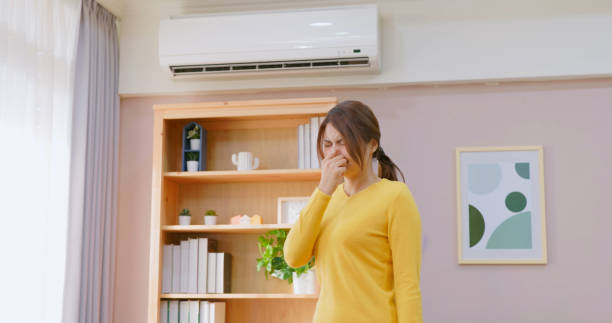
If your home has a persistent musty smell that no amount of cleaning or air freshener covers up, you may be dealing with a hidden moisture problem.
A musty odor is one of the most telling signs of hidden water damage because it signals that organic materials in your home are staying wet long enough for microbial growth to begin.
The smell itself comes from mold and mildew, which release gases called microbial volatile organic compounds (MVOCs) as they grow.
You may not see a single dark spot of mold anywhere, but the smell confirms it is developing somewhere out of sight, likely inside a wall cavity, beneath flooring, or in a crawl space.
Pay special attention to rooms that smell musty only after rain or when humidity rises — this pattern suggests water is entering from outside.
A musty smell coming from HVAC vents may mean your ductwork or air handler has a moisture issue, which can spread mold spores throughout the entire home.
Crawl spaces and basements are common odor sources, even when the smell seems to originate in an upstairs room.
If the odor is strongest in one specific room or corner, focus your investigation there first — water usually concentrates close to its entry point.
Don’t get used to a musty smell or assume it’s just an old house. That odor is your home communicating that something is actively wrong.
If you’re already noticing musty smells or other signs of hidden water damage, call PuroClean of Bloomington at (309) 433-0900 for a fast response before the damage spreads further.
5. Unexpected Spikes in Your Water Bill

Sometimes the clearest signs of hidden water damage don’t come from looking at your walls at all — they come from your monthly utility statement.
If your water bill has jumped significantly without any change in your household habits, a hidden leak is one of the most likely explanations.
Even a small pinhole leak in a pipe inside a wall can waste thousands of gallons of water per month. These slow, constant drips keep building materials perpetually wet, creating ideal conditions for structural deterioration and mold growth. Because the leak is inside a wall or under a slab, you may never hear it or see it directly.
Compare your water bills month over month. A jump of 20 percent or more with no obvious explanation warrants a plumbing inspection.
Check your water meter at night when no water is being used. If the meter is still moving, you have a leak somewhere in the system.
Low water pressure throughout your home can sometimes indicate a hidden pipe break or leak that is diverting flow before it reaches your fixtures.
Run your hand along exposed pipes under sinks and around appliances to feel for moisture or dripping that might not be visible at a glance.
A rising water bill is your wallet warning you before your walls do. Take it seriously and investigate early.
6. Visible Mold Growth or Dark Spotting
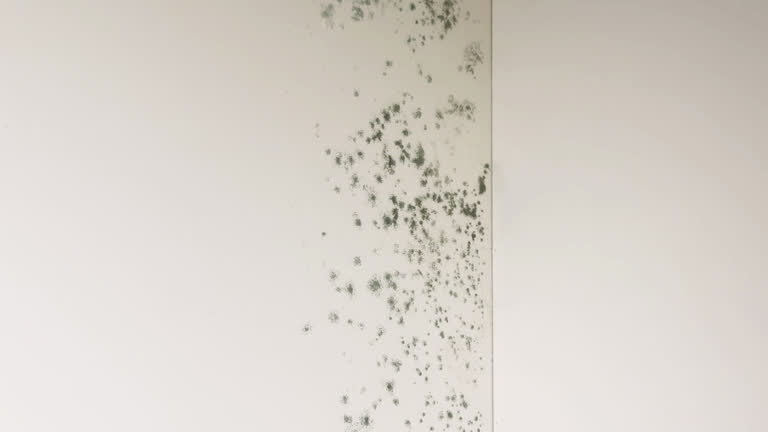
Mold is not just a cosmetic problem and should never be treated like one. When you spot small dark clusters on walls, grout lines, ceilings, or around windows, you’re seeing the surface result of a hidden moisture condition that has likely been building for some time.
Visible mold is always a sign that water has been present long enough, usually 24 to 48 hours at minimum, for biological growth to begin.
Mold can appear black, green, gray, or even pink depending on the species. In some cases, it starts as a faint discoloration that homeowners mistake for dirt or soot before the growth becomes more pronounced.
Mold on exterior walls often indicates condensation issues or water infiltration through gaps in siding, windows, or foundation cracks.
Check inside closets along exterior walls — the lack of airflow makes these spots particularly vulnerable to mold growth from trapped condensation.
Bathroom caulk and grout that keeps turning black even after cleaning may signal water escaping through failed seals and penetrating the wall behind the tile.
Never attempt to dry-brush or paint over mold — it will return, and disturbing it without proper containment can spread spores to other areas of your home.
Mold is both a consequence and a continuing contributor to signs of hidden water damage. Seeing it means the moisture problem is already advanced, and professional assessment is strongly recommended.
Where Hidden Water Damage Hides Most in Your Home

Knowing the specific areas of your home that are most vulnerable helps you focus your inspections and catch problems early. Water is relentless and will exploit any crack, gap, or vulnerable material it contacts.
Behind Bathroom Walls and Under Tile
Failed caulk around tubs and showers allows small amounts of water to seep into the wall cavity with every use.
Over years, this steady infiltration saturates insulation and wood framing completely.
Inspect caulk lines every six months and replace any that are cracked, discolored, or separating from the surface.
Press gently on wall tiles near the tub or shower. If any tile feels soft or hollow, the backing material behind it is likely damaged.
Under Kitchen and Bathroom Sinks
Cabinet bases under sinks are one of the most frequently ignored zones in any home. Slow drips from supply lines, drain connections, or the garbage disposal often go unnoticed for months because the cabinet door stays closed.
Make a habit of opening under-sink cabinets weekly and checking for any moisture, soft spots in the cabinet floor, or signs of staining.
Replace supply line hoses that are more than five years old proactively, especially braided stainless steel lines that can burst without warning.
Inside Walls Near Exterior Windows
Window seals and flashing around window frames are common failure points, especially in older homes.
When these seals break down, rainwater tracks down the inside of the wall cavity invisibly.
Check the paint or drywall directly below window frames for any soft spots, staining, or peeling.
Re-caulk the exterior perimeter of windows every few years as part of routine home maintenance.
Attic and Roof Decking
A slow roof leak may drip onto attic insulation and the wood decking for an entire season before it saturates through to the ceiling below.
By then, the structural wood may already be compromised.
Inspect your attic after any major storm, looking for wet insulation, staining on the rafters, or visible light coming through the roof decking.
Check attic ventilation regularly — poor airflow traps humidity and causes condensation damage even without any roof leak.
When to Call a Professional Restoration Company
Some water damage situations are genuinely manageable with a mop and a fan. But the signs of hidden water damage described in this guide point to conditions that require professional assessment and specialized drying equipment.
At PuroClean of Bloomington, we use commercial-grade moisture meters, thermal imaging cameras, and industrial air movers to locate moisture that is invisible to the naked eye and dry it completely from the inside out.
Here is when you should call us rather than try to handle it yourself:
Any water damage that has been present for more than 24 to 48 hours, because mold can begin developing in that window.
Any visible mold growth larger than a 10-square-inch area, which according to general industry guidance, requires professional containment and remediation.
You can also read: Mold Growth in Homes: 7 Effective Ways to Stop It Before It Starts
Water that has reached insulation, structural framing, or subfloor materials, since these materials trap moisture and will not dry adequately with household fans.
Any contaminated water source such as sewage backup, floodwater, or water from a roof leak that has traveled through insulation.
Situations where the moisture source has not been fully identified, because drying without finding the source means the problem will return.
We respond quickly to water damage calls throughout Bloomington, Normal, and the surrounding Central Illinois area. Our team is IICRC-certified, and we work directly with most major insurance carriers to make the claims process as smooth as possible for you.
📞 Call PuroClean of Bloomington for water damage restoration and mold removal in Bloomington, IL today at (309) 433-0900 or visit our website. Acting quickly on the signs of hidden water damage in your home can save your structure, your belongings, and your family’s health.
FAQs About Signs of Hidden Water Damage
How do I know if I have hidden water damage inside my walls? The most common indicators are unexplained stains or discoloration on walls or ceilings, soft or spongy drywall, peeling paint, a persistent musty smell, and mold growth near baseboards or in corners. If you notice any of these signs, a professional moisture assessment using thermal imaging or a moisture meter can confirm what’s happening behind the surface.
Can hidden water damage cause health problems? Yes. Prolonged moisture inside walls and floors promotes mold and mildew growth, which releases spores and gases that can trigger respiratory issues, allergic reactions, and worsen conditions like asthma. Children, the elderly, and people with compromised immune systems are especially vulnerable to mold-related health effects.
How long does it take for hidden water damage to cause mold? Mold can begin growing on wet materials in as little as 24 to 48 hours under the right conditions, particularly in warm, poorly ventilated spaces. This is why professional drying equipment is so important — household fans often don’t dry materials thoroughly or quickly enough to prevent mold development.
Will homeowner’s insurance cover hidden water damage? It depends on the cause and your specific policy. Most standard homeowner’s policies cover sudden and accidental water damage, such as a burst pipe, but may not cover damage from long-term neglect or gradual leaks. Contacting your insurance company promptly after discovering damage and documenting everything thoroughly gives you the best chance of a successful claim.
Is hidden water damage always visible from the outside? Not always. Some of the most significant water damage occurs deep inside wall cavities, under subfloors, or in crawl spaces where no visible signs appear on finished surfaces until the damage is severe. Professional restoration companies use non-invasive moisture meters and infrared cameras to locate hidden moisture accurately without unnecessary demolition.
Final Thoughts
Catching the signs of hidden water damage early is one of the most important things you can do to protect your home’s value and your family’s health. Stains, musty odors, floor buckling, peeling paint, rising water bills, and visible mold are all your home’s way of asking for help, and each one deserves a serious response.
Acting quickly on these warning signs prevents minor repairs from becoming full-scale restoration projects, and it keeps mold from establishing a foothold inside your living space.
When the signs point to something more than a surface problem, trust a local expert who knows exactly what to do.
PuroClean of Bloomington has the equipment, the certification, and the experience to find hidden moisture, dry it completely, and restore your home to safe condition.
📞 Call PuroClean of Bloomington for water damage restoration and hidden water damage assessment today at (309) 433-0900).
Don’t let hidden water damage ruin your home, your belongings, or your family’s health — get trusted professional help today.