 PuroClean Of Bloomington
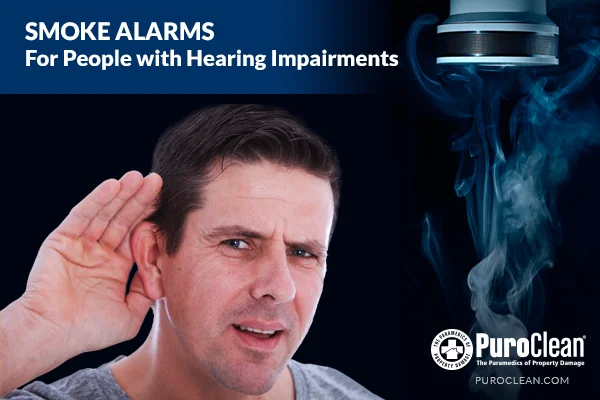
Smoke alarms save lives. However, people who suffer from hearing impairment may not be able to depend on the traditional smoke alarm to alert them to a fire.
Fire safety looks different for everyone—and that includes those with hearing challenges. Seniors with severe hearing loss may not hear the high-pitched tone of a traditional smoke alarm, putting them at greater risk in an emergency. Thankfully, there are advanced smoke alarm solutions for seniors with severe hearing loss that can provide the same life-saving warnings in a way that’s accessible and reliable.
Let’s explore your options…
1. Why Traditional Smoke Alarms May Not Be Enough
Most traditional smoke alarms emit a high-frequency sound—usually around 3,100 Hz—at about 85 decibels. While that’s enough for many people, it may not be sufficient for those with severe hearing loss. Age-related hearing loss often reduces the ability to detect higher-pitched sounds, making these alarms ineffective for some older adults.
2. Vibrating Smoke Alarms for the Bedroom
Some specialized smoke alarm solutions include a vibrating pad or bed shaker. When the alarm detects smoke, the device vibrates strongly enough to wake a sleeping person. These pads are placed under the pillow or mattress and are particularly effective during nighttime emergencies.
3. Strobe Light Smoke Alarms for Visual Alerts
Another excellent tool is the strobe light smoke alarm. These alarms flash a bright, powerful light when smoke is detected. Strobe models are often used in combination with other alarms to ensure multiple layers of alert—especially for individuals who may be both hard of hearing and visually impaired.
4. Interconnected Systems for Whole-Home Protection
You don’t need to install separate alarms for every room. Many of today’s smoke alarm solutions for seniors with severe hearing loss can be interconnected. That means if one alarm goes off in the kitchen, all the alarms—including visual and vibrating models—are triggered throughout the home. This ensures that no matter where the danger is, you’re alerted immediately.
5. Low-Pitched, Mixed-Tone Smoke Alarm Accessories
Studies have shown that low-pitched tones (around 520 Hz) are more effective in waking individuals than high-pitched ones. Some accessories use these low tones and activate when they detect the sound of a traditional alarm. They’re a helpful addition for people with mild to moderate hearing loss who may still respond to audio signals, just at a different frequency.
6. Assigning a Buddy System
If someone in your home cannot hear even these advanced alarms, consider creating a fire buddy system. This means assigning a friend, caregiver, or family member the responsibility to assist them in an emergency. It’s a proactive step to ensure everyone gets out safely, especially in multi-level homes or apartment buildings.
7. Regular Testing and Maintenance Is a Must
Even the best equipment won’t work if it’s not maintained. Test alarms monthly. Replace batteries regularly. For vibrating or strobe models, check that connections are secure and that all components function as intended.
FAQs About Smoke Alarm Solutions for People with Severe Hearing Loss
Q: Can smoke alarms with strobe lights cause problems for people with epilepsy?
A: Yes, it’s possible. If someone in your home has epilepsy, consult a medical professional before installing strobe alarms and look for alternatives like bed shakers.
Q: Are these alarms covered by insurance or Medicare?
A: Some devices may be covered under certain health plans or through local fire safety programs. Check with your insurance provider or city fire department.
Q: Can I install these alarms myself, or should I hire a professional?
A: Many models are DIY-friendly, but for interconnected systems, it’s often safer to have a licensed electrician or safety technician handle installation.
Q: How do I know which alarm is right for my level of hearing loss?
A: It’s best to speak with an audiologist or a hearing health professional. They can help you determine which frequencies and signals are most effective for you.
Fire Safety Is Everyone’s Responsibility—And We’re Here to Help
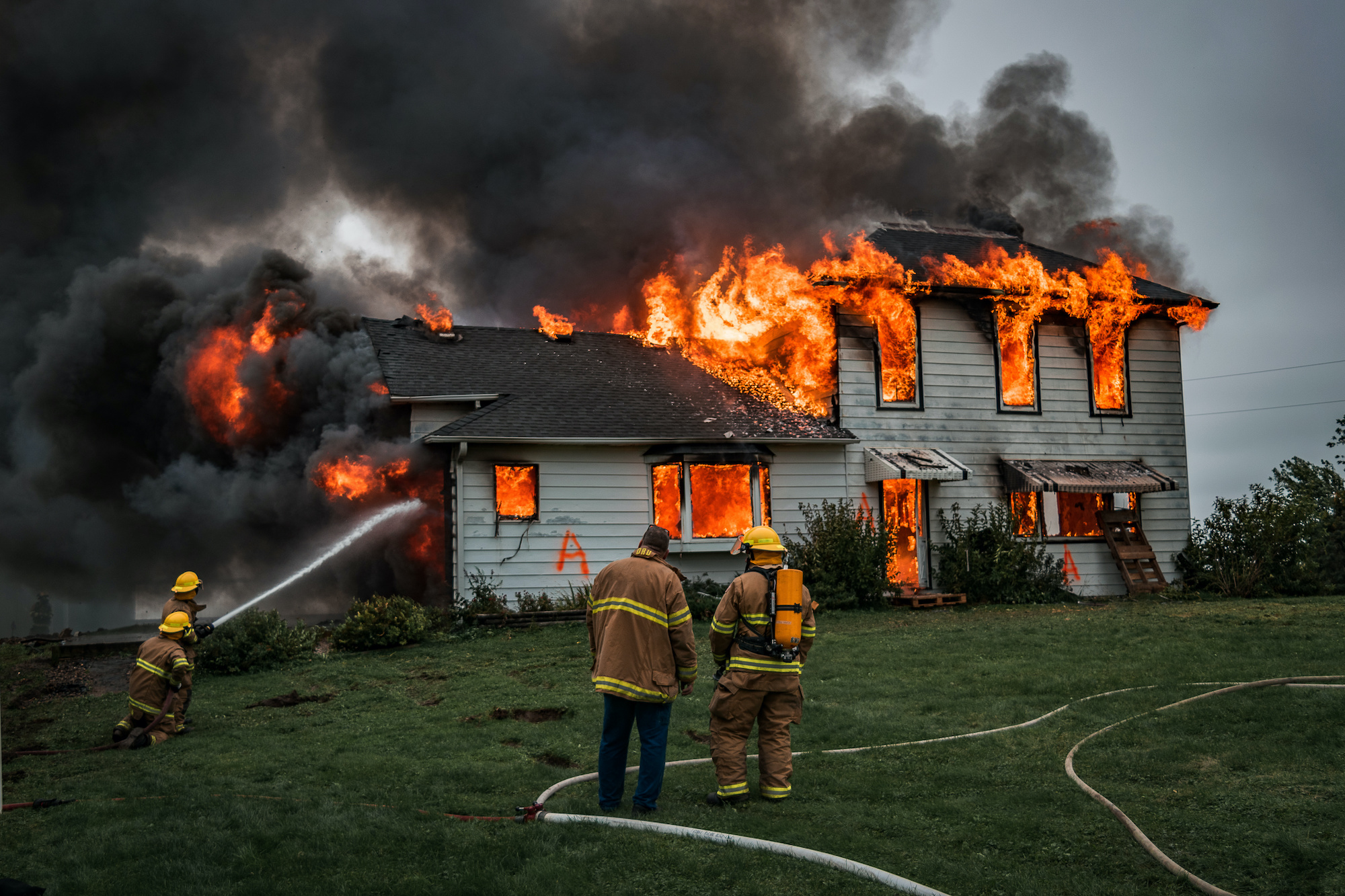
At PuroClean of Bloomington, we know that safety doesn’t stop at alarms. If your home experiences fire damage, smoke damage, or even mold after extinguishing a fire, our professional restoration team is ready to help. We treat every property with care, urgency, and respect—because your peace of mind matters.
Contact PuroClean of Bloomington at (309) 433-0900
We’re your trusted neighbors in restoration—ready to restore not just your property, but your comfort and confidence too.

 PuroClean Of Bloomington