


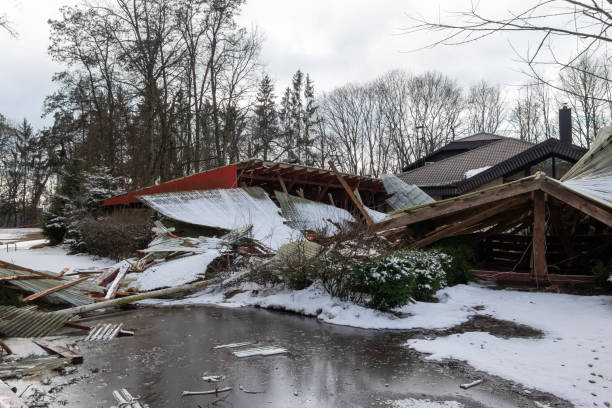
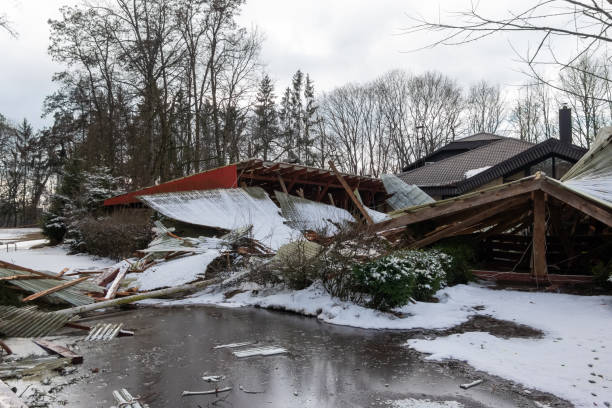
Storm damage in Bloomington can strike without warning, leaving homeowners facing flooded basements, broken windows, and fallen trees. Knowing exactly what to do after storm damage can save your home, your wallet, and your peace of mind. In this guide, we will walk you through seven crucial steps, from safety precautions to contacting local restoration experts. We’ll also share real-life homeowner experiences and explain why PuroClean of Bloomington is the trusted solution for emergency storm damage services in Bloomington, Normal, and Peoria, IL.

Table of Contents
Step 1: Ensure Personal Safety First
After a storm, your first priority should always be your safety. Homeowners often rush back inside only to find hidden dangers like downed power lines, structural damage, or contaminated water.
- Check for injuries and call emergency services if anyone is hurt.
- Avoid areas with standing water, as it could be electrically charged from broken wiring.
- Wear protective gear if you must move through debris.
One client in Peoria recalled stepping over fallen branches only to find nails and shattered glass underfoot. Taking a moment to assess risks prevented injuries and set the stage for a smoother recovery.
Step 2: Document the Damage
Documenting storm damage is crucial for insurance claims. Your goal is to create a clear record of damage before cleanup begins.
- Take clear photos of damaged roofs, siding, and windows.
- Record videos showing water intrusion, fallen trees, or debris.
- Make notes about damaged personal items and structural harm.
Homeowners often underestimate how thorough documentation can accelerate insurance payouts. In Bloomington, one family found that detailed pictures of a flooded basement helped their insurer approve restoration within 48 hours.
Step 3: Contact Your Insurance Provider
Once you’ve documented the damage, reach out to your insurance company. Provide photos, videos, and notes. Be honest and detailed when describing the storm damage.
- Ask your insurer about temporary living arrangements if your home is unsafe.
- Keep receipts for temporary repairs or accommodations.
- Confirm what documentation they require to avoid delays.
Even if the storm seems minor, contacting your insurance promptly ensures no claim is overlooked.
You should also see 7 Essential Insurance Claim Tips in Bloomington Every Homeowner Must Know
Step 4: Prevent Further Damage
Water, wind, and debris can continue damaging your property if not addressed quickly. Temporary measures can minimize further destruction.
- Cover broken windows with plastic or plywood.
- Use tarps to protect exposed roofing.
- Remove standing water using buckets, mops, or pumps if safe.
- Move valuables to dry, secure areas.
A Bloomington homeowner shared that covering a damaged roof within hours prevented water from seeping into the upstairs rooms, saving thousands in additional repairs.
Here’s a related article: Storm Season in Bloomington: How to Spot Water Damage Before It Spreads
Step 5: Call PuroClean of Bloomington for Expert Storm Damage Restoration
While DIY efforts can help, professional storm damage restoration is critical to fully repair and restore your home. PuroClean of Bloomington provides 24/7 emergency services in Bloomington, Normal, and Peoria, IL. Their trained technicians handle:
- Water extraction and drying
- Mold prevention and remediation
- Structural repair
- Content cleaning and restoration
PuroClean’s calm and professional approach reassures homeowners during stressful storm events. Their local knowledge ensures that Bloomington residents get fast, reliable service when time is critical.
Storm Damage Repair in Bloomington – A Complete Guide for Homeowners
Step 6: Mitigate Mold and Secondary Damage
Water from storms can lead to mold growth within 24–48 hours. Mold not only damages your home but also affects health.
- Schedule professional inspections if you detect musty odors or discoloration.
- Avoid touching or moving areas suspected of mold.
- Ensure proper drying and ventilation.
A Normal, IL client discovered early mold after a basement flood. PuroClean’s quick response stopped mold spread and prevented extensive restoration costs.
Step 7: Plan for Long-Term Repairs
Storm damage may affect your home’s structural integrity. Long-term planning ensures your property is restored safely and efficiently.
- Schedule roof, siding, and window repairs with licensed contractors.
- Verify electrical and plumbing systems are intact.
- Consider upgrades to prevent future storm damage, such as storm-resistant windows or sump pumps.
Taking these steps not only restores your home but provides peace of mind knowing your property is storm-ready for the next event.
Real-Life Homeowner Experience
A client in Bloomington faced severe storm damage during a winter storm. Fallen trees destroyed parts of the roof, and water flooded the basement. The homeowner followed the steps above, immediately documenting damage and contacting PuroClean of Bloomington. Within hours, professionals extracted water, set up drying equipment, and coordinated with the insurance provider. The client later described the experience as life-changing because the restoration process was smooth and stress-free despite the initial chaos.
People also read What Bloomington Homeowners Should Do After Storm Water Damage
Tips to Protect Your Home From Future Storm Damage
- Inspect your roof annually to catch missing shingles or leaks.
- Trim trees regularly to prevent branches from falling on your home.
- Clean gutters and downspouts to avoid water backups.
- Install sump pumps in basements prone to flooding.
- Create an emergency storm kit with flashlights, water, and first-aid supplies.
Preventative measures reduce both the severity of storm damage and the restoration costs.
FAQs About Storm Damage
Q1: How quickly should I call a professional after storm damage?
A1: As soon as it is safe, you should contact professionals. Fast response prevents mold, structural damage, and costly repairs. PuroClean of Bloomington offers 24/7 emergency services.
Q2: Can I clean up storm damage myself?
A2: Minor debris removal is okay, but water intrusion, structural damage, or mold requires professional restoration to ensure safety and proper repair.
Q3: How does PuroClean of Bloomington handle insurance claims?
A3: Their team documents damage, provides detailed reports, and coordinates directly with insurers to streamline the claim process, making it easier for homeowners in Bloomington, Normal, and Peoria.
Q4: Is mold a common problem after storm damage?
A4: Yes, standing water or leaks can lead to mold growth within 24–48 hours. Prompt restoration and professional drying are critical to prevent mold.
Q5: What areas do you serve for storm damage restoration?
A5: PuroClean of Bloomington serves Bloomington, Normal, Peoria, and surrounding communities, providing local expertise and emergency support.
What You Should Do
Storm damage can be overwhelming, but you don’t have to face it alone. PuroClean of Bloomington is your trusted local restoration partner, ready to respond 24/7 in Bloomington, Normal, and Peoria, IL. Contact us today at (309) 433-0900 or schedule an inspection to restore your home safely and efficiently.
Stay informed and protected by following our [Blog], [Facebook], and [Instagram] for tips, updates, and emergency guidance.