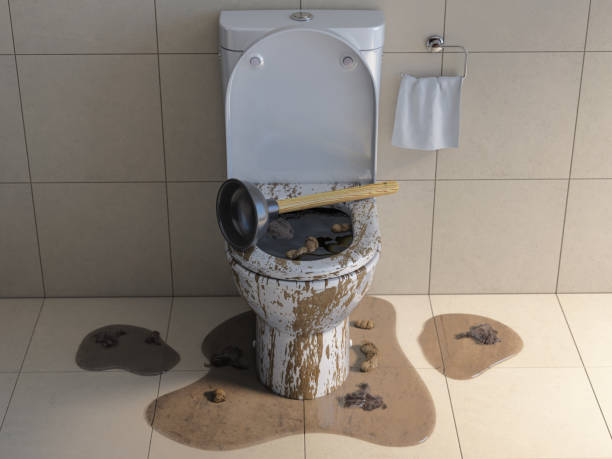
A toilet overflowing onto the bathroom floor is a fast-moving mess. Water spreads under vanities, into baseboards, and through the subfloor to the room below. With Thanksgiving guests arriving next week, your bathrooms are about to get a lot busier.
Quick action in the first few minutes limits the damage. If water has already soaked floors or ceilings, PuroClean of Bloomington offers 24/7 water damage restoration across Bloomington-Normal.
This guide explains what to do when you find a toilet overflowing, minute by minute. It also covers common causes, cleanup safety, and prevention.
Quick answer: Lift the tank lid and push the flapper down, or lift the float to stop the fill. Then turn the shutoff valve behind the toilet clockwise. Do not flush again. Plunge the clog, and call a plumber if other drains are backing up too.
Why Overflows Spike During the Holidays
More guests mean more flushes, and more chances for the wrong items to go down the drain. Wipes, paper towels, and too much toilet paper are common culprits. Holiday cooking grease can also narrow the main drain line.
The Insurance Institute for Business & Home Safety says lifting the float or closing the valve stops an overflow. It also recommends repairing toilets that run constantly or have worn internal parts. Those small fixes prevent many emergencies.
A toilet overflowing once is usually a simple clog. Repeat overflows, gurgling drains, or water in the tub point to a bigger sewer line problem. That calls for a plumber, not just a plunger.
What to Do When a Toilet Is Overflowing: The First 10 Minutes
Minute 1: Stop the Water Rising
Remove the tank lid and press the flapper down to close it. You can also lift the float to stop the tank from filling. The water is clean inside the tank, so this is safe. Stopping the flow fast is the most important step with a toilet overflowing.
Minutes 2 to 3: Close the Shutoff Valve
Find the oval valve on the wall or floor behind the toilet. Turn it clockwise until it stops. If it is stuck, shut off the main water valve for the house. Never force a corroded valve hard enough to break it.
Minutes 3 to 5: Protect Floors and Ceilings
Lay old towels around the base to stop the spread. Move rugs, bath mats, and anything stored on the floor. Check the ceiling below the bathroom for drips. Turn off power to nearby outlets if water reaches them.
Minutes 5 to 7: Plunge the Clog
Use a flange plunger, which seals better in a toilet bowl. Push down gently, then pull up firmly several times. Wait until the bowl level drops before you try a test flush. Never pour chemical drain cleaner into a toilet overflowing with water.
Minutes 7 to 8: Check Other Drains
Run a little water in the tub or sink nearby. If water rises in the tub or floor drain, the main line is likely clogged. Stop using all water in the home and call a plumber. Tell everyone in the house to stop flushing and running water too.
Minutes 8 to 10: Document and Start Cleanup
Take photos of the floor, baseboards, and any ceiling damage below. Then remove standing water with towels or a wet vacuum. Wear gloves, since the bowl water may hold waste. Keep children and pets away from the area.
Clean Water or Sewage?
Not all overflow water is the same. Use this table to judge the risk:
| Source of water | Contamination level | What to do |
| Tank water or supply line leak | Clean water | Dry quickly within 24 to 48 hours |
| Bowl water with no waste | Possibly contaminated | Clean and disinfect hard surfaces |
| Bowl water with waste | Sewage | Remove soaked porous items and sanitize |
| Backup from tub or floor drain | Sewage from the main line | Stop water use and call professionals |
| Water through the ceiling below | Depends on the source | Have ceilings and walls checked for moisture |
Sewage carries bacteria and viruses. Treat any wet carpet, pad, or drywall it touched as contaminated. When a toilet overflowing leaves you unsure, assume the water is contaminated.
6 Common Causes of a Toilet Overflowing
Most overflows come back to a few simple causes. Watch for these:
- Clogs from too much toilet paper or items that should never be flushed
- “Flushable” wipes, which do not break down like toilet paper
- A stuck fill valve or float that keeps the tank running
- Low-flow toilets that need a second flush with heavy use
- A blocked vent pipe that weakens the flush
- A main sewer line clog from roots, grease, or a collapsed pipe
A toilet overflowing with no clog in the bowl often points to the fill valve or float. A plumber can replace these parts quickly.
When Water Leaks Through the Ceiling Below
Water from an upstairs bathroom often finds its way into the ceiling below. It can soak drywall, insulation, and light fixtures before you see a stain. A sagging ceiling can collapse without warning.
Turn off power to light fixtures in the wet area. Place a bucket under drips, and keep people out from under a bulging ceiling.
A toilet overflowing upstairs may need professional moisture checks below. Insulation above the ceiling can hold water for days. Professional drying helps prevent mold and lingering odor.
Holiday Hosting Tips for Busy Bathrooms
Thanksgiving week puts extra strain on older plumbing. A few simple steps help prevent a toilet overflowing while the house is full:
- Space out showers so the drain line has time to clear.
- Run the dishwasher and washer at night, not during peak bathroom use.
- Scrape plates into the trash, not the sink or disposal.
- Keep a plunger beside every toilet so guests can act fast.
- Show guests where the shutoff valve is located.
Grease poured down the kitchen sink can build up in the same main line your toilets use. Over time, that buildup can cause a toilet overflowing in the lowest bathroom first. Basement bathrooms often show the problem before anyone else notices.
When to Call a Professional
Small clean-water spills can be handled with towels and fans. Call a professional if any of these apply:
- The water contained waste or came from a drain backup.
- Water soaked carpet, drywall, or the ceiling below.
- The floor feels soft or spongy near the toilet.
- A musty smell appears a few days later.
For sewage cleanup, our technicians clean and sanitize walls from two feet down, rather than cutting concrete or drywall. We also extract water, remove soaked porous materials, and dry the structure with professional equipment.
Our guide to sewage backup cleanup explains why fast professional help matters. A toilet overflowing with sewage needs the same care as any backup.
How to Prevent a Toilet Overflowing
A few habits keep holiday bathrooms working. A water damage guide from IBHS, shared by the Connecticut Insurance Department, recommends these steps:
- Inspect the flushing mechanism and supply line every six months.
- Confirm the fill valve shuts off at the proper water level.
- Replace a flapper or fill valve if the tank runs on its own.
- Stay near the toilet until the tank refills after a flush.
- Shut off the supply valve right away if the bowl starts to rise.
The same guide says toilet water damage costs $2,000 to $10,000 per incident. Put a plunger in each guest bathroom, and place a small trash can for wipes. A simple sign can help guests too.
PuroClean of Bloomington Can Help
PuroClean of Bloomington helps homeowners across Bloomington-Normal after overflows, leaks, and sewage backups. We extract water, sanitize affected areas, and dry floors and ceilings. Call (309) 433-0900 day or night.
Frequently Asked Questions
What should I do first with a toilet overflowing?
Push the flapper down or lift the float. Then turn the shutoff valve clockwise.
Why is my toilet overflowing but not clogged?
A stuck fill valve or float may be overfilling the tank. A plumber can replace it.
Is toilet overflow water dangerous?
It can be if it contains waste. Wear gloves and disinfect everything it touched.
Can a toilet overflowing damage the ceiling below?
Yes. Water can soak drywall and insulation below, so check for stains and sagging.
Does insurance cover toilet overflow damage?
Sudden overflows are often covered. Coverage for sewer backups may need a separate endorsement.
Are flushable wipes safe for toilets?
Most wipes do not break down like toilet paper. Throw them in the trash instead.
Final Thoughts on a Toilet Overflowing
A toilet overflowing is stressful, but the first 10 minutes decide how much damage follows. Stop the water, close the valve, and protect the floor below. Then plunge, check other drains, and dry everything quickly. A little planning before guests arrive goes a long way.
If an overflow damages your home, call PuroClean of Bloomington at (309) 433-0900. We are ready 24/7.