


When fire strikes your Bloomington home, the flames might be extinguished, but a silent destroyer lurks in the shadows: water damage after a fire. Most homeowners focus on the charred remains and smoke damage, completely missing the ticking time bomb of water saturation from firefighting efforts. Within 48 hours, this water begins a cascade of destruction that can cost three times more than the original fire damage. This comprehensive guide reveals what Bloomington and Normal, IL residents consistently overlook during those critical first two days, including hidden moisture pockets, rapid mold growth, structural weakening, electrical hazards, contamination risks, insurance documentation failures, and delayed professional intervention. Understanding these overlooked dangers could save your home and thousands of dollars.
Table of Contents
The Shocking Reality of Water Damage After a Fire in Bloomington Homes
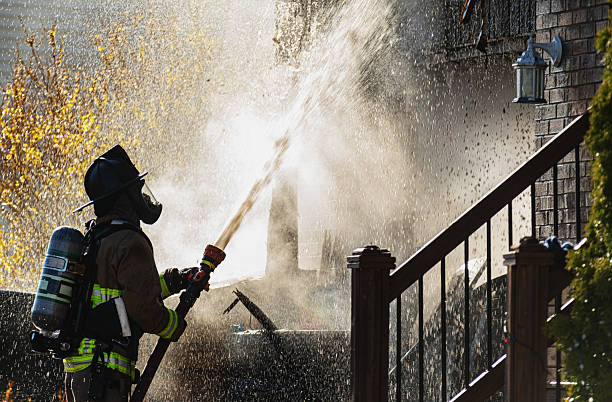
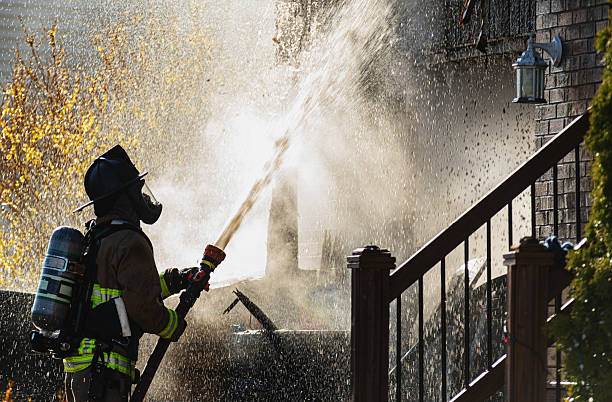
Here’s something that surprises most people: firefighters use approximately 1,500 gallons of water per minute to extinguish a house fire. Let that sink in for a moment. That’s not a typo. We’re talking about thousands upon thousands of gallons of water flooding your Bloomington home in a matter of minutes.
One homeowner in Normal described walking into their kitchen after a small electrical fire was put out. “I expected to see burnt walls,” she said. “Instead, I was standing in three inches of water with my ceiling literally raining on me.” The fire had been contained to one room, but water had traveled through the floors, walls, and HVAC system to reach every corner of the house.
Water damage after a fire is the uninvited guest that shows up after the main disaster and often causes more long-term problems than the flames themselves. Yet in the chaos and trauma of those first 48 hours, most Bloomington homeowners are so focused on the visible fire damage that they completely miss the water catastrophe unfolding around them.
Why the First 48 Hours Are Make-or-Break
Time is your enemy when dealing with water damage after a fire. Within the first 24 hours, water begins soaking into porous materials like drywall, insulation, and wooden structures. By hour 48, you’re looking at the beginning of mold growth, warping wood, and metal corrosion.
PuroClean of Bloomington responds to fire scenes throughout McLean County, and we see the same pattern repeatedly. Homeowners call us three or four days after the fire, thinking they have time to “deal with the water later.” By then, what could have been a $5,000 restoration job has ballooned into a $15,000 nightmare involving mold remediation, structural repairs, and content replacement.
The Illinois climate doesn’t do you any favors either. Our humid summers create perfect conditions for rapid mold growth, while our cold winters can cause trapped water to freeze and expand, creating additional structural damage.
You may want to check out 6 Shocking Mistakes Homeowners Make After Fire Damage Restoration in Normal, IL
Mistake #1: Ignoring Water in Hidden Spaces
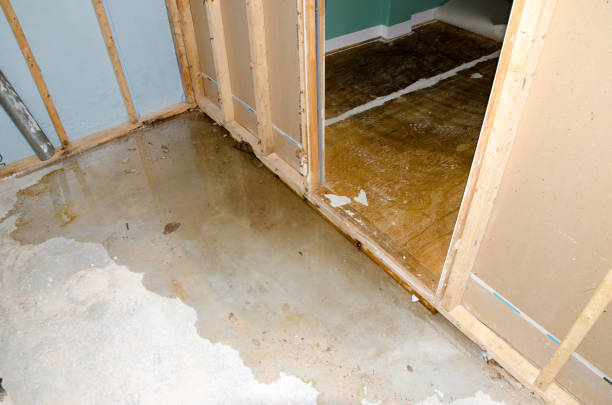
This is the biggest oversight we encounter. Water doesn’t just sit on your floors looking obvious and apologetic. It’s sneaky. It travels.
After firefighters leave, water damage after a fire continues its destructive path behind your walls, under your floors, and above your ceilings. A client in Bloomington called us two weeks after a kitchen fire because they noticed a “funny smell.” We discovered saturated insulation in the walls that had developed extensive mold colonies. The water had wicked up from the basement through wall cavities, and nobody had thought to check.
Common hiding spots include:
Wall cavities and insulation: Water runs down inside walls like a highway system you cannot see. Your drywall might look fine from the outside while the interior is completely saturated.
Subflooring: That hardwood or tile floor sitting pretty on top? Underneath could be soaked plywood that’s beginning to rot and warp.
Attic spaces: Water travels up through ceiling penetrations and settles in attic insulation, creating perfect mold-growing conditions.
HVAC systems: Ductwork becomes a water distribution network, spreading moisture throughout your entire Bloomington home.
Crawl spaces: These dark, neglected areas collect water that sits unnoticed for weeks.
Professional moisture detection equipment can find these hidden pockets of water damage after a fire before they become catastrophic problems. Thermal imaging cameras, moisture meters, and hygrometers are essential tools that most homeowners simply don’t have access to.
Mistake #2: Underestimating Mold Growth Speed
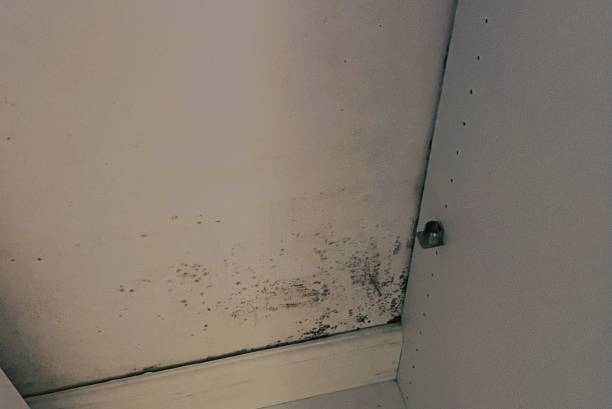
Let me paint you a picture. Mold spores are everywhere, all the time, just waiting for the right conditions. They’re the opportunistic freeloaders of the natural world. Give them moisture, organic material, and temperatures between 40 and 100 degrees Fahrenheit, and they’ll move in faster than a college student into a free apartment.
Water damage after a fire creates a mold paradise. The combination of moisture from firefighting efforts and organic materials like wood, drywall, and paper products means mold can begin growing within 24 to 48 hours.
A homeowner in Normal learned this the hard way. After a basement fire was extinguished, they opened windows to “air things out” and figured they’d deal with cleanup over the weekend. By Monday morning, visible mold growth had appeared on the walls. By the following week, family members were experiencing respiratory issues. The mold remediation alone cost more than the original fire damage restoration.
Mold doesn’t just look gross and smell terrible. It poses serious health risks, particularly for children, elderly individuals, and anyone with respiratory conditions or compromised immune systems. Some molds produce mycotoxins that can cause neurological problems and other serious health issues.
PuroClean of Bloomington’s rapid response teams understand that preventing mold growth is infinitely easier and cheaper than remediating it after it’s established. Our goal is always to get your property dried out completely within those critical first 48 hours.
People also read 5 Hidden Mold Hotspots in Your Bloomington Home – How to Spot & Prevent Them
Mistake #3: Walking on Compromised Structures
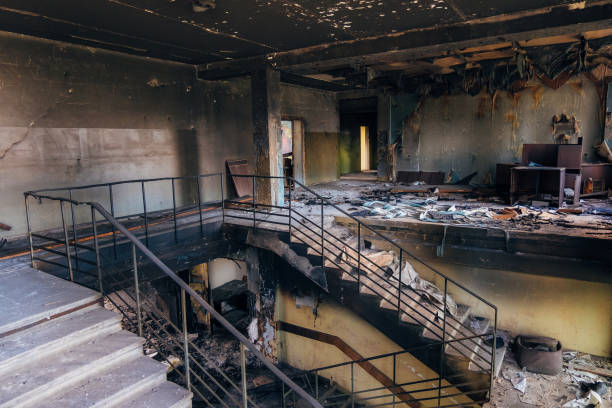
This one can literally be life-threatening, but homeowners do it all the time. After the fire department gives the all-clear, people naturally want to assess the damage and salvage belongings. What they don’t realize is that water damage after a fire has likely compromised structural integrity throughout the home.
Water adds tremendous weight to building materials. A saturated ceiling can collapse without warning. Floors can give way. Staircases can become unstable. We’ve seen cases where second-floor bedrooms had six inches of standing water that nobody realized was there until the ceiling below started bulging.
One client in Bloomington wanted to grab some important documents from his home office after a fire. He walked across what seemed like a solid floor, and his foot went straight through the water-logged subflooring. Fortunately, he wasn’t seriously injured, but it was a wake-up call about the hidden dangers lurking in fire-damaged homes.
Structural assessment should always be performed by qualified professionals before you enter fire-damaged areas for any extended period. What looks solid might be seconds away from collapse.
Mistake #4: Leaving Electrical Systems Exposed to Water
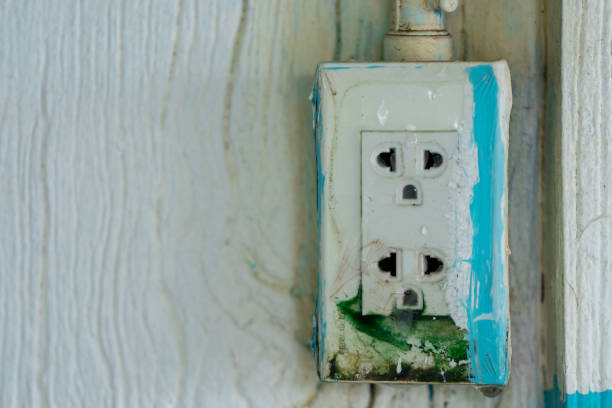
Here’s a terrifying combination: electricity and water. After a fire, electrical systems throughout your Bloomington home have been exposed to extreme heat and then doused with thousands of gallons of water. This creates serious electrocution and fire hazards that persist long after the flames are out.
Water damage after a fire affects electrical systems in ways most homeowners never consider:
Wiring insulation can be compromised by heat, making short circuits more likely when exposed to moisture. Water can sit in electrical boxes, outlets, and switch panels, creating electrocution hazards. Corrosion begins almost immediately when water contacts electrical components. Circuit breakers and fuses may have been weakened by heat and moisture exposure.
A family in Normal nearly experienced a second fire three days after the first one when compromised electrical wiring in a water-damaged wall sparked. Thankfully, they smelled burning insulation and called 911 before flames erupted. The fire investigation revealed that water had been sitting inside the wall cavity, slowly corroding the electrical connections.
Never turn electrical power back on without having a licensed electrician inspect and approve all affected systems. This is not the time to save money by skipping professional evaluation. The risk simply isn’t worth it.
Mistake #5: Failing to Document Everything Immediately

Insurance claims for water damage after a fire can be complicated, particularly because you’re dealing with two separate types of damage from one event. The fire caused the initial damage, but the water used to fight it caused secondary damage. These distinctions matter tremendously when it comes to coverage and claims processing.
Most homeowners are so overwhelmed in those first 48 hours that proper documentation falls by the wayside. This is a costly mistake that can result in denied claims or significantly reduced payouts.
What you need to document:
Take extensive photos and videos of all visible damage, including water accumulation, structural damage, and affected contents. Photograph each room from multiple angles. Make detailed written inventories of damaged items, including approximate age, condition before the fire, and replacement costs. Document all communication with your insurance company, including names, dates, times, and content of conversations. Keep receipts for any immediate expenses like temporary housing or emergency services. Take photos of moisture readings if professionals are performing testing.
PuroClean of Bloomington works directly with insurance companies throughout Normal and Bloomington every single day. We understand what documentation they need and how to present damage in ways that support your claim. Our detailed reports and photo documentation have helped countless homeowners receive the full compensation they deserve.
One client told us, “I was so overwhelmed, I just couldn’t think straight. PuroClean handled all the documentation and worked directly with my insurance adjuster. I don’t know what I would have done without them.”
5 Powerful Ways PuroClean of Bloomington Simplifies Your Insurance Claims (Plus Expert Tips)
Mistake #6: Attempting DIY Water Extraction
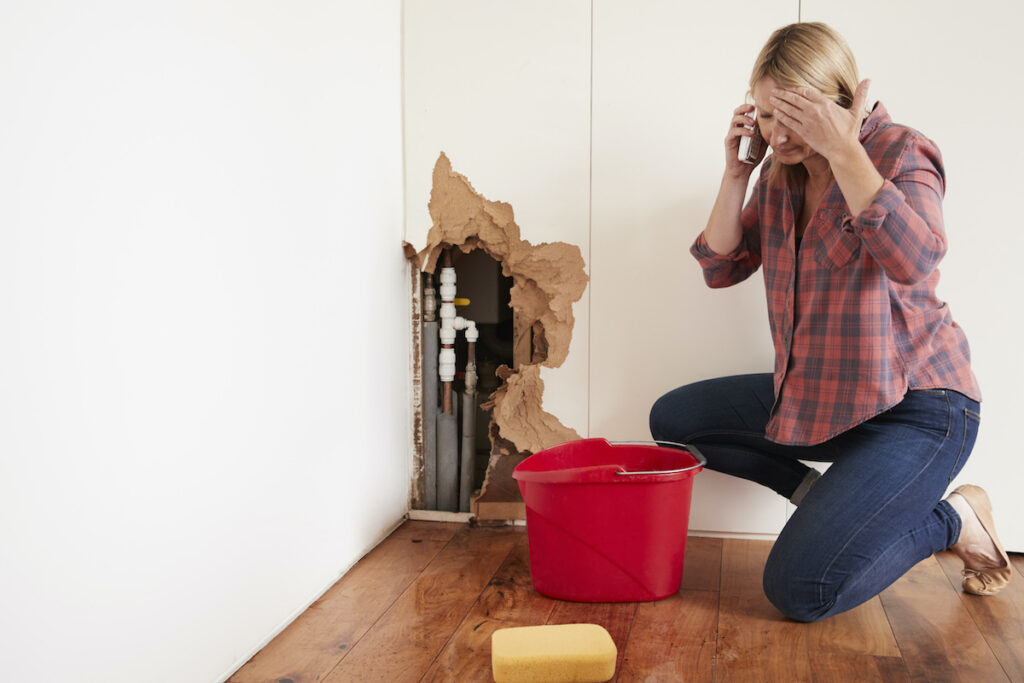
We get it. You want to do something, anything, to start fixing the problem. You’ve got a wet-dry vacuum in the garage and you’re thinking, “I can suck up this water and save some money.”
Please don’t.
Water damage after a fire is not a DIY project. Here’s why:
Commercial restoration equipment extracts far more water than consumer vacuums. We’re talking industrial pumps and extractors that can remove hundreds of gallons per hour. Your shop vacuum will be running for days and still won’t get the job done.
Surface water is only part of the problem. Professional extraction addresses water that’s already soaked into building materials and requires specialized equipment to remove. Without proper drying equipment like commercial dehumidifiers and air movers, you’ll never get humidity levels low enough to prevent mold growth.
You likely don’t have the training to identify all affected areas, meaning you’ll miss water damage in hidden locations. Fire scenes may contain contaminated water mixed with chemicals, soot, and other hazardous materials that require special handling and disposal.
A homeowner in Bloomington spent an entire weekend with rented equipment trying to dry out his home after a fire. He returned the equipment Monday morning, confident he’d solved the problem. Two weeks later, he called PuroClean because the house smelled “weird and musty.” Our moisture meters revealed extensive hidden water damage and active mold growth. The weekend DIY effort had given him a false sense of security while mold established itself throughout the property.
Professional restoration isn’t an expense. It’s an investment that prevents far more costly problems down the road.
You should check out How a DIY Cleanup Can Sink Your Insurance Claim
Mistake #7: Delaying Professional Restoration Services
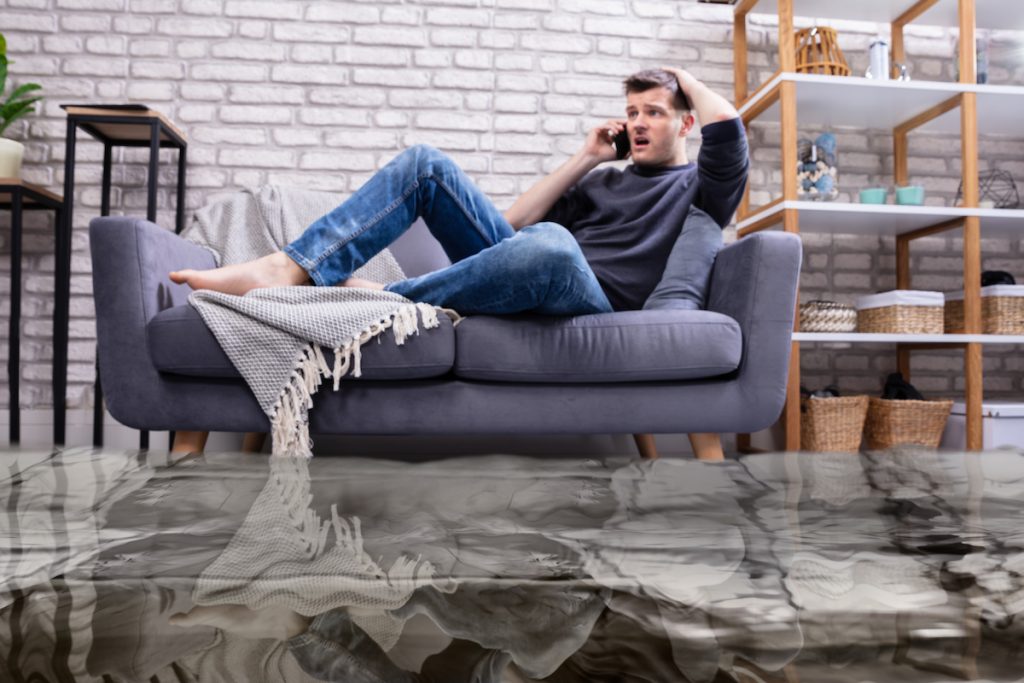
This is the ultimate mistake that encompasses all the others. Every hour you wait to call professional restoration services, the damage multiplies. Water damage after a fire is an emergency that requires immediate professional response.
Some homeowners hesitate because they’re worried about costs. Others think they need to wait for insurance approval before calling restoration companies. Both approaches can cost you thousands of additional dollars in preventable damage.
Here’s what you need to know: reputable restoration companies like PuroClean of Bloomington will work directly with your insurance company. We can often begin emergency services like water extraction and structural drying under “emergency authorization” provisions in most policies. You don’t need to wait for an adjuster to visit before taking action to prevent further damage. In fact, most insurance policies require you to take reasonable steps to mitigate damage, and delaying restoration could actually jeopardize your claim.
PuroClean of Bloomington offers 24/7 emergency response throughout Bloomington, Normal, and surrounding McLean County communities. When you call us, we can typically have a team on-site within hours, not days. Our rapid response has saved countless homeowners from the devastating escalation of water damage after a fire.
The PuroClean of Bloomington Difference
When disaster strikes your Bloomington home, you need a restoration partner who understands the unique challenges of water damage after a fire. PuroClean of Bloomington brings together advanced technology, extensive training, and genuine care for our community.
Our comprehensive fire and water damage restoration services include:
Immediate emergency response, 24 hours a day, 7 days a week. Complete water extraction and structural drying using industrial-grade equipment. Thorough moisture detection using thermal imaging and advanced meters. Mold prevention and remediation services. Structural assessment and repairs. Content cleaning, pack-out, and storage services. Complete odor removal and air quality restoration. Direct insurance billing and claims assistance.
We’re not just a restoration company. We’re your neighbors. We’ve helped families throughout Normal and Bloomington recover from disasters and rebuild their lives. Our technicians are certified by the Institute of Inspection, Cleaning and Restoration Certification (IICRC) and receive ongoing training in the latest restoration techniques.
Property Restoration in Bloomington: Why PuroClean Is the Local Name You Can Trust
Take Action Before It’s Too Late
If your Bloomington home has experienced a fire within the last 48 hours, every minute counts. Water damage after a fire is actively destroying your property right now, even if you can’t see it happening. Mold spores are settling into damp materials, preparing to colonize. Structural components are weakening. Electrical hazards are developing. Metal surfaces are beginning to corrode.
You have a narrow window to prevent catastrophic damage and protect your family’s health and financial wellbeing. Don’t let this window close.
PuroClean of Bloomington is standing by right now to help you through this crisis. Our emergency response teams are ready to mobilize immediately, bringing the equipment, expertise, and compassion you need during this difficult time.
Frequently Asked Questions About Water Damage After a Fire
How long does it take for mold to grow after water damage from a fire?
Mold can begin growing within 24 to 48 hours after water damage occurs. In Bloomington’s humid climate, especially during summer months, mold growth can happen even faster. This is why immediate professional water extraction and drying is critical after experiencing water damage after a fire. Once mold establishes itself, remediation becomes significantly more complex and expensive than prevention would have been.
Will my homeowners insurance cover both fire damage and water damage after a fire?
Most standard homeowners insurance policies in Illinois cover both fire damage and the resulting water damage from firefighting efforts as part of a single covered event. However, documentation is crucial. You need to clearly demonstrate that the water damage resulted directly from efforts to extinguish the fire. PuroClean of Bloomington works directly with insurance adjusters to ensure all damage is properly documented and claimed.
Can I stay in my Bloomington home after a fire while restoration is happening?
This depends on the extent of damage and potential hazards. If you’re dealing with significant water damage after a fire, the answer is usually no. Standing water, structural instability, electrical hazards, and air quality issues can make your home unsafe for occupancy. Additionally, the noise and disruption from industrial drying equipment running 24/7 makes staying in the home impractical. Your insurance policy likely includes coverage for temporary housing during restoration.
How long does professional water damage restoration take after a fire?
The timeline varies based on the extent of water damage, but the critical drying phase typically takes 3 to 5 days for residential properties. However, complete restoration including repairs, cleaning, and rebuilding can take several weeks or months depending on the severity of the fire and water damage. Starting the drying process within the first 48 hours significantly reduces the overall restoration timeline. PuroClean of Bloomington provides detailed timelines specific to your situation during our initial assessment.
What’s the difference between water damage from firefighting and a regular flood?
Water damage after a fire is often more complex than flood damage because it involves contaminated water mixed with soot, ash, chemicals from burned materials, and potentially hazardous substances. This “black water” requires special handling and disposal. Additionally, building materials have been compromised by heat and smoke before water exposure, creating unique restoration challenges. The fire has also likely damaged the building envelope, allowing water to penetrate areas that wouldn’t normally be affected in a typical flood scenario.
Don’t Wait Another Minute – Call PuroClean of Bloomington Now – (309) 433-0900
Water damage after a fire won’t wait for a convenient time to devastate your home. The destruction is happening right now, growing worse with each passing hour. You’ve already been through the trauma of a fire. Don’t compound that disaster by allowing preventable water damage to steal more from you and your family.
PuroClean of Bloomington is here for you 24/7 with the expertise, equipment, and compassion you need to recover from this crisis.
Call us now at (309) 433-0900 for immediate emergency response.
Our local Bloomington team will be on-site quickly to assess the damage, begin water extraction, and develop a comprehensive restoration plan tailored to your specific situation. We handle everything from initial emergency services through final reconstruction, and we work directly with your insurance company to minimize your stress and out-of-pocket expenses.
You don’t have to face this alone. PuroClean of Bloomington has helped hundreds of families throughout Normal and Bloomington recover from fire and water damage. Let us bring our expertise and care to your restoration journey.
Need to book an inspection? Do so here.