


Floodwater can turn a safe home into a stressful situation within minutes, leaving standing water across floors, soaked belongings, and moisture hidden behind walls. Water extraction after flood events needs to happen quickly and carefully to limit property damage, reduce the chance of mold growth, and make the restoration process easier.
At PuroClean of Bloomington, we help homeowners in Bloomington, IL respond to flooding with professional water extraction, drying, cleanup, and reconstruction services.
This guide explains what to do after a flood, why fast extraction matters, how professionals remove hidden moisture, which materials may need special attention, and when you should call a restoration professional.
1. Why Is Water Extraction After Flood Damage So Important?
Floodwater does not stop causing damage once the water stops rising. Water extraction after flood damage helps remove standing water before it continues soaking into flooring, drywall, wood, insulation, furniture, and other materials.
The sooner you address the water, the better chance you have of limiting additional damage.
Standing Water Spreads Quickly
Water can move into areas you may not notice immediately.
- Water can travel beneath flooring and into subfloor materials.
- Carpeting and padding can absorb large amounts of water.
- Drywall can absorb moisture from the bottom upward.
- Water can collect behind furniture and stored belongings.
Floodwater Can Contain Contaminants
Floodwater is not always clean water.
- Outside floodwater can carry dirt and debris.
- Water from overflowing drains may contain contaminants.
- Sewage backups can create serious sanitation concerns.
- Unknown water sources should be handled cautiously.
Moisture Can Lead to Additional Damage
Leaving materials wet can create more problems.
- Wood can swell, warp, or deteriorate.
- Drywall can become soft and damaged.
- Flooring may buckle or separate.
- Persistent moisture can create conditions favorable to mold growth.
Prompt water extraction after flood damage is an important first step toward protecting your home.
2. What Should You Do Immediately After a Flood?
Safety should come before cleanup. Before starting water extraction after flood damage, make sure you can safely enter the affected area and determine whether the water could be contaminated.
Flooded areas can contain electrical, structural, and environmental hazards.
Stay Away From Electrical Hazards
Water and electricity can create a dangerous situation.
- Do not enter standing water if electrical equipment may be submerged.
- Avoid touching outlets, appliances, or cords affected by water.
- Have electrical systems inspected when flooding reaches electrical components.
- Leave the area if you are uncertain about electrical safety.
Stop the Water Source
If the flooding comes from inside your home, stop additional water when it is safe.
- Shut off the main water supply for certain plumbing emergencies.
- Contact a plumber for broken pipes or other active leaks.
- Have a sump pump problem evaluated.
- Do not attempt repairs that could put you at risk.
Protect Your Belongings
If the area is safe, move unaffected items away from water.
- Remove important documents from affected areas.
- Move small belongings to a dry location.
- Keep electronics away from standing water.
- Avoid moving heavy saturated furniture if doing so could cause injury.
Contact a Restoration Professional
Large-scale flooding can require specialized equipment and experience.
- Professional extraction equipment can remove standing water efficiently.
- Moisture detection can identify water trapped in materials.
- Drying equipment can reduce remaining moisture.
- Restoration professionals can help determine which materials can be restored.
If your property has experienced significant flooding, call PuroClean of Bloomington at (309) 433-0900 for a fast response.
3. What Causes Flooding in Bloomington Homes?
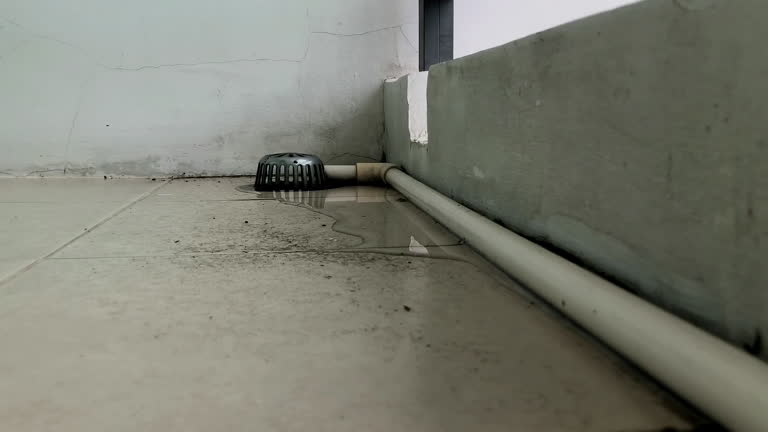
Understanding why flooding happened can help you prevent another emergency. Water extraction after flood damage should be followed by identifying and addressing the source whenever possible.
Flooding can come from both outside and inside your home.
Severe Rain and Storms
Heavy rainfall can overwhelm drainage systems.
- Rainwater may collect around the foundation.
- Poor grading can direct water toward your home.
- Clogged gutters can increase water accumulation.
- Foundation cracks can allow water to enter the basement.
Sump Pump Failure
A sump pump can be critical during heavy rainfall.
- Power outages can prevent the pump from running.
- Mechanical problems can cause a pump to stop working.
- Clogged discharge lines can interfere with drainage.
- An improperly maintained system may fail when you need it most.
Plumbing Failures
Indoor water sources can cause sudden flooding.
- Broken pipes can release large amounts of water.
- Water heaters can fail unexpectedly.
- Washing machine hoses can rupture.
- Plumbing leaks can spread beneath floors or inside walls.
Drain or Sewer Problems
Drainage failures can introduce water into lower areas of your home.
- Blocked floor drains can prevent water from leaving.
- Sewer backups can create contaminated water.
- Damaged sewer lines can cause recurring problems.
- Heavy rainfall can overwhelm drainage systems.
Knowing the cause of the flood helps you take steps to prevent another water emergency.
4. How Does Professional Water Extraction After Flood Damage Work?
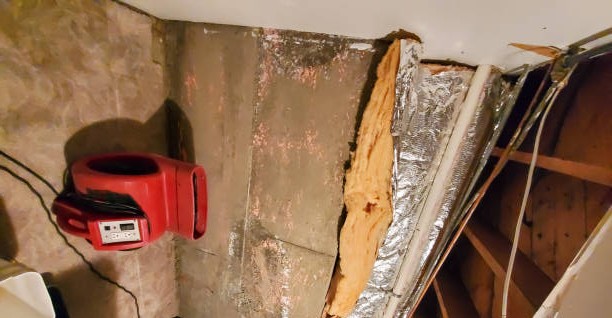
Professional water extraction after flood damage involves much more than pumping visible water from the floor. Restoration professionals assess the affected property, determine how far the water traveled, remove standing water, and establish a drying plan.
A thorough process helps prevent hidden moisture from being overlooked.
Inspection and Assessment
The first step is understanding the scope of the damage.
- Technicians identify the source of the water.
- Affected rooms and materials are inspected.
- Moisture levels can be measured in appropriate materials.
- The extent of damage is documented.
Water Extraction
Specialized equipment removes standing water.
- Extractors can remove water from carpets and hard surfaces.
- Pumps may be used for significant amounts of standing water.
- Saturated materials can be evaluated during extraction.
- Removing standing water reduces the amount of moisture left behind.
Moisture Detection
Visible water is only part of the problem.
- Moisture meters can identify damp building materials.
- Thermal imaging may help locate areas that require further investigation.
- Walls and floors can be checked for hidden moisture.
- Moisture readings help guide the drying process.
Structural Drying
After extraction, remaining moisture must be removed.
- Air movers increase evaporation.
- Dehumidifiers remove moisture from the air.
- Equipment is positioned according to the affected areas.
- Moisture levels are monitored during the drying process.
Effective water extraction after flood damage addresses both visible water and moisture hidden inside the structure.
5. How Quickly Should Water Be Removed After a Flood?
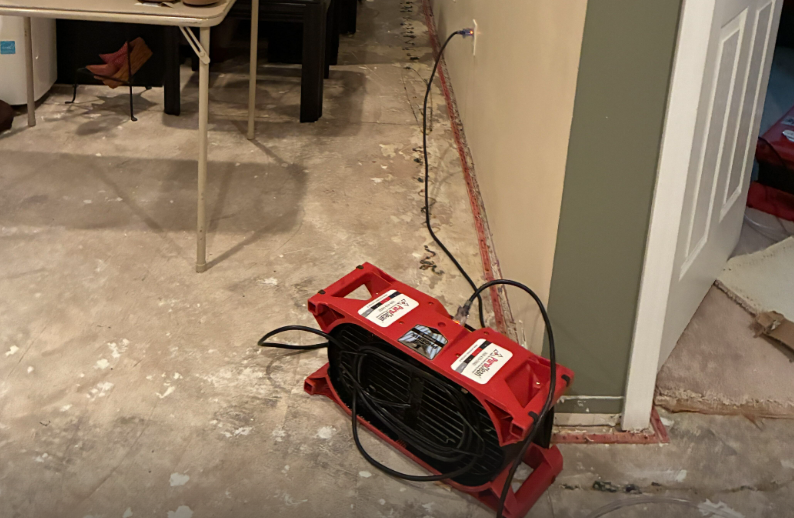
The sooner you begin water extraction after flood damage, the better. Floodwater can continue moving into porous materials, while elevated humidity can make the drying process more difficult.
Fast action can help reduce the amount of damage your property experiences.
Wet Materials Absorb More Water Over Time
Porous materials can continue taking in moisture.
- Carpet padding can become heavily saturated.
- Drywall can absorb water upward.
- Wood can retain moisture.
- Insulation can trap water inside walls.
Mold Prevention Depends on Fast Drying
Moisture creates conditions that can support mold growth. The EPA recommends drying wet or damp materials within 24 to 48 hours when possible to help prevent mold. (epa.gov)
- Begin addressing standing water as soon as it is safe.
- Remove wet materials that cannot be effectively dried.
- Use appropriate drying equipment.
- Monitor moisture instead of relying only on how surfaces feel.
Delays Can Increase Restoration Needs
A small water problem can become more complicated when it remains untreated.
- More materials may require removal.
- Odors can become harder to control.
- Hidden moisture can remain behind walls and floors.
- Reconstruction may become necessary.
If you suspect floodwater has reached hidden areas, professional water extraction and moisture detection can help limit the damage.
6. Which Materials Can Be Saved After Flooding?
Not everything affected by a flood automatically needs to be thrown away. During water extraction after flood damage, professionals evaluate materials based on the type of water, the extent of saturation, how long they remained wet, and their condition.
Making the right restoration decision can help protect both your property and your belongings.
Carpet and Flooring
Flooded flooring requires careful evaluation.
- Carpet padding often absorbs significant amounts of water.
- Hardwood flooring may warp or buckle.
- Laminate materials can swell after prolonged exposure.
- Subfloors may remain damp beneath finished flooring.
Drywall and Insulation
Wall materials can hide moisture.
- Drywall can absorb water from the bottom upward.
- Insulation may trap moisture inside wall cavities.
- Damaged sections may require removal.
- Structural materials should be evaluated before repairs begin.
Personal Belongings
Your belongings may require different restoration approaches.
- Paper products can be difficult to restore after heavy saturation.
- Upholstered furniture can retain moisture.
- Wood furniture may require specialized drying.
- Important documents and valuable items should receive prompt attention.
The goal of professional water extraction after flood damage is to identify what can be safely restored and what should be removed.
7. How Can You Prevent Another Basement Flood?
Once your home has been restored, prevention becomes an important part of protecting your property. Good water extraction after flood practices should be followed by regular maintenance to reduce future water intrusion.
A few preventive measures can make a major difference.
Maintain Your Gutters and Downspouts
Your roof drainage system helps keep rainwater away from the foundation.
- Clean gutters regularly.
- Remove debris from downspouts.
- Make sure downspouts direct water away from the home.
- Check drainage after severe storms.
Maintain Your Sump Pump
A functioning sump pump can help manage groundwater.
- Test your sump pump regularly.
- Keep the discharge line clear.
- Consider backup power for critical systems.
- Have recurring problems evaluated by a qualified professional.
Inspect Your Foundation
Small problems can become larger water-entry points.
- Look for cracks in foundation walls.
- Check for damp areas after heavy rain.
- Watch for water pooling near exterior walls.
- Address recurring seepage promptly.
Monitor Basement Humidity
Flood prevention also involves controlling moisture inside the home.
- Use a dehumidifier when necessary.
- Monitor humidity during humid summer weather.
- Watch for condensation on pipes and windows.
- Investigate persistent musty odors.
Prevention can reduce your risk of needing emergency water extraction after flood damage in the future.
8. When Should You Call a Professional for Flood Damage?
Some small water incidents can be addressed by homeowners, but significant flooding is different. Professional water extraction after flood damage is especially important when water has affected multiple rooms, entered walls or flooring, or may contain contaminants.
Knowing when to call for help can protect you from unnecessary risks.
Call After Significant Flooding
Professional assistance is appropriate when:
- Standing water covers a large area.
- Water has entered walls, ceilings, or flooring.
- Floodwater has affected electrical systems.
- You cannot safely remove the water yourself.
Call When the Water May Be Contaminated
Floodwater can present sanitation concerns.
- Sewage backups require specialized cleanup.
- Groundwater can carry contaminants.
- Water from outside may contain dirt and debris.
- Unknown water sources should be treated cautiously.
Call When Moisture Remains Hidden
Your home can look dry while still containing significant moisture.
- Walls may remain damp behind finished surfaces.
- Subflooring can retain water beneath flooring.
- Insulation may remain wet inside wall cavities.
- Professional moisture detection can identify areas you cannot see.
At PuroClean of Bloomington, we provide water damage restoration, professional moisture detection, mold removal, and reconstruction services to help homeowners recover after serious water damage.
9. Why Choose PuroClean of Bloomington for Water Extraction?
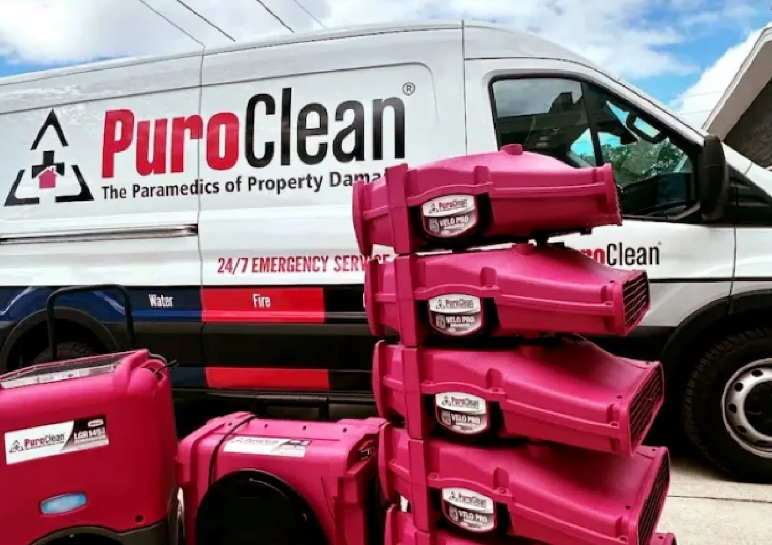
When flooding affects your home, you need a local restoration team that can respond quickly and manage more than just the standing water. At PuroClean of Bloomington, we provide professional water extraction after flood damage along with drying, cleaning, and reconstruction services.
Our focus is helping you move from an emergency situation toward a restored home.
Professional Equipment
Our team uses specialized equipment to manage water damage.
- Water extraction equipment removes standing water.
- Air movers support structural drying.
- Dehumidifiers help control moisture.
- Moisture detection equipment helps identify hidden dampness.
Complete Restoration Support
Flood damage can affect many parts of your property.
- Water damage restoration
- Water extraction
- Mold removal
- Professional moisture detection
- Reconstruction services
Having one restoration company manage multiple stages can make the recovery process easier to coordinate.
Local Response
We understand how stressful flood damage can be for Bloomington homeowners.
- We provide emergency restoration services.
- We assess the property and explain the next steps.
- We work to limit additional damage.
- We keep you informed during the restoration process.
When flooding has affected your home, professional water extraction can be the smart next step toward recovery.
FAQs About Water Extraction After Flood
How soon should water extraction begin after a flood?
Water extraction should begin as soon as the property is safe to enter. Fast removal reduces the amount of time materials remain saturated and can help limit additional damage and mold risk.
Can I remove floodwater myself?
Small amounts of clean water may sometimes be manageable, but significant flooding, contaminated water, or water affecting electrical systems should be handled by trained professionals.
Does floodwater damage carpet and padding?
Yes. Carpet and padding can absorb substantial amounts of water, and padding may remain wet even when the carpet surface appears dry. The type of water and duration of exposure help determine whether materials can be restored.
How do I know if water is still trapped inside my walls?
Visible surfaces may appear dry while moisture remains inside drywall, insulation, framing, or flooring. Professional moisture detection equipment can help identify hidden moisture.
When should I call PuroClean of Bloomington after a flood?
Call when flooding is extensive, water may be contaminated, moisture has entered walls or flooring, or you are unable to safely remove and dry the affected areas yourself.
Final Thoughts – Remove Floodwater Before Damage Spreads
Water extraction after flood damage should begin as soon as it is safe because standing water can quickly spread into flooring, walls, belongings, and other materials. The three most important steps are to address the water source, remove standing water promptly, and thoroughly dry the affected structure. Acting quickly can help limit property damage, reduce moisture-related risks, and make the recovery process easier.
📞 Call PuroClean of Bloomington for water extraction after flood or water damage restoration today at (309) 433-0900, or visit our website.
Don’t let floodwater ruin your home or belongings. Get trusted professional help today.