A soaked carpet can look like a simple cleanup job, but water can quickly move beneath the carpet and into the padding and subfloor. Water extraction from carpet needs prompt attention to help prevent lingering moisture, odors, material damage, and mold growth. At PuroClean of Bloomington, we help homeowners throughout Bloomington, IL respond to water damage, extract standing water, dry affected materials, and restore spaces after leaks and flooding.
This guide explains why wet carpet needs fast attention, what causes carpet water damage, what you should do immediately, when DIY cleanup may not be enough, and how professional extraction and drying can help protect your home.
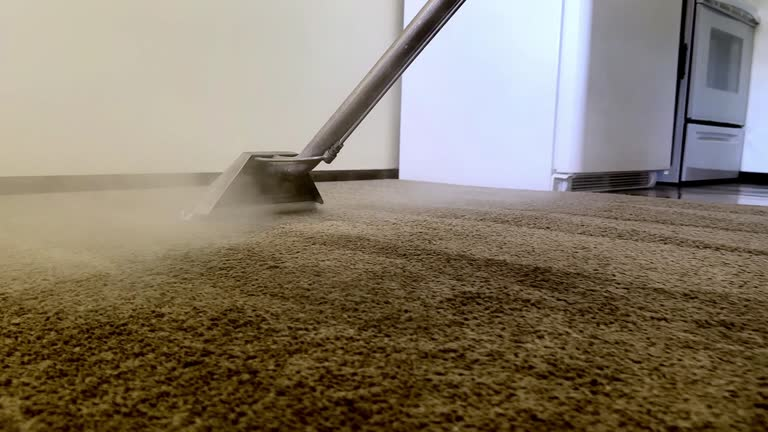
1. Why Is Water Extraction From Carpet So Important?
Carpet can absorb and hold a surprising amount of water, especially when the padding underneath also becomes saturated. Water extraction from carpet removes excess water before it has more time to spread into flooring and surrounding materials.
The longer carpet remains wet, the more difficult the restoration process can become.
Water Can Move Beneath the Carpet
The surface is not the only area that needs attention.
- Water can collect between carpet fibers and padding.
- Carpet padding can remain saturated after the surface begins to feel dry.
- Moisture can reach the subfloor underneath.
- Water can spread toward nearby walls and baseboards.
Wet Carpet Can Develop Odors
Damp carpet can develop an unpleasant smell when moisture remains trapped.
- Musty odors can develop when carpet stays damp.
- Padding can retain moisture for an extended period.
- Hidden dampness can make odors return after surface cleaning.
- Air fresheners do not solve the underlying moisture problem.
Moisture Can Lead to Additional Damage
Water can affect more than your carpet.
- Wood subfloors can absorb water.
- Baseboards may swell or discolor.
- Drywall near the floor can wick up moisture.
- Prolonged dampness can create conditions favorable to mold growth.
Prompt extraction gives your carpet and surrounding materials a better chance of being properly restored.
2. What Causes Carpet Water Damage?
Before beginning water extraction from carpet, you should identify where the water came from. The source matters because different types of water can require different handling and restoration procedures.
A clean-looking carpet can still have serious water damage underneath.
Plumbing Leaks
A leaking pipe or appliance can quickly saturate carpet.
- Broken supply lines can release large amounts of water.
- Washing machine leaks can spread across nearby flooring.
- Water heaters can cause significant water damage.
- Plumbing leaks inside walls can eventually reach carpeting.
Storm and Flood Water
Severe weather can introduce water from outside.
- Rainwater can enter through damaged windows or doors.
- Basement flooding can soak carpeting.
- Roof leaks can allow water to reach upper-level carpet.
- Groundwater can contain dirt and other contaminants.
HVAC and Condensation Problems
Air conditioning systems can also create moisture issues.
- Clogged condensate drains can cause water to overflow.
- Damaged drain pans may leak.
- Condensation can collect around HVAC components.
- Recurring moisture near an HVAC system should be professionally evaluated.
Identifying the source helps determine the safest approach to carpet water extraction.
3. What Should You Do When Your Carpet Gets Wet?
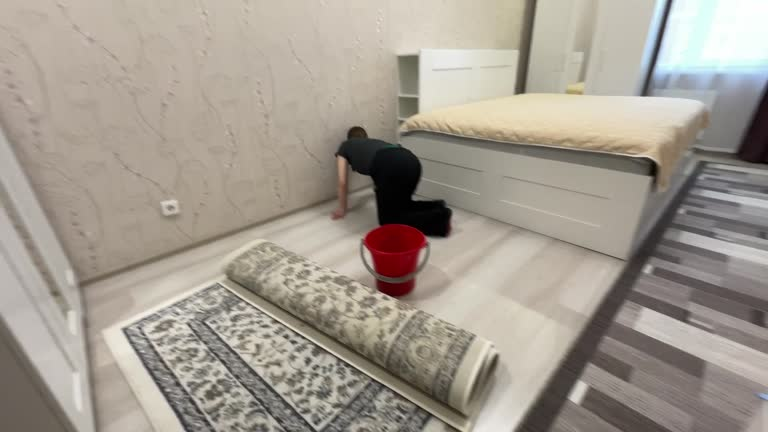
The first step after a carpet becomes soaked is to protect yourself and stop additional water from reaching the area. Water extraction from carpet should begin as soon as conditions are safe, especially when a large amount of water is involved.
Quick action can reduce how much moisture the carpet and padding absorb.
Stop the Water Source
Prevent additional water from entering the area.
- Shut off the water supply if a plumbing leak caused the damage.
- Contact a plumber when necessary.
- Address roof or exterior leaks.
- Do not attempt repairs that create a safety risk.
Protect Electrical Safety
Never assume a flooded carpet is safe to walk on.
- Keep away from electrical outlets and appliances affected by water.
- Do not use electrical equipment in standing water.
- Have electrical systems evaluated if water has reached them.
- Leave the area if you are unsure whether it is safe.
Remove Unaffected Items
If it is safe to do so, protect belongings.
- Move furniture away from wet carpet.
- Remove small items from the affected area.
- Place unaffected belongings in a dry location.
- Avoid moving heavy waterlogged furniture if it could cause injury.
Start Drying Quickly
Do not wait several days before addressing wet carpet.
- Increase airflow when it is safe and appropriate.
- Use professional extraction equipment for significant water damage.
- Monitor the carpet and surrounding materials for remaining moisture.
- Consider professional help when padding or subfloor materials are wet.
If your carpet is saturated after a leak or flooding, call PuroClean of Bloomington at (309) 433-0900 for a fast response.
4. Can You Extract Water From Carpet Yourself?
Small spills may be manageable with household equipment, but extensive flooding is different. Water extraction from carpet requires more than removing water from the visible surface when the padding, subfloor, or surrounding walls have also become wet.
The amount and source of water should guide your response.
Small Spills
A small clean-water spill may be easier to manage.
- Blot excess water promptly.
- Remove wet items from the carpet.
- Improve airflow around the affected area.
- Check whether moisture has reached the padding.
Large Water Events
Significant flooding requires more careful assessment.
- Carpet padding may be saturated.
- Water may have traveled beneath the flooring.
- Furniture can trap moisture against the carpet.
- Professional extraction equipment may remove water more effectively.
Contaminated Water
Water from certain sources should not be treated as an ordinary spill.
- Sewage backups can contain harmful contaminants.
- Floodwater may carry dirt and other contaminants.
- Unknown water sources should be handled cautiously.
- Professional restoration may be necessary to safely clean and restore affected materials.
If you are unsure what type of water affected your carpet, avoid unnecessary contact and seek professional guidance.
5. How Does Professional Water Extraction From Carpet Work?
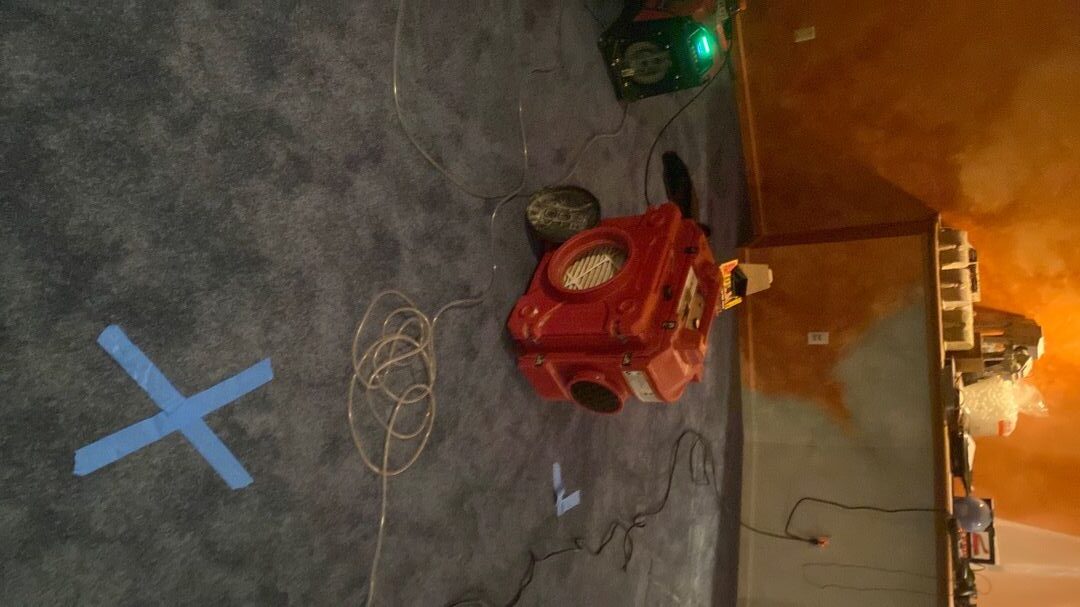
Professional water extraction from carpet focuses on removing water from both the carpet and the materials underneath it. Restoration professionals evaluate the affected area, extract standing water, and use specialized drying equipment to reduce remaining moisture.
A thorough process helps prevent hidden moisture from being overlooked.
Inspection and Moisture Assessment
The process starts by understanding the extent of the damage.
- Technicians identify the water source.
- Affected carpet and padding are evaluated.
- Moisture levels can be checked in surrounding materials.
- The affected area is documented.
Water Extraction
Professional equipment can remove large amounts of water efficiently.
- Specialized extractors pull water from carpet fibers.
- Wet carpet padding may require separate attention.
- Water can be removed from affected hard surfaces.
- Extraction reduces the moisture that must be removed during drying.
Structural Drying
Extraction alone may not remove all moisture.
- Air movers increase evaporation from wet materials.
- Dehumidifiers remove moisture from the air.
- Equipment is positioned based on the affected areas.
- Moisture levels are monitored during the drying process.
Final Evaluation
The property should be checked after drying.
- Carpet moisture is reassessed.
- Padding and subfloor areas are evaluated.
- Remaining damp materials are identified.
- Additional restoration can be recommended when necessary.
Professional extraction addresses the moisture problem instead of simply making the carpet appear dry.
6. When Can Wet Carpet Be Saved?
Whether carpet can be restored depends on several factors, including the type of water, how long the carpet remained wet, how much damage occurred, and the condition of the carpet and padding. Professional water extraction from carpet can help determine whether materials can be dried and restored or whether replacement is more appropriate.
Not every wet carpet needs to be thrown away.
The Water Source Matters
The type of water affects restoration decisions.
- Clean water from a suitable source may allow more restoration options.
- Gray water may contain contaminants that require additional precautions.
- Sewage or heavily contaminated water may require removal of affected porous materials.
- Unknown water sources should be professionally assessed.
The Length of Time Matters
The sooner water is removed, the better.
- Freshly saturated carpet may have a better chance of being restored.
- Prolonged moisture can increase odor and material damage.
- Padding can remain wet even when carpet fibers feel drier.
- Delayed extraction can make restoration more complicated.
The Carpet’s Condition Matters
Existing damage can affect restoration.
- Older carpet may not respond well to extensive water exposure.
- Loose seams may become more noticeable after saturation.
- Delamination can affect the carpet backing.
- Damaged padding may need replacement even when the carpet itself can be cleaned.
A professional evaluation helps you make a more informed decision about restoration versus replacement.
7. How Can You Prevent Mold After Carpet Gets Wet?
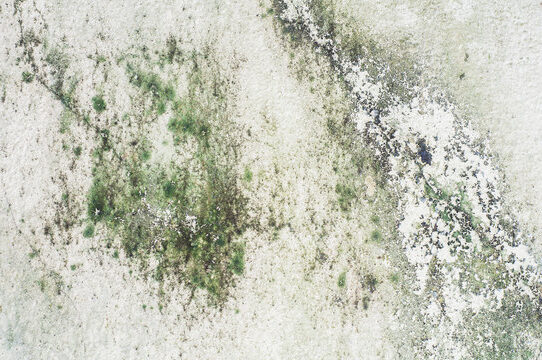
Fast water extraction from carpet is an important part of reducing moisture, but drying the entire affected area is equally important. Mold can develop when moisture remains in carpet, padding, flooring, walls, or other materials.
The EPA recommends drying wet or damp materials as quickly as possible to help prevent mold growth.
Dry More Than the Carpet Surface
The visible carpet is only one layer.
- Check carpet padding for trapped moisture.
- Inspect the subfloor when appropriate.
- Look at baseboards near the wet area.
- Check nearby drywall for signs of water absorption.
Control Indoor Humidity
Drying is harder when the surrounding air remains humid.
- Use dehumidification when appropriate.
- Monitor humidity in the affected room.
- Keep wet belongings from adding more moisture.
- Maintain airflow throughout the drying process.
Watch for Warning Signs
Continue monitoring the area after cleanup.
- Musty odors may indicate remaining moisture.
- Discoloration can signal continued water damage.
- Carpet that feels damp after drying needs further attention.
- Returning odors may indicate moisture below the surface.
If moisture remains hidden beneath carpet or padding, professional moisture detection can help locate affected materials.
8. Why Choose PuroClean of Bloomington for Carpet Water Damage?
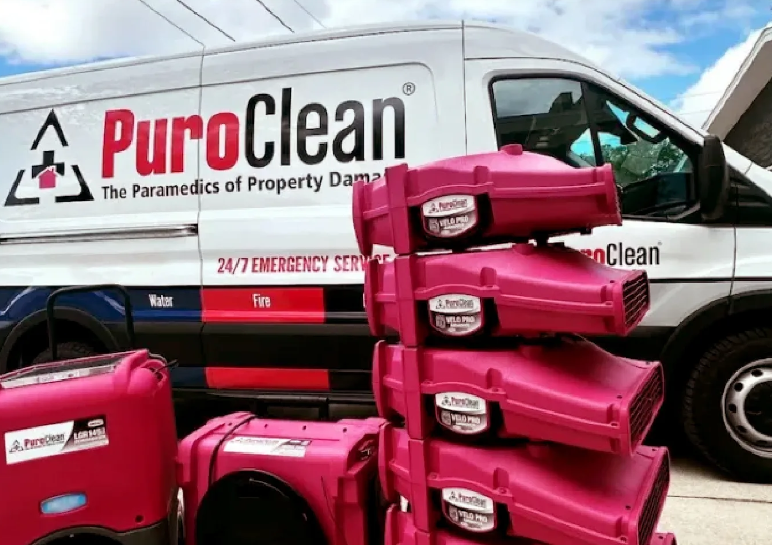
When a carpet becomes saturated, you need more than a standard carpet cleaner if the problem involves significant water damage. At PuroClean of Bloomington, we provide professional water extraction from carpet as part of a complete water damage restoration process.
Our goal is to help you recover your home quickly while addressing moisture that may be hidden below the surface.
Professional Extraction and Drying
Our restoration team uses specialized equipment to manage water damage.
- Water extraction equipment removes standing and absorbed water.
- Air movers support evaporation.
- Dehumidifiers help control moisture in the affected area.
- Moisture detection helps identify materials that still need drying.
Complete Water Damage Restoration
Carpet damage may be part of a larger water problem.
- Water damage restoration
- Water extraction
- Professional moisture detection
- Mold removal
- Reconstruction services
Addressing the entire affected area helps reduce the chance of leaving hidden moisture behind.
Local Emergency Response
Water damage can happen at any time.
- Our local team serves Bloomington and surrounding communities.
- We respond to water damage emergencies.
- We assess the affected property before developing a restoration plan.
- We keep you informed as the project progresses.
When you need professional carpet water extraction, getting help early is often the smartest next step.
FAQs About Water Extraction From Carpet
How quickly should water be extracted from carpet?
Water should be removed as soon as safely possible. Fast extraction reduces the time carpet, padding, and subfloor materials remain saturated and can help limit additional water damage.
Can wet carpet be saved after flooding?
Sometimes. The ability to save carpet depends on the type of water, how long it remained wet, the extent of contamination, and the condition of the carpet and padding.
Can I use a regular vacuum for water extraction from carpet?
Do not use a standard household vacuum to remove standing water unless it is specifically designed and rated for wet extraction. Using the wrong equipment around water can create electrical and safety hazards.
How do I know if carpet padding is still wet?
Carpet can feel dry on top while padding underneath remains saturated. Professional moisture detection can help identify moisture that is difficult to see or feel.
When should I call PuroClean of Bloomington for wet carpet?
Call when carpet is heavily saturated, flooding has affected a large area, the water may be contaminated, or moisture has reached padding, subflooring, walls, or other building materials.
Final Thoughts – Extract Carpet Water Before Damage Spreads
Water extraction from carpet should happen quickly when your carpet becomes saturated because moisture can move beneath the surface and affect padding, flooring, walls, and other materials. The three key steps are to identify the water source, remove water promptly, and thoroughly dry the carpet and surrounding structure. When flooding is extensive or contaminated, professional restoration can help protect your property and reduce the risk of additional damage.
📞 Call PuroClean of Bloomington for water extraction from carpet or water damage restoration today at (309) 433-0900, or visit our website.
Don’t let wet carpet ruin your home or belongings. Get trusted professional help today.