


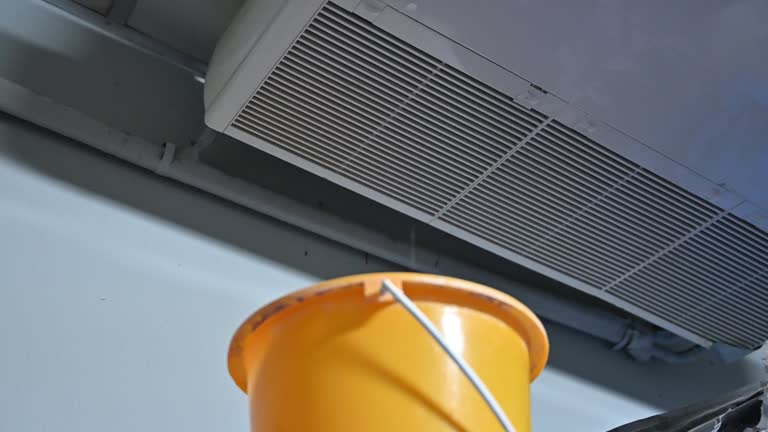
A water leak in the home may look like a small inconvenience, but even a slow drip can cause problems that aren’t immediately visible. From damaged flooring and walls to hidden moisture and mold growth, knowing what a leak can cause helps you act before a small plumbing problem becomes a larger restoration issue. PuroClean of Bloomington helps homeowners in Bloomington, Normal, and surrounding communities respond to water damage and restore affected areas.
1. What Problems Can a Water Leak in the Home Cause?
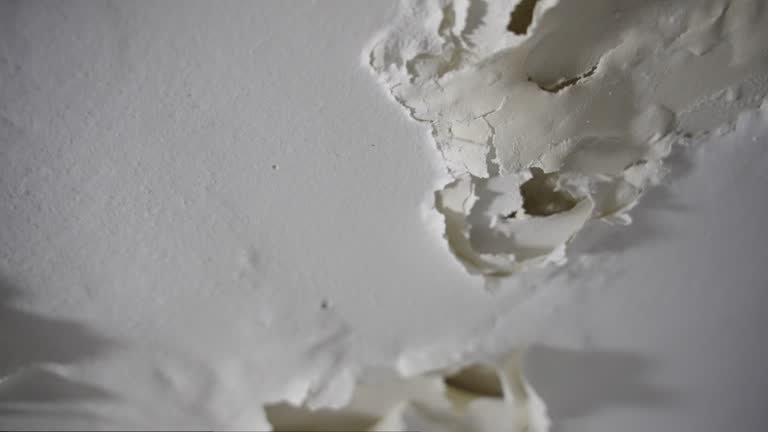
Not every leak produces a dramatic flood.
Some leaks happen slowly behind walls, underneath sinks, around appliances, or beneath flooring. Because the water may not be obvious, the damage can continue developing while everything appears relatively normal.
A water leak in the home can potentially cause:
- Damaged drywall and ceilings.
- Warped or damaged flooring.
- Moisture inside walls and insulation.
- Damage to cabinets and wood materials.
- Persistent musty odors.
- Conditions that encourage mold growth.
- More extensive structural and restoration problems if the leak continues.
The longer water remains present, the more opportunities it has to spread.
2. Problem #1: Drywall and Ceiling Damage
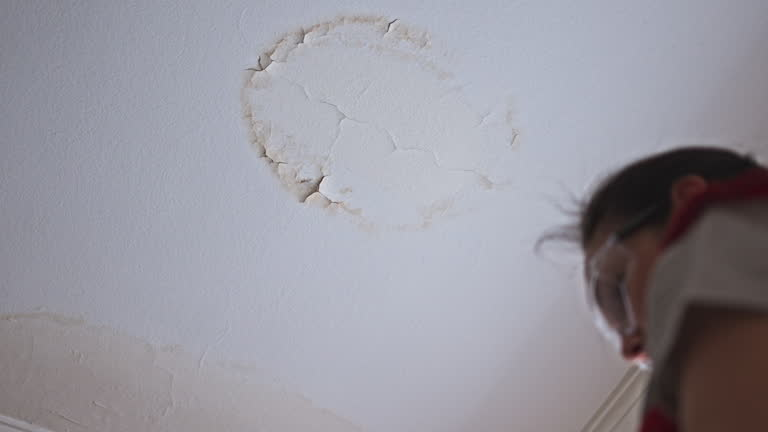
Drywall can absorb water quickly.
A leak behind a wall or above a ceiling may leave a small stain at first. As moisture continues to spread, the affected area can become discolored, swollen, soft, or otherwise damaged.
Watch for:
- Brown or yellow stains: Discoloration can indicate previous or ongoing moisture.
- Bubbling paint: Moisture underneath paint can cause bubbling or peeling.
- Soft drywall: Saturated drywall may become weak or damaged.
- Sagging ceilings: Water accumulating above a ceiling can create a serious problem.
- Musty odors: Persistent damp smells can indicate moisture nearby.
Don’t simply paint over a water stain and assume the problem is fixed.
If the source of the water remains active, the stain can return and the underlying damage may continue.
3. Problem #2: Damaged Flooring
A water leak in the home can also affect your floors.
Water can seep beneath flooring materials and into the subfloor. Depending on the type of flooring, moisture may cause swelling, warping, buckling, staining, or other damage.
Pay attention to changes such as:
- Flooring that feels soft under your feet.
- Buckling or raised sections.
- Gaps appearing between boards.
- Discoloration.
- Dampness around appliances or plumbing fixtures.
Why Is Water Under Flooring a Problem?
Surface-level drying doesn’t necessarily mean the area underneath is dry.
Moisture can become trapped beneath certain flooring materials, where it may remain unnoticed.
If you have experienced a significant leak, professional moisture detection can help determine whether water has traveled beneath the visible surface.
4. Problem #3: Hidden Moisture Behind Walls
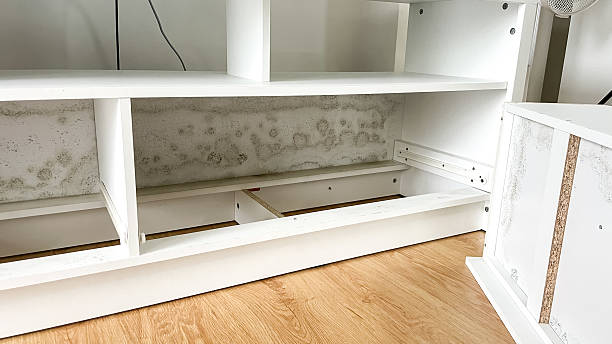
One of the biggest challenges with leaks is that water doesn’t always stay where you can see it.
A leaking pipe inside a wall can release moisture into drywall, insulation, framing, and other surrounding materials.
You may not notice the problem until you see:
- A growing water stain.
- Paint or wallpaper changes.
- A musty smell.
- Warped trim or baseboards.
- Unexpected moisture around outlets or fixtures.
Hidden moisture is one reason you shouldn’t judge the extent of water damage solely by what you can see.
A professional assessment can help identify areas that may need additional drying.
5. Problem #4: Cabinet and Wood Damage
Kitchen and bathroom leaks can cause significant damage to cabinets and other wood materials.
A small leak beneath a sink may go unnoticed because the cabinet hides the plumbing.
By the time you notice swollen cabinet bottoms or discoloration, moisture may already have affected surrounding materials.
Check regularly for:
- Swollen cabinet panels.
- Discoloration beneath sinks.
- Peeling or damaged finishes.
- Soft areas in cabinet bottoms.
- Dampness around plumbing connections.
Don’t ignore a small drip simply because it is contained inside a cabinet.
Water can eventually spread into flooring, walls, and nearby materials.
6. Problem #5: Persistent Musty Odors

Have you noticed a strange smell but can’t figure out where it is coming from?
A persistent musty odor can sometimes point to moisture that hasn’t been addressed.
A water leak in the home may leave behind moisture in areas that are difficult to see, such as behind walls, beneath flooring, or inside cabinets.
If you notice a recurring musty smell:
- Look around sinks, toilets, and appliances.
- Check visible plumbing connections.
- Look for water stains or discoloration.
- Inspect areas beneath cabinets.
- Don’t simply cover the smell with air fresheners.
Finding and addressing the moisture source is more useful than masking the odor.
If the smell continues even after you believe the leak has been fixed, consider having the area professionally assessed for hidden moisture.
7. Problem #6: Conditions That Encourage Mold Growth
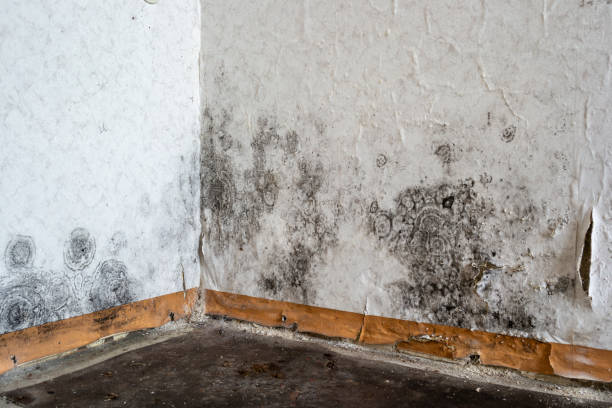
Moisture and mold problems often go together.
A leak that keeps an area damp can create conditions where mold may develop, particularly when water affects porous materials.
That doesn’t mean every leak automatically results in mold, but it does mean moisture should be addressed promptly.
Take action when you notice:
- Persistent dampness.
- Musty odors.
- Visible discoloration.
- Wet drywall or insulation.
- Recurring moisture around plumbing.
- Water that has remained in place for an extended period.
The key is moisture control.
If materials have become wet, removing the water and thoroughly drying the affected area can help reduce the conditions that allow mold to grow.
Here’s How to Prevent Basement Water Damage in Normal During Bloomington’s November Rains
8. Problem #7: Larger Restoration and Repair Costs
A small leak can become a much bigger problem when it goes unnoticed.
Water can travel farther than expected and affect multiple materials at once. What begins as a leaking pipe under a sink could eventually involve cabinets, flooring, drywall, insulation, and other parts of the property.
That’s why early action matters.
What Should You Do When You Find a Leak?
- Stop the source: Shut off the water supply if it is safe and appropriate to do so.
- Protect your belongings: Move items away from the affected area.
- Document the damage: Take photos and videos before major cleanup when it is safe.
- Look beyond the puddle: Check surrounding areas for moisture or signs of spreading damage.
- Call a professional when needed: Significant water damage may require professional extraction and drying.
If you’re already dealing with a water leak in the home, call PuroClean of Bloomington at (309) 433-0900 for a fast response.
9. How Can You Prevent Water Leaks From Becoming Major Problems?
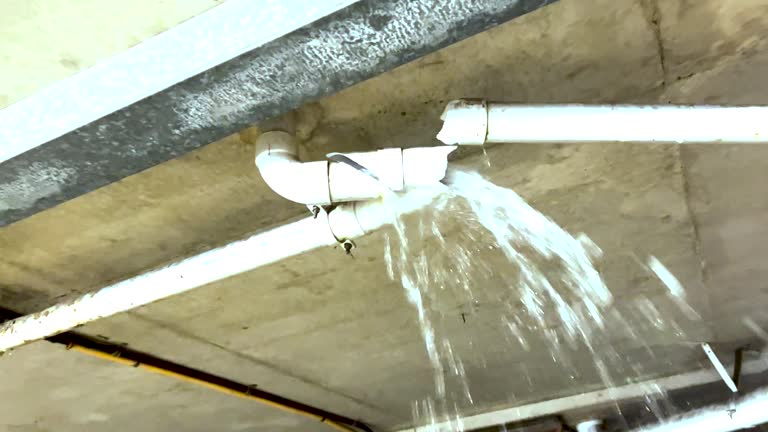
You can’t prevent every plumbing failure, but regular checks can help you catch problems before they cause extensive damage.
Build these simple inspections into your home maintenance routine:
Check Under Sinks
Look for dripping connections, damp cabinet bottoms, staining, or unusual odors.
Inspect Appliance Hoses
Washing machines, dishwashers, refrigerators, and other appliances can develop leaks around water supply connections.
Watch Your Water Bill
An unexplained increase in water usage can sometimes indicate a leak somewhere in the plumbing system.
Check Ceilings and Walls
Look for new stains, discoloration, peeling paint, or other changes that could indicate moisture.
Know Your Main Water Shutoff
If a pipe suddenly breaks, knowing how to shut off the water can help limit additional damage.
Regular maintenance won’t eliminate every risk, but it can help you catch warning signs sooner.
10. When Should You Call a Water Damage Restoration Professional?
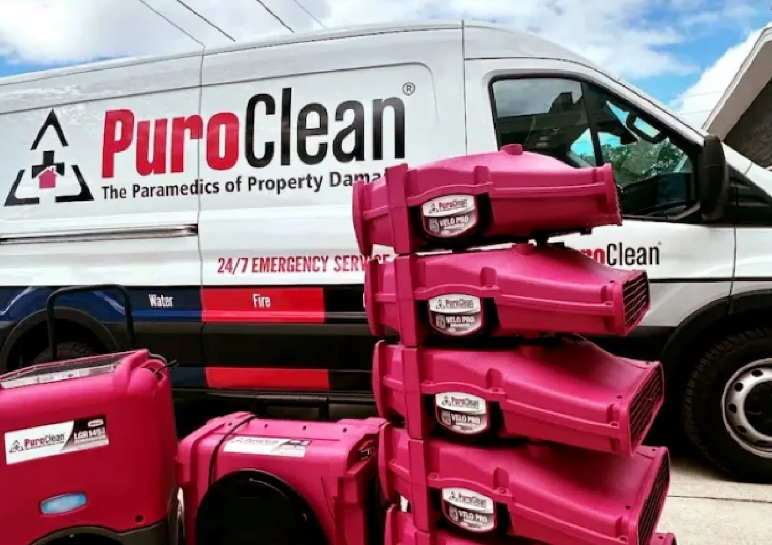
Not every drip requires emergency restoration.
However, you should consider professional help when water has spread beyond a small area, entered building materials, or continued for an unknown amount of time.
Call a professional when:
- Water has spread across multiple areas.
- Flooring or drywall is saturated.
- A ceiling is leaking or sagging.
- You suspect water has entered walls.
- You cannot find the source of the leak.
- A significant plumbing failure has occurred.
- You notice persistent moisture or musty odors.
- Water damage continues after the leak has been repaired.
Professional restoration can include water extraction, moisture detection, structural drying, cleaning, and restoration of affected areas.
PuroClean of Bloomington provides water damage restoration services for homeowners throughout Bloomington, Normal, and surrounding communities.
FAQs About Water Leak in the Home
What can a water leak in the home cause?
A water leak can damage drywall, ceilings, flooring, cabinets, insulation, and other building materials. If moisture remains for an extended period, it can also create conditions that encourage mold growth and lead to more extensive restoration needs.
How do I know if a water leak is causing hidden damage?
Look for musty odors, water stains, peeling paint, warped flooring, swollen cabinets, soft drywall, or recurring moisture. Professional moisture detection can help identify water that isn’t visible.
Can a small water leak cause major damage?
Yes. A small leak can continue releasing moisture for days or weeks, allowing water to spread into materials you cannot easily see. The longer the leak continues, the greater the potential for additional damage.
What should I do when I find a water leak?
If it is safe, stop the source of the water and protect belongings in the affected area. Document the damage and contact a professional if significant water has entered your home or you suspect hidden moisture.
Does PuroClean handle water damage from leaks?
Yes. PuroClean of Bloomington provides water damage restoration services that can include water extraction, moisture detection, drying, cleaning, and restoration of affected areas.
Final Thoughts – Don’t Let a Small Leak Become a Major Problem
A water leak in the home can cause much more than a puddle on the floor. Hidden moisture can damage drywall, flooring, cabinets, insulation, and other materials while creating conditions that may lead to additional problems. Finding the source, stopping the leak, and addressing affected materials quickly can help limit the damage.
If you’ve discovered water damage in your Bloomington or Normal home, don’t wait for the problem to become more obvious.
📞 Call PuroClean of Bloomington for water damage restoration today at (309) 433-0900, or visit our website.
Don’t let a small leak turn into a major restoration problem, get professional help today.