


A flooded basement, burst pipe, or leaking appliance can leave your home in chaos within hours. Many homeowners searching for water mitigation in Normal are unsure whether they need mitigation, restoration, or both. At PuroClean of Bloomington, we help homeowners in Normal, IL understand the difference so they can act quickly and avoid serious property damage.
This guide explains what water mitigation means, how it differs from water restoration, why timing matters after water damage, and when professional help becomes the smartest next step for protecting your home.
1. What Is Water Mitigation in Normal?
Many homeowners hear the term mitigation during an emergency but do not fully understand what it includes. Water mitigation in Normal focuses on stopping damage from getting worse immediately after a water event.
Mitigation happens before full repairs and rebuilding begin. The goal is to stabilize your property and prevent additional destruction.
- Water mitigation includes emergency water extraction, drying, and moisture control.
- Restoration focuses on repairing or rebuilding damaged materials after mitigation is complete.
- Fast mitigation helps reduce mold growth and structural deterioration.
- Professional mitigation teams identify hidden moisture that homeowners often miss.
Water mitigation is the first critical step in protecting your home after flooding or leaks.
2. What Is the Difference Between Water Mitigation and Water Restoration?

One of the most common questions homeowners ask is whether mitigation and restoration are the same thing. While they work together, they serve different purposes during recovery.
Understanding the difference helps you know what to expect after calling for water mitigation in Normal.
Water Mitigation Stops Further Damage
Mitigation focuses on emergency response and moisture control.
- Technicians remove standing water using commercial extraction equipment.
- Air movers and dehumidifiers dry affected areas quickly.
- Moisture detection tools locate hidden dampness behind walls and flooring.
- Damaged materials may be removed to prevent mold growth.
Water Restoration Repairs the Damage
Restoration begins after the property is dry and stable.
- Restoration may include drywall replacement and flooring repairs.
- Reconstruction services restore damaged rooms to their original condition.
- Painting, trim work, and cabinet repairs often happen during restoration.
- Restoration helps return the property to a safe and comfortable condition.
Most Homes Need Both Services
Mitigation and restoration usually work together after major water damage.
- A burst pipe often requires emergency drying first, then repairs later.
- Flooded basements may need both moisture control and reconstruction.
- Quick mitigation reduces how extensive restoration work becomes.
- Professional planning helps homeowners move through recovery more efficiently.
Knowing the difference helps homeowners respond faster during stressful situations.
3. Why Fast Water Mitigation in Normal Matters
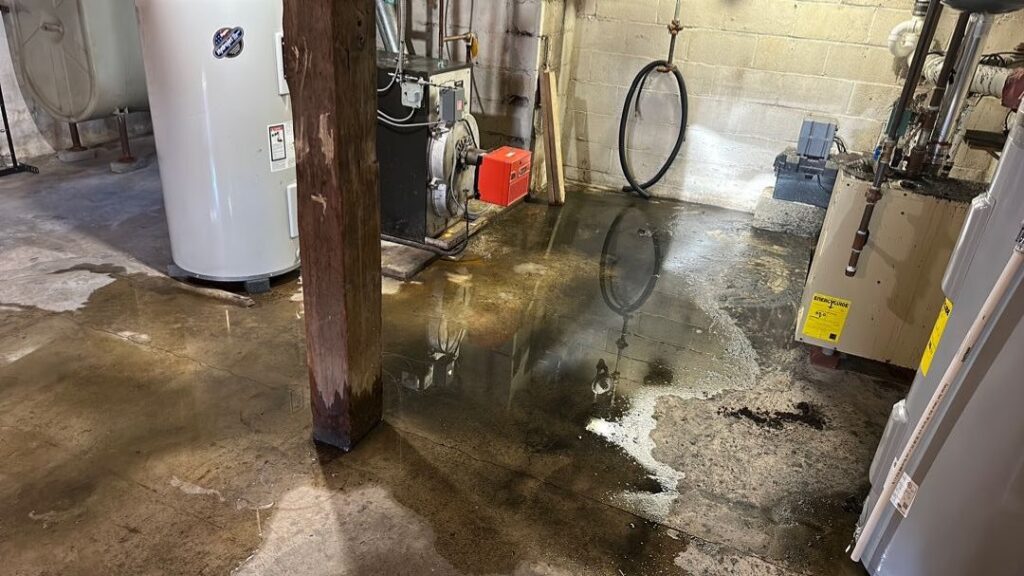
Water damage spreads faster than many homeowners realize. Delaying cleanup by even a few hours can increase repair costs and create larger structural problems.
That is why water mitigation in Normal should begin immediately after discovering flooding or leaks.
Water Spreads Through Building Materials Quickly
Moisture does not stay in one place for long.
- Drywall absorbs water rapidly and may begin swelling within hours.
- Water can seep beneath flooring and damage subfloors unnoticed.
- Carpet padding traps moisture and becomes difficult to dry fully.
- Insulation often holds hidden moisture behind walls.
Delayed Cleanup Increases Mold Risk
Mold growth becomes a concern when moisture remains trapped indoors.
- Humid conditions help mold spread quickly through affected areas.
- Hidden moisture behind walls often creates unseen contamination.
- Musty odors may appear within days after water exposure.
- Fast drying reduces the likelihood of mold remediation later.
Early Action Reduces Repair Costs
Quick mitigation often prevents larger restoration expenses.
- Immediate extraction may save hardwood flooring from permanent warping.
- Drying wet materials early can reduce demolition needs.
- Lower moisture levels help preserve structural integrity.
- Faster response shortens overall recovery time.
Taking action early gives your property the best chance for a smoother restoration process.
4. What Causes Water Damage in Normal Homes?
Understanding common water damage causes helps homeowners recognize problems faster. Many emergencies start with small warning signs that go unnoticed.
Homeowners searching for water mitigation in Normal often deal with these common issues.
Burst Pipes and Plumbing Leaks
Plumbing failures are one of the leading causes of indoor flooding.
- Frozen pipes during Illinois winters may crack and burst unexpectedly.
- Small plumbing leaks behind walls can cause hidden moisture damage.
- Loose pipe fittings often leak slowly before major flooding occurs.
- Water line failures can spread water through multiple rooms quickly.
Basement Flooding During Heavy Rain
Stormwater intrusion is common in Central Illinois.
- Sump pump failures increase basement flooding risks.
- Poor yard drainage directs water toward the foundation.
- Foundation cracks allow groundwater seepage indoors.
- Clogged gutters overflow and saturate soil near the home.
Appliance Failures
Household appliances can release significant amounts of water suddenly.
- Washing machine hose failures flood laundry rooms rapidly.
- Water heaters may leak before complete failure occurs.
- Dishwashers often damage cabinets and flooring when lines fail.
- Refrigerator water line leaks may stay hidden for long periods.
Recognizing these warning signs early can help minimize property damage.
5. What Happens During Professional Water Mitigation?
Many homeowners feel uncertain about what to expect after calling a restoration company. Professional mitigation follows a structured process designed to dry the property safely and thoroughly.
At PuroClean of Bloomington, our water mitigation process focuses on rapid response and complete moisture removal.
Inspection and Damage Assessment
The first step involves evaluating the extent of the damage.
- Technicians inspect affected rooms and identify moisture spread.
- Moisture meters help locate hidden damp areas.
- Thermal imaging tools detect water behind walls and ceilings.
- Damage assessments help create a targeted drying plan.
Water Extraction and Removal
Removing standing water quickly helps limit structural damage.
- Commercial pumps remove large amounts of water efficiently.
- Extraction tools pull moisture from carpets and flooring.
- Fast water removal lowers indoor humidity levels.
- Quick extraction reduces saturation in building materials.
Structural Drying and Monitoring
Drying continues until moisture levels return to safe ranges.
- Industrial air movers increase airflow across wet surfaces.
- Dehumidifiers remove excess moisture from the air.
- Daily moisture readings track drying progress.
- Technicians adjust equipment placement for maximum efficiency.
If you’re already seeing signs of water damage, call PuroClean of Bloomington at (309) 433-0900 for a fast response.
6. Can You Handle Water Mitigation Yourself?
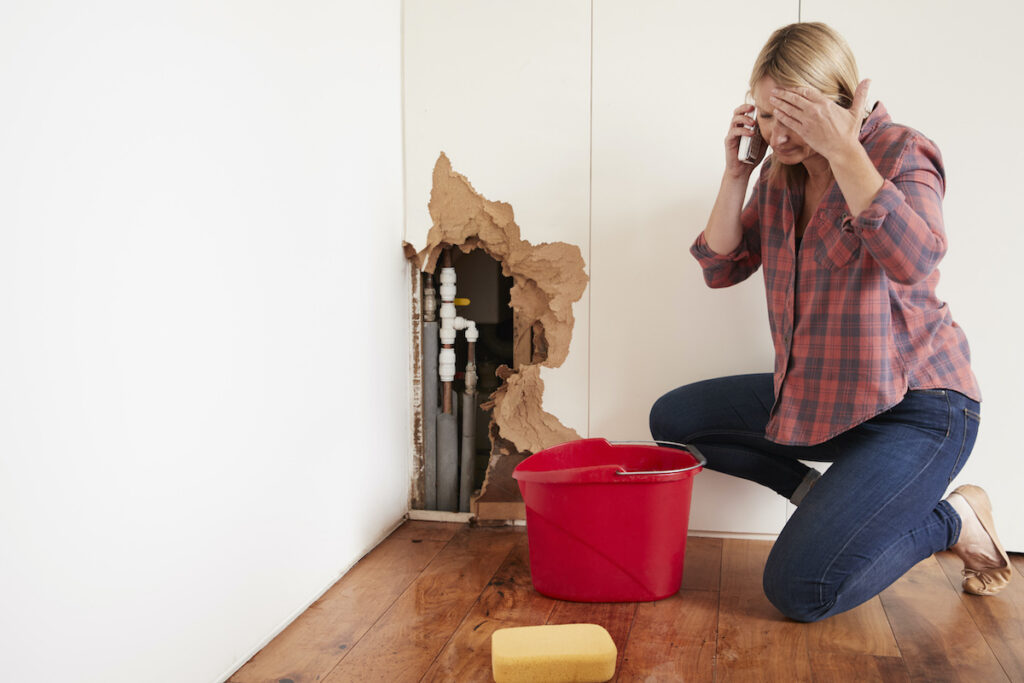
Some homeowners attempt to dry water damage themselves using fans, towels, or shop vacuums. While small spills are manageable, major water emergencies usually require professional equipment and expertise.
DIY cleanup often leaves hidden moisture behind.
Hidden Moisture Creates Long-Term Problems
Visible water is only part of the issue.
- Moisture beneath flooring may remain trapped for days.
- Wet insulation behind walls often goes unnoticed.
- Surface drying does not guarantee structural materials are dry.
- Hidden dampness increases mold risks later.
Household Equipment Has Limitations
Consumer tools cannot match professional drying systems.
- Household fans move air but remove very little moisture.
- Shop vacuums struggle with large-scale flooding.
- Home dehumidifiers work slowly in severe water damage situations.
- Professional extraction systems speed up recovery dramatically.
Safety Concerns Increase After Flooding
Water damage can create dangerous conditions.
- Electrical hazards increase when water reaches outlets or appliances.
- Floodwater may contain bacteria or contaminants.
- Wet ceilings and drywall can become unstable.
- Slippery surfaces increase injury risks inside the home.
Professional mitigation protects both your property and your safety during recovery.
7. How to Prevent Future Water Damage Problems
While some water emergencies are unavoidable, homeowners can reduce risks with regular maintenance and inspections. Preventive steps help minimize the need for future water mitigation in Normal.
Maintain Your Plumbing System
Routine maintenance helps catch issues early.
- Inspect visible pipes regularly for corrosion or leaks.
- Replace aging washing machine hoses before they fail.
- Monitor water pressure for unusual changes.
- Insulate exposed pipes during winter months.
Improve Drainage Around Your Home
Controlling exterior water flow helps protect your foundation.
- Keep gutters and downspouts clear of debris.
- Extend downspouts away from the home when possible.
- Grade landscaping to direct water away from the foundation.
- Test your sump pump before heavy rain seasons.
Schedule Regular Property Inspections
Early detection prevents larger problems later.
- Check basements and crawl spaces for moisture regularly.
- Watch for water stains on ceilings and walls.
- Address musty odors quickly before mold develops.
- Schedule professional inspections after major storms or leaks.
Preventive maintenance reduces stress and helps protect your property year-round.
8. When Should You Call PuroClean of Bloomington?
Some homeowners wait too long before calling for professional help because they hope the area will dry on its own. Unfortunately, hidden moisture often creates bigger problems later.
Professional water mitigation in Normal becomes necessary when water reaches structural materials or spreads beyond a small isolated area.
Signs You Need Immediate Professional Help
Certain warning signs should never be ignored.
- Water has soaked carpets, drywall, or flooring materials.
- You notice bubbling paint or warped surfaces.
- Musty odors develop after a leak or flood.
- Standing water remains inside the property.
Situations That Require Specialized Equipment
Some water emergencies demand professional drying systems.
- Basement flooding after heavy storms
- Burst pipes affecting multiple rooms
- Sewage backups requiring sanitation
- Long-term leaks causing hidden moisture damage
Why Homeowners Trust PuroClean of Bloomington
Our team helps homeowners throughout Bloomington and Normal respond quickly to water emergencies.
- We provide rapid response services for water emergencies.
- Our technicians use professional moisture detection and drying equipment.
- We offer reconstruction services after mitigation work is complete.
- We also provide mold removal, fire and smoke damage restoration, and biohazard cleanup services.
Fast action can make the difference between minor repairs and major reconstruction.
FAQs About Water Mitigation in Normal
What does water mitigation mean?
Water mitigation focuses on preventing additional damage after flooding or leaks. It includes water extraction, drying, dehumidification, and moisture control.
Is water mitigation the same as water restoration?
No. Mitigation stops further damage, while restoration repairs or rebuilds damaged materials after the property is dry.
How quickly should water mitigation begin?
Water mitigation should begin immediately after discovering water damage. Fast response reduces mold growth and structural deterioration.
Can mold grow after water damage even if surfaces look dry?
Yes. Hidden moisture behind walls, under flooring, or inside insulation can still support mold growth.
When should I call a professional for water mitigation?
You should call professionals when water affects structural materials, spreads through multiple rooms, or remains longer than a few hours.
Final Thoughts – Protect Your Home With Fast Water Mitigation
Water damage can spread rapidly through your home and create long-term problems if you delay cleanup. Fast mitigation, professional drying, and early moisture detection help reduce structural damage, mold risks, and expensive repairs. Understanding the difference between mitigation and restoration also helps homeowners make smarter decisions during stressful situations.
At PuroClean of Bloomington, we help homeowners in Normal, IL respond quickly to water emergencies with professional restoration solutions you can trust. 📞 Call PuroClean of Bloomington for water mitigation in Normal today at (309) 433-0900 or visit our website. Don’t let water damage ruin your home, belongings, or indoor air quality, get trusted professional help today.