 PuroClean Of Bloomington
 Introduction: What You Need to Know About White Mold in Basement Spaces
White mold in basement areas is more than just an eyesore; it’s a genuine health hazard that thousands of homeowners in Bloomington, Normal, and Peoria, IL discover every year, usually at the worst possible moment. This comprehensive guide reveals the shocking dangers lurking in your basement, explores why white mold in basement environments thrives so easily, and provides immediate action steps to eliminate this silent invader. You’ll learn expert identification techniques, understand the health risks your family faces, discover proven DIY prevention methods, and find out when to call professional restoration experts like PuroClean of Bloomington. Whether you’re dealing with a small patch or a full-blown infestation, this guide equips you with everything needed to protect your home and loved ones from the dangers of white mold in basement spaces.
You should read 7 Shocking Facts About Hidden Mold in Homes You Can’t Ignore
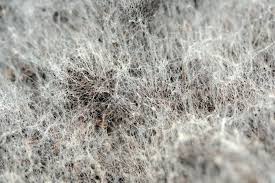
Table of Contents
Understanding White Mold in Basement Areas: What Exactly Are You Dealing With?
Let’s get one thing straight right away: that fuzzy white stuff growing on your basement walls isn’t just dust or efflorescence (though many homeowners make that mistake). White mold in basement environments is a living organism that feeds on organic materials in your home, and it’s having a party at your expense.
Here’s the kicker: white mold is actually several different species of mold that appear white or light-colored. The most common culprits include Aspergillus, Penicillium, and Cladosporium. Unlike their infamous cousin black mold, white mold in basement spaces often gets overlooked because it blends in with concrete, drywall, and other light-colored surfaces. It’s basically the ninja of the mold world, hiding in plain sight.
A homeowner in Normal, IL recently discovered what they thought was just “basement dust” was actually a massive white mold colony that had been growing for two years. The revelation came during a routine inspection, and let’s just say they weren’t thrilled about the surprise guest that had been living rent-free in their foundation.
White mold in basement areas loves three things: moisture, darkness, and organic material to snack on. Your basement provides all three in abundance, making it the equivalent of an all-inclusive resort for mold spores.
Here are 7 Proven Ways to Prevent Mold in Closet Before It Spreads

The 7 Shocking Dangers of White Mold in Basement Spaces
1. Respiratory Problems That Sneak Up on You
White mold in basement areas releases spores into the air constantly, and every breath you take in that space introduces these microscopic troublemakers into your lungs. People with asthma, allergies, or compromised immune systems face the highest risk, but healthy individuals aren’t immune either.
The symptoms start innocently enough: a persistent cough, wheezing, or that scratchy throat that never quite goes away. One client in Bloomington spent three months visiting doctors for mysterious respiratory issues before someone finally suggested checking their basement. Guess what they found? A white mold colony the size of a dinner table growing behind stored boxes.
2. Structural Damage That Empties Your Wallet
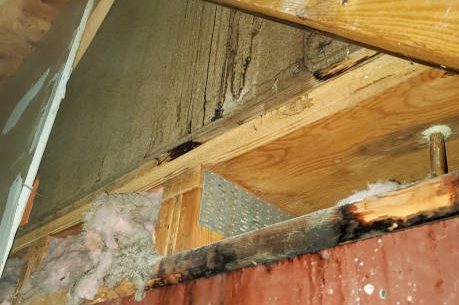
White mold in basement walls doesn’t just sit there looking ugly. It actively digests the materials it grows on, including wood beams, drywall, insulation, and even cardboard boxes. Over time, this biological feast weakens your home’s structural integrity.
A homeowner in Peoria learned this lesson the expensive way when their basement support beam, compromised by years of white mold growth, nearly gave way during a heavy snowfall. The repair bill? Let’s just say it could have funded a nice vacation instead.
Here’s How to Know if Mold Is in Your Walls
3. Allergic Reactions That Disrupt Daily Life
Even if you don’t have diagnosed allergies, white mold in basement environments can trigger allergic responses. We’re talking about sneezing fits, watery eyes, skin rashes, and that foggy-headed feeling that makes concentration impossible.
The frustrating part is that many people don’t connect these symptoms to their basement. They blame pollen, dust, or stress when the real culprit is growing quietly downstairs.
4. Property Value Plummets Faster Than You’d Think
Discovering white mold in basement areas during a home inspection is like finding a skeleton in your closet during a first date. It’s a massive red flag that sends potential buyers running or demanding serious price reductions.
Real estate agents in Bloomington, Normal, and Peoria consistently report that homes with documented mold issues sell for 10 to 25 percent less than comparable properties. That’s thousands of dollars evaporating because of something you could have addressed earlier.
5. Musty Odors That Won’t Quit
That distinctive basement smell everyone jokes about? That’s often white mold in basement spaces announcing its presence. The odor comes from microbial volatile organic compounds (MVOCs) that mold releases as it grows and feeds.
No amount of air freshener or scented candles will mask it permanently. One homeowner tried everything from industrial deodorizers to leaving bowls of vinegar everywhere. Spoiler alert: none of it worked until they actually addressed the white mold problem.
People also read What is that Smell? How to Remove Unwanted Smells in Your Bloomington Home
6. Contamination of Stored Belongings
White mold in basement storage areas doesn’t discriminate. It’ll happily colonize your holiday decorations, important documents, family heirlooms, and that box of baby clothes you’ve been saving. Once mold establishes itself on porous materials like fabric, paper, or cardboard, those items are often beyond saving.
A client recently lost irreplaceable family photos and documents to white mold that had been quietly growing on stored boxes for years. The emotional toll was far worse than any financial cost.
7. Accelerated Growth During Illinois Humidity
Here’s something specific to our region: Bloomington, Normal, and Peoria experience significant humidity fluctuations throughout the year. Spring flooding, summer humidity, and poor basement ventilation create perfect conditions for white mold in basement environments to explode in growth.
What starts as a small patch in April can become a full-wall colony by August if left unchecked. The growth rate during humid months is genuinely alarming.
Why Your Basement Becomes a Breeding Ground for White Mold
Understanding why white mold in basement areas thrives so aggressively helps you prevent future infestations. Let’s break down the perfect storm of conditions:
Moisture is the Main Culprit: Whether it’s from foundation cracks, condensation, plumbing leaks, or groundwater seepage, moisture is the number one requirement for mold growth. Illinois basements face constant moisture challenges from our fluctuating water tables and seasonal weather patterns.
Poor Ventilation Traps the Problem: Most basements have terrible air circulation. This stagnant air allows humidity to build up and prevents surfaces from drying properly after they get wet. It’s like creating a terrarium specifically designed for growing white mold in basement spaces.
Temperature Variations Create Condensation: When warm, humid air meets cool basement surfaces, condensation forms. Those tiny water droplets provide exactly the moisture white mold needs to establish colonies.
Organic Materials Provide Food: Your basement is probably full of mold food: wood framing, drywall, cardboard boxes, fabric, paper, and even dust. White mold in basement environments has an endless buffet to choose from.
Darkness Eliminates a Natural Deterrent: Sunlight contains UV rays that inhibit mold growth. Your dark basement eliminates this natural control mechanism, allowing white mold to flourish unchecked.
How to Identify White Mold in Basement Areas Correctly
Before you panic and start spraying bleach everywhere (please don’t do that), you need to confirm you’re actually dealing with white mold in basement spaces and not something else.
Visual Inspection: White mold appears as fuzzy, powdery, or cotton-like growth on surfaces. It might be pure white, cream-colored, or even slightly gray. Unlike efflorescence (mineral deposits), white mold has a three-dimensional texture rather than a flat, crystalline appearance.
The Water Test: Spray suspected white mold with water. If it dissolves, it’s efflorescence. If it stays intact, you’re dealing with actual mold.
Smell Check: White mold in basement areas produces that characteristic musty, earthy odor. If your basement smells like an old library or damp forest floor, mold is likely present even if you can’t see it yet.
Professional Testing: When in doubt, companies like PuroClean of Bloomington offer professional mold testing that identifies exactly what species you’re dealing with and how extensive the problem has become.
Immediate Actions: How to Get Rid of White Mold in Basement Spaces
When you discover white mold in basement areas, time is critical. Here’s your action plan:
Step 1: Stop the Moisture Source Immediately
Before you touch a single spore of white mold, you absolutely must identify and fix the moisture problem. Otherwise, you’re just treating symptoms while the disease continues spreading.
Check for leaking pipes, foundation cracks, condensation on cold water pipes, water seepage after rain, and inadequate drainage around your foundation. A homeowner in Normal spent $500 treating white mold in basement walls, only to have it return within weeks because they never fixed the leaking window well that caused it.
Step 2: Isolate the Affected Area
White mold in basement spaces releases thousands of spores when disturbed. Before cleaning, seal off the affected area with plastic sheeting and turn off your HVAC system to prevent spore distribution throughout your home.
Step 3: Protect Yourself Properly
This isn’t optional. Wear an N95 respirator mask (not a dust mask), protective eyewear, rubber gloves, and old clothing you can wash immediately afterward. White mold in basement environments might look harmless, but those spores can trigger serious reactions.
Step 4: Clean Small Affected Areas (Less Than 10 Square Feet)
For minor white mold in basement problems, mix one cup of borax with one gallon of water. Borax is more effective than bleach for mold and doesn’t produce toxic fumes. Scrub affected surfaces with a stiff brush, removing all visible growth.
Never mix cleaning products together, and ensure adequate ventilation. Dispose of cleaning materials in sealed plastic bags immediately.
Step 5: Dry Everything Thoroughly
Use fans, dehumidifiers, and open windows to dry the cleaned area completely. Any remaining moisture will invite white mold in basement spaces to return with a vengeance.
Step 6: HEPA Vacuum the Entire Area
After surfaces dry, use a vacuum with a HEPA filter to capture lingering spores. Regular vacuums will just blow spores around like a mold confetti cannon.
When DIY Isn’t Enough: Calling Professional Restoration Experts
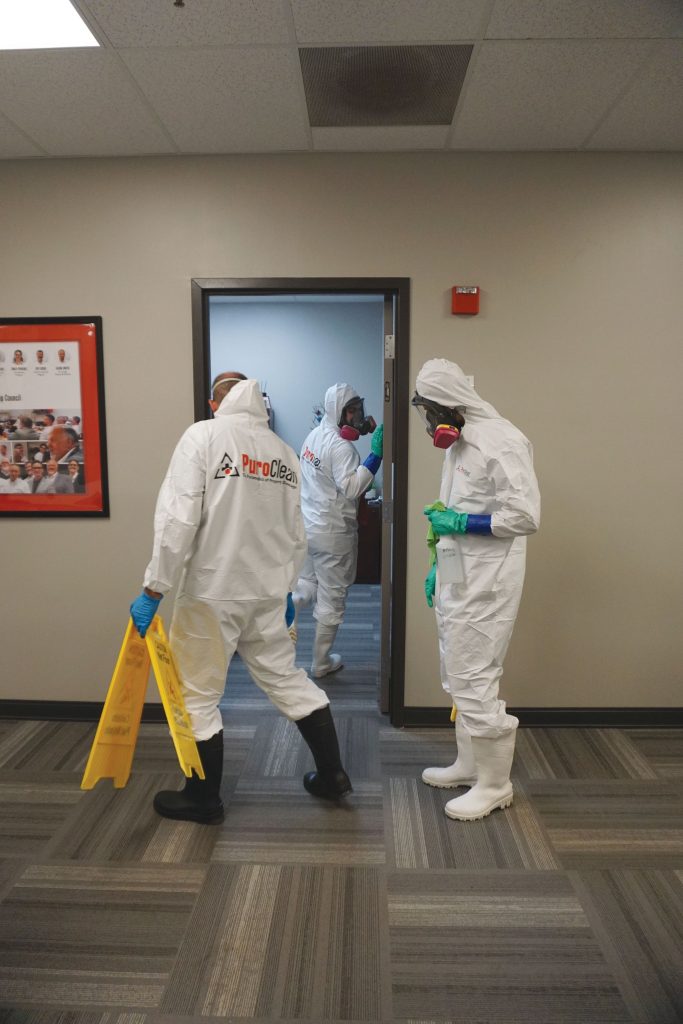
Here’s the truth: if your white mold in basement problem covers more than 10 square feet, grows behind walls, affects HVAC systems, or returns repeatedly despite your best efforts, you need professional help.
PuroClean of Bloomington specializes in comprehensive mold remediation throughout Bloomington, Normal, and Peoria, IL. Their certified technicians don’t just clean visible white mold in basement areas; they identify root causes, address hidden growth, and implement prevention strategies that actually work.
A recent client attempted DIY remediation three times before finally calling PuroClean. Within days, the team identified a hidden foundation crack and improper drainage that had been feeding the white mold problem for years. The comprehensive solution not only eliminated existing growth but prevented future infestations.
Professional remediation includes moisture mapping, containment and air filtration, complete removal of affected materials when necessary, antimicrobial treatment, dehumidification and drying, and verification testing to confirm successful elimination.
Preventing White Mold in Basement Spaces: Long-Term Solutions
Once you’ve eliminated existing white mold in basement areas, prevention becomes your priority. Here’s how to keep it from returning:
Control Humidity Religiously: Keep basement humidity below 50 percent using dehumidifiers. In Bloomington’s humid summers, this might mean running your dehumidifier continuously.
Improve Ventilation: Install exhaust fans, open windows when weather permits, and ensure your HVAC system adequately exchanges basement air.
Fix Water Issues Permanently: Repair foundation cracks, regrade soil away from your foundation, install or repair gutters and downspouts, and consider a sump pump if groundwater is an issue.
Insulate Cold Pipes: Prevent condensation by insulating cold water pipes throughout your basement.
Choose Mold-Resistant Materials: When finishing or repairing your basement, use mold-resistant drywall, paint with mold-inhibiting additives, and avoid organic materials where possible.
Regular Inspections: Check your basement monthly for signs of moisture or white mold in basement areas. Early detection prevents major problems.
Why Bloomington, Normal, and Peoria Homeowners Choose PuroClean
When white mold in basement spaces threatens your home and health, you need local experts who understand Illinois-specific challenges. PuroClean of Bloomington brings decades of experience, advanced equipment, and genuine care to every restoration project.
Their team understands how Illinois weather patterns affect basements, recognizes local construction methods and common problem areas, and responds quickly to emergency situations, often arriving within hours of your call.
But here’s what really sets them apart: they treat your home like their own. One client mentioned how the PuroClean team carefully moved and protected family heirlooms during remediation, even though it wasn’t technically part of their contract. That’s the difference between a service provider and a trusted partner.
The Cost of Ignoring White Mold in Basement Areas
Let’s talk numbers for a moment, because sometimes that’s what it takes to spur action. Ignoring white mold in basement spaces costs you in multiple ways:
Professional remediation for a moderate white mold problem typically costs between $1,500 and $3,500. Delaying treatment until structural damage occurs can push costs above $10,000. Medical bills for mold-related health issues can easily exceed thousands of dollars annually. Property value loss from documented mold problems averages 15 to 20 percent of your home’s value.
A homeowner in Peoria ignored a small white mold problem for three years, thinking they’d address it “eventually.” Eventually came with a $12,000 repair bill, six weeks of living elsewhere during remediation, and permanent loss of family possessions. The initial treatment would have cost less than $2,000.
Success Stories: Real Results from Real Homes
Sometimes the best way to understand white mold in basement solutions is through actual outcomes. Here are a few success stories from the Bloomington area:
A family in Normal discovered extensive white mold growth after a spring flood. PuroClean responded within three hours, contained the affected area, and completed full remediation in five days. Six months later, follow-up testing showed zero mold presence.
A Bloomington landlord facing tenant complaints about basement odors called PuroClean for inspection. The team identified hidden white mold in basement wall cavities, remediated the problem, and installed preventative measures. The property now commands higher rent due to its pristine condition.
A Peoria homeowner preparing to sell their house worried that white mold in basement areas would tank their sale. PuroClean’s rapid remediation and detailed documentation actually increased buyer confidence, and the home sold above asking price.
Common Mistakes That Make White Mold in Basement Problems Worse
Learn from others’ errors. These common mistakes can transform a manageable white mold situation into a disaster:
Using Bleach on Porous Surfaces: Bleach only kills surface mold on non-porous materials. On wood, drywall, or concrete, it feeds the mold by adding moisture while leaving roots intact.
Painting Over Mold: This is like putting makeup on a zombie. White mold in basement areas will continue growing under paint, eventually breaking through.
Ignoring the Moisture Source: Cleaning mold without fixing water problems guarantees it’ll return, often more aggressively.
Inadequate Safety Precautions: Disturbing large white mold colonies without proper protection can trigger severe health reactions.
Waiting for the “Right Time”: There’s no good time to deal with white mold in basement spaces, but every day you wait makes the problem exponentially worse.
Your Indoor Air Quality Depends on Basement Health
Here’s something many homeowners don’t realize: air from your basement circulates throughout your entire home through a phenomenon called the stack effect. This means white mold in basement areas directly impacts the air quality on your main floors and even upstairs bedrooms.
Studies show that up to 50 percent of the air on your home’s first floor comes from the basement. If that air contains mold spores, everyone in your household breathes them constantly.
One family couldn’t figure out why their child’s asthma kept worsening despite medications. After PuroClean eliminated white mold in basement areas and installed proper ventilation, the child’s symptoms improved dramatically within weeks. The connection was undeniable.
Seasonal Considerations for Illinois Basements
White mold in basement environments doesn’t take vacations, but it does respond to seasonal changes in Bloomington, Normal, and Peoria:
Spring: Snowmelt and spring rains increase groundwater levels, creating perfect conditions for white mold growth. This is prime time for basement flooding and moisture intrusion.
Summer: High humidity levels accelerate white mold in basement areas. Your dehumidifier will work overtime during Illinois summers.
Fall: Temperature fluctuations create condensation as warm air meets cooling basement surfaces. Watch for white mold development on cold pipes and exterior walls.
Winter: While growth slows in cold temperatures, existing white mold survives and resumes aggressive growth when conditions improve. Winter is actually an excellent time for remediation since mold is less active.
Technology and Tools That Make a Difference
Professional companies like PuroClean of Bloomington use advanced technology to detect and eliminate white mold in basement spaces:
Thermal Imaging Cameras: Identify hidden moisture behind walls without destructive testing.
Moisture Meters: Precisely measure moisture content in various materials to ensure complete drying.
HEPA Air Scrubbers: Capture airborne mold spores during remediation, preventing cross-contamination.
Antimicrobial Treatments: Professional-grade products that kill white mold at the root level and prevent regrowth.
Industrial Dehumidifiers: Remove moisture far more effectively than consumer models.
This technology makes professional remediation dramatically more effective than DIY approaches for significant white mold in basement problems.
The PuroClean of Bloomington Difference
When you’re dealing with white mold in basement areas, you need more than just cleaning services. You need partners who understand the science, care about outcomes, and stand behind their work.
PuroClean of Bloomington offers 24/7 emergency response, certified and trained technicians, comprehensive moisture assessment, complete documentation for insurance claims, and warranty protection on remediation work.
They’ve built their reputation one satisfied customer at a time throughout Bloomington, Normal, and Peoria. That’s not marketing speak; that’s what happens when you consistently deliver exceptional results with genuine care.
Frequently Asked Questions About White Mold in Basement Areas
Q: Is white mold in basement areas as dangerous as black mold?
A: While black mold (Stachybotrys chartarum) gets more attention, white mold in basement spaces can be equally problematic. Both release spores that trigger respiratory issues, allergic reactions, and structural damage. The health risks depend more on exposure duration and individual sensitivity than mold color. Don’t let white mold’s benign appearance fool you into thinking it’s harmless. Any mold growth in your home requires prompt attention.
Q: How quickly can white mold spread in my basement?
A: Under ideal conditions (high humidity, proper temperature, and organic material), white mold in basement environments can establish visible colonies within 24 to 48 hours of initial moisture exposure. A small patch can expand to cover several square feet within a week during humid summer months in Bloomington, Normal, or Peoria. This is why addressing moisture problems immediately is critical for preventing widespread infestations.
Q: Can I remove white mold in basement spaces myself, or do I need professionals?
A: Small affected areas (less than 10 square feet) without structural involvement can often be addressed with proper safety equipment and cleaning techniques. However, professional remediation from companies like PuroClean of Bloomington becomes necessary when white mold covers large areas, grows inside walls or HVAC systems, keeps returning despite cleaning attempts, or causes health symptoms in household members. Professionals have equipment and expertise to address root causes and prevent recurrence.
Q: How much does professional white mold remediation cost in the Bloomington area?
A: Professional removal of white mold in basement areas typically ranges from $1,500 to $3,500 for moderate infestations, depending on extent, accessibility, and necessary repairs. Severe cases requiring structural repairs or extensive material removal can exceed $10,000. However, this investment prevents far costlier consequences including structural failure, health complications, and property value loss. Many homeowners insurance policies cover mold remediation resulting from covered perils like burst pipes.
Q: What’s the best humidity level to prevent white mold in basement spaces?
A: Keep basement humidity below 50 percent to prevent white mold in basement growth effectively. Ideally, maintain levels between 30 and 40 percent during humid months. Invest in a quality dehumidifier with automatic humidity control and built-in drainage. In Bloomington’s humid summers, you’ll likely need to run your dehumidifier continuously. Monitor humidity levels with a hygrometer (available for under $20) and empty dehumidifier reservoirs daily unless you’ve installed continuous drainage.
Take Action Today: Protect Your Home and Health, Call Us Now – (309) 433-0900
White mold in basement areas won’t resolve itself. Every day you delay gives this silent invader more time to spread, cause structural damage, and threaten your family’s health. The good news is that with proper intervention, you can completely eliminate white mold problems and prevent future growth.
PuroClean of Bloomington stands ready to help homeowners throughout Bloomington, Normal, and Peoria, IL with comprehensive mold remediation services. Their certified technicians bring decades of combined experience, state-of-the-art equipment, and genuine commitment to protecting your home.
Don’t let white mold in basement spaces continue threatening what matters most. Contact PuroClean of Bloomington today for a professional inspection and customized remediation plan.
Call us (309) 433-0900 or visit our website to schedule an inspection.
Available 24/7 for Emergency Response
Remember: addressing white mold in basement problems today prevents thousands in repair costs tomorrow. Make the call that protects your investment, your health, and your peace of mind.

 PuroClean Of Bloomington