 PuroClean of Bluffdale
home maintenance damage becomes more likely in Bluffdale during dry February winters, not because of heavy snow, but because of freeze–thaw cycles, wind stress, condensation buildup, and delayed plumbing failures. Many homeowners relax their vigilance when snowfall decreases. However, dry winters often create hidden stress points that only become visible weeks later.
Rather than focusing on snow removal alone, February requires proactive inspection. Subtle cracks, drafts, minor leaks, and shifting materials often signal developing structural issues. This 2026 action checklist replaces snow-focused thinking with practical steps that protect your property.
In this guide, PuroClean of Bluffdale provides a comprehensive February inspection checklist to help homeowners prevent home maintenance damage before it escalates.
Table of Contents
Home Maintenance Damage: Why February Requires a Different Checklist
home maintenance damage increases in February because earlier winter stress accumulates. January freezes may weaken plumbing, roofing, insulation, and foundations. February thaw cycles reveal those weaknesses.
The National Weather Service explains that late-winter temperature fluctuations increase material expansion and contraction. Meanwhile, the U.S. Geological Survey notes that freeze–thaw cycles continue to shift soil and stress foundations even during dry periods.
Because damage may already be developing beneath surfaces, February inspections should focus on early warning signs rather than snow accumulation alone.
February Dry-Winter Damage Checklist for Bluffdale Homes
Below is an action-oriented checklist designed to reduce home maintenance damage risk.
1. Inspect Foundations for New or Expanding Cracks
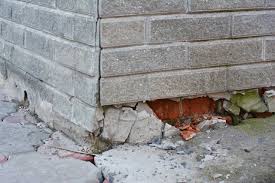
Check for hairline cracks that have widened since January. Look for diagonal cracks near corners.
The Federal Emergency Management Agency (FEMA) explains that soil movement contributes to foundation cracking during freeze–thaw cycles. Even minor shifts may signal developing structural concerns.
Early detection reduces long-term home maintenance damage.
2. Check Windows and Doors for New Drafts
Run your hand around frames to detect airflow changes.
The U.S. Department of Energy notes that air leakage often indicates shifting joints or seal deterioration. Drafts may reflect subtle structural stress rather than insulation failure alone.
Addressing these gaps prevents additional home maintenance damage.
3. Examine Attic for Condensation
During dry winters, homeowners often assume moisture risk is low. However, condensation remains common.
The Environmental Protection Agency (EPA) states that mold can develop within 24–48 hours when moisture is present. Inspect insulation and roof decking for dampness.
Unchecked condensation contributes directly to home maintenance damage.
4. Test Faucets and Inspect Exposed Pipes
Frozen plumbing often cracks in January but leaks in February.
The Insurance Information Institute reports that frozen pipe claims frequently occur during thaw periods. Look for reduced water pressure, stains, or unusual sounds.
Early plumbing checks reduce home maintenance damage risk.
5. Inspect Roof Flashing and Shingles
Wind stress during winter may loosen flashing or shingles without visible storm damage.
The National Weather Service explains that sustained wind pressure weakens roofing systems over time. February thaw cycles expose vulnerabilities.
Small roof issues can quickly escalate into home maintenance damage.
6. Check Basement Walls for Dampness
Dry winters can still produce foundation seepage due to soil shifts.
The U.S. Geological Survey explains that soil contraction and expansion affect foundation integrity. Examine walls for discoloration or damp spots.
Persistent moisture signals early home maintenance damage.

7. Review HVAC System Performance
Extended heating season strains equipment and may circulate contaminants.
The U.S. Consumer Product Safety Commission advises regular inspection of heating equipment to prevent malfunctions or fire hazards. Replace filters and check airflow.
Proper maintenance reduces secondary home maintenance damage.
8. Monitor Ceiling and Wall Surfaces
Inspect ceilings for minor discoloration or bubbling paint.
The Centers for Disease Control and Prevention (CDC) explains that hidden moisture encourages mold growth and structural deterioration. Even small stains warrant investigation.
Addressing early signs prevents costly home maintenance damage.
9. Evaluate Exterior Siding and Caulking
Dry winter winds may loosen siding or crack sealant joints.
The National Institute of Standards and Technology (NIST) explains that temperature changes cause building materials to expand and contract, affecting exterior seals. Damaged seals invite moisture intrusion.
Seal failures contribute to progressive home maintenance damage.
10. Schedule a Professional Moisture Assessment
Thermal imaging and moisture mapping detect hidden water intrusion.
Professional assessment ensures early identification of home maintenance damage before visible deterioration appears.
Why Bluffdale Homes Need February Vigilance
Bluffdale’s fluctuating winter temperatures, wind exposure, and soil composition create cumulative stress. While snow may be minimal, structural and moisture-related risks persist.
The Utah Geological Survey notes that clay-rich soils common in northern Utah expand and contract significantly. These movements affect foundations regardless of snow depth.
Dry winters create a false sense of security that increases the risk of damage to home maintenance.
Why is February important for home inspections?
Because damage often begins in January and becomes visible during thaw cycles.
Can dry winters still cause home damage?
Yes. Freeze–thaw cycles, wind stress, and condensation contribute to hidden issues.
What are the most overlooked February warning signs?
Drafts, minor cracks, small leaks, and ceiling discoloration.
How often should homeowners inspect during winter?
A visual inspection at least once in late winter is recommende
How PuroClean of Bluffdale Supports Preventative Action
PuroClean of Bluffdale provides proactive inspection and restoration services, including:
- Moisture detection and thermal imaging
- Structural drying
- Mold inspection and remediation
- Fire and water damage restoration
- Insurance-ready documentation
All work follows standards established by the Institute of Inspection, Cleaning and Restoration Certification (IICRC), ensuring professional mitigation.
If you detect signs of home maintenance damage, contact PuroClean of Bluffdale at (801) 254-6204 for expert support.
Replace Snow Narratives With Action
home maintenance damage during dry February winters often develops quietly. By shifting focus from snow removal to proactive inspection, Bluffdale homeowners can prevent extensive structural and moisture-related repairs.
February is not the end of winter risk; it is often when hidden problems surface.
PuroClean of Bluffdale remains a trusted local leader in winter damage prevention and restoration.

 PuroClean of Bluffdale