 PuroClean of Burlington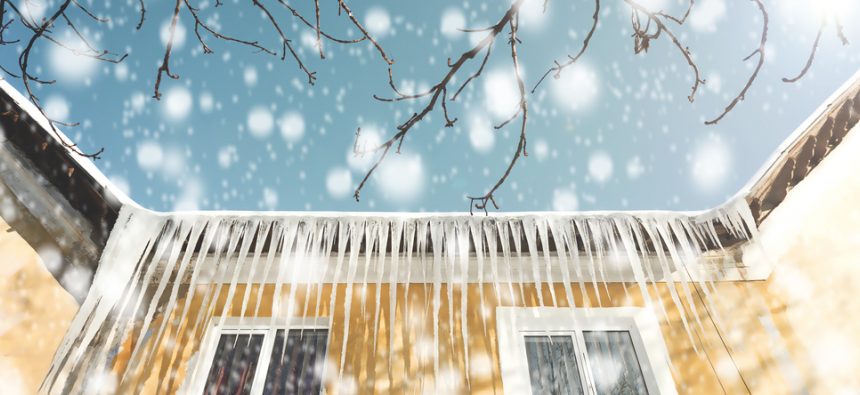
Table of Contents
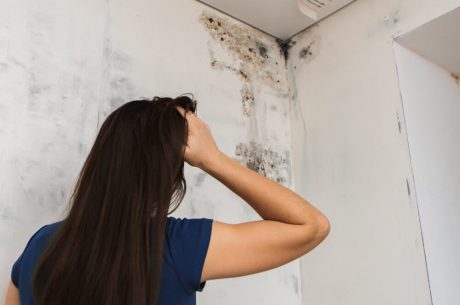
When the Wisconsin winter settles in and temperatures drop below freezing, we instinctively seal our homes tight to keep the warmth in. While this is great for your heating bill, it creates a unique set of challenges for your indoor air quality. Many homeowners are surprised to find fuzzy black or green spots appearing in corners or behind furniture during the coldest months of the year. If you find yourself in this situation, seeking professional Mold Remediation Services in WI is the most effective way to protect both your property and your family’s health.
In Burlington and the surrounding areas, the combination of extreme cold outside and high heat inside creates the “perfect storm” for condensation. This moisture, if left unaddressed, becomes the fuel that mold needs to thrive. This guide will walk you through why winter mold happens and how you can stop it before it requires a major intervention.
Why Winter is “Mold Season” in Wisconsin
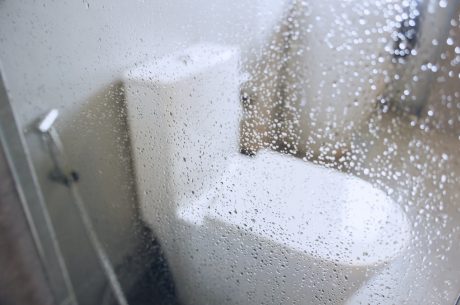
Most people associate mold with the humid days of July, but winter is actually a peak time for indoor fungal growth. When warm, moist indoor air hits a cold surface like a window pane or an uninsulated exterior wall, it turns into liquid water.
Does mold grow in the winter in Wisconsin? Yes, mold grows indoors during Wisconsin winters because homes are tightly sealed, trapping moisture from cooking, showering, and breathing. This moisture condenses on cold surfaces, providing the damp environment mold requires to colonize drywall, wood, and upholstery in as little as 24 to 48 hours.
According to the EPA, moisture control is the absolute key to mold control. In our region, internal humidity often spikes because we use humidifiers to combat dry skin, unintentionally creating a breeding ground for spores.
Step 1: Master the Art of Humidity Control
The first line of defense in avoiding the need for Mold Remediation Services in WI is managing your indoor “dew point.”
What is the ideal indoor humidity for a Wisconsin winter? To prevent mold growth and window condensation, you should keep your indoor humidity between 30% and 50%. If you see water droplets forming on your windows, your humidity is too high. Using a simple tool called a hygrometer can help you monitor these levels in real-time.
Step 2: Ensure Proper Ventilation in “Wet” Zones
Kitchens and bathrooms are the primary sources of moisture in any home. During the winter, we often keep the exhaust fans off to save heat, but this is a mistake.
How long should I run my bathroom fan in the winter? You should run your bathroom exhaust fan during your shower and for at least 20 minutes afterward. This ensures that the steam is vented outside rather than settling on your ceiling or seeping into the attic where it can cause hidden wood rot.
Step 3: Prevent Ice Dams and Attic Moisture
For many Burlington residents, the most dangerous mold isn’t in the living room, it’s in the attic. Ice dams occur when heat leaks from your house into the attic, melting the snow on the roof.
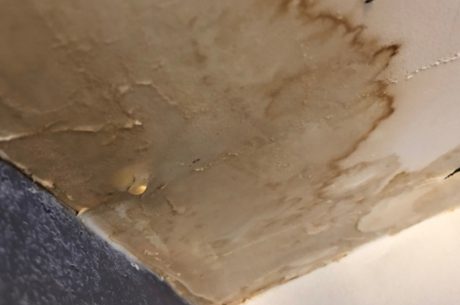
Can ice dams cause indoor mold growth? Yes. When an ice dam forms, water backs up under the shingles and leaks into your wall cavities and ceiling. This creates hidden dampness that leads to severe mold outbreaks that often go unnoticed until the smell becomes overwhelming, requiring professional Mold Remediation Services in WI to fix.
Step 4: Keep the Air Moving
Stagnant air is mold’s best friend. In the winter, we often push furniture directly against exterior walls, creating “cold pockets” where air cannot circulate.
Why does mold grow behind furniture on exterior walls? Exterior walls are significantly colder than interior walls. When furniture blocks airflow, the wall stays cold and traps moisture behind it. To prevent this, pull your couches and dressers at least two to three inches away from the wall to allow warm air to reach the surface.
Step 5: Inspect Windows and Doors for Leaks
Condensation on windows is a warning sign. If that moisture drips onto wooden sills or behind the trim, you will likely need Mold Remediation Services in WI by springtime.
How do I stop window condensation from causing mold? Wipe down moisture on windows daily with a dry cloth. Check the caulking and weatherstripping around your frames; if cold air is leaking in, it will make the glass even colder, increasing the amount of water that collects there.
Step 6: Address Sump Pump and Basement Issues
Even in the winter, the ground can thaw during a “January Thaw,” leading to basement dampness.
Should I run a dehumidifier in my basement during winter? If your basement feels damp or smells musty, yes. Even though the rest of the house might feel dry, basements often retain moisture from the surrounding soil. Keeping a dehumidifier set to 45% can prevent spores from taking hold in stored boxes or carpeting.
Step 7: Know When to Call the Professionals
Sometimes, despite your best efforts, mold finds a way. If you discover a patch of mold larger than 10 square feet (about a 3×3 foot area), the CDC recommends calling in experts.
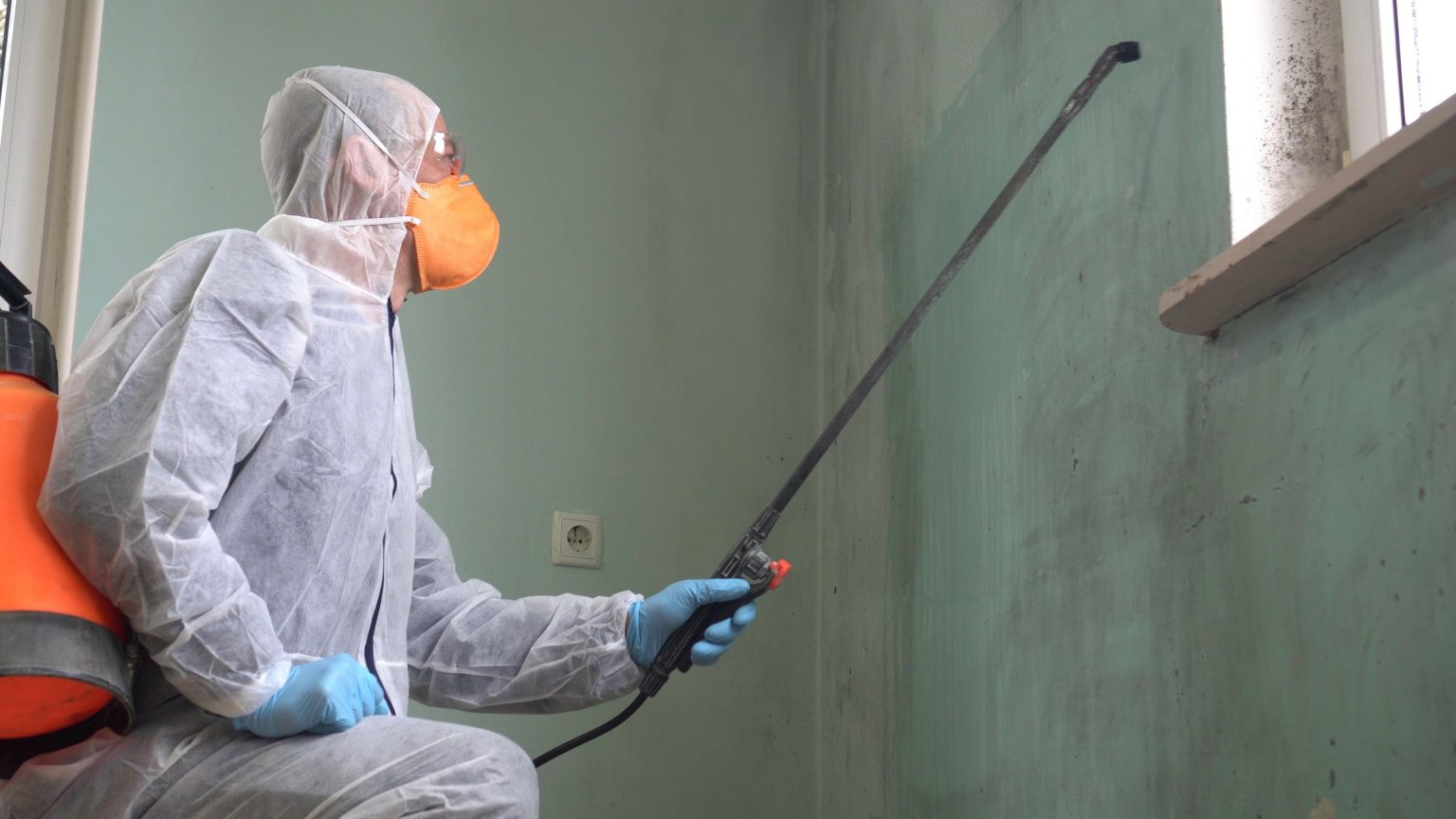
What does a professional mold remediation process look like? Professional Mold Remediation Services in WI involve setting up negative air pressure containment to prevent spores from spreading, using HEPA vacuums to remove surface growth, and applying antimicrobial treatments to kill the roots of the mold within porous materials.
Frequently Asked Questions (FAQs)
Q: Is “Black Mold” more dangerous than other types? A: While “toxic black mold” (Stachybotrys) gets the most headlines, all molds can cause respiratory issues, especially for those with asthma or allergies. Any mold in your home should be treated as a health risk.
Q: Can I just use bleach to kill the mold? A: Bleach is ineffective on porous surfaces like drywall because it doesn’t reach the “roots.” Professional Mold Remediation Services in WI use specialized surfactants that penetrate the material to ensure the mold doesn’t grow back.
Q: Will my insurance cover mold remediation? A: Generally, insurance covers mold if it resulted from a “covered peril” like a sudden pipe burst. It typically does not cover mold caused by long-term humidity issues or lack of maintenance.
Conclusion
In conclusion, avoiding the need for Mold Remediation Services in WI during the winter comes down to moisture management. By keeping your humidity low, ensuring your attic is well-ventilated to prevent ice dams, and keeping furniture away from exterior walls, you can keep your home dry and healthy. Remember, mold is a symptom of a water problem; solve the water, and you solve the mold.
Choose PuroClean of Burlington for a Healthy Home
If you have discovered mold in your home, don’t wait for the weather to warm up. PuroClean of Burlington provides the most thorough Mold Remediation Services in WI. Our IICRC-certified team uses advanced “moisture mapping” to find the source of the dampness and professional-grade HEPA filtration to scrub your air clean. We serve Burlington, Waterford, Rochester, and all surrounding areas with the care and urgency you deserve.
PuroClean of Burlington 📞 Call Now: (262) 342-2226 🕒 Available 24/7 — Because disasters don’t wait.
🔗 Quick Links: Instagram | Google Reviews & Directions | Facebook
 PuroClean of Burlington