 PuroClean of Burlington
Table of Contents
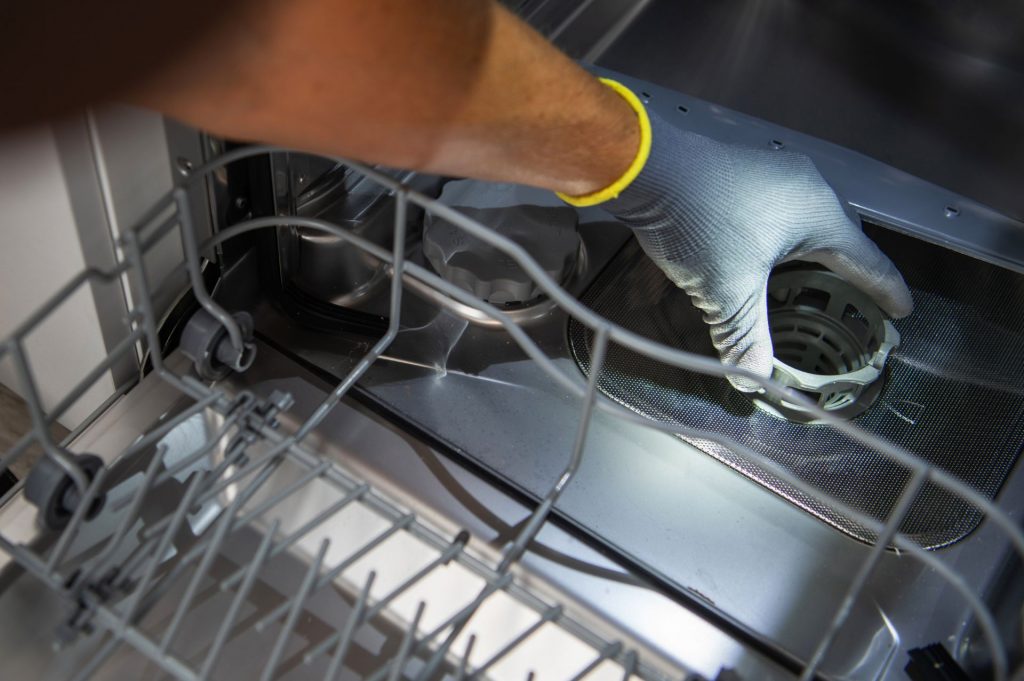
Dishwasher grease buildup occurs when food grease, cooking oils, and fat residue accumulate inside your dishwasher faster than the cleaning cycle removes them. The result is a greasy film inside your machine, dishes that come out still greasy, and eventually a dishwasher that stops cleaning effectively. For Burlington homeowners, hard water compounds the problem by combining mineral deposits with grease to form a stubborn coating that resists normal washing cycles. The solution requires a systematic cleaning approach targeting the filter, spray arms, door gasket, interior walls, and drain, followed by consistent monthly maintenance to prevent buildup from returning.
You pull your dishes out of the dishwasher, and they feel greasy. Or you open the door mid-cycle and catch a whiff of old grease. Maybe you noticed a white-brown film coating the interior walls or a slimy buildup around the door gasket. Whatever tipped you off, dishwasher grease buildup is the culprit, and it gets worse every cycle you run without addressing it.
For homeowners in Burlington, Kenosha, Racine, and throughout southeastern Wisconsin, this problem shows up more frequently than you might expect. The region’s hard water creates mineral deposits that bond with grease, creating a coating that standard dishwasher cycles cannot fully remove. The good news is that dishwasher grease buildup is entirely fixable with the right approach.
This guide walks you through exactly what causes dishwasher grease buildup, a complete step-by-step cleaning process, and the monthly maintenance routine that prevents it from coming back.
What Causes Dishwasher Grease Buildup?
Short answer: Dishwasher grease buildup accumulates when cooking fats, oils, and food residue are not fully emulsified during wash cycles. Contributing factors include low water temperature, insufficient detergent, clogged filters, hard water mineral deposits, overloaded machines, and infrequent cleaning. Each cycle that fails to fully remove grease deposits adds another layer until buildup affects cleaning performance.
Understanding the root causes helps you fix the problem properly rather than just masking it temporarily.
Low Water Temperature
Grease dissolves in hot water but solidifies in cold water. Your dishwasher needs water at 120 to 150 degrees Fahrenheit to properly emulsify cooking fats. If your water heater is set too low, or if your dishwasher fills before water heats up properly, grease passes through the cycle partially dissolved, then re-deposits on interior surfaces and dishes as water cools.
Run your kitchen faucet for 30 seconds before starting your dishwasher. This purges cold water from supply lines and ensures your machine fills with already-hot water from the first moment of the cycle.
Clogged or Dirty Filter
The dishwasher filter catches food particles before they recirculate through the system. When the filter becomes clogged with food debris and grease, water cannot drain properly. Instead, dirty, grease-laden water recirculates through the machine, redepositing grease on every surface with each cycle. Most homeowners never clean their filter, allowing dishwasher grease buildup to worsen every single wash cycle.
Hard Water Mineral Deposits
Burlington and surrounding Wisconsin communities have notoriously hard water. Hard water contains high concentrations of calcium and magnesium minerals that leave white chalky deposits on surfaces. These mineral deposits act like Velcro for grease molecules, creating a combined mineral-grease coating that is significantly harder to remove than either substance alone.
Insufficient or Wrong Detergent
Using too little detergent, old detergent that has lost potency, or detergent not formulated for your water hardness level reduces cleaning effectiveness. Detergent pods and tablets often perform better than powder in hard water areas because they contain precise amounts of surfactants that break down grease.
Overloading the Dishwasher
When dishes are packed too tightly, the spray arms cannot distribute water evenly. Areas that receive reduced water flow accumulate dishwasher grease buildup faster because detergent-rich water never reaches them during the cycle.
Infrequent Use or Short Cycles
Running short or economy cycles leaves insufficient time for the detergent to fully break down the grease. Dishwashers used infrequently allow grease to dry and harden between cycles, making each successive wash less effective.
How Dishwasher Grease Buildup Affects Your Home
Short answer: Beyond leaving dishes greasy, dishwasher grease buildup reduces cleaning efficiency, causes unpleasant odors, shortens appliance lifespan, creates drainage problems, and can lead to water leaks if gaskets become compromised by grease accumulation. Addressing dishwasher grease buildup promptly protects both your dishes and your appliance investment.
Most homeowners only notice dishwasher grease buildup when dishes come out greasy. But the problem goes deeper:
Reduced cleaning performance: Clogged spray arms and filters mean less water pressure and coverage. Your dishwasher works harder while cleaning less effectively.
Persistent odors: Old grease trapped in filters, gaskets, and drains develops rancid smells that transfer to dishes and fill your kitchen every time you run a cycle.
Shortened appliance lifespan: Grease buildup forces motors and pumps to work harder, increasing wear and potentially causing premature failure of expensive components.
Drainage problems: Grease accumulating in drain lines can partially block drainage, causing standing water to remain in your dishwasher after cycles complete.
Gasket damage: Grease softens and degrades rubber door gaskets over time, potentially causing leaks that damage your kitchen floor and cabinets.
Complete Step-by-Step Dishwasher Grease Buildup Cleaning Guide
Short answer: Clean dishwasher grease buildup in eight steps: remove and clean the filter, clear spray arm holes, wipe the door gasket, clean interior walls with degreaser, run a hot vinegar cycle, follow with a baking soda cycle, clean the exterior, then inspect the drain area. This complete process takes about 90 minutes and should be performed monthly for homes with regular grease cooking.
Gather your supplies before starting:
- White distilled vinegar (2 cups)
- Baking soda (1 cup)
- Dish soap (grease-cutting formula)
- Old toothbrush
- Microfiber cloths
- Toothpick or small wire brush
- Rubber gloves
- Spray bottle
- Commercial dishwasher cleaner (optional but recommended for heavy buildup)
Step 1: Remove and Clean the Filter (15 minutes)
The filter is the most important component to clean when addressing dishwasher grease buildup. Locate your filter at the bottom of the dishwasher interior, typically under the lower spray arm.
Most modern filters twist counterclockwise to remove. Pull out both the cylindrical mesh filter and the flat filter beneath it. Take them to your kitchen sink and rinse under hot running water. For dishwasher grease buildup on filters, scrub with an old toothbrush and dish soap, working in circular motions to clear grease from mesh openings. Rinse until the water runs completely clear.
Do not replace the filter until you complete all cleaning steps.
Step 2: Clear the Spray Arms (10 minutes)
Remove upper and lower spray arms by unscrewing the center nut or pulling them straight up, depending on your model. Hold each arm over the sink and shake out any debris. Use a toothpick to clear individual spray holes that are blocked with dishwasher grease buildup or mineral deposits.
Soak spray arms in a bowl of hot water mixed with a few drops of dish soap for 10 minutes, then scrub with your toothbrush, paying particular attention to the holes where water sprays through.
Step 3: Clean the Door Gasket (10 minutes)
The rubber gasket around your door accumulates some of the worst dishwasher grease buildup because it sits outside the spray zone during cycles. Mix equal parts white vinegar and water in your spray bottle. Spray the gasket thoroughly and let it sit for 5 minutes.
Using your toothbrush, scrub along the entire gasket, paying close attention to the folds where grease hides. Wipe clean with a microfiber cloth. For heavy grease buildup in the gasket folds, apply undiluted dish soap and scrub before wiping.
Step 4: Degrease the Interior Walls and Racks (15 minutes)
Mix a solution of hot water and several squirts of grease-cutting dish soap. Wipe down all interior walls, the door interior, and both racks using a microfiber cloth soaked in the solution. For heavy dishwasher grease buildup on walls, spray with undiluted white vinegar and let it sit for 10 minutes before wiping.
Pay special attention to the bottom interior where water pools, the corners, and around heating elements, where grease bakes on during drying cycles.
Step 5: Run a Hot Vinegar Cycle (45 minutes)
Reassemble the filter and spray arms. Place a dishwasher-safe bowl or measuring cup filled with 2 cups of white vinegar on the bottom rack. Do not add detergent. Run the hottest, longest cycle available on your dishwasher.
The vinegar dissolves mineral deposits that bond grease to surfaces and helps break down remaining dishwasher grease buildup on interior surfaces throughout the machine, including areas you cannot manually reach.
Step 6: Follow with a Baking Soda Cycle (30 minutes)
After the vinegar cycle completes, sprinkle 1 cup of baking soda across the bottom of the dishwasher. Run a short hot water cycle without detergent.
Baking soda neutralizes any remaining vinegar acidity, deodorizes the interior, absorbs residual grease odors, and leaves a clean, fresh interior. This two-cycle approach provides the most thorough removal of dishwasher grease buildup available without commercial chemicals.
Step 7: Address the Drain Area (10 minutes)
Check the drain area at the bottom of the machine for accumulated debris, standing water, or visible grease. Use a cloth to wipe the drain area clean. If your dishwasher has a visible drain basket, remove and rinse it.
For heavy dishwasher grease buildup in the drain, pour a mixture of baking soda and vinegar directly into the drain opening and let it fizz for 5 minutes before running a rinse cycle.
Step 8: Run a Cycle with Commercial Dishwasher Cleaner (optional)
For severe dishwasher grease buildup that regular cleaning does not fully resolve, commercial dishwasher cleaners formulated with surfactants and degreasers provide additional cleaning power. Products like Affresh, Finish Dishwasher Cleaner, or Cascade Dishwasher Cleaner are effective for heavily soiled machines.
Follow product instructions, typically placing the cleaner in the detergent dispenser or directly in the machine and running a full hot cycle.
How Burlington’s Hard Water Makes Dishwasher Grease Buildup Worse
Short answer: Burlington’s hard water contains high concentrations of calcium and magnesium that leave mineral scale deposits inside dishwashers. These deposits roughen interior surfaces, giving grease more surface area to cling to, reducing detergent effectiveness by neutralizing surfactants, and combine with grease to form a stubborn mineral-grease coating significantly harder to remove than either substance independently.
Burlington’s water hardness typically measures between 15 and 25 grains per gallon, classified as very hard. This level of mineral content creates specific challenges for dishwasher maintenance:
Reduced detergent effectiveness: Hard water minerals react with detergent surfactants, reducing their ability to break down grease. You need more detergent in hard water areas to achieve the same cleaning power.
White film on dishes: Mineral deposits often appear as a white chalky film on dishes, glasses, and interior surfaces. When grease mixes with this mineral film, you get the combined greasy-cloudy appearance that Burlington homeowners frequently report.
Solutions for hard water: Use a rinse aid consistently, as it helps water sheet off surfaces without leaving mineral deposits. Add a water softener tablet to each dishwasher cycle or consider installing a whole-home water softener to address the root cause.
Monthly Maintenance Routine to Prevent Dishwasher Grease Buildup
Short answer: Prevent dishwasher grease buildup with monthly filter cleaning, weekly spray arm checks, consistent rinse aid use, proper loading technique, running a hot vinegar cycle monthly, using adequate detergent for your water hardness, and pre-rinsing excessively greasy items before loading.
The best time to deal with dishwasher grease buildup is before it becomes a problem:
Weekly tasks: Wipe down the door gasket with a damp cloth. Check spray arm holes are clear. Empty and rinse the filter if you cook greasy foods frequently.
Monthly tasks: Complete filter deep clean. Run a vinegar cycle followed by a baking soda cycle. Wipe all interior walls and clean the door gasket thoroughly.
Every wash cycle habits:
- Scrape plates before loading, but avoid pre-rinsing everything as modern detergents need some food residue to work effectively
- Avoid pre-rinsing greasy pans completely, as the detergent needs something to grab onto
- Use the hottest cycle appropriate for your load
- Always use rinse aid, especially in hard water areas
- Load dishes with space between them to allow full water coverage
- Run the kitchen faucet until hot before starting the machine
When Dishwasher Grease Buildup Signals a Bigger Problem
Short answer: If cleaning does not resolve dishwasher grease buildup after two complete cleaning cycles, the problem may indicate failing heating elements that do not reach proper water temperature, worn spray arm bearings reducing water pressure, damaged pump impellers, or drain line blockages requiring professional appliance repair.
Sometimes dishwasher grease buildup is a symptom of mechanical failure rather than just maintenance neglect:
Heating element failure: If your dishwasher does not heat water to the proper temperature, the grease never fully dissolves. Test by running a cycle and checking whether dishes are hot and steamy when you open the door at the cycle end.
Spray arm bearing wear: Worn bearings reduce spray arm rotation speed and water pressure, leaving areas of every load inadequately washed.
Pump failure: A failing circulation pump reduces water pressure throughout the machine, allowing grease to persist through cycles.
If multiple cleaning cycles following this guide do not resolve your dishwasher grease buildup, contact an appliance repair professional to assess mechanical components.
Connection Between Dishwasher Problems and Water Damage
Persistent dishwasher grease buildup, leading to drain blockages or gasket deterioration, can eventually cause water leaks. Dishwasher leaks damage kitchen flooring, subflooring, and cabinetry, sometimes creating hidden moisture problems that lead to mold growth behind cabinets or under floors.
If your dishwasher has leaked, even briefly, a professional water damage assessment ensures hidden moisture has not created mold conditions in your kitchen. PuroClean of Burlington provides professional water damage inspection for Burlington homeowners dealing with appliance-related leaks.
FAQs: Dishwasher Grease Buildup
Why do my dishes feel greasy after the dishwasher?
Greasy dishes after the dishwasher indicate the machine is not reaching proper water temperature, the filter is clogged, the detergent dosage is insufficient, or accumulated dishwasher grease buildup is contaminating each wash cycle. Follow the cleaning guide above, then check the water heater temperature settings.
How often should I clean my dishwasher filter?
Monthly at a minimum for average use. If you cook greasy foods frequently or run your dishwasher daily, clean the filter every two weeks. A clogged filter is the single biggest cause of dishwasher grease buildup and poor cleaning performance.
Can I use dish soap to clean inside my dishwasher?
Use dish soap only for manual scrubbing during cleaning. Never add dish soap to a running dishwasher cycle, as it creates excessive suds that can damage the machine and cause flooding.
Does vinegar damage dishwasher components?
White distilled vinegar used monthly is safe for dishwasher components. Avoid using vinegar daily, as prolonged exposure can degrade rubber gaskets over time. Monthly use as described in this guide is effective and safe.
What is the white film inside my dishwasher?
White film is mineral scale from hard water, often combined with dishwasher grease buildup. The vinegar cleaning cycle dissolves mineral deposits effectively. Consistent rinse aid use prevents mineral film from forming between cleaning sessions.
Why does my dishwasher smell like grease?
Grease smell indicates accumulated dishwasher grease buildup in the filter, gasket, drain, or interior walls, producing rancid odors as old grease deteriorates. Complete the full cleaning guide above, paying particular attention to filter and gasket cleaning.
PuroClean of Burlington: When Dishwasher Problems Become Water Damage Problems
When dishwasher grease buildup leads to leaks, flooding, or hidden moisture problems in your Burlington kitchen, professional water damage assessment and restoration becomes necessary.
PuroClean of Burlington is a veteran-owned, IICRC-certified restoration company serving Burlington, Kenosha, Racine, and southeastern Wisconsin homeowners with professional water damage restoration services.
We Help Burlington Homeowners With:
- Kitchen appliance leak water damage assessment
- Hidden moisture detection using thermal imaging
- Water extraction and structural drying
- Mold inspection and remediation after appliance leaks
- Subfloor and cabinet restoration after dishwasher flooding
- Complete documentation for insurance claims
If your dishwasher has leaked and you are concerned about hidden water damage or mold growth behind cabinets or under flooring, call PuroClean of Burlington for a professional assessment.
Dishwasher Leak Causing Water Damage? Call Us Now.
PuroClean of Burlington: Water Damage Restoration
(262) 342-2226
24/7 Emergency Service
Serving Burlington, Kenosha, Racine & Southeastern Wisconsin
Summary: Beating Dishwasher Grease Buildup for Good
Dishwasher grease buildup is one of the most common and easily preventable appliance maintenance problems that Burlington homeowners face. It develops when grease accumulates faster than cleaning cycles remove it, compounded by hard water mineral deposits that give grease extra surface area to cling to.
The complete eight-step cleaning process covering filter, spray arms, gasket, interior walls, and drain, combined with hot vinegar and baking soda cycles, restores most dishwashers to full cleaning performance. Monthly maintenance following the routine outlined in this guide prevents dishwasher grease buildup from returning.
If mechanical failure is contributing to your grease buildup problem, professional appliance repair addresses the root cause. And if dishwasher leaks have created water damage in your kitchen, PuroClean of Burlington provides the professional restoration services that Burlington homeowners depend on. Call PuroClean of Burlington at for professional help with any water damage resulting from appliance issues throughout Burlington, Kenosha, Racine, and surrounding Wisconsin communities.
PuroClean of Burlington 📞 Call Now: (262) 342-2226 🕒 Available 24/7 — Because disasters don’t wait.
🔗 Quick Links: Instagram | Google Reviews & Directions | Facebook | Pinterest


 PuroClean of Burlington