


Table of Contents
How long does a landlord have to fix something in Wisconsin? Wisconsin law does not specify exact timeframes but requires landlords to make repairs within a “reasonable time” based on the severity and urgency of the problem. Emergency issues affecting health and safety, like no heat in winter, no water, sewage backups, or gas leaks, require immediate response within 24 hours. Serious habitability problems like mold, major water leaks, or broken locks typically require a response within 3 to 7 days.
Non-emergency repairs, like minor cosmetic issues, may take 14 to 30 days. Under Wisconsin Statutes Chapter 704 and Administrative Code ATCP 134, landlords must maintain rental units in safe, habitable condition. If landlords fail to respond within reasonable timeframes after written notice, tenants have legal remedies, including repair and deduct, rent withholding, lease termination, or filing complaints with DATCP.
Your heat stops working in January. Or maybe you discover mold spreading across your bathroom ceiling. Perhaps your toilet is backing up sewage into your apartment. You notify your landlord and wait. Days pass. A week goes by. Nothing happens.
How long does a landlord have to fix something in Wisconsin? It is one of the most common questions tenants in Burlington, Kenosha, Racine, and throughout Wisconsin ask when facing maintenance problems. The answer matters because it determines your rights, your options, and potentially your safety.
This guide explains exactly what Wisconsin law says about landlord repair response times, how “reasonable time” is determined for different types of problems, your legal rights when landlords fail to act, and the specific remedies available to Wisconsin tenants dealing with unresponsive landlords.
What Wisconsin Law Actually Says About Landlord Repair Response Times

Wisconsin law does not specify exact repair deadlines like “landlords must fix problems within 7 days.” Instead, Wisconsin Statutes Chapter 704 and Administrative Code ATCP 134 require landlords to make repairs within a “reasonable time” that depends on the severity, urgency, and impact of the problem on tenant health and safety.
Understanding how long does a landlord have to fix something in Wisconsin requires understanding this “reasonable time” standard:
The Legal Framework
Wisconsin Statutes § 704.07(2): Requires landlords to “keep the premises in a reasonable state of repair” and “comply with all applicable building and housing codes materially affecting health and safety.”
Wisconsin Administrative Code § ATCP 134.04: Requires landlords to “maintain the rental unit in a safe and habitable condition” and make necessary repairs to keep the premises “fit for human habitation.”
Wisconsin Statutes § 704.07(4): Allows tenants to notify landlords in writing of necessary repairs and provides remedies if landlords fail to act within a reasonable time.
These laws establish the landlord’s duty to repair but leave “reasonable time” flexible based on circumstances.
How “Reasonable Time” is Determined
Courts and the Wisconsin Department of Agriculture, Trade and Consumer Protection (DATCP) consider these factors when determining how long does a landlord have to fix something in Wisconsin:
Severity of the problem: Does it affect health and safety or just convenience?
Impact on habitability: Can the tenant safely occupy the unit while waiting for repairs?
Availability of contractors: Are specialized services required that take time to schedule?
Complexity of repairs: Can fixes be completed quickly, or do they require extensive work?
Season and weather: Heat failures in winter are more urgent than in spring.
Notice timing: How promptly did the tenant notify the landlord?
This means identical problems might have different reasonable response times based on circumstances.
Emergency Repairs: When Landlords Must Respond Within 24 Hours
Emergency repairs affecting immediate health, safety, or habitability require landlord response within 24 hours. Examples include no heat when temperatures are below 55 degrees, complete loss of water, sewage backups, gas leaks, no electricity, broken locks after break-ins, and roof leaks causing active water intrusion. When asking how long does a landlord have to fix something in Wisconsin for emergencies, the answer is immediately.
What Qualifies as an Emergency
No heat in winter: If your heating system fails when outdoor temperatures are below 55 degrees Fahrenheit, this is an emergency requiring immediate response. Wisconsin law specifically requires landlords to provide adequate heat during cold weather.
Complete loss of water: No running water makes a unit uninhabitable. Landlords must restore water service within 24 hours or provide temporary accommodations.
Sewage backups: Raw sewage backing up into your unit creates immediate health hazards requiring emergency response. This is never something landlords can delay.
Gas leaks: Any smell of natural gas or propane requires immediate utility company notification and landlord response to ensure safety.
No electricity: Complete loss of power affecting the entire unit (not just a single outlet) requires immediate landlord attention to restore habitability.
Security threats: Broken exterior doors, broken locks, or shattered windows following break-ins require immediate repair to ensure tenant security.
Roof leaks during storms: Active water intrusion damaging your belongings or creating unsafe conditions requires immediate response to stop water entry.
Landlord Emergency Response Obligations
When you report emergencies, landlords must:
- Acknowledge receipt of your emergency notice immediately
- Begin addressing the problem within 24 hours
- Provide temporary solutions if permanent fixes take longer (portable heaters, temporary accommodations, etc.)
- Keep you informed of repair progress and expected completion
- Complete repairs as quickly as possible, typically within 48 to 72 hours
If landlords fail to respond to genuine emergencies within 24 hours, tenants may have the right to arrange emergency repairs themselves and deduct costs from rent, or in extreme cases, treat the unit as uninhabitable and break the lease.
Serious Habitability Issues: 3 to 7 Day Response Window
Short answer: Serious problems that materially affect habitability but are not immediate emergencies typically require landlord response within 3 to 7 days. Examples include significant water leaks, mold growth, non-functional appliances included in the lease, major plumbing issues, pest infestations, and broken smoke detectors. This represents the standard answer to how long does a landlord have to fix something in Wisconsin for most significant maintenance issues.
Common Serious Issues and Expected Response Times
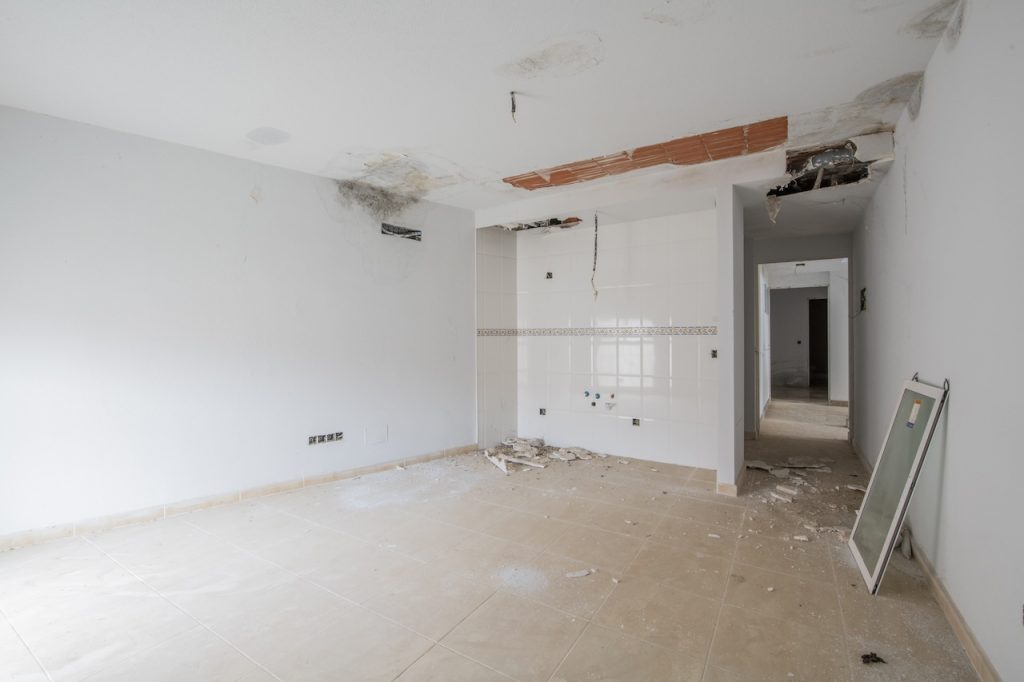
Mold growth: Visible mold affecting indoor air quality requires a response within 5 to 7 days. Landlords must investigate the moisture source and begin remediation promptly. Learn more about professional mold removal and remediation available in Burlington.
Significant water leaks: Leaking pipes, water heater failures, or roof leaks that are not active emergencies but cause ongoing damage require response within 3 to 5 days.
Non-functional appliances: If your lease includes appliances like refrigerators, stoves, or dishwashers, landlords must repair or replace them within 5 to 7 days of notice.
Major plumbing problems: Toilets that will not flush, sinks that will not drain, or bathtubs with standing water require response within 3 to 5 days.
Pest infestations: Significant rodent or insect infestations affecting habitability require landlord action within 5 to 7 days, though complete resolution may take longer.
Broken smoke or carbon monoxide detectors: These life safety devices require replacement within 3 to 5 days maximum.
HVAC failures outside winter: Air conditioning failures in summer or heating issues when temperatures are above 55 degrees allow slightly longer response than emergency situations, but still require attention within 5 to 7 days.
What Constitutes “Response”
Landlords do not necessarily have to complete all repairs within 3 to 7 days, but they must:
- Acknowledge your written notice
- Inspect the problem
- Schedule repairs with appropriate contractors
- Begin work within the timeframe
- Communicate expected completion dates
- Make progress toward resolution
For complex issues requiring specialized contractors or extensive work, beginning the repair process within 3 to 7 days satisfies the reasonable time requirement even if completion takes longer.
Non-Emergency Repairs: 14 to 30 Day Window
Short answer: Non-emergency maintenance issues that do not materially affect habitability may allow landlords 14 to 30 days to complete repairs. Examples include minor plumbing drips, cosmetic damage, non-essential appliance repairs, weatherstripping, and minor door or window issues. When asking how long does a landlord have to fix something in Wisconsin for minor issues, the answer allows more flexibility.
What Qualifies as Non-Emergency
Minor leaks: Slow drips that do not cause immediate damage or mold growth are not emergencies.
Cosmetic issues: Chipped paint, small wall damage, worn flooring, or cosmetic deterioration not affecting safety or security.
Minor appliance issues: Dishwasher not cleaning perfectly, oven temperature slightly off, or similar minor functional issues.
Weatherstripping and drafts: While these affect energy efficiency, they typically do not rise to habitability concerns requiring urgent response.
Squeaky doors or loose handles: Minor annoyances that do not affect security or safety.
Landscaping or exterior maintenance: Unless creating safety hazards, these allow extended timelines.
Reasonable Expectations
Even for non-emergency issues, landlords must:
- Respond to written notice within a reasonable time
- Schedule repairs appropriately
- Complete work within 30 days of notice
- Not unreasonably delay repairs affecting tenant comfort
If non-emergency repairs take longer than 30 days without good reason or communication, tenants may have grounds to pursue remedies.
How to Properly Notify Your Wisconsin Landlord About Repairs
Always provide written notice via email and certified mail documenting the problem, the date you first noticed it, how it affects your use of the property, and requesting prompt repair. Keep copies of all communications. Proper written notice is essential to establishing the timeline for how long does a landlord have to fix something in Wisconsin and protecting your legal rights.
The Importance of Written Notice
Wisconsin law requires tenants to notify landlords of repair needs. Verbal complaints are insufficient for legal purposes. Proper written notice:
- Establishes the date landlords became aware of problems
- Starts the “reasonable time” clock for response
- Creates documentation for potential legal action
- Proves you fulfilled your tenant obligations
What to Include in Repair Requests
Specific problem description: “The bathroom ceiling has black mold growth covering approximately 6 square feet” is better than “there’s mold in the bathroom.”
Impact on habitability: Explain how the problem affects your health, safety, or ability to use the unit as intended.
Request for prompt repair: “I request that you arrange for professional mold remediation within 7 days as required by Wisconsin law.”
Photos if applicable: Attach photos documenting the problem’s extent and severity.
Previous communications: Reference any prior verbal conversations about the issue.
How to Send Repair Requests
Email: Send to the landlord’s official contact email. This provides immediate delivery proof and a timestamp.
Certified mail with return receipt: Follow up your email with a letter sent by certified mail. This creates undeniable proof that the landlord received notice.
Keep copies: Maintain copies of all communications, photos, receipts, and delivery confirmations.
Document everything: Note dates of all phone calls, conversations, and any landlord responses or lack thereof.
What to Do When Your Wisconsin Landlord Fails to Respond
Short answer: If landlords do not respond within a reasonable time after proper written notice, Wisconsin tenants can file DATCP complaints, request building inspections, potentially use repair and deduct remedies, withhold rent following proper procedures, or break leases for uninhabitable conditions. Understanding how long does a landlord have to fix something in Wisconsin is pointless without knowing your remedies when deadlines pass.
File a DATCP Complaint
The Wisconsin Department of Agriculture, Trade and Consumer Protection handles landlord-tenant disputes:
How to file: Call 800-422-7128 or file online at datcp.wi.gov
What DATCP does: Investigates complaints, mediates disputes, and can order landlords to make repairs or face penalties.
No cost: DATCP services are free and do not require a lawyer.
Timeline: Complaints typically receive response within 2 to 4 weeks.
This is often the most effective first step and resolves many disputes without legal action.
Request a Building Inspection
Contact your local building inspector or health department requesting inspection of your rental unit:
What inspectors do: Conduct official inspections, document code violations, and issue orders requiring landlords to make repairs.
Legal weight: Official inspection reports and violation notices strengthen your position if disputes escalate to court.
Enforcement: Continued failure to comply with inspector orders can result in fines or legal action against landlords.
Repair and Deduct (Use with Caution)
Wisconsin law allows tenants to arrange necessary repairs and deduct costs from rent in limited circumstances:
Requirements:
- The landlord received proper written notice
- A reasonable time passed without a response
- Repairs are necessary for habitability
- Cost is reasonable
- You followed proper procedures
Limitations:
- Courts must determine reasonableness if disputed
- You assume risk if courts later decide repairs were not necessary
- Not appropriate for expensive or complex repairs
Recommendation: Consult with a lawyer before using this remedy. Legal Action of Wisconsin (legalaction.org) and Judicare (judicare.org) provide free legal services for eligible tenants.
Withholding Rent (High Risk)
Wisconsin law allows rent withholding when conditions materially affect habitability:
Extreme caution required: Improper rent withholding can result in eviction. You must prove conditions were genuinely uninhabitable.
Proper procedure:
- Send a detailed written notice to landlord
- Give the landlord a reasonable time to respond
- Document conditions thoroughly with photos and inspection reports
- Set aside withheld rent in a separate account (do not spend it)
- Be prepared to pay rent to the court if the landlord sues for eviction
Legal advice essential: Never withhold rent without consulting a lawyer. The risks of eviction and damaged rental history are substantial.
Breaking the Lease
If conditions become truly uninhabitable and landlords refuse to repair after reasonable notice, Wisconsin law may allow lease termination without penalty:
Requirements:
- Conditions must materially affect habitability
- You provided proper written notice
- The landlord failed to repair within a reasonable time
- You can prove that conditions made the unit uninhabitable
Process:
- Send a formal written notice stating the intent to vacate due to habitability issues
- Move out within a reasonable time
- Document all conditions extensively
- Be prepared to defend your decision if the landlord disputes
Specific Situations: Common Wisconsin Rental Repair Issues
Short answer: Different problems have different reasonable response expectations. Heating failures in winter require immediate response. Mold problems require action within 5 to 7 days. Water damage requires immediate response to stop water, followed by professional drying within 24 to 48 hours. Plumbing emergencies require a 24-hour response. Understanding how long does a landlord have to fix something in Wisconsin means knowing these situation-specific expectations.
Mold Problems
Mold affecting indoor air quality or visible on walls and ceilings requires:
- Landlord acknowledgment within 48 hours
- Professional inspection within 5 to 7 days
- Remediation plan within 2 weeks
- Completion of remediation within 30 days depending on extent
Landlords cannot ignore mold complaints. Wisconsin courts have held that mold affecting habitability requires prompt attention.
Water Damage
Water damage from leaks, floods, or plumbing failures requires:
- Immediate response to stop the water source (within hours)
- Water extraction begins within 24 hours
- Professional structural drying within 48 hours
- Complete drying within 3 to 5 days
- Repairs and restoration within 2 to 4 weeks
Delays in water damage response lead to mold growth, making quick action essential.
Heating System Failures
Heat failures require a different response based on temperature:
- Below 55 degrees outdoor temperature: Emergency, immediate response required
- 55 to 65 degrees: Response within 24 to 48 hours
- Above 65 degrees: Response within 5 to 7 days
Wisconsin law specifically recognizes adequate heat as essential to habitability during cold weather.
Plumbing Emergencies
Plumbing issues have varying urgency:
- Sewage backups: Immediate emergency response
- No water service: 24-hour response
- Toilet not flushing: 24 to 48 hour response
- Slow drains or minor leaks: 5 to 7 day response
FAQs: How Long Does a Landlord Have to Fix Something in Wisconsin
Can my landlord take months to fix something?
No. While Wisconsin law allows flexible timelines based on circumstances, months-long delays are never reasonable except for very complex structural repairs requiring permits and specialized contractors. For typical repairs, 30 days is generally the maximum reasonable time.
What if my landlord says they will fix it, but never does?
Repeated broken promises without actual repair attempts exceed a reasonable time. Document all promises and communications. After 30 days of promises without action, pursue DATCP complaints or other legal remedies.
Do I have to let the landlord in to make repairs?
Yes. You must provide reasonable access during normal business hours. Refusing access can prevent landlords from meeting their repair obligations and may affect your legal standing if disputes arise.
Can I withhold rent if my landlord is slow to repair?
Only in extreme circumstances where conditions are truly uninhabitable and you have given proper notice and a reasonable time. Improper rent withholding can result in eviction. Always consult a lawyer before withholding rent.
What if the problem is my fault?
Tenants are responsible for the damages they or their guests cause. Landlords are not obligated to repair tenant-caused damage and may charge repair costs. However, landlords must still make repairs necessary for habitability, even if charging you for them.
Does my lease affect how long landlords have to fix things?
Leases cannot waive your right to habitable housing. Even if your lease says “landlord has 60 days to make repairs,” Wisconsin law requires repairs within a reasonable time regardless of lease language. Illegal lease provisions are unenforceable.
When Rental Property Damage Requires Professional Restoration
Sometimes rental property problems require more than handyman repairs. Water damage, mold growth, sewage backups, and fire damage require professional restoration services to properly restore units to habitable condition.
PuroClean of Burlington provides professional property restoration services for rental properties throughout Burlington, Kenosha, Racine, and southeastern Wisconsin. We work with both landlords and tenants to resolve restoration needs quickly and properly.
Our Services for Rental Properties:
- 24/7 emergency water damage restoration
- Professional mold inspection and remediation
- Fire and smoke damage restoration
- Sewage backup cleanup and sanitization
- Complete structural drying and dehumidification
- Insurance documentation and claim support
- Coordination with property managers and landlords
Whether you are a tenant dealing with an unresponsive landlord or a landlord seeking reliable restoration services, PuroClean of Burlington provides the professional help Wisconsin rental properties need.
Rental Property Water Damage, Mold, or Emergency?
PuroClean of Burlington: Professional Property Restoration
(262) 342-2226
24/7 Emergency Service
Serving Burlington, Kenosha, Racine & Southeastern Wisconsin
Summary: Understanding Wisconsin Landlord Response Times
How long does a landlord have to fix something in Wisconsin depends on the severity and urgency of the problem. Wisconsin law requires repairs within a “reasonable time” rather than specific deadlines. Emergency issues affecting health and safety require a response within 24 hours. Serious habitability problems typically require 3 to 7 days. Non-emergency repairs may take 14 to 30 days.
Proper written notice to landlords is essential to establish timelines and protect tenant rights. When landlords fail to respond within a reasonable time, tenants have remedies, including DATCP complaints, building inspections, repair and deduct, rent withholding (with extreme caution), and potential lease termination for uninhabitable conditions.
Different problems have different reasonable response expectations. Mold requires attention within 5 to 7 days. Water damage requires immediate response. Heating failures in cold weather are emergencies. Understanding these timelines helps tenants know when landlords have exceeded a reasonable response time and when to pursue legal remedies.
For professional restoration services for rental property water damage, mold, or other emergencies in Burlington, Kenosha, or Racine, call PuroClean of Burlington 24/7 emergency response.
PuroClean of Burlington 📞 Call Now: (262) 342-2226 🕒 Available 24/7 — Because disasters don’t wait.
🔗 Quick Links: Instagram | Google Reviews & Directions | Facebook | Pinterest