Water Damage Restoration Service in Kenosha, WI for Homes and Businesses

PuroClean of Burlington — 151 Industrial Dr, Burlington, WI 53105

Serving Kenosha — From Pike Creek to Lake Michigan’s Fourth-Largest City

Kenosha began in June 1835, when a group of settlers from the Western Emigration Company — after being turned away from sites in Milwaukee and Racine — landed at the mouth of a stream the Potawatomi called Kenozia, or “place of the pike.” The settlement took the name Pike Creek, then Southport in 1837 as it grew into an important Great Lakes shipping port, before officially becoming Kenosha when the city charter was approved in 1850. That original Southport name still lives on today as a southeast-side neighborhood, and the 1866 Southport Light Station on Simmons Island — restored in 2013 to its authentic 1908 appearance — still stands watch over the harbor. Kenosha’s identity shifted again in 1902, when Thomas Jeffery began mass-producing Rambler automobiles at his lakefront plant, and again in 1916, when Charles Nash bought the operation and founded Nash Motors, which grew into American Motors Corporation by 1954 and anchored the city’s economy for generations. Today Kenosha is Wisconsin’s fourth-largest city, home to Jockey International’s world headquarters, three Smithsonian-affiliated museums along the lakefront, four National Register historic districts, and a revived electric streetcar system that loops two miles through downtown — a modern echo of the original line that first ran in 1903.

That history at the mouth of the Pike River, on the shore of Lake Michigan, defines Kenosha’s water damage risk today. The Pike River empties into the lake just north of downtown, and the city’s south side has documented flooding history when heavy rain overwhelms storm sewers faster than the water utility’s equalization basin can process it. Lake Michigan’s own water-level cycles bring a separate risk to shoreline properties, from Simmons Island to the bluffs in neighboring Somers, where erosion has made some homes unlivable in recent years. Add a dense mix of century-old housing stock in Kenosha’s historic districts and newer construction throughout the city’s 28 square miles, and Kenosha produces one of the most varied water damage caseloads in our entire service area.

We handle:

  • Pike River overflow and stormwater flooding on Kenosha’s south side
  • Lake Michigan shoreline erosion and bluff-related foundation damage
  • Basement flooding from overwhelmed storm sewers during heavy rain events
  • Sump pump failure throughout Kenosha’s residential neighborhoods
  • Water damage in century-old homes across Kenosha’s historic districts
  • Burst and frozen pipes in older lakefront and downtown properties
  • Storm and wind damage from open Lake Michigan weather exposure
  • Mold growth in crawl spaces and basements after flood events
  • Commercial water damage to businesses along the city’s south side corridors
  • Sewer backups affecting homes throughout Kenosha’s older neighborhoods

How We Reach Kenosha Fast from Our Burlington Base

Kenosha sits about 26 miles east of our Industrial Drive facility, and we make the trip on WI-142, the highway built specifically to connect Burlington and Kenosha. From Burlington we head east on WI-142 through the Town of Paris and past Bristol, continuing to the interchange locals call the “cheese interchange” — where Mars Cheese Castle has marked the junction with I-94/I-41 since 1947 — before heading north into Kenosha proper.

That route puts us on scene in roughly 35 to 40 minutes under normal conditions. For calls on Kenosha’s south side, where storm sewer flooding has historically concentrated near 85th to 60th Streets and the Cooper Road corridor, we come in off I-94 at the appropriate south-side exit. For downtown and lakefront calls near the historic districts, Simmons Island, or the HarborPark area, we continue north through the city on the arterial streets that connect from the interstate.

Because Kenosha is the largest city in our service area, we adjust our approach by neighborhood rather than treating the city as a single destination — a south-side storm sewer backup, a downtown historic district plumbing failure, and a Lake Michigan shoreline erosion issue each call for a different kind of response, and we plan the route and equipment accordingly from the first phone call.

What Drives Water Damage, Mold, and Fire Risk in Kenosha

Kenosha’s risk profile is shaped by two very different bodies of water: the Pike River, which flows through the city on its way to Lake Michigan, and the lake itself, which forms the entire eastern edge of the city. During one documented heavy rain event, more than 4 inches of rain fell in a short window, overwhelming the Kenosha Water Utility’s equalization basin — which was processing nine million gallons of stormwater an hour — and flooding streets and basements between 60th and 85th Streets, with some roads covered by 3 feet of water. Kenosha’s south side, particularly near Cooper Road and 80th Street, has a documented history of taking the hardest hits during these events, and area business owners report flooding roughly once a decade, though individual storms can bring far more water than that average suggests.

Lake Michigan itself drives a separate category of risk for shoreline properties. High lake-level cycles accelerate bluff erosion along Kenosha’s shoreline and in neighboring communities like Somers, where some homes have become unlivable as the bluffs beneath them eroded away. Carthage College, whose campus sits along the lakefront, spent nearly $3.5 million on erosion protection after watching waves erode its shoreline for years — and a January 2020 lakeside storm still managed to flood the basement of the campus’s largest building, destroying heating and cooling equipment. That combination of wave action, elevated groundwater, stormwater runoff, and freeze-thaw cycling is what Great Lakes coastal researchers identify as the core drivers of bluff failure along this stretch of shoreline.

Kenosha’s building stock adds a third dimension. The city’s four National Register historic districts and numerous individually designated landmarks include homes and commercial buildings well over a century old, many built before modern drainage, foundation waterproofing, or electrical standards existed. That older construction requires more careful assessment and often different drying and demolition approaches than the newer residential and commercial construction found throughout the rest of the city’s 28 square miles.

Winter freeze risk follows building age throughout Kenosha: older homes with decades of additions and renovations face elevated burst-pipe risk, while newer construction is more likely to depend on sump systems vulnerable to the same power outages that accompany severe winter and summer storms alike.

PuroClean of Burlington

Owned & Operated by Jennifer Wine

151 Industrial Drive., Burlington, WI, 53105

(262) 342-2226

Commercial and Residential Services We Provide

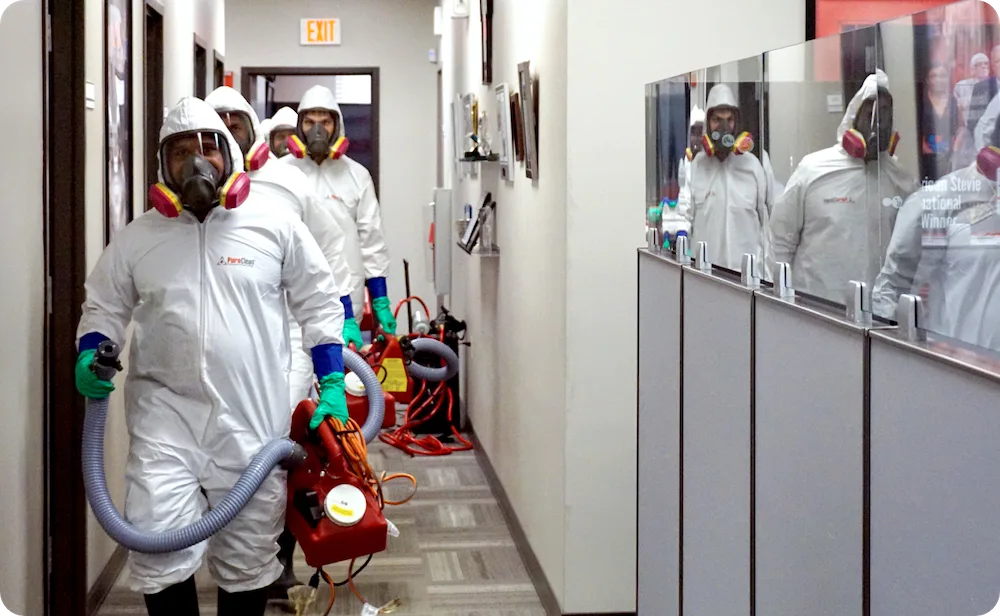
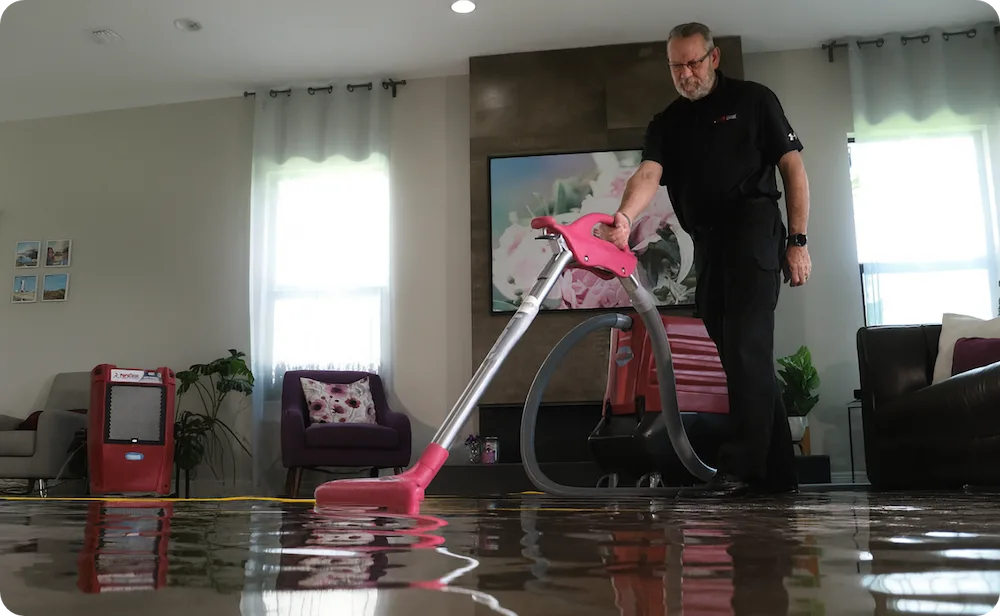
Water damage can result from unexpected leaks, flooding from storms, plumbing failures, or appliance malfunctions. Our certified teams focus on rapid water removal, drying, and stabilization to help prevent further damage and mold growth.

Linking Arrow Explore Our Water Damage Mitigation Services
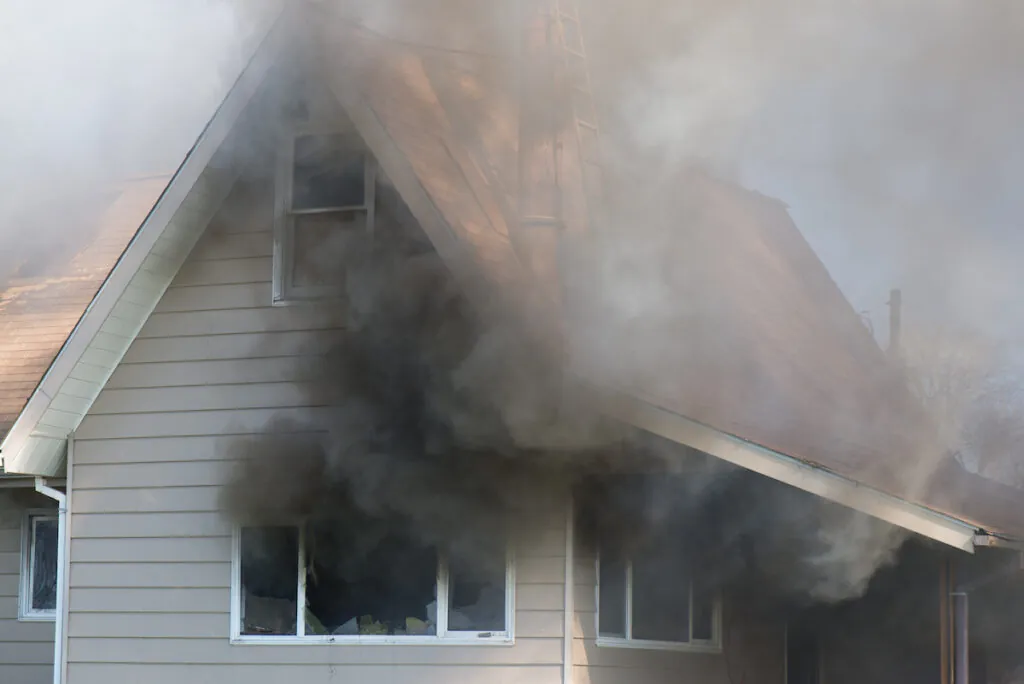
Even after a fire is extinguished, smoke, soot, and odor can continue to affect your home. Fire damage restoration services address visible damage while also helping reduce lingering effects that impact indoor air quality and surfaces.

Linking Arrow Explore Our Fire and Smoke Damage Restoration Services

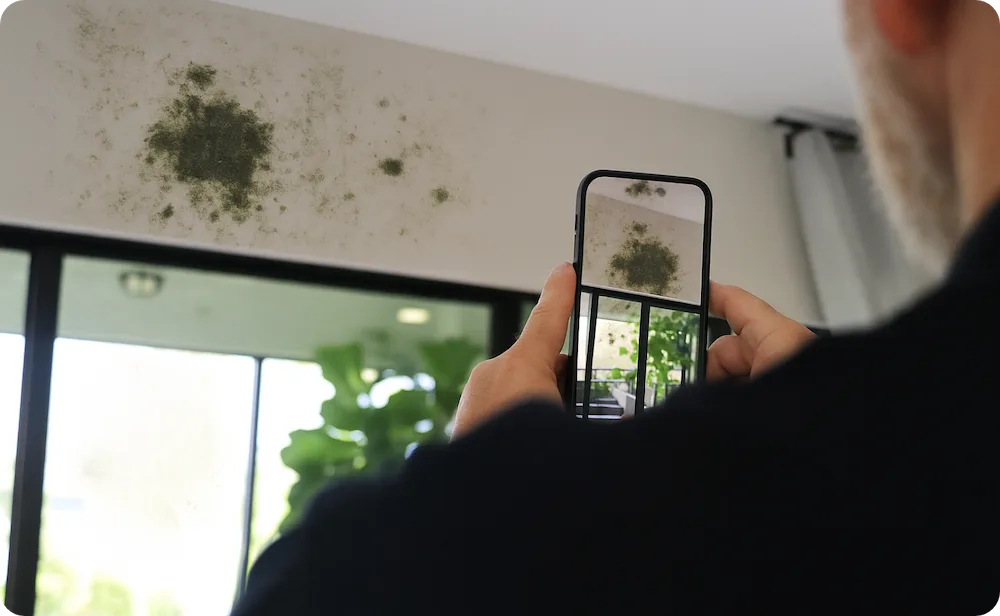
Mold often develops as a result of unresolved moisture or hidden water damage. Professional mold remediation helps identify affected areas, contain growth, and restore healthy indoor conditions.

Linking Arrow Explore Our Mold Removal and Remediation Services

Biohazard situations, including crime scene cleanup and virus decontamination, require specialized cleaning and handling to protect health and safety. Biohazard cleanup services address contamination using proper protocols and professional care.

Linking Arrow Explore Our Biohazard Cleanup Services

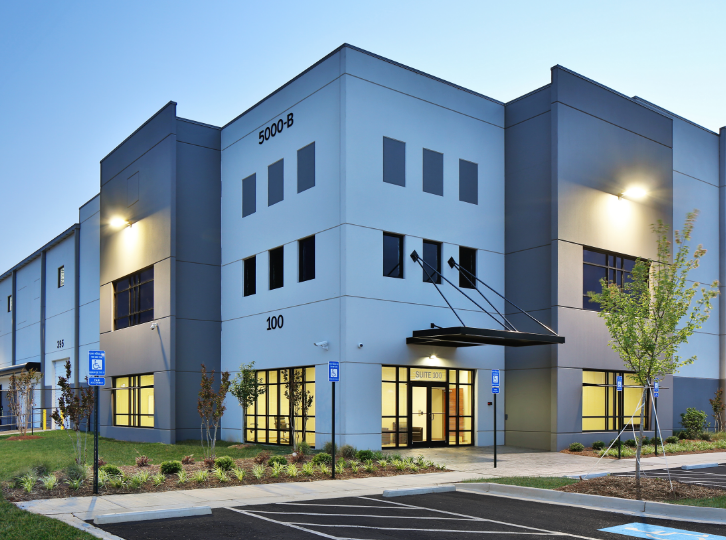
PuroClean provides 24/7 commercial property damage restoration services for businesses and facilities across the United States.

Linking Arrow Explore Our Commercial Services

Frequently Asked Questions

Answers to the questions Kenosha homeowners and business owners ask us most

Yes, based on documented history. Kenosha’s south side, particularly the area near Cooper Road and 80th Street and the corridor between 60th and 85th Streets, has a documented pattern of flooding when heavy rain overwhelms the city’s storm sewer system faster than it can process. During one heavy rain event, the water utility’s equalization basin was processing nine million gallons of stormwater an hour and still couldn’t keep pace, with some streets covered by 3 feet of water. Local business owners in the area have described flooding happening roughly once a decade, though any individual storm can bring more water than that average implies. If you’re in this part of the city, sump backup protection and confirmed water backup insurance coverage are worth prioritizing.

Serious enough that some homes along this stretch of shoreline have already become unlivable. High Lake Michigan water-level cycles accelerate bluff erosion by letting waves reach higher on the shore, and that erosion combines with elevated groundwater, stormwater runoff, and winter freeze-thaw cycling to destabilize bluff slopes over time. Carthage College, whose campus sits on the Kenosha lakefront, spent nearly $3.5 million on shoreline protection after years of watching erosion eat into its property. If your home sits on or near a Lake Michigan bluff, we recommend having a coastal engineer assess your specific erosion risk, since the right response — whether it’s shoreline armoring, setback planning, or something else — depends heavily on your exact location and bluff condition.

Lakeside storms can cause flooding well beyond the immediate shoreline through a combination of wave action, storm surge, and heavy rainfall overwhelming drainage systems near the lake. Carthage College experienced exactly this in January 2020, when a lakeside storm flooded the basement of its largest campus building and destroyed the heating and air conditioning equipment inside — a loss that cost several million dollars to replace. Properties near the lake but not directly on the water can still be affected by the same storm systems that drive bluff erosion and beach flooding, since heavy Lake Michigan storms often bring both intense rainfall and wind-driven water movement simultaneously. We assess the full storm profile, not just direct wave contact, when evaluating a lakeside property’s water damage.

Kenosha’s four National Register historic districts and numerous individually designated landmarks include homes well over a century old, built before modern drainage, foundation waterproofing, or electrical standards existed. Water in these buildings often travels differently than in modern construction, wicking through original masonry or wood-frame walls in ways that require more careful, materials-aware drying and demolition decisions. Newer Kenosha homes are more likely to have finished basements dependent on sump systems, with contents value concentrated in a lower level built to current code. We assess each property’s construction era and materials before setting equipment, since a historic district home and a newer subdivision house genuinely need different approaches to both water extraction and long-term restoration.

Under normal conditions, we reach Kenosha in roughly 35 to 40 minutes from our Burlington base via WI-142 — the highway built specifically to connect the two cities — through Bristol and the I-94 interchange near Mars Cheese Castle. Because Kenosha is the largest city in our service area, our approach varies by neighborhood: south-side storm sewer flooding, downtown historic district losses, and Lake Michigan shoreline erosion each call for different equipment and expertise. We gather full details on the initial call — location, water source, and safety concerns — so our crew arrives prepared for the specific part of the city and type of loss involved, rather than needing to reassess once on scene.

Still have questions? Call us Now

Need Urgent Restoration Services?

When you need water damage restoration services near you, call the experts at PuroClean. We are here day or night, 24/7, to help remove any standing water quickly and begin your water restoration service. We monitor the drying process so you can rest assured that your property is dried thoroughly. We offer commercial water restoration services for businesses and residential water damage restoration for homeowners.

PuroClean of Burlington

Contact Us for 24/7 Emergency Response

(262) 342-2226

Contact Us
PuroClean of Burlington
CALL NOW
PuroClean Logo

PuroClean of Burlington

(262) 342-2226

151 Industrial Drive., Burlington, WI 53105

Facebook IconInstagram IconLinkedin Icon
© 2026 PuroClean. All Rights Reserved.
Design by BrightPinkAgency