PuroClean of Burlington — 151 Industrial Dr, Burlington, WI 53105
New Munster sits along the Fox River in the Town of Wheatland, a rural stretch of western Kenosha County organized in April 1842 at the home of early settler James B. Powers, who gave his name to nearby Powers Lake. Wheatland took its name from the fertile soil that drew New England and Southern pioneers here after the 1833 Treaty of Chicago opened former Potawatomi land to settlement, and the township was farmed for wheat before becoming one of Kenosha County’s founding towns when the county split off from Racine County in 1850. New Munster itself has held a post office since 1880, and the old Wisconsin Central Railway line — now the Canadian National Railway — once carried passenger and freight traffic directly through the settlement. Today the community anchors the Town of Wheatland’s government, with the town hall on Geneva Road, and sits at the literal crossroads of Highway 50 and Highway 83, two of the busiest state highways in our southern Kenosha County territory. Just north of the settlement, the Wisconsin Conservation Commission established the 1,226-acre New Munster Wildlife Area in 1947 to protect pheasant and upland game habitat, and the area has since grown to include riverine and wetland habitat along the Fox River, fed by two perennial streams — Palmer Creek, a Class III trout stream stocked with brown and rainbow trout, and New Munster Creek itself.
That location directly on the Fox River, fed by two perennial creeks and surrounded by protected wetland habitat, shapes New Munster’s water damage risk. The same river system that makes the New Munster Wildlife Area valuable habitat also means properties near the Fox River corridor sit close to a waterway that rises with seasonal rain and snowmelt across a broad agricultural watershed. Add a rural, largely agricultural property base with wells and septic systems, older farmhouses dating back to Wheatland’s 19th-century wheat-farming era, and a location at a major highway crossroads that also serves as a commercial corridor, and New Munster produces a water damage caseload shaped directly by its river-crossroads geography.
We handle:
New Munster sits about 17 miles southwest of our Industrial Drive facility, and we make the trip via WI-36 out of Burlington toward Lyons and Lake Geneva, then east on WI-50 through Slades Corners. WI-50 runs directly to New Munster, where it meets WI-83 at the heart of the community — a real, signed highway junction rather than an approximate location.
That route puts us on scene in roughly 25 minutes under normal conditions. For calls near the Fox River corridor and the New Munster Wildlife Area, we come in directly off the Highway 50/83 junction. For rural properties throughout the surrounding Town of Wheatland, including areas near Lily Lake and the Powers Lake border, we adjust our approach based on the specific county road serving that property, since Wheatland’s road network is built around the 328th Avenue and 60th Street grid that has organized the township’s settlement pattern for generations.
Because New Munster sits at a major highway crossroads, we’re rarely slowed by the kind of routing uncertainty that can add time in more remote parts of our territory — WI-50 and WI-83 get us there directly, with a clear final approach regardless of which direction a specific property sits from the junction.
New Munster’s risk profile centers on its position directly on the Fox River, fed by two perennial streams that converge nearby. Palmer Creek, a Class III trout stream stocked with brown and rainbow trout, runs through the northwest part of the New Munster Wildlife Area, while New Munster Creek itself flows into the Fox River within the immediate vicinity of the settlement. The Wisconsin DNR’s own wildlife area management specifically incorporated additional riverine and emergent wetland habitat into the property, recognizing how much of the surrounding land functions as natural floodplain for the Fox River system. That floodplain function benefits wildlife, but it also means properties near the river corridor sit on ground that’s naturally designed to hold and slowly release water during wet periods — exactly the dynamic that creates elevated groundwater pressure against basements and crawl spaces built nearby.
Wheatland’s agricultural land use compounds that river-driven risk. The town was organized in 1842 specifically because of its fertile, wheat-friendly soil, and much of the surrounding township remains farmland today, drained historically by field tiles and ditches built for crop production rather than modern residential flood control. Rural properties throughout the area, including many older farmhouses connected to Wheatland’s 19th-century settlement era, rely on private wells and septic systems that are vulnerable to backing up when the surrounding ground is already saturated from heavy rain or spring snowmelt — a Category 3 sewage risk that recurs throughout Kenosha County’s rural agricultural townships.
New Munster’s older housing stock adds another consideration. Homes and farm buildings dating back generations, some connected to the community’s history since its 1880 post office was established, were often built and expanded across multiple eras without a unified plumbing or electrical plan, meaning water and fire risk assessment requires understanding a property’s specific construction history rather than applying a single standard approach.
Winter freeze risk follows the same pattern seen throughout our rural Kenosha County territory: older farmhouses with plumbing added into additions and outbuildings over the decades face elevated burst-pipe risk during a hard freeze, particularly on larger rural properties where parts of a home may see less consistent heating than a compact suburban house.
Owned & Operated by Jennifer Wine
151 Industrial Drive., Burlington, WI, 53105
(262) 342-2226
 Antioch
Bohners Lake
Bristol
Browns Lake
Burlington
Caledonia
Camp Lake
Channel Lake
Como
Eagle Lake
Fox Lake
Franksville
Genoa City
Kenosha
Klondike
Lake Catherine
Lake Geneva
Lake Shangrila
Mount Pleasant
New Munster
North Cape
Paddock Lake
Pell Lake
Pleasant Prairie
Powers Lake
Racine
Rochester
Salem Lakes
Silver Lake
Somers
Springfield
Sturtevant
Twin Lakes
Union Grove
Wilmot
Antioch
Bohners Lake
Bristol
Browns Lake
Burlington
Caledonia
Camp Lake
Channel Lake
Como
Eagle Lake
Fox Lake
Franksville
Genoa City
Kenosha
Klondike
Lake Catherine
Lake Geneva
Lake Shangrila
Mount Pleasant
New Munster
North Cape
Paddock Lake
Pell Lake
Pleasant Prairie
Powers Lake
Racine
Rochester
Salem Lakes
Silver Lake
Somers
Springfield
Sturtevant
Twin Lakes
Union Grove
Wilmot
Water damage can result from unexpected leaks, flooding from storms, plumbing failures, or appliance malfunctions. Our certified teams focus on rapid water removal, drying, and stabilization to help prevent further damage and mold growth.
 Explore Our Water Damage Mitigation Services
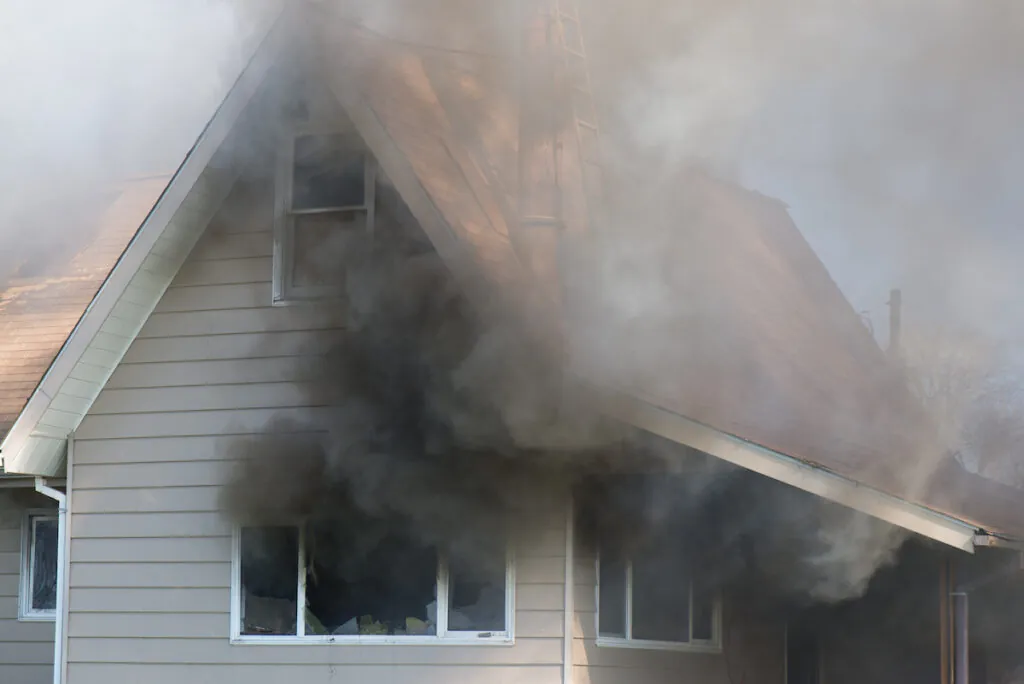
Even after a fire is extinguished, smoke, soot, and odor can continue to affect your home. Fire damage restoration services address visible damage while also helping reduce lingering effects that impact indoor air quality and surfaces.
Explore Our Fire and Smoke Damage Restoration Services
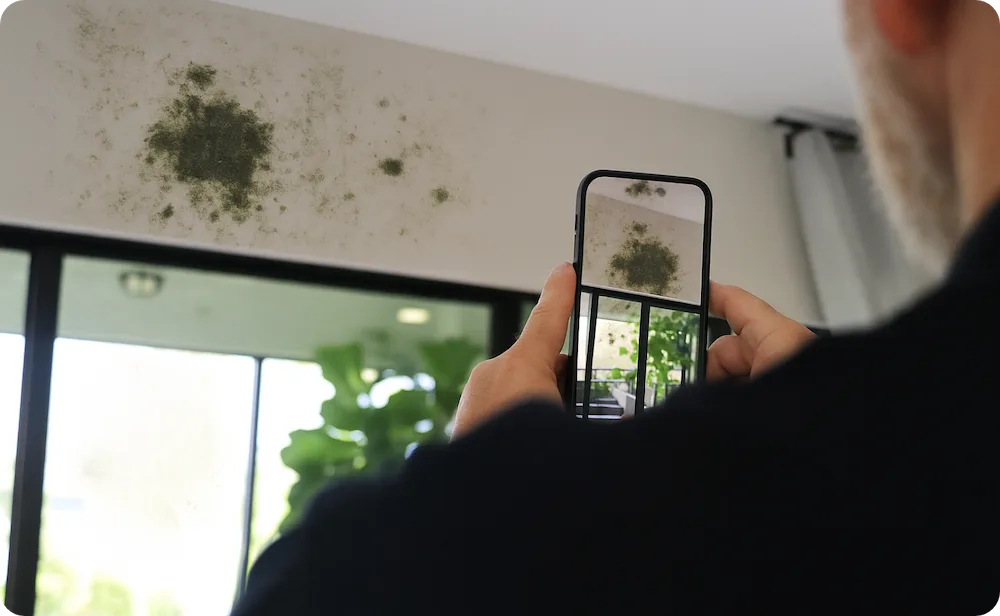
Mold often develops as a result of unresolved moisture or hidden water damage. Professional mold remediation helps identify affected areas, contain growth, and restore healthy indoor conditions.
Explore Our Mold Removal and Remediation Services
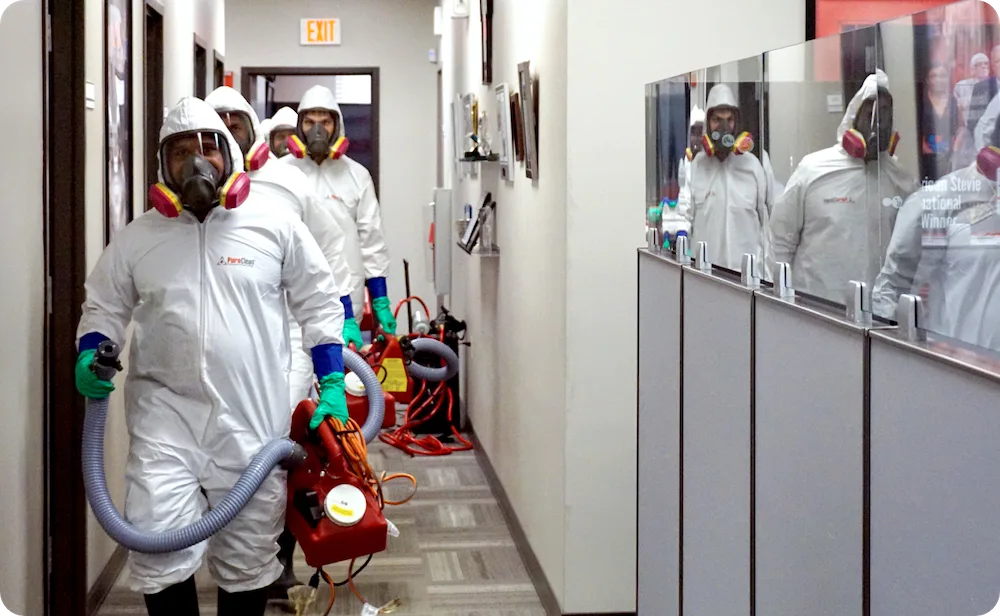
Biohazard situations, including crime scene cleanup and virus decontamination, require specialized cleaning and handling to protect health and safety. Biohazard cleanup services address contamination using proper protocols and professional care.
Explore Our Biohazard Cleanup Services
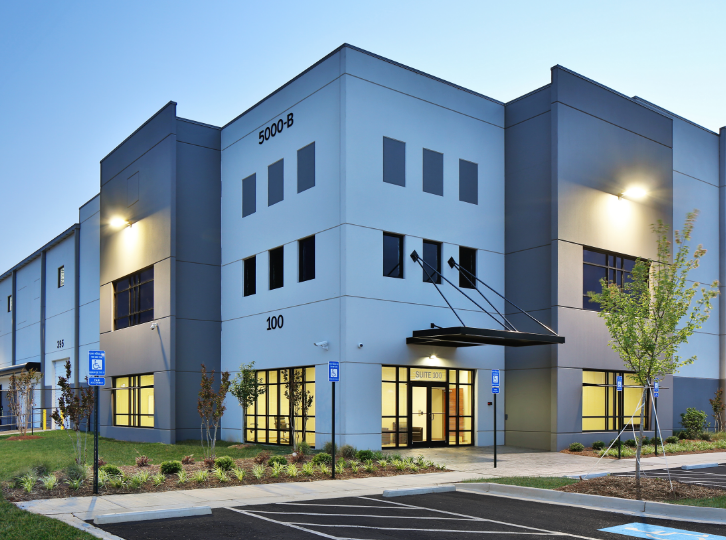
PuroClean provides 24/7 commercial property damage restoration services for businesses and facilities across the United States.
Explore Our Commercial Services
Water damage can result from unexpected leaks, flooding from storms, plumbing failures, or appliance malfunctions. Our certified teams focus on rapid water removal, drying, and stabilization to help prevent further damage and mold growth.
Explore Our Water Damage Mitigation Services
Answers to the questions New Munster homeowners and business owners ask us most
It can be. The New Munster Wildlife Area was expanded specifically to incorporate riverine and wetland habitat along the Fox River, and that floodplain land is designed by nature to hold and slowly release water during wet periods — which is exactly the kind of ground that also drives elevated groundwater around nearby residential properties. If your property sits near the river corridor or the wildlife area’s boundary, seasonal rain and snowmelt across the broader Fox River watershed can raise the water table around your home even without the river itself dramatically overflowing its banks. We recommend moisture mapping to confirm whether your flooding pattern is tied to this river-corridor groundwater dynamic or a separate, more localized cause.
Rural Wheatland properties on well and septic systems face elevated backup risk tied to the township’s agricultural drainage history. Much of the land here was farmed for wheat since the town’s 1842 founding, and drainage infrastructure built for crop production doesn’t always handle the demands of a modern septic system during saturated ground conditions from heavy rain or spring snowmelt. A septic backup under those conditions is a Category 3 sewage loss requiring professional extraction and disinfection, not a simple clog. Older farmhouses in the area also tend to have plumbing added into additions and outbuildings over the decades, raising freeze risk in winter. We recommend annual septic inspections, particularly given how directly this area’s Fox River-adjacent water table can affect drainage.
To some degree. Businesses located at or near the Highway 50 and Highway 83 junction sit in one of the more developed commercial pockets of an otherwise rural township, and that concentration of commercial buildings near a major highway crossroads means storm drainage and stormwater management infrastructure has to handle runoff from a meaningfully larger paved area than the surrounding farmland. If you own or manage a business near this junction, we recommend confirming your commercial property insurance addresses both direct water damage and any business interruption coverage, since a water loss at a crossroads business can affect operations more visibly than a similar loss on a spread-out rural property.
Older Wheatland-area farmhouses, some connected to the community’s history since its 1880 post office was established, were frequently built and then expanded over multiple generations without a single unified construction plan. That means plumbing and electrical systems can vary significantly within the same building — original construction alongside additions from different decades, each with different standards. We assess a property’s specific construction history and materials before setting equipment or making demolition decisions, since a generations-old farmhouse often needs a more careful, case-by-case approach than a modern subdivision home built to a single consistent code. Documenting your home’s addition history in advance can help speed our assessment if a loss does occur.
Under normal conditions, we reach New Munster in roughly 25 minutes from our Burlington base, via WI-36 west toward Lake Geneva, then WI-50 east through Slades Corners directly to the Highway 50/83 junction in the heart of New Munster. Because New Munster sits at a clearly marked highway crossroads rather than down a maze of rural roads, our approach is direct regardless of which part of the surrounding Town of Wheatland a property sits in. We gather full loss details on the initial call — water source, category, and safety concerns — so our crew arrives with the right equipment staged and ready to begin extraction immediately.
What Our Customers Say:
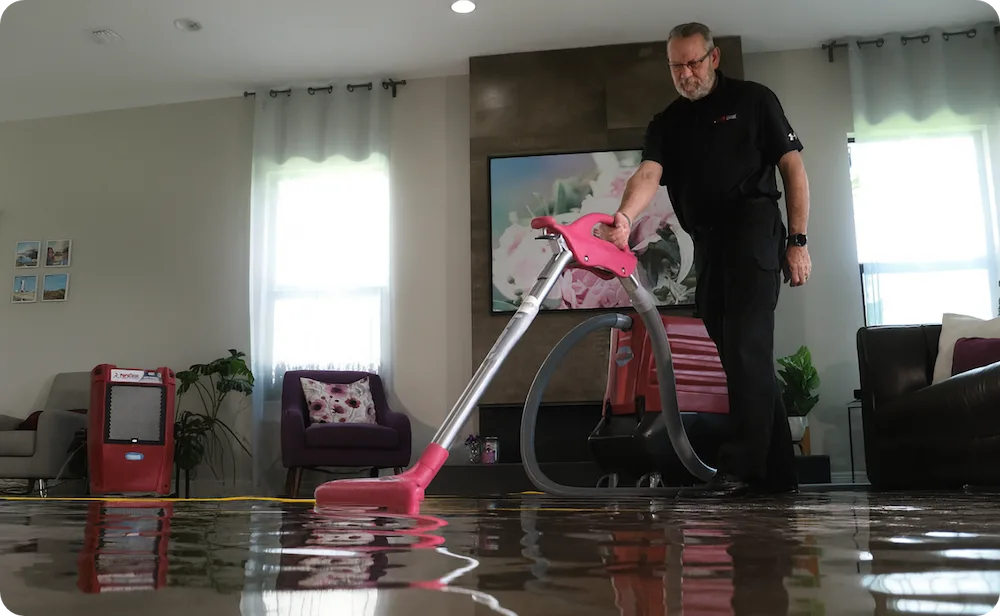
When you need water damage restoration services near you, call the experts at PuroClean. We are here day or night, 24/7, to help remove any standing water quickly and begin your water restoration service. We monitor the drying process so you can rest assured that your property is dried thoroughly. We offer commercial water restoration services for businesses and residential water damage restoration for homeowners.

PuroClean of Burlington
(262) 342-2226
151 Industrial Drive., Burlington, WI 53105


© 2026 PuroClean. All Rights Reserved.