PuroClean of Burlington — 151 Industrial Dr, Burlington, WI 53105
Twin Lakes takes its name from an unusually personal piece of pioneer history. Mary Rae, an English immigrant born in 1816, settled the area then known as English Prairie and married fellow settler Jonathan Ineson in 1837; their son Robert became the first boy of European descent born in Kenosha County, and among their eight children was the county’s first recorded set of twins, baptized Mary and Elizabeth. The two glacially carved lakes that came to define the community were named after those twin girls — Lake Mary and Lake Elizabeth — and the name Twin Lakes eventually replaced English Prairie altogether. Tourism arrived early: Akerman’s Resort, the area’s first large hotel, opened in 1835 on a site now occupied by the Regis Landing Condos, and by the 1850s the Haegle family was operating an ice house on Lake Elizabeth, one of several that harvested the lake’s ice for refrigeration before mechanical cooling existed. A post office opened in 1891, and the village formally incorporated in 1937. Today Twin Lakes is home to roughly 6,000 permanent residents, with about a third more spending only part of the year on the lakes, and the village hosts the annual Country Thunder Music Festival, one of the largest country music events in the Midwest.
That century and a half of lake-centered development, built around nearly 1,000 combined acres of water, shapes Twin Lakes’ water damage risk directly. Lake Mary covers 297 acres and Elizabeth Lake covers 638 acres, with the southernmost tip of Elizabeth Lake extending across the state line into McHenry County, Illinois. Both lakes are managed together through a system of control weirs — the spillway weir at the Elizabeth Lake outlet governs water levels for both lakes under most conditions — and a combined tributary area of roughly 8.1 square miles drains into the two-lake system. Add a mix of century-old resort-era cottages, ice-harvest-era buildings, and modern lakefront construction, and Twin Lakes produces a water damage profile shaped by both its lake management infrastructure and its long history as a vacation destination.
We handle:
Twin Lakes is one of the closest villages to our Industrial Drive facility, sitting only about 13 miles southeast of Burlington. We make the trip via WI-11 east toward Kansasville, then south along the county highway that continues the historic WIS-75 corridor through Brighton and Klondike, arriving directly in Twin Lakes — the same road that also serves neighboring Powers Lake.
That route puts us on scene in roughly 20 minutes under normal conditions, one of the fastest response times in our entire service area. For calls near Lake Mary’s sandy shoreline and community parks, or Elizabeth Lake’s larger shoreline stretching toward the Illinois line, we adjust our approach slightly based on the specific neighborhood, but stay within that same quick response window.
Because Twin Lakes sits so close to our base, a sump pump failure or burst pipe here often gets a crew on scene before water has had significant time to spread — a real advantage in a village with as much historic lakefront development as Twin Lakes has.
Twin Lakes’ risk profile is shaped directly by the managed hydrology of its two namesake lakes. Lake Mary, at 297 acres, and Elizabeth Lake, at 638 acres, are connected and jointly managed through a system of control weirs, with the spillway weir at the Elizabeth Lake outlet governing water levels for both lakes under most conditions. The Twin Lakes Protection and Rehabilitation District follows a seasonal “dam board” policy, installing a control board each May 1 and removing it each September 15 to manage water levels across the boating season — meaning lake levels here shift according to a deliberate annual schedule as much as they respond to rainfall. Property owners near the shoreline should understand that their local water table follows this managed cycle, not just natural precipitation patterns.
The combined tributary area draining into both lakes covers roughly 8.1 square miles, funneling stormwater from a meaningfully larger area than the lakes’ own surface footprint every time it rains. That funneling effect means heavy regional rain events can raise water levels and the surrounding water table faster than the lakes’ controlled outlet can release it, creating temporary elevated groundwater pressure for shoreline properties even when the lake’s managed level looks unremarkable.
Twin Lakes’ building stock adds a distinctive historical dimension. Properties connected to the village’s ice-harvesting era, including structures near the historic Haegle ice house operations on Lake Elizabeth, and resort-era buildings tracing back to Akerman’s Resort and the decades of vacation cottages that followed, were built across a wide range of construction standards and eras. Many of these older buildings were originally seasonal structures later converted for year-round living, a conversion history that typically means plumbing added into additions and crawl spaces not part of the original construction — raising freeze risk in winter and creating hidden moisture vulnerabilities.
Because Elizabeth Lake’s southern tip crosses into McHenry County, Illinois, a small number of Twin Lakes-area properties near the state line may also need to account for how water moves across that boundary during regional flood events, even though the vast majority of the lake and village sit entirely within Wisconsin.
Owned & Operated by Jennifer Wine
151 Industrial Drive., Burlington, WI, 53105
(262) 342-2226
 Antioch
Bohners Lake
Bristol
Browns Lake
Burlington
Caledonia
Camp Lake
Channel Lake
Como
Eagle Lake
Fox Lake
Franksville
Genoa City
Kenosha
Klondike
Lake Catherine
Lake Geneva
Mount Pleasant
New Munster
North Cape
Paddock Lake
Pell Lake
Pleasant Prairie
Racine
Rochester
Salem Lakes
Silver Lake
Somers
Springfield
Sturtevant
Twin Lakes
Union Grove
Wilmot
Antioch
Bohners Lake
Bristol
Browns Lake
Burlington
Caledonia
Camp Lake
Channel Lake
Como
Eagle Lake
Fox Lake
Franksville
Genoa City
Kenosha
Klondike
Lake Catherine
Lake Geneva
Mount Pleasant
New Munster
North Cape
Paddock Lake
Pell Lake
Pleasant Prairie
Racine
Rochester
Salem Lakes
Silver Lake
Somers
Springfield
Sturtevant
Twin Lakes
Union Grove
Wilmot
Water damage can result from unexpected leaks, flooding from storms, plumbing failures, or appliance malfunctions. Our certified teams focus on rapid water removal, drying, and stabilization to help prevent further damage and mold growth.
 Explore Our Water Damage Mitigation Services
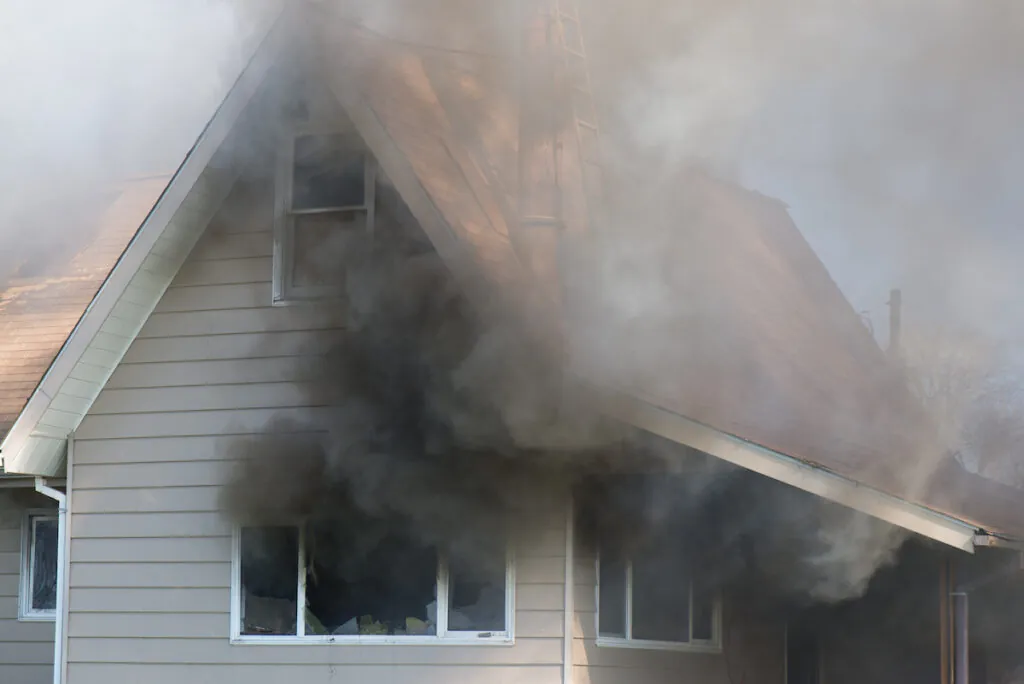
Even after a fire is extinguished, smoke, soot, and odor can continue to affect your home. Fire damage restoration services address visible damage while also helping reduce lingering effects that impact indoor air quality and surfaces.
Explore Our Fire and Smoke Damage Restoration Services
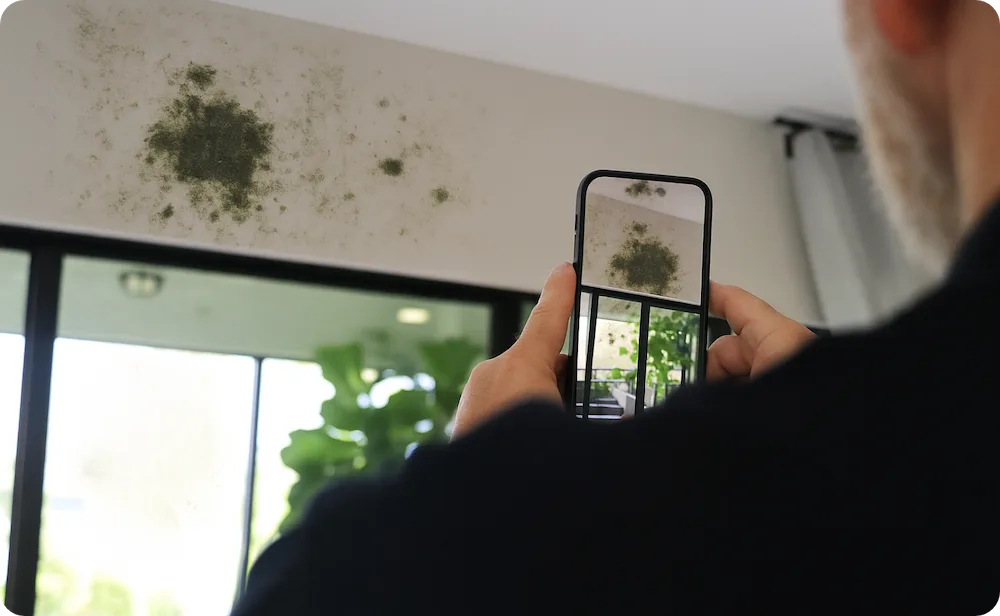
Mold often develops as a result of unresolved moisture or hidden water damage. Professional mold remediation helps identify affected areas, contain growth, and restore healthy indoor conditions.
Explore Our Mold Removal and Remediation Services
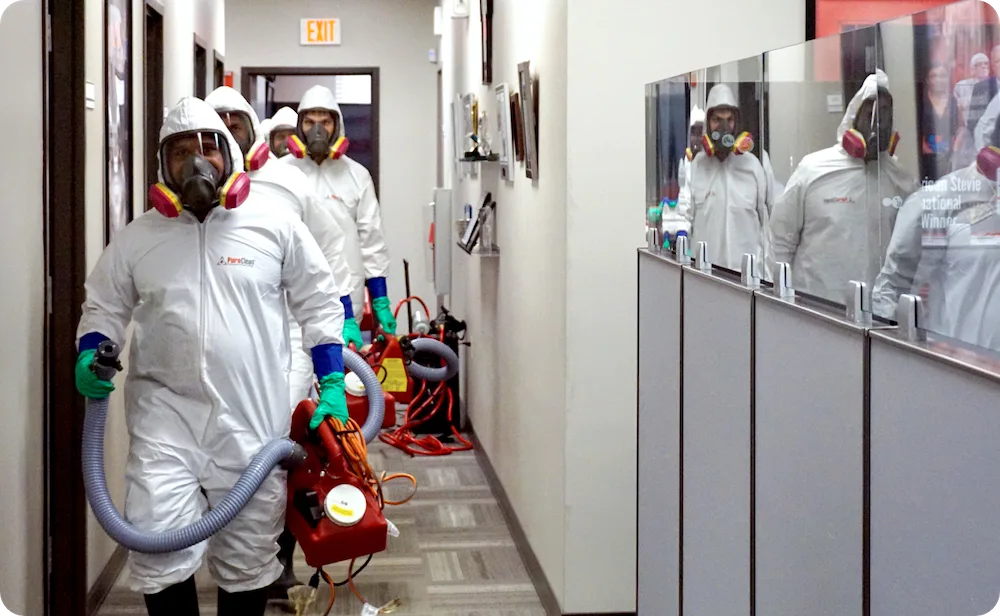
Biohazard situations, including crime scene cleanup and virus decontamination, require specialized cleaning and handling to protect health and safety. Biohazard cleanup services address contamination using proper protocols and professional care.
Explore Our Biohazard Cleanup Services
PuroClean provides 24/7 commercial property damage restoration services for businesses and facilities across the United States.
Explore Our Commercial Services
Water damage can result from unexpected leaks, flooding from storms, plumbing failures, or appliance malfunctions. Our certified teams focus on rapid water removal, drying, and stabilization to help prevent further damage and mold growth.
Explore Our Water Damage Mitigation Services
Answers to the questions Twin Lakes homeowners ask us most
Twin Lakes’ two namesake lakes are managed through a seasonal “dam board” policy: the Twin Lakes Protection and Rehabilitation District installs a control board at the Elizabeth Lake outlet each May 1 and removes it each September 15, which governs water levels for both lakes under most conditions. That means lake levels here follow a deliberate annual management schedule in addition to responding to rainfall, so your property’s water table can shift around these installation and removal dates in ways that don’t always line up neatly with recent weather. If your basement flooding pattern seems disconnected from obvious rain events, this managed seasonal cycle is worth discussing with the Lake District.
Twin Lakes has a long resort history dating back to Akerman’s Resort in 1835 and ice-harvesting operations like the Haegle family’s ice house on Lake Elizabeth starting in the 1850s, and many cottages from this era were built for seasonal use before being converted for year-round living. That conversion typically means plumbing was added into additions and crawl spaces that weren’t part of the original construction, which raises freeze risk in winter and can create hidden moisture problems in areas not designed for full-time occupancy. We recommend having a licensed plumber review your cottage’s plumbing age and routing, particularly if you know or suspect it dates back to the village’s early resort era.
It can. That combined tributary area is roughly eight times larger than the lakes’ own surface footprint, meaning a substantial amount of stormwater funnels toward the two-lake system from well beyond the immediate shoreline during heavy rain. Properties set back from the water, but still within that broader drainage basin, can experience elevated groundwater and drainage stress during major storms even without direct lake-adjacent flooding. If you’ve noticed water issues during heavy regional rain events despite not being directly on Lake Mary or Elizabeth Lake, this broader tributary drainage pattern is a likely contributing factor worth discussing during a moisture assessment.
A small portion of Elizabeth Lake’s southernmost extent crosses into McHenry County, Illinois, which means properties in that specific area may need to account for water movement across the state line during regional flood events, even though the vast majority of Twin Lakes and its lakes sit entirely within Wisconsin. For water damage mitigation itself, the state line doesn’t change our approach. But if your property is in this specific southern tip area, it’s worth confirming with your insurance agent whether your coverage treats a border-adjacent property any differently, since flood zone designations occasionally handle these edge cases differently than the rest of the village.
Twin Lakes is one of the closest villages to our Burlington base — about 13 miles via WI-11 and the county highway through Brighton and Klondike, typically 20 minutes door to door under normal conditions. That’s one of the fastest response times in our entire service area. Whether your call is near Lake Mary’s community parks and sandy shoreline or Elizabeth Lake’s larger shoreline toward the Illinois line, we gather full loss details on the initial call so our crew arrives ready to begin extraction the moment we’re on site.
What Our Customers Say:
When you need water damage restoration services near you, call the experts at PuroClean. We are here day or night, 24/7, to help remove any standing water quickly and begin your water restoration service. We monitor the drying process so you can rest assured that your property is dried thoroughly. We offer commercial water restoration services for businesses and residential water damage restoration for homeowners.

PuroClean of Burlington
(262) 342-2226
151 Industrial Drive., Burlington, WI 53105


© 2026 PuroClean. All Rights Reserved.