PuroClean of Burlington — 151 Industrial Dr, Burlington, WI 53105
Pell Lake began in the 1920s as a cluster of seasonal cottages and recreational retreats for Chicago and Milwaukee families, made accessible by the arrival of paved highways and the former Chicago and Northwestern Railroad line through this corner of Walworth County. The Pell Lake Property Owners Association, formed in 1925, has organized the community’s lake stewardship for a century, and many of those original summer cottages have since been converted into year-round homes as commuters discovered how easily Pell Lake connects to the Chicago and Milwaukee metro areas. For decades Pell Lake existed as an unincorporated community inside the Town of Bloomfield, sitting about three miles north of the Illinois state line, until residents voted to incorporate the Village of Bloomfield on December 20, 2011 — a new municipality that absorbed all of the former Pell Lake census-designated place along with part of neighboring Powers Lake. The lake’s boundaries roughly align with the Pell Lake Sanitary District, bordered by US Highway 12 to the northeast and County Highway H to the west, and the Sanitary District itself, formed by the town in 1991, now manages the lake’s water quality and shoreline infrastructure directly.
That century of cottage-to-year-round conversion, combined with the lake’s unusual hydrology, shapes Pell Lake’s water damage risk. Pell Lake is what hydrologists call a seepage lake — an internally drained body of water with no natural stream inlet or outlet, relying instead on groundwater and direct precipitation to maintain its level. Water leaves the lake only through a culvert under Lake Drive on the southern shore, draining into an adjacent wetland that eventually reaches Nippersink Creek. That drainage pattern, combined with a housing stock built across a full century of different construction standards, gives Pell Lake a water damage profile distinct from the river-fed and drainage lakes found elsewhere in our service territory.
We handle:
Pell Lake sits about 22 miles southwest of our Industrial Drive facility, and we make the trip via WI-36 out of Burlington into Lake Geneva, then south on US-12 through the Town of Bloomfield toward Pell Lake, which sits along the highway’s western boundary.
That route puts us on scene in roughly 30 minutes under normal conditions. For calls near the lake’s southern shore and Lake Drive, we come in off US-12 directly into the neighborhood. For properties near the border with Powers Lake or elsewhere in the broader Village of Bloomfield, we adjust our approach slightly based on the specific road serving that property, since Bloomfield spans a spread-out area rather than a single dense downtown.
Because Pell Lake sits close to the Illinois state line, we occasionally coordinate with property owners on confirming exact jurisdiction, though the community itself is entirely within Wisconsin and the Village of Bloomfield. We gather full property details on the initial call so our crew arrives at the right address with the right equipment the first time.
Pell Lake’s risk profile is defined by a hydrological fact most residents don’t think about until it affects their basement: Pell Lake is a seepage lake, meaning it has no natural inflowing or outflowing stream. Instead, the lake’s water level is maintained almost entirely by direct precipitation and groundwater exchange with the surrounding water table. That’s a fundamentally different dynamic than a river-fed lake, and it means the lake and the groundwater beneath nearby homes are essentially the same system — when the lake rises, the water table under surrounding properties rises with it, and there’s no downstream channel to relieve the pressure quickly.
The lake’s only outlet reinforces this dynamic. Water leaves Pell Lake through a culvert under Lake Drive on the lake’s southern side, draining into an adjacent wetland system that eventually reaches Nippersink Creek. Because that outlet is a single, relatively constrained culvert rather than a natural stream channel, the lake’s water level can rise faster than it drains during a sustained wet period, keeping the surrounding water table elevated for longer than a lake with a more natural drainage pattern would. The lake’s roughly 1,110-acre tributary area, entirely contained within the Town of Bloomfield, funnels a meaningful volume of stormwater runoff toward this same constrained drainage system every time it rains.
Pell Lake’s century of cottage-to-year-round housing conversion adds a second risk dimension. Homes built as seasonal retreats in the 1920s, when the Chicago and Northwestern Railroad first made the area accessible to Chicago and Milwaukee families, were never designed for the plumbing demands of full-time occupancy, and decades of conversions have added water lines into additions, crawl spaces, and exterior walls not part of the original construction. That layered plumbing history raises both freeze risk in winter and the likelihood of hidden moisture problems that develop gradually rather than announcing themselves immediately.
Because Pell Lake’s boundaries roughly align with the Pell Lake Sanitary District, formed in 1991, most homes here are served by district sewer infrastructure rather than individual septic systems — infrastructure that, like any system serving a rapidly grown lake community, can experience capacity strain during periods of heavy regional rainfall.
Owned & Operated by Jennifer Wine
151 Industrial Drive., Burlington, WI, 53105
(262) 342-2226
 Antioch
Bohners Lake
Bristol
Browns Lake
Burlington
Caledonia
Camp Lake
Channel Lake
Como
Eagle Lake
Fox Lake
Franksville
Genoa City
Kenosha
Klondike
Lake Catherine
Lake Geneva
Mount Pleasant
New Munster
North Cape
Paddock Lake
Pell Lake
Pleasant Prairie
Racine
Rochester
Salem Lakes
Silver Lake
Somers
Springfield
Sturtevant
Twin Lakes
Union Grove
Wilmot
Antioch
Bohners Lake
Bristol
Browns Lake
Burlington
Caledonia
Camp Lake
Channel Lake
Como
Eagle Lake
Fox Lake
Franksville
Genoa City
Kenosha
Klondike
Lake Catherine
Lake Geneva
Mount Pleasant
New Munster
North Cape
Paddock Lake
Pell Lake
Pleasant Prairie
Racine
Rochester
Salem Lakes
Silver Lake
Somers
Springfield
Sturtevant
Twin Lakes
Union Grove
Wilmot
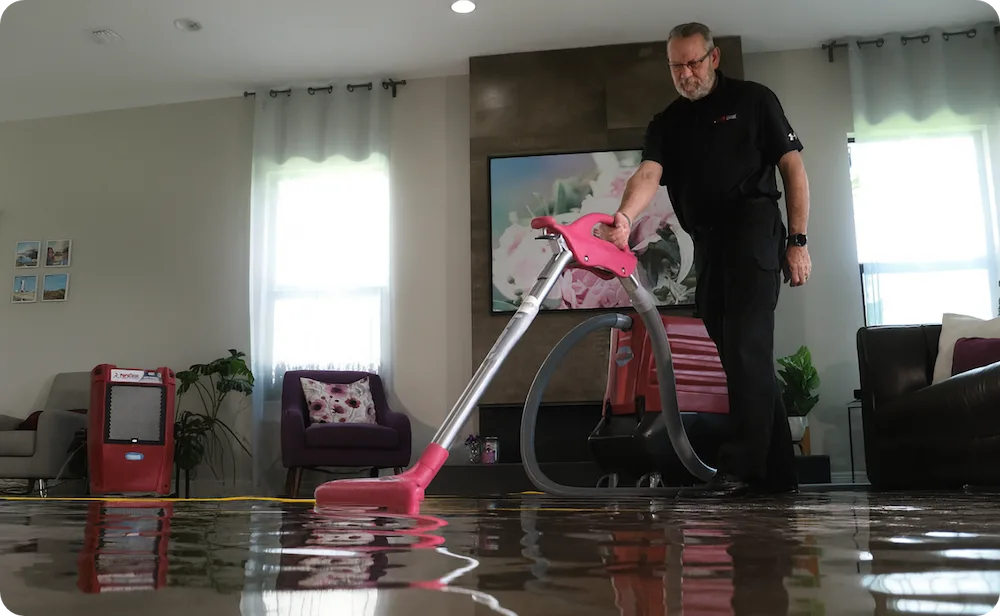
Water damage can result from unexpected leaks, flooding from storms, plumbing failures, or appliance malfunctions. Our certified teams focus on rapid water removal, drying, and stabilization to help prevent further damage and mold growth.
 Explore Our Water Damage Mitigation Services
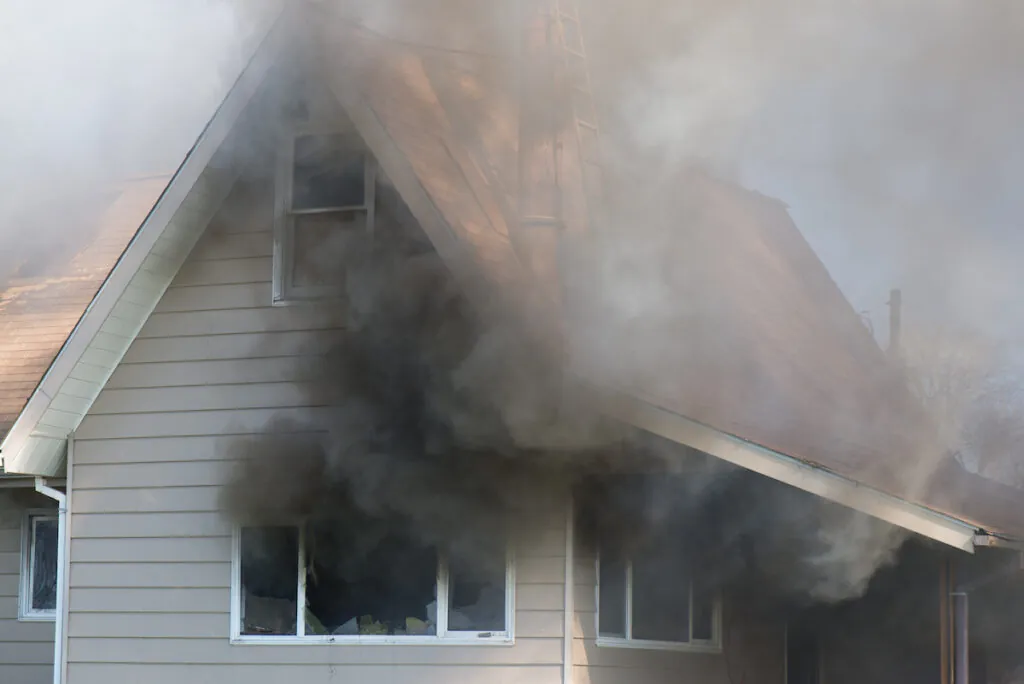
Even after a fire is extinguished, smoke, soot, and odor can continue to affect your home. Fire damage restoration services address visible damage while also helping reduce lingering effects that impact indoor air quality and surfaces.
Explore Our Fire and Smoke Damage Restoration Services
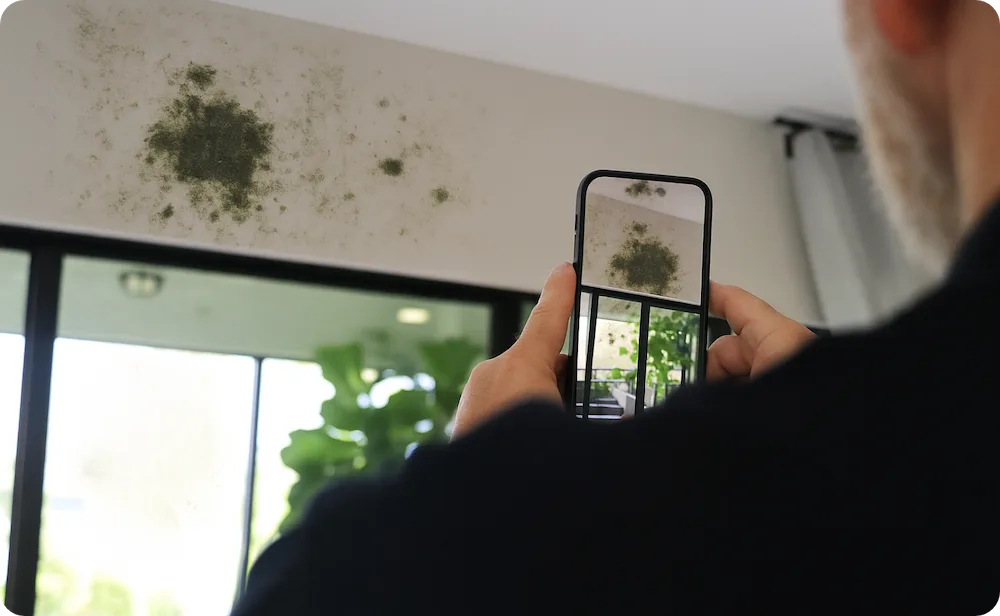
Mold often develops as a result of unresolved moisture or hidden water damage. Professional mold remediation helps identify affected areas, contain growth, and restore healthy indoor conditions.
Explore Our Mold Removal and Remediation Services
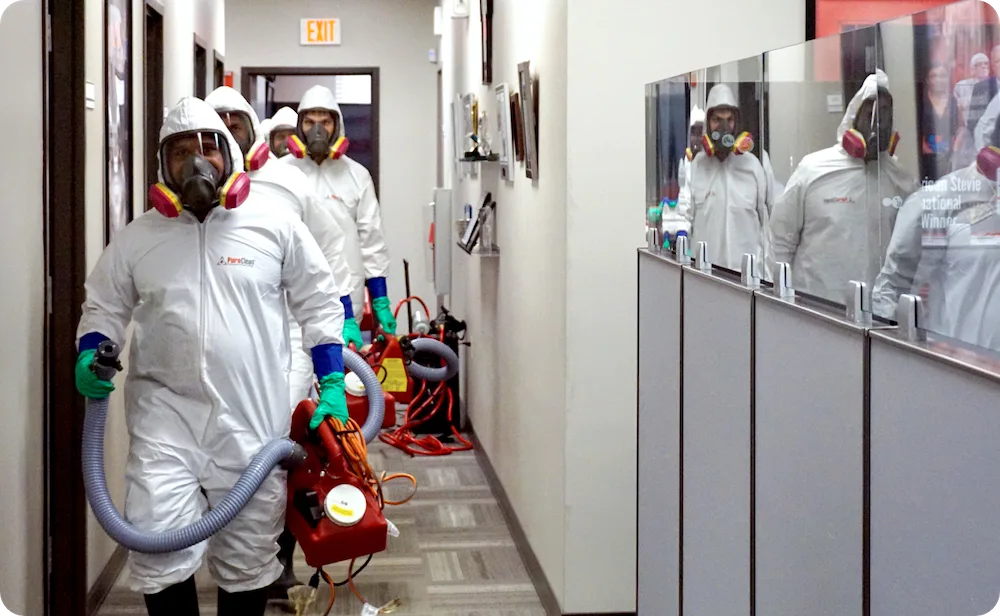
Biohazard situations, including crime scene cleanup and virus decontamination, require specialized cleaning and handling to protect health and safety. Biohazard cleanup services address contamination using proper protocols and professional care.
Explore Our Biohazard Cleanup Services
PuroClean provides 24/7 commercial property damage restoration services for businesses and facilities across the United States.
Explore Our Commercial Services
Water damage can result from unexpected leaks, flooding from storms, plumbing failures, or appliance malfunctions. Our certified teams focus on rapid water removal, drying, and stabilization to help prevent further damage and mold growth.
Explore Our Water Damage Mitigation Services
Answers to the questions Pell Lake homeowners ask us most
A seepage lake has no natural stream flowing in or out — its water level depends almost entirely on direct rainfall and groundwater exchange with the surrounding land. That means the lake and the water table under nearby homes function as one connected system: when the lake rises after a wet period, the groundwater beneath surrounding properties rises right along with it, and there’s no natural downstream channel to relieve that pressure quickly. Pell Lake’s only outlet is a culvert under Lake Drive that drains into an adjacent wetland, which is a much slower release mechanism than a natural stream. If your basement floods during wet stretches even without a specific storm to blame, this lake-wide groundwater dynamic is often the underlying cause.
Pell Lake began in the 1920s as a collection of seasonal cottages for Chicago and Milwaukee families, made accessible by the Chicago and Northwestern Railroad, and many of these original cottages were converted to year-round homes over the following decades. That conversion typically meant adding plumbing into additions, crawl spaces, or exterior walls that weren’t part of the original seasonal construction, which raises freeze risk in winter and can create hidden moisture problems in areas not built with full-time occupancy in mind. If you own one of these converted cottages, we recommend having a licensed plumber review the age and routing of any additions, and paying close attention to crawl space insulation given the property’s original seasonal-use design.
If your property falls within the Pell Lake Sanitary District — whose boundaries roughly track the original Pell Lake community, bordered by US Highway 12 to the northeast and County Highway H to the west — you’re served by district sewer infrastructure rather than an individual septic system. The Sanitary District, formed by the Town of Bloomfield in 1991, manages that infrastructure, but any sewer system serving a rapidly grown lake community can experience capacity strain during periods of heavy regional rainfall, potentially leading to backups. If you’re unsure whether your property is inside the district, the Village of Bloomfield can confirm your specific service area.
Pell Lake’s entire tributary area — about 1,110 acres, all contained within the Town of Bloomfield — drains toward the lake every time it rains, and because Pell Lake only releases water through a single culvert under Lake Drive, that inflow can outpace the outflow during a sustained wet period. The result is elevated lake and groundwater levels that persist longer than they would on a lake with a more open drainage system. Homes closest to the shoreline, and particularly those near the southern outlet area, are most directly affected by this dynamic. We recommend shoreline property owners factor this slower-draining characteristic into their expectations for how long elevated water levels might last after a heavy rain event.
Under normal conditions, we reach Pell Lake in roughly 30 minutes from our Burlington base, via WI-36 into Lake Geneva and then south on US-12 through the Town of Bloomfield. Because Pell Lake sits near the Illinois state line at the edge of our Wisconsin service territory, we confirm exact property location and access on the initial call, along with water source, category, and safety concerns, so our crew arrives at the correct address with the right equipment staged and ready. Given Pell Lake’s seepage-lake hydrology, we also ask about how long water has been present, since that lake’s slower natural drainage can mean water has had more time to spread than it would on a faster-draining system.
What Our Customers Say:
When you need water damage restoration services near you, call the experts at PuroClean. We are here day or night, 24/7, to help remove any standing water quickly and begin your water restoration service. We monitor the drying process so you can rest assured that your property is dried thoroughly. We offer commercial water restoration services for businesses and residential water damage restoration for homeowners.

PuroClean of Burlington
(262) 342-2226
151 Industrial Drive., Burlington, WI 53105


© 2026 PuroClean. All Rights Reserved.