PuroClean of Burlington — 151 Industrial Dr, Burlington, WI 53105
Pleasant Prairie’s story begins along a Lake Michigan shoreline that archaeologists say holds some of the earliest evidence of human settlement in Wisconsin — ancient campsites along State Highways 32 and 165 and the Carol Beach area, used by generations of Oneota, Miami, Sauk, Meskwaki, and Potawatomi people who followed the Jambeau Trail, now known as Green Bay Road, between inland Wisconsin and the lake. Horace Woodbridge became the area’s first white settler on June 4, 1833, and the town held its first official meeting in April 1842. For the next 150 years, the growing city of Kenosha steadily annexed land from Pleasant Prairie’s original 42 square miles, until residents voted overwhelmingly — more than 3,000 to 300 — to incorporate as a village in 1989, protecting the community’s remaining boundaries for good. That same era brought LakeView Corporate Park, now a major employment hub, and by 2000 the RecPlex had opened on the shore of Lake Andrea as the largest municipal recreation facility in the United States. Today Pleasant Prairie is equally known for the Jelly Belly Visitor Center and Premium Outlets mall, and for two nationally significant natural areas: the 485-acre Chiwaukee Prairie, a National Natural Landmark and Ramsar-designated wetland preserved through a multi-agency land use agreement, and the adjacent Kenosha Sand Dunes.
That mix of Lake Michigan shoreline, protected wetland prairie, and dense modern commercial development shapes Pleasant Prairie’s water damage risk. Barnes Creek, a navigable stream significant enough to carry its own National Register-listed archaeological site, flows through the village near Highway 165 and crosses under Sheridan Road on its way through Carol Beach into Lake Michigan. Flat topography and clay-heavy soils across much of the village create poor natural drainage, and lake-effect precipitation can bring sudden, intense rainfall that overwhelms local storm sewers faster than in areas farther from the shoreline. Add homes built across many different construction eras alongside the village’s rapid commercial growth near I-94, and Pleasant Prairie produces a water damage caseload shaped by both its natural geography and its development history.
We handle:
Pleasant Prairie sits about 23 miles east of our Industrial Drive facility, and we make the trip on WI-142, the same direct highway that carries us to Kenosha, continuing south on I-94/I-41 past the Kenosha interchange to reach Pleasant Prairie’s network of exits.
That route puts us on scene in roughly 35 minutes under normal conditions. For calls near LakeView Corporate Park, the Premium Outlets, and the I-94 commercial corridor, the interstate brings us directly into the heart of the village’s business district. For residential neighborhoods and shoreline properties near Carol Beach, Chiwaukee Prairie, and the Kenosha Sand Dunes, we exit onto Highway 165 or Highway 32 to reach the lakefront directly.
Because Pleasant Prairie spans a wide range of property types — from historic shoreline neighborhoods to large-scale modern commercial development — we scale our equipment and approach based on the specific call, treating a residential basement flood differently from a commercial water loss near the interstate corridor from the moment we’re dispatched.
Pleasant Prairie’s risk profile starts with a combination that’s uncommon even within our broader Lake Michigan shoreline territory: flat, clay-heavy soil across much of the village that drains poorly under normal conditions, paired with lake-effect precipitation that can produce sudden, intense rainfall local storm sewers aren’t built to handle. That combination means basement flooding is a recurring concern during heavy rain events, not just an occasional risk tied to unusual storms, and established neighborhoods with aging infrastructure face this risk more acutely than newer developments built to current drainage standards.
Barnes Creek adds a defined waterway to that broader drainage picture. The creek flows through the village near Highway 165, is significant enough to carry its own National Register-listed archaeological site dating back roughly 1,800 years, and crosses beneath Sheridan Road on its route through Carol Beach into Lake Michigan. Properties along this creek corridor face flood risk tied directly to the stream’s flow, separate from the general stormwater drainage concerns affecting the rest of the village.
The Chiwaukee Prairie and Kenosha Sand Dunes area contributes yet another dimension. This 485-acre National Natural Landmark and internationally recognized Ramsar wetland is, by definition, land built to hold water — grassy wetlands and wooded areas that naturally stay saturated for extended periods. Properties near this preserved wetland complex sit close to ground with a naturally high water table, and that groundwater influence can extend into nearby residential areas even outside the protected boundary itself.
Winter freeze-thaw cycles place additional stress on Pleasant Prairie’s plumbing systems, particularly in the many homes built during earlier decades with different plumbing standards than current code requires. Pipe failures often surface just as spring arrives, when frozen ground begins thawing and previously undetected winter damage becomes apparent. That risk compounds with the village’s spring snowmelt period, when already-saturated clay soils have limited capacity to absorb additional moisture from rain or melting snow.
Owned & Operated by Jennifer Wine
151 Industrial Drive., Burlington, WI, 53105
(262) 342-2226
 Antioch
Bohners Lake
Bristol
Browns Lake
Burlington
Caledonia
Camp Lake
Channel Lake
Como
Eagle Lake
Fox Lake
Franksville
Genoa City
Kenosha
Klondike
Lake Catherine
Lake Geneva
Lake Shangrila
Mount Pleasant
New Munster
North Cape
Paddock Lake
Pell Lake
Pleasant Prairie
Powers Lake
Racine
Rochester
Salem Lakes
Silver Lake
Somers
Springfield
Sturtevant
Twin Lakes
Union Grove
Wilmot
Antioch
Bohners Lake
Bristol
Browns Lake
Burlington
Caledonia
Camp Lake
Channel Lake
Como
Eagle Lake
Fox Lake
Franksville
Genoa City
Kenosha
Klondike
Lake Catherine
Lake Geneva
Lake Shangrila
Mount Pleasant
New Munster
North Cape
Paddock Lake
Pell Lake
Pleasant Prairie
Powers Lake
Racine
Rochester
Salem Lakes
Silver Lake
Somers
Springfield
Sturtevant
Twin Lakes
Union Grove
Wilmot
Water damage can result from unexpected leaks, flooding from storms, plumbing failures, or appliance malfunctions. Our certified teams focus on rapid water removal, drying, and stabilization to help prevent further damage and mold growth.
 Explore Our Water Damage Mitigation Services
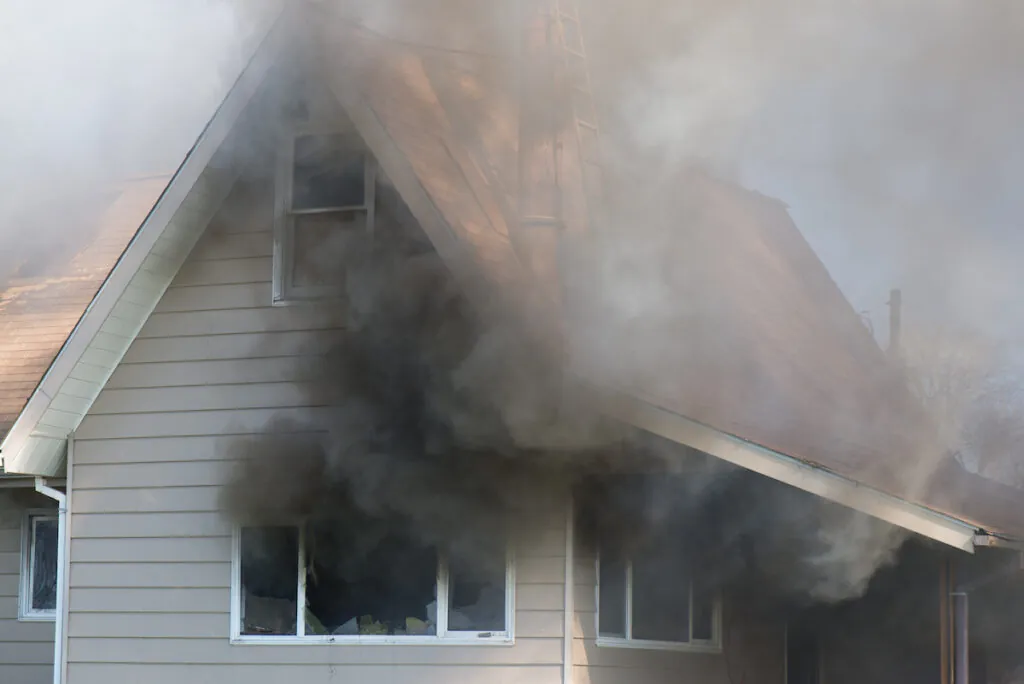
Even after a fire is extinguished, smoke, soot, and odor can continue to affect your home. Fire damage restoration services address visible damage while also helping reduce lingering effects that impact indoor air quality and surfaces.
Explore Our Fire and Smoke Damage Restoration Services
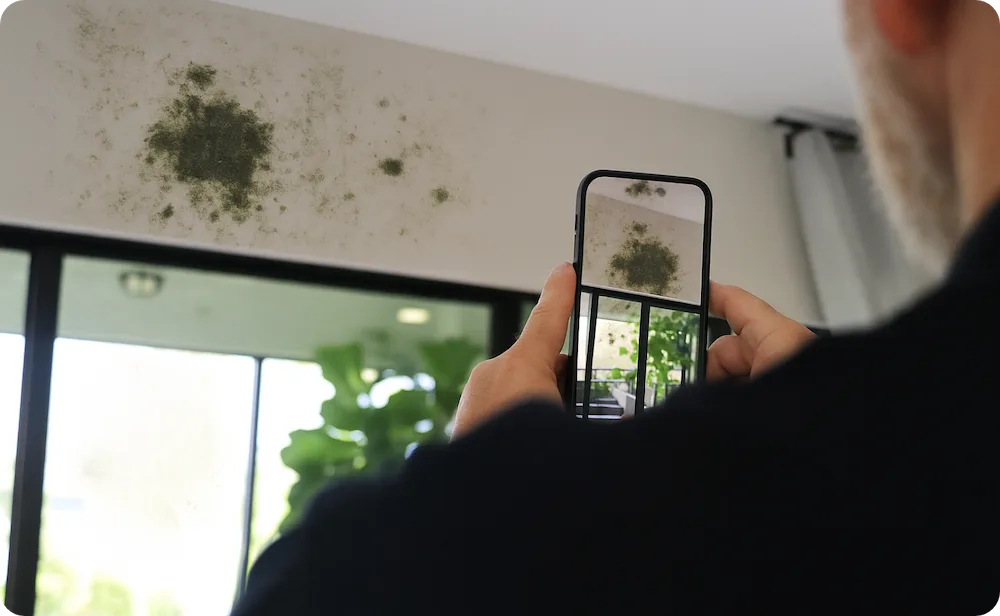
Mold often develops as a result of unresolved moisture or hidden water damage. Professional mold remediation helps identify affected areas, contain growth, and restore healthy indoor conditions.
Explore Our Mold Removal and Remediation Services
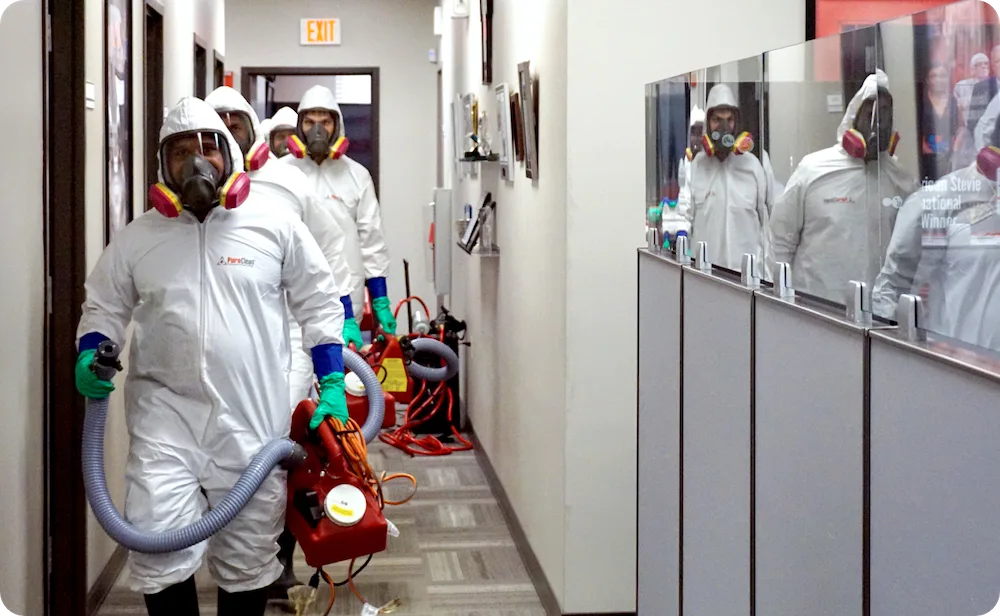
Biohazard situations, including crime scene cleanup and virus decontamination, require specialized cleaning and handling to protect health and safety. Biohazard cleanup services address contamination using proper protocols and professional care.
Explore Our Biohazard Cleanup Services
PuroClean provides 24/7 commercial property damage restoration services for businesses and facilities across the United States.
Explore Our Commercial Services
Water damage can result from unexpected leaks, flooding from storms, plumbing failures, or appliance malfunctions. Our certified teams focus on rapid water removal, drying, and stabilization to help prevent further damage and mold growth.
Explore Our Water Damage Mitigation Services
Answers to the questions Pleasant Prairie homeowners and business owners ask us most
This is one of the most common patterns we see in Pleasant Prairie, and it’s tied to the village’s underlying soil rather than proximity to any specific waterway. Much of Pleasant Prairie sits on flat, clay-heavy soil that drains poorly under normal conditions, and lake-effect precipitation can produce sudden, intense rainfall that local storm sewers aren’t built to handle. When that combination hits, water has nowhere to go quickly, and basements across the village — not just those near Barnes Creek or the lakefront — can take on water. We recommend a sump pump with battery backup for any Pleasant Prairie property that’s experienced this pattern more than once, since it’s a village-wide drainage characteristic rather than an isolated issue.
Barnes Creek is a defined, navigable waterway that flows through the village near Highway 165 and crosses under Sheridan Road on its way through Carol Beach into Lake Michigan — significant enough to carry its own National Register-listed archaeological site. Flooding along the creek corridor follows the stream’s own flow patterns and can rise independently of general village-wide stormwater conditions, meaning your property’s risk timeline may not match what’s happening elsewhere in Pleasant Prairie during the same storm. We assess creek-adjacent properties specifically for their relationship to Barnes Creek’s flow, rather than treating every Pleasant Prairie water loss as the same generic stormwater event.
It can. The Chiwaukee Prairie and adjacent Kenosha Sand Dunes make up a 485-acre National Natural Landmark and internationally recognized Ramsar wetland — land that is, by its very nature, built to hold water. Grassy wetlands and wooded areas within the preserve stay saturated for extended periods, and that high water table doesn’t necessarily stop cleanly at the preserve’s boundary. If your property sits near Chiwaukee Prairie, you may experience more persistent groundwater pressure against your foundation than a property the same distance from the lake but farther from the wetland complex. We recommend moisture mapping to confirm this pattern if you’ve noticed recurring basement dampness.
Commercial properties near Pleasant Prairie’s I-94 corridor typically involve larger footprints, more complex mechanical and electrical systems, and different stormwater infrastructure than a residential home. We assess the specific building systems and square footage before setting a mitigation plan, and we build phased containment into commercial jobs whenever possible so retail or business operations can continue in unaffected areas during the drying process. We also coordinate directly with commercial property managers and carriers on documentation, since a water loss affecting a retail or corporate park tenant often involves more complex lease and insurance structures than a typical single-family home claim.
Under normal conditions, we reach Pleasant Prairie in roughly 35 minutes from our Burlington base, via WI-142 through Kenosha and then south on I-94/I-41 to the village’s network of exits. Because Pleasant Prairie spans everything from historic shoreline neighborhoods to large-scale commercial development along the interstate, we scale our equipment and approach based on the specific property type and location from the first call. We gather full loss details up front — water source, category, standing depth, and safety concerns — so our crew arrives ready to begin extraction immediately rather than needing to reassess once on scene.
What Our Customers Say:
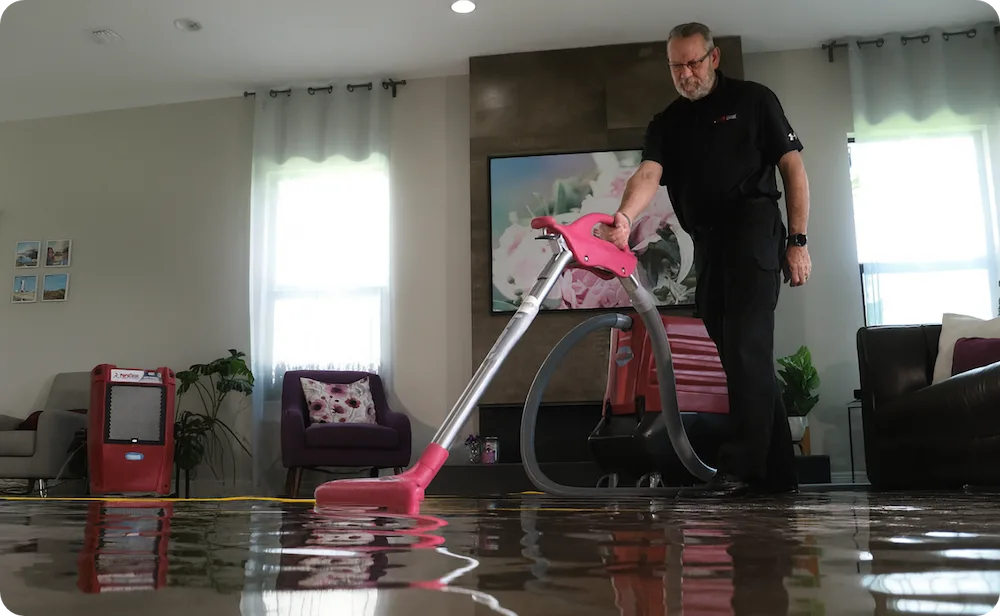
When you need water damage restoration services near you, call the experts at PuroClean. We are here day or night, 24/7, to help remove any standing water quickly and begin your water restoration service. We monitor the drying process so you can rest assured that your property is dried thoroughly. We offer commercial water restoration services for businesses and residential water damage restoration for homeowners.

PuroClean of Burlington
(262) 342-2226
151 Industrial Drive., Burlington, WI 53105


© 2026 PuroClean. All Rights Reserved.