PuroClean of Burlington — 151 Industrial Dr, Burlington, WI 53105
Bristol traces back to April 1830, when Rollin Tuttle became the area’s first settler, followed a month later by Levi Grant. The community took its name in 1836 for brothers George and Lester Bristol, and by the years before the Civil War it had become notable enough to host the first Barnum circus ever staged in Wisconsin. For generations Bristol stayed a farming township — country estates, lake homes, and working agricultural land stretched across roughly 35 square miles of Kenosha County — until residents in the northwestern corner voted to incorporate as the Village of Bristol in 2009, absorbing most of the surrounding Town of Bristol by 2010. Older place names still mark the map inside the village: Woodworth, where the old Kenosha and Rockford “KD Line” railroad once brought growth and a wartime vaccine laboratory; Pikeville and Cypress, strung along U.S. Highway 45 near the Illinois state line and the marshy edges of Mud Lake; and Bissell, one of the smaller historic crossroads absorbed into the village. Today Bristol is best known well beyond Kenosha County as home to the Bristol Renaissance Faire, the 30-acre recreation of Queen Elizabeth I’s 1574 visit to England that draws hundreds of thousands of visitors to the grounds off I-94’s Russell Road exit every summer.
That mix of open farmland, lake-adjacent subdivisions, and low-lying terrain near the Des Plaines River watershed shapes the way water moves through Bristol. Kenosha County’s own flood-preparedness materials specifically point to the Des Plaines River and Fox River floodplains as areas that filter storm runoff and hold water after heavy rain, and much of Bristol’s rural and semi-rural land sits inside that same low, flat terrain. Add the sheer number of homes on private wells and septic systems in the village’s original agricultural areas, older farmhouses converted for modern living, and subdivisions with sump-pump-dependent basements built since the 1990s, and Bristol produces a wide range of water-related calls.
We handle:
From Industrial Drive we head out on WI-142, the rural two-lane highway that runs directly from Burlington to Kenosha through the Town of Paris. That route puts us on the ground in Bristol in about 20 to 25 minutes for most calls. For homes and farms along the U.S. 45 corridor — Pikeville, Cypress, and the areas near Mud Lake close to the state line — we turn south off WI-142 onto U.S. 45 and run straight down into those older settlements. For calls closer to I-94, including the Bristol Renaissance Faire grounds and the newer subdivisions near Russell Road, we stay on WI-142 all the way to its eastern end at the interchange locals call the state’s “cheese interchange,” where Mars Cheese Castle has marked the junction with I-94 since 1947, then head north to the Russell Road exit.
Bristol’s spread-out geography — nearly 35 square miles of what used to be farmland, lake homes, and subdivisions all annexed into one village — means response time depends heavily on which part of Bristol we’re headed to. We plan routes by neighborhood rather than treating the village as a single destination, so a call from a rural property near Woodworth gets a different route than a call from a subdivision near the Renaissance Faire grounds, and either way we’re moving the moment the call comes in rather than mapping it out from scratch.
Bristol’s risk profile starts with geography that was farmland long before it was a village. At roughly 700 feet of elevation and covering nearly 35 square miles of flat to gently rolling terrain, Bristol sits inside the Des Plaines River watershed, and Kenosha County’s own flood-preparedness planning identifies the Des Plaines and Fox River floodplains as key areas that absorb and hold storm runoff across the county — floodplain terrain that runs directly through Bristol’s rural sections. That flat, low-lying land drains slowly after a heavy summer storm, which means basements and crawl spaces across the village can stay wet for days even without a river cresting nearby.
Because so much of Bristol developed as agricultural land before recent decades of subdivision growth, a large share of homes here — especially the older farmhouses near Woodworth, Pikeville, and Cypress — were built on private wells and septic systems rather than municipal utilities. Septic systems in low, flat terrain are more prone to backing up during saturated ground conditions, since the surrounding soil has nowhere to drain the effluent when the water table is already high. That combination of rural septic infrastructure and flat land is a recurring driver of Category 3 sewage-related losses in Bristol that homeowners in more urban parts of the county don’t face in the same way.
Newer subdivisions built since Bristol’s 2009 incorporation bring a different risk: sump-pump dependency. Homes on finished basements in the newer developments near I-94 rely on sump systems to manage a water table that sits close to the surface across much of the village, and a single power outage during a summer thunderstorm — common across open Kenosha County farmland with fewer trees to break the wind — can put water into a finished lower level within an hour of the pump losing power.
Winter freeze risk runs highest in Bristol’s oldest housing stock, where farmhouses built decades before modern insulation standards have plumbing runs in unheated additions, mudrooms, and exterior walls. A hard freeze after a warm stretch is a common trigger for burst pipes in these homes, particularly in the rural stretches farthest from the village center where properties sit on larger, more exposed lots.
Owned & Operated by Jennifer Wine
151 Industrial Drive., Burlington, WI, 53105
(262) 342-2226
 Antioch
Bohners Lake
Bristol
Browns Lake
Burlington
Caledonia
Camp Lake
Channel Lake
Como
Eagle Lake
Fox Lake
Franksville
Genoa City
Kenosha
Klondike
Lake Catherine
Lake Geneva
Mount Pleasant
New Munster
North Cape
Paddock Lake
Pell Lake
Pleasant Prairie
Racine
Rochester
Salem Lakes
Silver Lake
Somers
Springfield
Sturtevant
Twin Lakes
Union Grove
Wilmot
Antioch
Bohners Lake
Bristol
Browns Lake
Burlington
Caledonia
Camp Lake
Channel Lake
Como
Eagle Lake
Fox Lake
Franksville
Genoa City
Kenosha
Klondike
Lake Catherine
Lake Geneva
Mount Pleasant
New Munster
North Cape
Paddock Lake
Pell Lake
Pleasant Prairie
Racine
Rochester
Salem Lakes
Silver Lake
Somers
Springfield
Sturtevant
Twin Lakes
Union Grove
Wilmot
Water damage can result from unexpected leaks, flooding from storms, plumbing failures, or appliance malfunctions. Our certified teams focus on rapid water removal, drying, and stabilization to help prevent further damage and mold growth.
 Explore Our Water Damage Mitigation Services
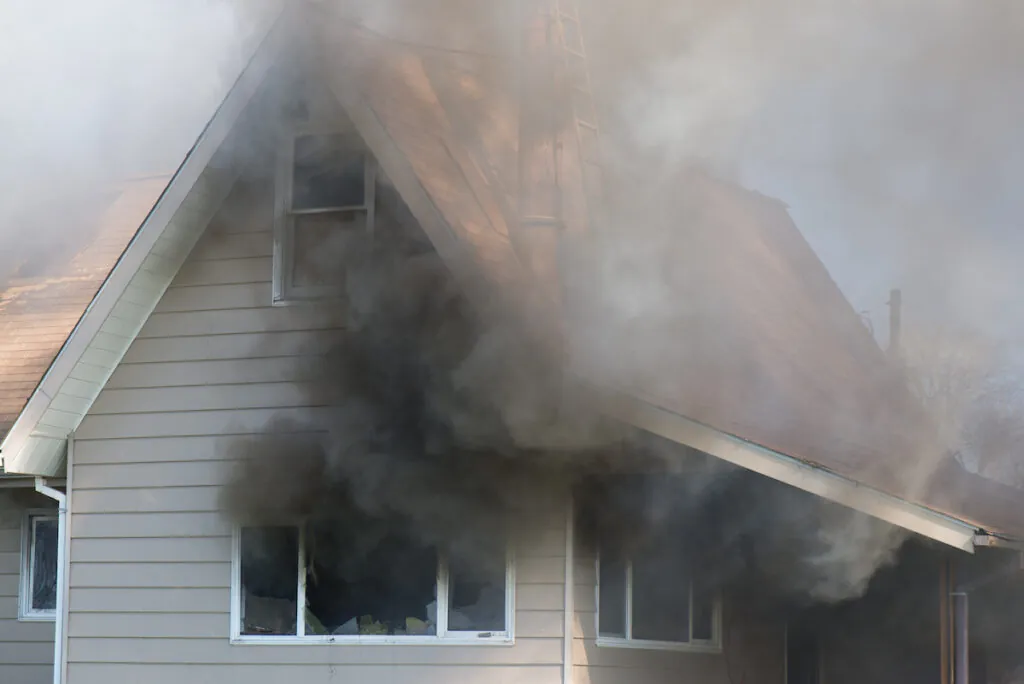
Even after a fire is extinguished, smoke, soot, and odor can continue to affect your home. Fire damage restoration services address visible damage while also helping reduce lingering effects that impact indoor air quality and surfaces.
Explore Our Fire and Smoke Damage Restoration Services
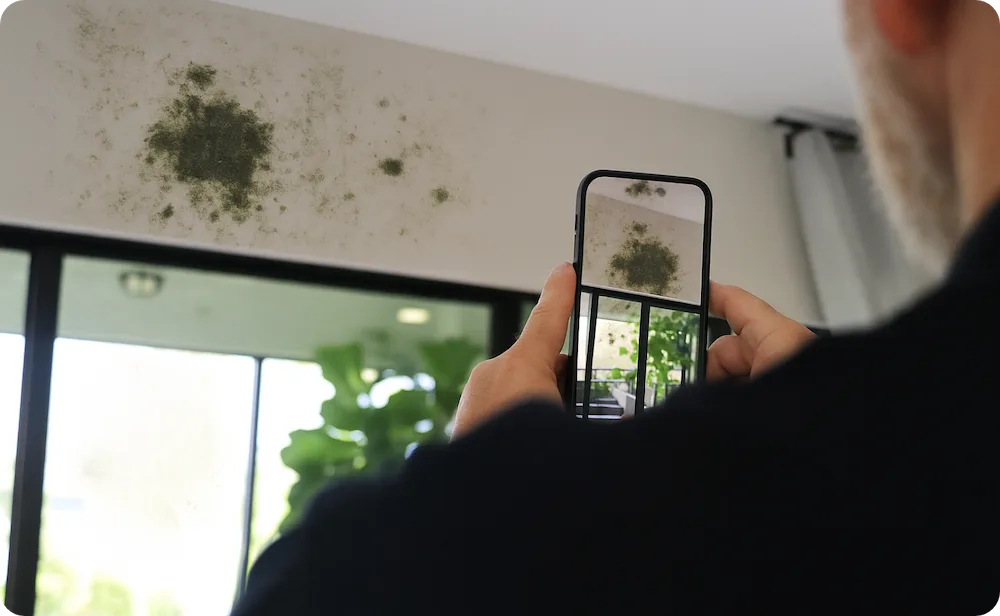
Mold often develops as a result of unresolved moisture or hidden water damage. Professional mold remediation helps identify affected areas, contain growth, and restore healthy indoor conditions.
Explore Our Mold Removal and Remediation Services
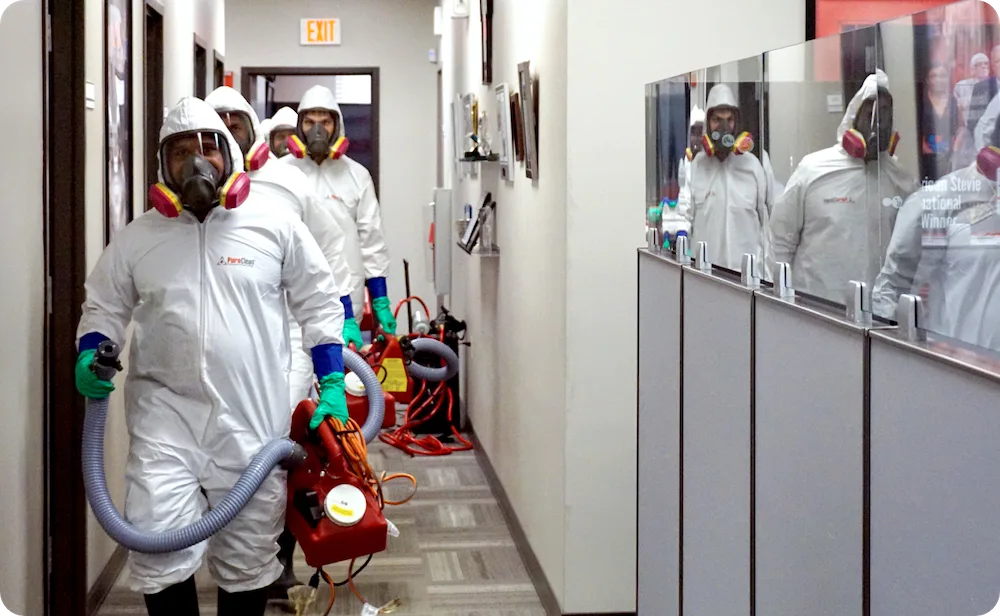
Biohazard situations, including crime scene cleanup and virus decontamination, require specialized cleaning and handling to protect health and safety. Biohazard cleanup services address contamination using proper protocols and professional care.
Explore Our Biohazard Cleanup Services
PuroClean provides 24/7 commercial property damage restoration services for businesses and facilities across the United States.
Explore Our Commercial Services
Water damage can result from unexpected leaks, flooding from storms, plumbing failures, or appliance malfunctions. Our certified teams focus on rapid water removal, drying, and stabilization to help prevent further damage and mold growth.
Explore Our Water Damage Mitigation Services
Find answers to common questions about our services
It depends on where your property sits relative to the mapped floodplain. Kenosha County’s flood-preparedness planning specifically identifies Des Plaines River and Fox River floodplain land running through Bristol’s rural sections, and if your property falls inside a FEMA-designated flood zone, your mortgage lender may already require an NFIP flood insurance policy separate from your standard homeowners coverage. Even outside a mapped flood zone, low-lying Bristol properties can still take on water from saturated ground and slow-draining fields during a heavy rain event — a loss that’s typically different from river flooding and may be covered differently by your homeowners policy. We recommend confirming your flood zone status with your agent and asking specifically how your policy treats groundwater versus overland flood water, since the distinction matters for what’s covered.
Rural Bristol properties on well and septic systems face a different risk profile than subdivision homes on municipal utilities. Septic systems in Bristol’s flat, low-lying terrain can back up when the surrounding ground is already saturated from heavy rain or spring snowmelt, since the soil has nowhere to drain the effluent — that shows up in your home as a Category 3 sewage backup, not a simple drain clog. Older farmhouses in these areas also tend to have plumbing runs added into additions, mudrooms, and exterior walls over the decades, which raises freeze risk in winter. We recommend having your septic system inspected before spring thaw each year, and if you do experience a backup, treat it as contaminated water requiring extraction, disinfection, and structural drying rather than a DIY cleanup.
Coverage depends on your policy’s sump pump or water backup endorsement, which many standard homeowners policies don’t include automatically. Newer subdivisions in Bristol built since the village incorporated in 2009 rely heavily on sump systems to manage a high water table, and a pump failure during a power outage — common in open Kenosha County farmland during summer storms — can put a foot or more of water into a finished basement within an hour. If your policy has the right endorsement, the loss is typically covered; if not, it may fall to you as a self-pay repair. We document the source, timeline, and extent of every sump-related loss thoroughly so you and your agent have what’s needed either way.
Not meaningfully outside of Faire weekends. The Bristol Renaissance Faire runs nine weekends from early July through Labor Day, and during those events traffic around the Russell Road and I-94 interchange can slow considerably. On non-Faire days, we reach that part of Bristol on WI-142 with a straight run to the interchange near Mars Cheese Castle and then north to Russell Road, typically within 25 to 30 minutes of dispatch. If your loss happens during a Faire weekend, we plan the route in advance to avoid the worst congestion, and for commercial properties near the Faire grounds, we prioritize a fast initial response to limit business interruption during the busiest season of the year.
We treat every Bristol job differently depending on which part of the roughly 35-square-mile village it’s in. An older farmhouse near Woodworth or Pikeville often has plaster walls, additions with different construction eras stacked together, and well and septic systems that change how we approach both drying and contamination control. A newer subdivision home near I-94 is more likely to be a finished basement loss from sump failure, with drywall, carpet, and contents value concentrated in a lower level built to modern code. Our technicians assess construction era and property type before setting equipment, because a one-size-fits-all drying plan doesn’t work across a village this varied — and neither does a one-size-fits-all approach to what needs to be removed versus dried in place.
What Our Customers Say:
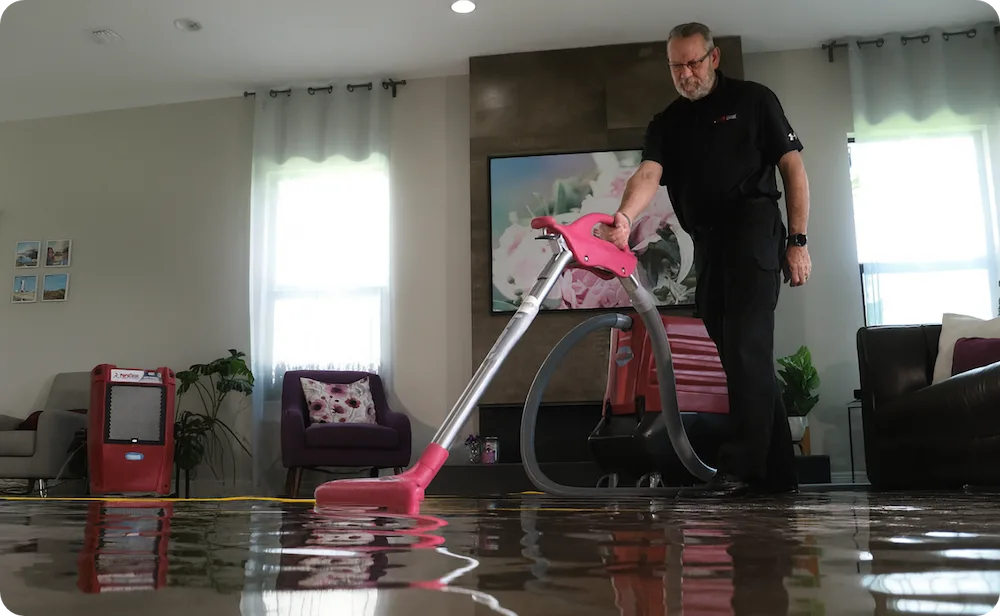
When you need water damage restoration services near you, call the experts at PuroClean. We are here day or night, 24/7, to help remove any standing water quickly and begin your water restoration service. We monitor the drying process so you can rest assured that your property is dried thoroughly. We offer commercial water restoration services for businesses and residential water damage restoration for homeowners.

PuroClean of Burlington
(262) 342-2226
151 Industrial Drive., Burlington, WI 53105


© 2026 PuroClean. All Rights Reserved.