PuroClean of Burlington — 151 Industrial Dr, Burlington, WI 53105
Mount Pleasant’s history stretches back to the late 1820s, when brothers Jacques and Louis Vieaux established a fur trading post with the Potawatomi at a site then known as Skunk Grove — a historic marker still stands at the location today, within the modern boundaries of the Town of Mount Pleasant. The township was formally established in 1842, the same year Jerome Increase Case brought his threshing machines to Wisconsin and founded the company that would become Case IH; though branded as a Racine operation, Case IH’s Magnum tractor and axle manufacturing plant actually sits within Mount Pleasant’s 36 square miles, part of a manufacturing base that also includes SC Johnson and InSinkErator facilities. Mount Pleasant remained a town for well over a century before incorporating as a village in 1961. Its most dramatic transformation came far more recently: in October 2017, Foxconn Technology Group announced plans for a manufacturing campus here, and while the project never reached its originally promised scale, the site’s 100-foot-tall globe-shaped High-Performance Computing Data Center — visible from I-94 — remains a landmark of the Wisconn Valley Science and Technology Park. In 2026, Microsoft opened its Fairwater data center on adjacent land, a project village president David DeGroot called a “historic milestone” for the community.
That development history carries real water-related consequences, because Mount Pleasant sits at the literal headwaters of the Des Plaines River watershed — a river that flows south through Kenosha County into the Chicago suburbs of Illinois, where it has caused record flood damage to thousands of homes in recent years. The scale of the Foxconn project raised enough concern about downstream flooding that Illinois’s U.S. senators formally asked the Army Corps of Engineers to intervene, citing the loss of wetlands — which naturally absorb stormwater — to industrial development. Regional planners studied the issue and concluded Mount Pleasant’s stormwater ordinance was sufficient to prevent increased flood flows, but the underlying dynamic remains: Mount Pleasant sits at the top of a watershed that responds directly to how the land here manages water. Add a mix of century-old agricultural land, established residential neighborhoods, and rapidly expanding technology-sector construction, and Mount Pleasant produces one of the more layered water damage profiles in our service area.
We handle:
Mount Pleasant sits about 22 miles east of our Industrial Drive facility, and we make the trip on WI-11, which runs nearly directly from Burlington through Union Grove into Mount Pleasant, intersecting I-94 and I-41 at the eastern edge of the village.
That route puts us on scene in roughly 30 minutes under normal conditions. For calls near the Wisconn Valley Science and Technology Park and the Foxconn and Microsoft data center campuses, WI-11 connects directly to the interstate interchange serving that corridor. For residential neighborhoods throughout the village’s 36 square miles, we adjust our approach based on the specific area, since Mount Pleasant spans everything from older agricultural sections to newer subdivisions to the rapidly developing technology corridor.
Because Mount Pleasant includes both established residential areas and major commercial and industrial development, we scale our response accordingly — a residential basement flood and a commercial or light-industrial water loss near the technology park call for different equipment and a different initial approach, and we plan for that difference from the first call.
Mount Pleasant’s most distinctive water risk factor is its position at the headwaters of the Des Plaines River watershed. The Des Plaines River begins at the southern edge of Racine County and flows south through Kenosha County into the Chicago suburbs, where it has caused documented, severe flooding in recent years — 2017 flooding along the river damaged more than 6,000 buildings and prompted disaster declarations across multiple Illinois counties, records that were themselves broken again in 2018. Because Mount Pleasant sits at the top of this watershed, how land here manages stormwater has real consequences both locally and for communities miles downstream.
That headwaters position became a formal concern during the Foxconn development, when the project’s scale and its filling of wetlands — up to 26 acres, according to federal officials — raised alarm among Illinois lawmakers about reduced natural stormwater absorption capacity upstream. Wetlands play a critical role in slowing and absorbing runoff before it reaches a river system, and their conversion to industrial and commercial use anywhere in the watershed can shift more water, faster, toward downstream properties. Regional planners at SEWRPC evaluated the development’s impact on regulatory flood flows and concluded the village’s stormwater ordinance was designed to manage the increased runoff, but the underlying tension between development and natural drainage capacity remains a defining feature of how water moves through Mount Pleasant today.
Beyond the Des Plaines corridor, Mount Pleasant’s older agricultural land and established residential neighborhoods carry the same risks common throughout Racine County’s rural-to-suburban transition areas: farmhouses and older homes with plumbing added in stages over decades, crawl spaces and basements vulnerable to groundwater pressure during wet seasons, and a mix of well-and-septic rural properties alongside municipally serviced residential subdivisions. The village’s rapid recent growth around the technology corridor also means a meaningful share of newer commercial and light-industrial construction, which brings its own considerations around large-footprint stormwater management and mechanical systems that differ substantially from residential drying and mitigation work.
Owned & Operated by Jennifer Wine
151 Industrial Drive., Burlington, WI, 53105
(262) 342-2226
 Antioch
Bohners Lake
Bristol
Browns Lake
Burlington
Caledonia
Camp Lake
Channel Lake
Como
Eagle Lake
Fox Lake
Franksville
Genoa City
Kenosha
Klondike
Lake Catherine
Lake Geneva
Mount Pleasant
New Munster
North Cape
Paddock Lake
Pell Lake
Pleasant Prairie
Racine
Rochester
Salem Lakes
Silver Lake
Somers
Springfield
Sturtevant
Twin Lakes
Union Grove
Wilmot
Antioch
Bohners Lake
Bristol
Browns Lake
Burlington
Caledonia
Camp Lake
Channel Lake
Como
Eagle Lake
Fox Lake
Franksville
Genoa City
Kenosha
Klondike
Lake Catherine
Lake Geneva
Mount Pleasant
New Munster
North Cape
Paddock Lake
Pell Lake
Pleasant Prairie
Racine
Rochester
Salem Lakes
Silver Lake
Somers
Springfield
Sturtevant
Twin Lakes
Union Grove
Wilmot
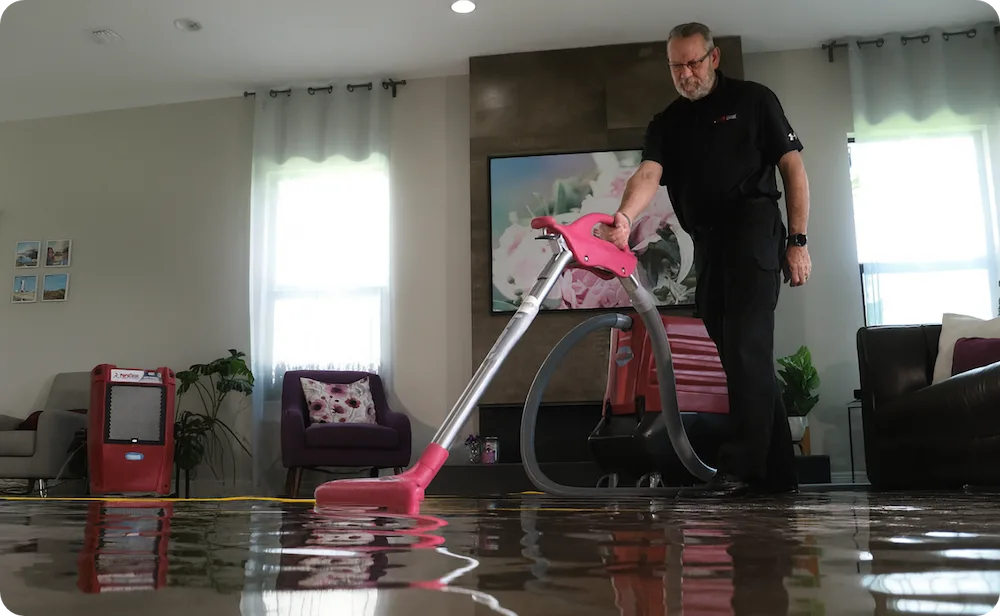
Water damage can result from unexpected leaks, flooding from storms, plumbing failures, or appliance malfunctions. Our certified teams focus on rapid water removal, drying, and stabilization to help prevent further damage and mold growth.
 Explore Our Water Damage Mitigation Services
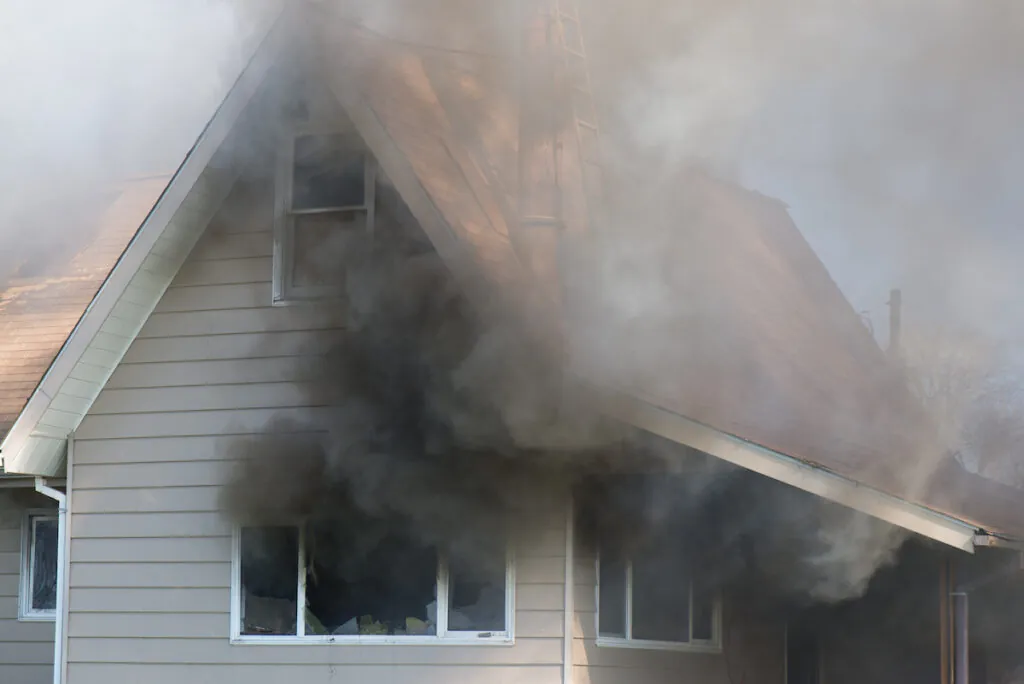
Even after a fire is extinguished, smoke, soot, and odor can continue to affect your home. Fire damage restoration services address visible damage while also helping reduce lingering effects that impact indoor air quality and surfaces.
Explore Our Fire and Smoke Damage Restoration Services
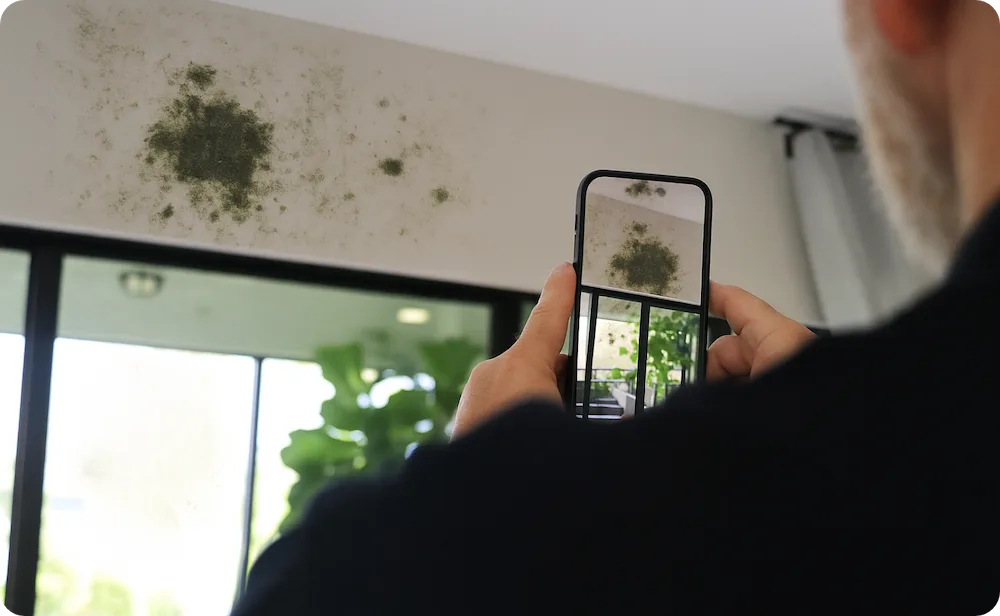
Mold often develops as a result of unresolved moisture or hidden water damage. Professional mold remediation helps identify affected areas, contain growth, and restore healthy indoor conditions.
Explore Our Mold Removal and Remediation Services
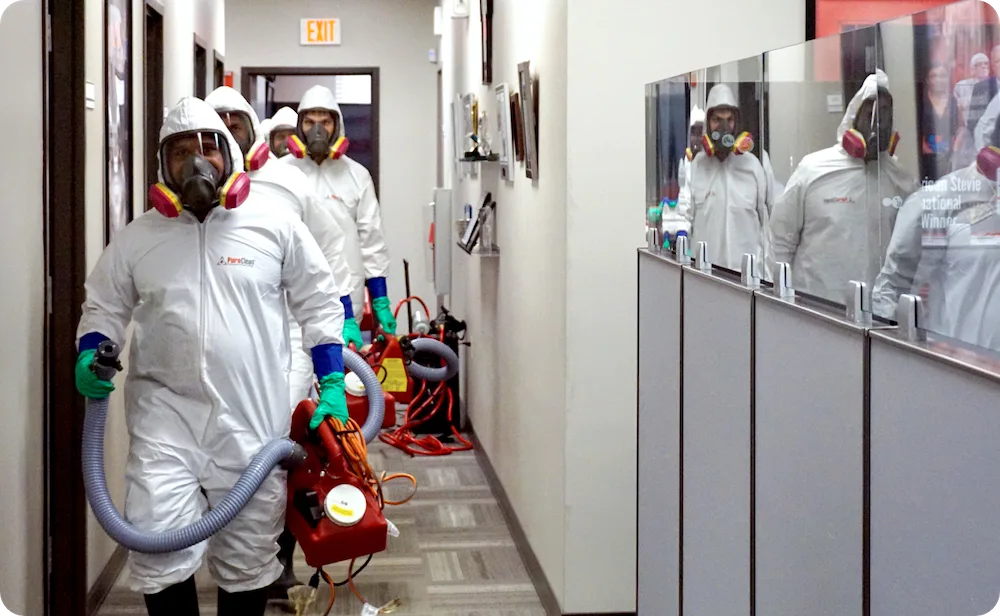
Biohazard situations, including crime scene cleanup and virus decontamination, require specialized cleaning and handling to protect health and safety. Biohazard cleanup services address contamination using proper protocols and professional care.
Explore Our Biohazard Cleanup Services
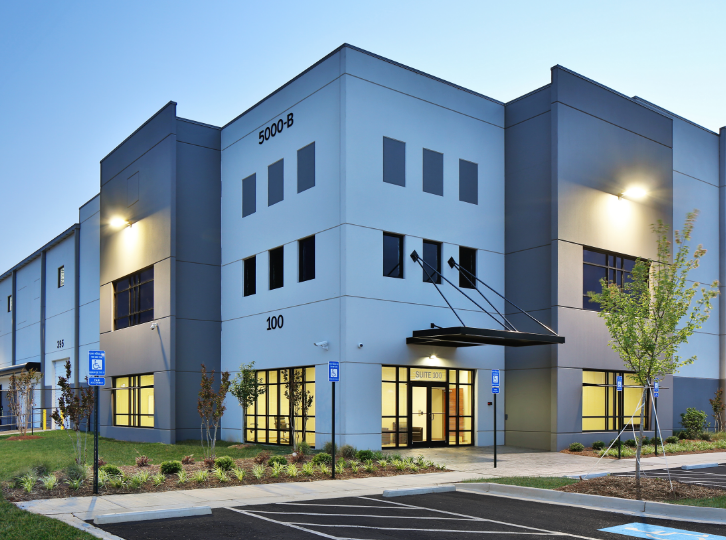
PuroClean provides 24/7 commercial property damage restoration services for businesses and facilities across the United States.
Explore Our Commercial Services
Water damage can result from unexpected leaks, flooding from storms, plumbing failures, or appliance malfunctions. Our certified teams focus on rapid water removal, drying, and stabilization to help prevent further damage and mold growth.
Explore Our Water Damage Mitigation Services
Answers to the questions Mount Pleasant homeowners and business owners ask us most
It can, depending on your property’s specific location and drainage relative to the watershed. Mount Pleasant sits at the very top of the Des Plaines River watershed, and the river has a documented history of severe flooding downstream in Illinois, including 2017 flooding that damaged more than 6,000 buildings. Properties in Mount Pleasant closer to the headwaters and drainage channels feeding the river may experience more direct stormwater-related flooding than properties elsewhere in the village. We recommend checking your specific flood zone status with your insurance agent and understanding how your property’s local drainage connects to the broader Des Plaines system, since headwaters properties don’t always carry the same visible flood-zone designation as riverside properties further downstream.
The development filled up to 26 acres of wetlands, according to federal officials, and wetlands play an important role in absorbing and slowing stormwater runoff before it reaches a river system. That loss of natural absorption capacity raised formal concerns from Illinois lawmakers about increased downstream flooding, since Mount Pleasant sits at the headwaters of the Des Plaines River watershed. Regional planners at SEWRPC studied the specific development zone and concluded the village’s stormwater ordinance was designed to manage the additional runoff without increasing downstream flood flows, but the underlying reduction in natural wetland absorption capacity across the broader watershed remains part of the area’s water management picture going forward.
Older Mount Pleasant farmhouses, some connected to the area’s agricultural roots dating back to the township’s 1842 founding, often face different risks than newer construction near the technology corridor. Many rely on private wells and septic systems, which can back up when the surrounding ground is saturated from heavy rain, and plumbing in these homes is frequently added in stages over decades, raising freeze risk in winter and creating hidden moisture vulnerabilities in additions and outbuildings. We recommend annual septic inspections for rural Mount Pleasant properties, particularly given the area’s position at the top of the Des Plaines watershed, where the underlying soil conditions can affect how well a septic field drains during wet periods.
Commercial and light-industrial properties near the technology corridor typically involve larger footprints, more complex mechanical systems, and different stormwater management infrastructure than a residential home, all of which change how we approach a water loss. We assess the specific building systems, square footage, and any specialized equipment on site before setting a mitigation plan, and we build phased containment into commercial jobs whenever possible so operations can continue in unaffected areas during the drying process. We also coordinate directly with commercial property managers and carriers on documentation, since commercial claims near a development area like this one often involve more complex ownership and insurance structures than a typical single-family home.
Under normal conditions, we reach Mount Pleasant in roughly 30 minutes from our Burlington base via WI-11, which runs nearly directly through Union Grove into the village and connects to the I-94/I-41 interchange serving the Wisconn Valley technology corridor. Because Mount Pleasant spans everything from older agricultural sections to established residential neighborhoods to major new commercial development, we scale our equipment and approach based on the specific property type and location from the first call, rather than treating every Mount Pleasant loss the same way. That preparation means our crew arrives ready for the actual scope of the job, not just a generic response.
What Our Customers Say:
When you need water damage restoration services near you, call the experts at PuroClean. We are here day or night, 24/7, to help remove any standing water quickly and begin your water restoration service. We monitor the drying process so you can rest assured that your property is dried thoroughly. We offer commercial water restoration services for businesses and residential water damage restoration for homeowners.

PuroClean of Burlington
(262) 342-2226
151 Industrial Drive., Burlington, WI 53105


© 2026 PuroClean. All Rights Reserved.