PuroClean of Burlington — 151 Industrial Dr, Burlington, WI 53105
Springfield sits just northeast of Lake Geneva in the Town of Lyons, a small unincorporated community of just eight streets whose history stretches back nearly two hundred years — long enough that many of its earliest settlers, some of whom fought in the Civil War, rest today in the nearby Union Cemetery. The community was once a stop on the Racine & Southwestern branch of the Milwaukee Road railroad, and though that line was abandoned in the Milwaukee Road’s 1980 bankruptcy, the old Springfield depot survives, now serving as a cafe and rest stop for cyclists and hikers on the White River State Trail. Springfield was also the hometown of Wisconsin State Assemblyman Thomas W. Hill, and a handful of Victorian-era homes remain scattered among the town’s eight streets, some renovated and well-kept, others showing their age. Just south of town, the White River itself winds through 200 acres of county-managed parkland near Lyons, where the remains of a 19th-century mill dam are still visible along Sheridan Springs Road. Springfield sits at a genuine highway landmark, too: it’s the official southern terminus of Wisconsin Highway 36, the road that runs northeast from this small crossroads all the way to Milwaukee, with Highway 120 crossing through town on its way south to Lake Geneva.
That river-valley, rail-depot history shapes Springfield’s water damage risk. The White River runs close enough to town that the White River State Trail itself has suffered documented water damage — a trail bridge between the Town of Lyons and Spring Valley Road near Burlington was closed after sustaining water damage, a reminder that this stretch of the White River corridor is an active, sometimes flood-prone waterway rather than a placid backdrop. Add a small, historic community with a mix of well-maintained and aging Victorian housing stock, several structures already flagged as unsafe due to deterioration, and a rural setting where properties often rely on private wells and septic systems, and Springfield produces a water damage profile shaped by both its age and its river-valley geography.
We handle:
Springfield sits about 12 miles southwest of our Industrial Drive facility, and we reach it directly via WI-36, the same highway that carries us to Lake Geneva — Springfield sits at the far southwestern end of WI-36, where it meets WI-120.
That route puts us on scene in roughly 20 minutes under normal conditions. From Burlington we head west on WI-36 through the Town of Lyons, passing the White River State Trail crossing near Spring Valley Road, and continue directly into Springfield at the WI-36/WI-120 junction. Because Springfield sits right on this highway rather than down a network of unmarked rural roads, our approach is direct regardless of which of the town’s eight streets a property sits on.
For rural properties throughout the broader Town of Lyons, including areas near the White River and White River Park, we adjust our route slightly based on the specific county road, but the entire township stays within a consistent response window given its proximity to our Burlington base.
Springfield’s risk profile centers on its position near the White River, which flows through the Town of Lyons just south of the community on its way toward Burlington and eventually the Fox River system. This isn’t a river known primarily for catastrophic flooding, but it is an active waterway — clear, spring-fed, and popular with kayakers navigating its riffles and a stretch of Class II rapids — and the surrounding valley floods predictably enough that infrastructure built along it has to account for that reality. A recent example: a bridge on the White River State Trail between the Town of Lyons and Spring Valley Road near Burlington was closed specifically due to water damage, illustrating that even trail infrastructure built to handle outdoor conditions isn’t immune to this river valley’s water dynamics.
Springfield’s historic housing stock adds a distinctive layer of risk. The community’s Victorian-era homes, some dating back nearly two centuries to the town’s earliest settlement, include structures in a range of conditions — some well-maintained and renovated, others documented as unsafe due to deterioration. Older, poorly maintained structures are especially vulnerable to water intrusion, since compromised rooflines, foundations, and window seals let water in through multiple points rather than a single identifiable source, complicating both the assessment and mitigation process.
Because Springfield and the surrounding Town of Lyons remain rural and largely unincorporated, most properties rely on private wells and septic systems rather than municipal utilities. Septic systems on rural land near an active river valley are vulnerable to backing up when the surrounding ground is already saturated from heavy rain or spring snowmelt, a recurring concern throughout our Walworth County territory’s rural communities.
Winter freeze risk in Springfield follows the pattern common to the town’s oldest buildings: original or long-aged plumbing systems, sometimes in structures with known maintenance issues, face elevated burst-pipe risk during a hard freeze, particularly in homes that see reduced heating or occupancy during Wisconsin’s coldest months.
Owned & Operated by Jennifer Wine
151 Industrial Drive., Burlington, WI, 53105
(262) 342-2226
 Antioch
Bohners Lake
Bristol
Browns Lake
Burlington
Caledonia
Camp Lake
Channel Lake
Como
Eagle Lake
Fox Lake
Franksville
Genoa City
Kenosha
Klondike
Lake Catherine
Lake Geneva
Lake Shangrila
Mount Pleasant
New Munster
North Cape
Paddock Lake
Pell Lake
Pleasant Prairie
Powers Lake
Racine
Rochester
Salem Lakes
Silver Lake
Somers
Springfield
Sturtevant
Twin Lakes
Union Grove
Wilmot
Antioch
Bohners Lake
Bristol
Browns Lake
Burlington
Caledonia
Camp Lake
Channel Lake
Como
Eagle Lake
Fox Lake
Franksville
Genoa City
Kenosha
Klondike
Lake Catherine
Lake Geneva
Lake Shangrila
Mount Pleasant
New Munster
North Cape
Paddock Lake
Pell Lake
Pleasant Prairie
Powers Lake
Racine
Rochester
Salem Lakes
Silver Lake
Somers
Springfield
Sturtevant
Twin Lakes
Union Grove
Wilmot
Water damage can result from unexpected leaks, flooding from storms, plumbing failures, or appliance malfunctions. Our certified teams focus on rapid water removal, drying, and stabilization to help prevent further damage and mold growth.
 Explore Our Water Damage Mitigation Services
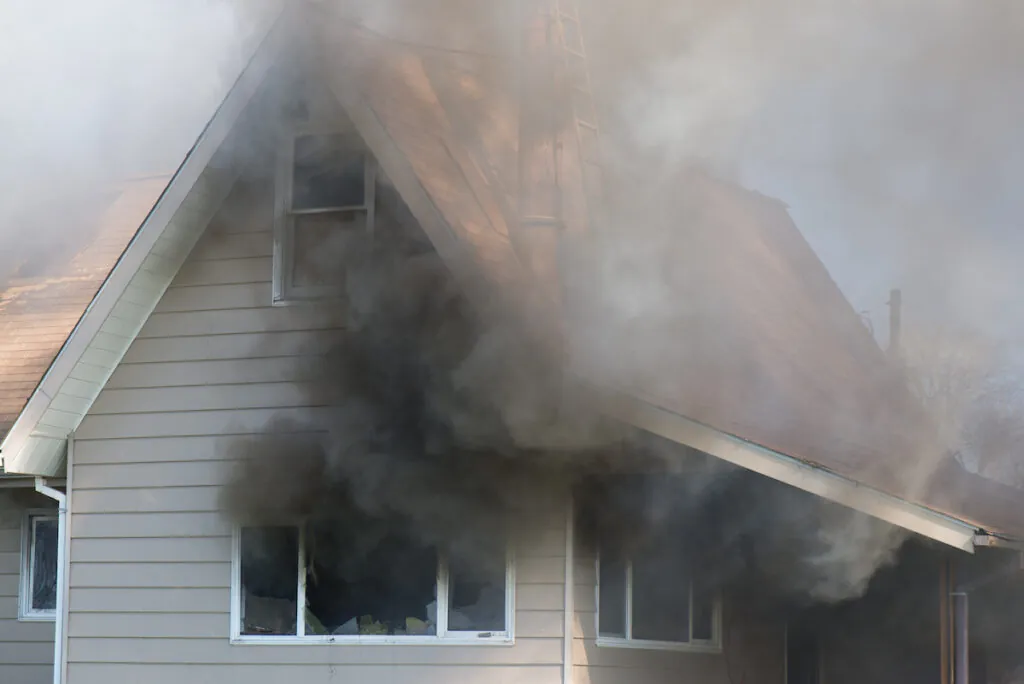
Even after a fire is extinguished, smoke, soot, and odor can continue to affect your home. Fire damage restoration services address visible damage while also helping reduce lingering effects that impact indoor air quality and surfaces.
Explore Our Fire and Smoke Damage Restoration Services
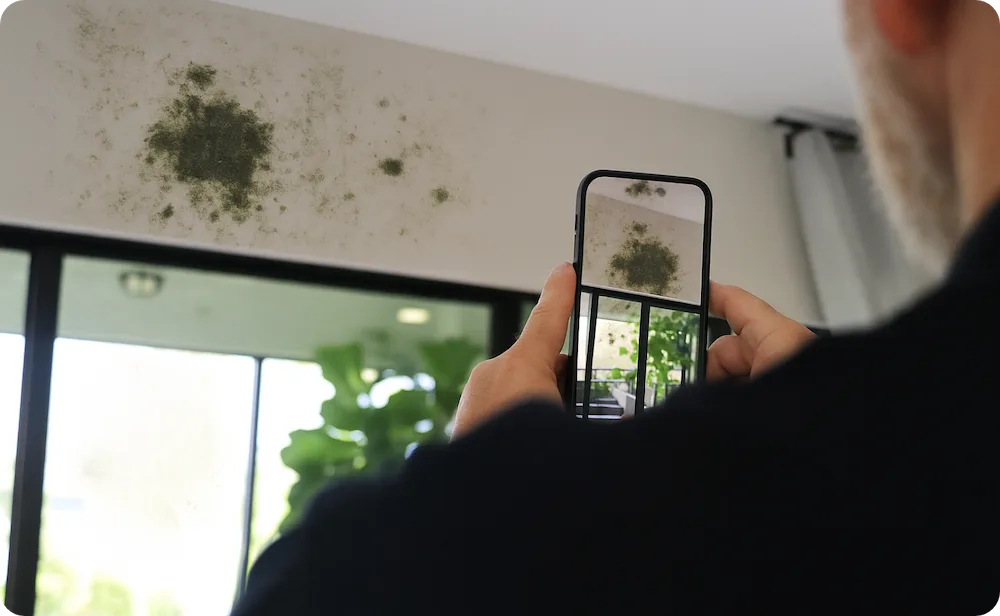
Mold often develops as a result of unresolved moisture or hidden water damage. Professional mold remediation helps identify affected areas, contain growth, and restore healthy indoor conditions.
Explore Our Mold Removal and Remediation Services
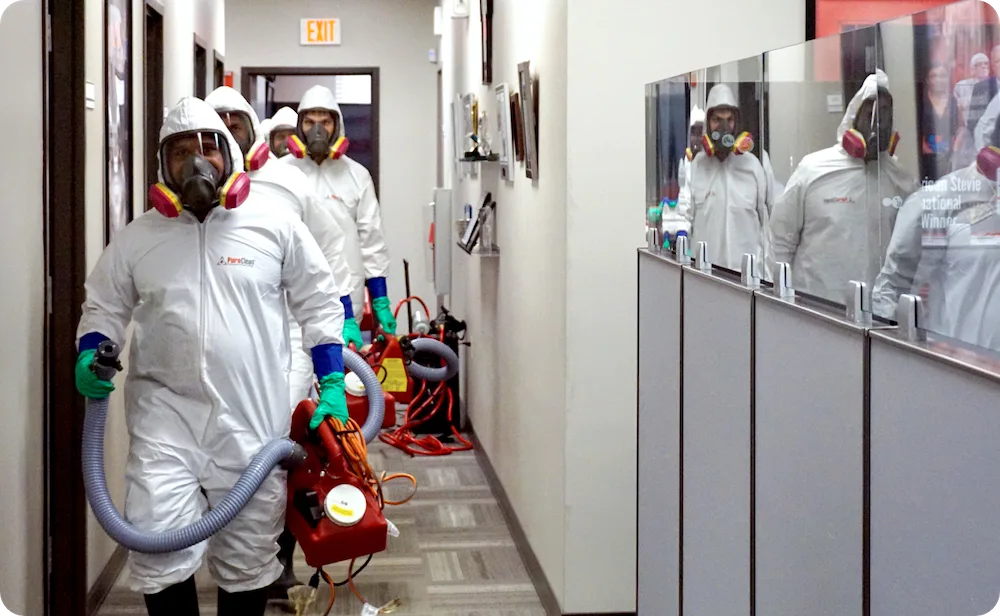
Biohazard situations, including crime scene cleanup and virus decontamination, require specialized cleaning and handling to protect health and safety. Biohazard cleanup services address contamination using proper protocols and professional care.
Explore Our Biohazard Cleanup Services
PuroClean provides 24/7 commercial property damage restoration services for businesses and facilities across the United States.
Explore Our Commercial Services
Water damage can result from unexpected leaks, flooding from storms, plumbing failures, or appliance malfunctions. Our certified teams focus on rapid water removal, drying, and stabilization to help prevent further damage and mold growth.
Explore Our Water Damage Mitigation Services
Answers to the questions Springfield homeowners ask us most
It’s a relevant data point, yes. The closed trail bridge, located between the Town of Lyons and Spring Valley Road near Burlington, shows that this stretch of the White River valley experiences real water-related stress on infrastructure, not just occasional high water that passes without consequence. While the White River isn’t primarily known for catastrophic flooding the way some larger regional rivers are, it’s an active waterway that clearly affects structures built near or across it. If your Springfield property sits close to the river or in the surrounding valley, it’s worth having your flood risk and drainage assessed rather than assuming the river is purely a scenic, low-risk feature.
Significantly, especially if the home hasn’t been consistently maintained. Springfield’s Victorian-era housing stock spans a wide range of conditions, and some structures in town have been documented as unsafe due to deterioration. Older homes with compromised rooflines, aging foundations, or failing window seals let water in through multiple points rather than one identifiable source, which complicates both finding the cause and stopping it. If you own an older Springfield home, especially one that hasn’t had recent roof, foundation, or window work, we recommend a professional moisture assessment even without an active leak, since deteriorating older structures often have hidden water intrusion before it becomes visible damage.
Rural Town of Lyons properties on well and septic systems face elevated backup risk when the surrounding ground is already saturated, which happens more readily near an active river valley like the White River corridor. A septic backup under those conditions is a Category 3 sewage loss requiring professional extraction and disinfection, not a simple clog. We recommend annual septic inspections for rural properties in this area, particularly ones close to the river or in low-lying parts of the valley, and treating any backup — especially one following heavy rain or spring snowmelt — as contaminated water needing prompt professional response.
The former Milwaukee Road depot, now serving cyclists and hikers on the White River State Trail as a cafe and rest stop, is a historic structure that predates modern drainage and waterproofing standards, similar to much of Springfield’s older building stock. Any building with this kind of age and history benefits from periodic professional moisture assessment, particularly given its proximity to the trail and, by extension, the river valley the trail follows. If you manage or maintain a historic structure like this in Springfield, documenting its construction history and any past water intrusion helps speed a professional response if a loss does occur.
Springfield sits about 12 miles from our Burlington base, and we reach it directly via WI-36, which runs from Burlington through the Town of Lyons to Springfield’s location at the WI-36/WI-120 junction. Under normal conditions, that puts us on scene in roughly 20 minutes. Because Springfield sits right on this highway rather than down a network of rural roads, our approach is direct regardless of which of the town’s eight streets a property sits on, and the same quick response window extends to rural properties throughout the surrounding Town of Lyons.
What Our Customers Say:
When you need water damage restoration services near you, call the experts at PuroClean. We are here day or night, 24/7, to help remove any standing water quickly and begin your water restoration service. We monitor the drying process so you can rest assured that your property is dried thoroughly. We offer commercial water restoration services for businesses and residential water damage restoration for homeowners.

PuroClean of Burlington
(262) 342-2226
151 Industrial Drive., Burlington, WI 53105


© 2026 PuroClean. All Rights Reserved.