PuroClean of Burlington — 151 Industrial Dr, Burlington, WI 53105
Lake Catherine sits in the far northwestern corner of Lake County, Illinois, bordered by Kenosha County, Wisconsin to the north, the village of Antioch to the east, and the community of Channel Lake to the west. The lake that gives the community its name is technically a bay of Channel Lake rather than a separate body of water, fed by Trevor Creek flowing down from Wisconsin — a flow strong enough over time to erode the connection that links Lake Catherine to Channel Lake and, through it, to the rest of the Chain O’Lakes system. At 165 acres with roughly 6.2 miles of shoreline and a depth reaching close to 40 feet in places, Lake Catherine is deeper than most of its neighboring Chain lakes, and it remains a private lake with no public access point other than through the marina — a distinction that has kept its shoreline more exclusive than the more heavily trafficked lakes elsewhere on the Chain. Illinois Route 173 runs directly through the community, connecting east to Antioch and, sixteen miles further, to Zion, and west nine miles to Richmond. Like the rest of Antioch Township — home to more than twenty lakes across just over 42 square miles — Lake Catherine developed as part of the broader Chain O’Lakes resort economy that drew Chicagoans north by rail beginning in the late 1800s, before the region’s cottages gradually converted to year-round homes through the 20th century.
That connection to the broader Chain O’Lakes system, fed by a Wisconsin creek and linked directly to Channel Lake’s floodplain, shapes Lake Catherine’s water damage risk. Because Lake Catherine sits at the very top of the Chain’s watershed, it responds to the same regional flood dynamics that affect Channel Lake, Fox Lake, and the rest of the system when the Fox River corridor rises during sustained heavy rain. Add a mix of older lakefront cottages and newer construction along a shoreline shaped by erosion from Trevor Creek, and Lake Catherine produces a water damage profile closely tied to its position at the Chain’s Wisconsin-fed headwaters.
We handle:
Lake Catherine sits about 24 miles south of our Industrial Drive facility, and we reach it the same way we reach our other Chain O’Lakes communities: south on WI-83 from Burlington through Rochester and Silver Lake, through the Town of Salem, where the highway becomes Antioch Road before crossing into Illinois and turning into IL-83, or Main Street, through downtown Antioch. From Antioch, we pick up IL-173 heading west, which runs directly through the Lake Catherine community on its way toward Richmond.
That route puts us on scene in roughly 35 to 40 minutes under normal conditions. Because Lake Catherine is a private lake with limited access points, we confirm the specific route to a shoreline property before dispatching whenever possible, since not every part of the community is reachable the same way a typical subdivision would be.
Because Lake Catherine sits directly on the Wisconsin border and connects to Illinois’s Chain O’Lakes flood system, we treat every call here as a cross-jurisdiction dispatch — confirming Illinois-specific insurance and contractor documentation are in place before work begins, and coordinating with local authorities on road and access conditions during active Chain O’Lakes flood events.
Lake Catherine’s risk profile starts with its position at the literal headwaters of the Illinois portion of the Chain O’Lakes system. The lake is fed by Trevor Creek flowing south from Wisconsin, and that creek’s flow was strong enough over time to erode the natural channel connecting Lake Catherine to neighboring Channel Lake — the same erosive force that shapes shoreline stability today. Because Lake Catherine sits this close to the Wisconsin border and receives water directly from a cross-border creek system, it can respond to heavy rain in southeastern Wisconsin nearly as quickly as it responds to rain falling locally, giving property owners here less warning time than communities further down the Chain.
Lake Catherine’s connection to Channel Lake also ties its flood risk directly to documented Chain O’Lakes flood events. Because the two lakes share a connecting channel, water levels on Lake Catherine track closely with conditions on Channel Lake, which has its own documented history of exceeding major flood stage during sustained regional rain events. A rise on one side of that connection generally means a corresponding rise on the other, so Lake Catherine property owners should treat Channel Lake’s flood-stage reports as directly relevant to their own risk, not just a neighboring community’s concern.
The lake’s depth adds a further wrinkle. At close to 40 feet in places, Lake Catherine is considerably deeper than many of its Chain neighbors, which means shoreline erosion and bank stability — driven by both wave action from boat traffic on a lake popular for its recreational water quality and the underlying creek flow from Trevor Creek — are an ongoing concern for foundations built close to the water. Older lakefront cottages, many converted from seasonal to year-round use over the decades as the broader Chain O’Lakes region’s tourism economy declined after the Great Depression, often have plumbing added into additions and crawl spaces not part of the original construction, raising both freeze risk in winter and moisture vulnerability during wet seasons.
Owned & Operated by Jennifer Wine
151 Industrial Drive., Burlington, WI, 53105
(262) 342-2226
 Antioch
Bohners Lake
Bristol
Browns Lake
Burlington
Caledonia
Camp Lake
Channel Lake
Como
Eagle Lake
Fox Lake
Franksville
Genoa City
Kenosha
Klondike
Lake Catherine
Lake Geneva
Mount Pleasant
New Munster
North Cape
Paddock Lake
Pell Lake
Pleasant Prairie
Racine
Rochester
Salem Lakes
Silver Lake
Somers
Springfield
Sturtevant
Twin Lakes
Union Grove
Wilmot
Antioch
Bohners Lake
Bristol
Browns Lake
Burlington
Caledonia
Camp Lake
Channel Lake
Como
Eagle Lake
Fox Lake
Franksville
Genoa City
Kenosha
Klondike
Lake Catherine
Lake Geneva
Mount Pleasant
New Munster
North Cape
Paddock Lake
Pell Lake
Pleasant Prairie
Racine
Rochester
Salem Lakes
Silver Lake
Somers
Springfield
Sturtevant
Twin Lakes
Union Grove
Wilmot
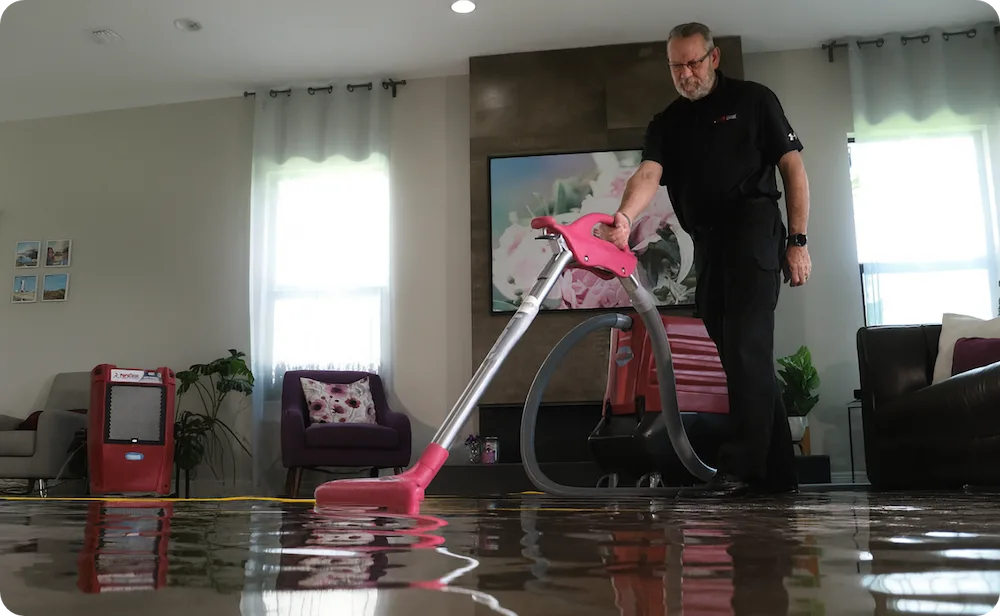
Water damage can result from unexpected leaks, flooding from storms, plumbing failures, or appliance malfunctions. Our certified teams focus on rapid water removal, drying, and stabilization to help prevent further damage and mold growth.
 Explore Our Water Damage Mitigation Services
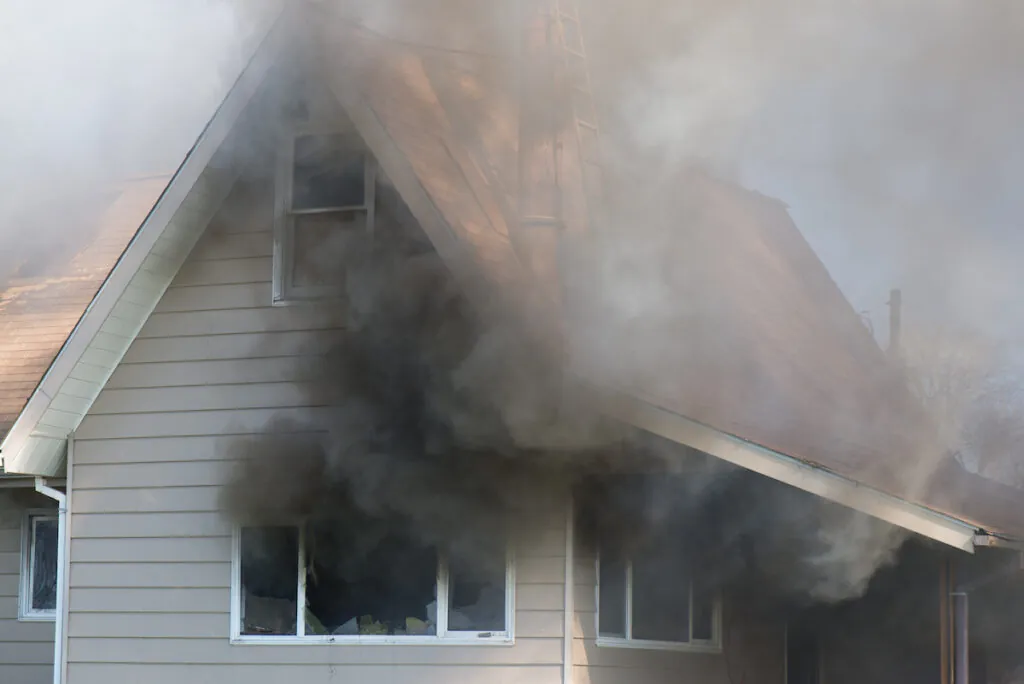
Even after a fire is extinguished, smoke, soot, and odor can continue to affect your home. Fire damage restoration services address visible damage while also helping reduce lingering effects that impact indoor air quality and surfaces.
Explore Our Fire and Smoke Damage Restoration Services
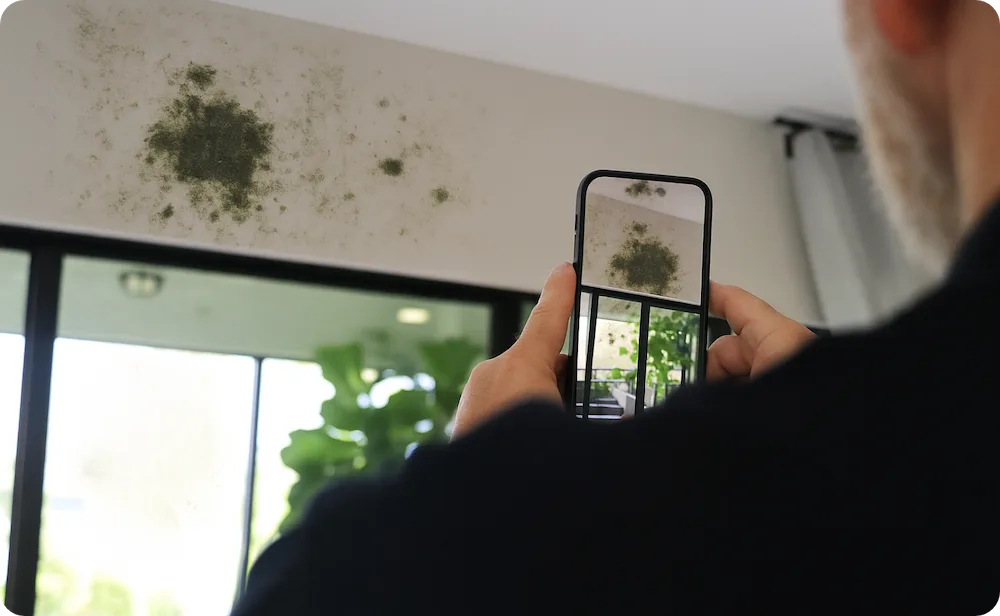
Mold often develops as a result of unresolved moisture or hidden water damage. Professional mold remediation helps identify affected areas, contain growth, and restore healthy indoor conditions.
Explore Our Mold Removal and Remediation Services
Biohazard situations, including crime scene cleanup and virus decontamination, require specialized cleaning and handling to protect health and safety. Biohazard cleanup services address contamination using proper protocols and professional care.
Explore Our Biohazard Cleanup Services
PuroClean provides 24/7 commercial property damage restoration services for businesses and facilities across the United States.
Explore Our Commercial Services
Water damage can result from unexpected leaks, flooding from storms, plumbing failures, or appliance malfunctions. Our certified teams focus on rapid water removal, drying, and stabilization to help prevent further damage and mold growth.
Explore Our Water Damage Mitigation Services
Answers to the questions Lake Catherine homeowners ask us most
In most cases, yes. Standard homeowners insurance policies typically exclude flood damage from a rising lake, and because Lake Catherine is directly connected to Channel Lake through an eroded natural channel, water levels on the two lakes move together — Channel Lake’s documented history of exceeding major flood stage during regional rain events is directly relevant to your own flood risk on Lake Catherine. Coverage for that kind of loss generally requires a separate NFIP flood insurance policy rather than your standard homeowners coverage. We recommend confirming your flood zone status with your agent, and treating any flood-stage reporting for Channel Lake as applicable to your Lake Catherine property as well, given how closely the two water bodies are linked.
Because Lake Catherine is fed directly by Trevor Creek, which flows south from Wisconsin into the lake, heavy rain falling in southeastern Wisconsin can raise Lake Catherine’s water level with less delay than communities further down the Chain O’Lakes system that depend on water working its way through multiple connected lakes first. That direct creek connection is also what eroded the channel linking Lake Catherine to Channel Lake in the first place, so it’s a defining feature of the lake’s hydrology, not just an occasional flood-season factor. If you own property on Lake Catherine, it’s worth monitoring Wisconsin rainfall forecasts for the broader Trevor Creek watershed, not just local Illinois weather reports, when assessing your flood risk.
Many Lake Catherine cottages share this history, built during the Chain’s early-20th-century resort boom and later converted to full-time use as the region’s tourism economy declined after the Great Depression. The most common issue in these conversions is plumbing added into additions, crawl spaces, or exterior walls that weren’t part of the original seasonal construction, which raises freeze risk in winter and can create hidden moisture problems that go unnoticed for years. Given Lake Catherine’s status as a private lake with a somewhat more exclusive shoreline than other Chain lakes, many of these cottages also carry higher replacement value, making it worth having a licensed plumber review your home’s systems and documenting them for insurance purposes.
Lake Catherine has no public access point other than through the marina, which means our approach to reaching a shoreline property can differ from a typical subdivision call. Before dispatching to a Lake Catherine property, we confirm the specific access route to your home, since not every part of the shoreline is reachable the same way. This doesn’t slow our response meaningfully under normal conditions, but it does mean we prioritize getting precise location and access details on the initial call rather than assuming a standard street-grid approach will get us there directly. For commercial or marina-adjacent properties, we also coordinate arrival timing with property access requirements in advance when possible.
It shifts the risk profile somewhat. At close to 40 feet deep in places, Lake Catherine holds more water relative to its surface area than many shallower lakes on the Chain, which means shoreline erosion from wave action and the underlying flow from Trevor Creek are an ongoing concern for foundations close to the water, more so than sudden lake-level swings from a single storm. That erosion risk compounds over years rather than showing up dramatically after one event, which makes it easy for shoreline property owners to underestimate until foundation or drainage problems appear. If your Lake Catherine property is close to the water, periodic professional assessment of shoreline stability is worth building into your regular home maintenance.
What Our Customers Say:
When you need water damage restoration services near you, call the experts at PuroClean. We are here day or night, 24/7, to help remove any standing water quickly and begin your water restoration service. We monitor the drying process so you can rest assured that your property is dried thoroughly. We offer commercial water restoration services for businesses and residential water damage restoration for homeowners.

PuroClean of Burlington
(262) 342-2226
151 Industrial Drive., Burlington, WI 53105


© 2026 PuroClean. All Rights Reserved.